

Articles
Embeddings and semantic similarity: distance as a proxy for meaning
An embedding turns meaning into geometry; that geometry is a proxy with known limits.
How a model behaves and what it costs to run: context limits, formats, quantization, CPU versus GPU, RAM and VRAM, sampling and hallucination.
An embedding turns meaning into geometry; that geometry is a proxy with known limits.

A sentence saying an action was taken and the action having happened are two facts.

A pipeline can fail before the model runs: wrong chunk, missing chunk, or too much noise.

Four numbers describe a generation; none of them means anything without its conditions.

GGUF is a container; which engine reads it, and how, is a separate question.
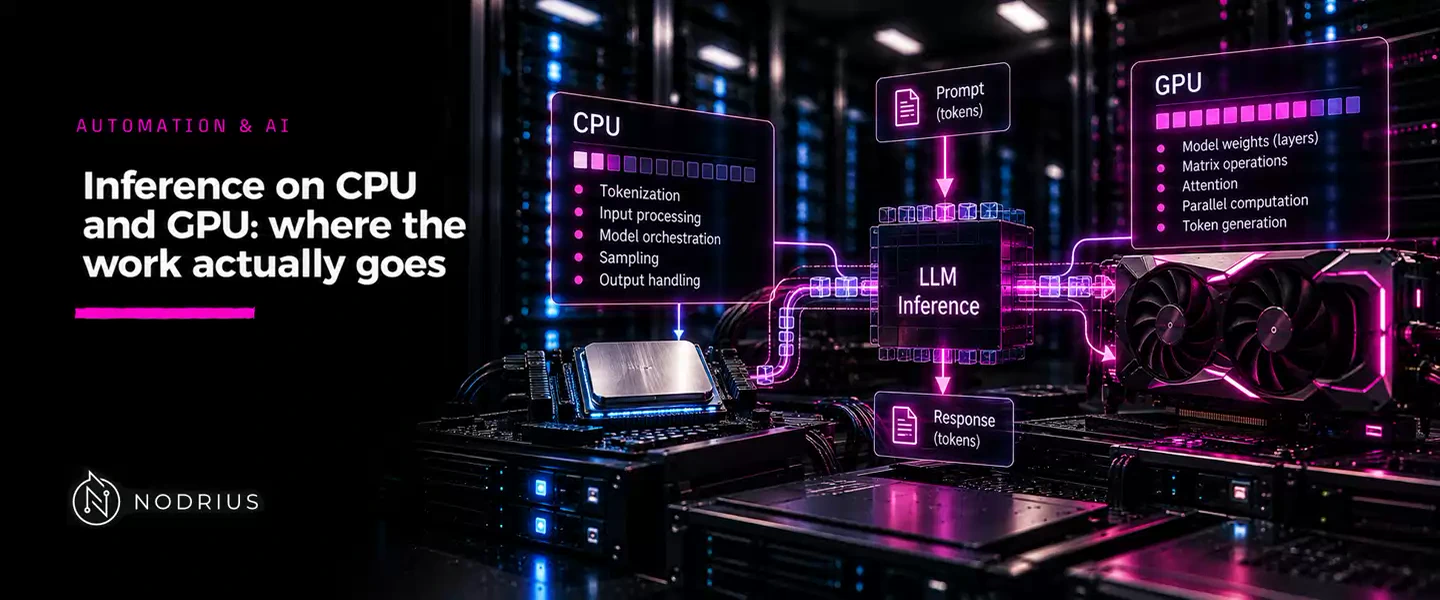
The same model runs on a CPU, a GPU or both; what changes is where the work is done.

A weights file is not the model: format, architecture and tokenizer must all line up.

Fewer bits per weight save memory; what that costs in quality must be measured.
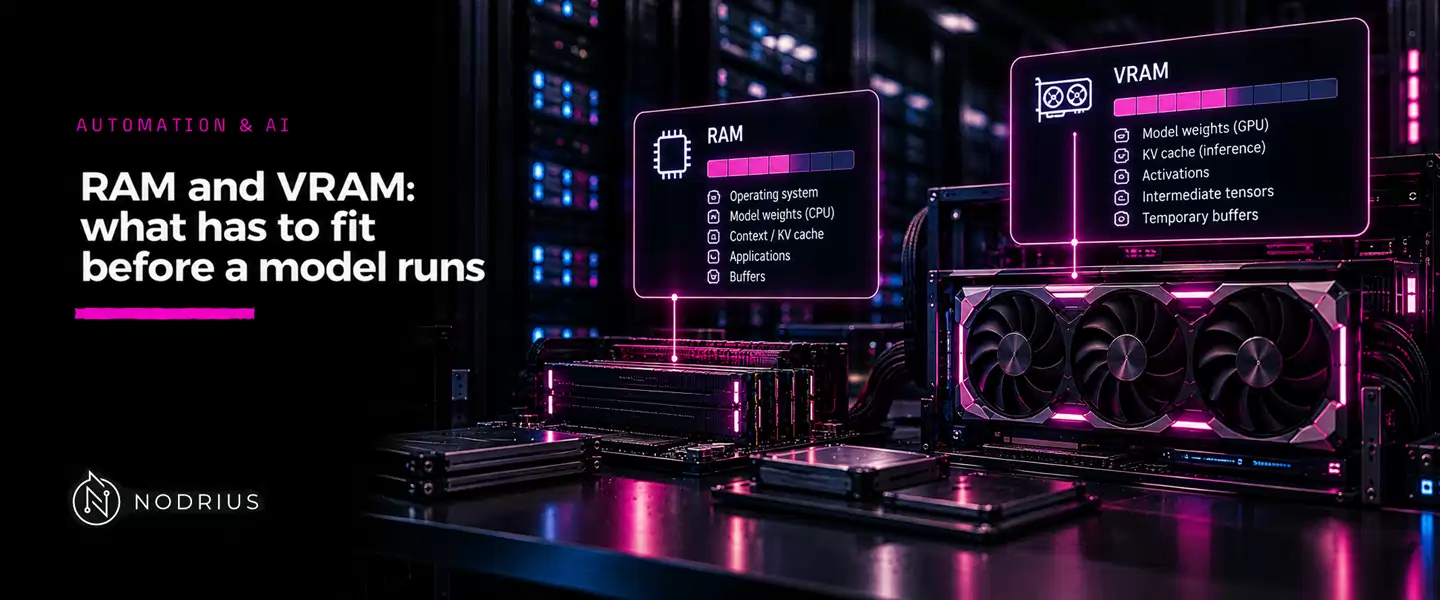
Weights, KV cache and working memory compete for the same pool; fit is arithmetic first.

A shared token budget, not durable memory: what the window is and where it runs out.

Why a fluent model answer can be false, and what checking it actually requires.

How one token is chosen out of a distribution, and what a token limit actually bounds.