
Articles
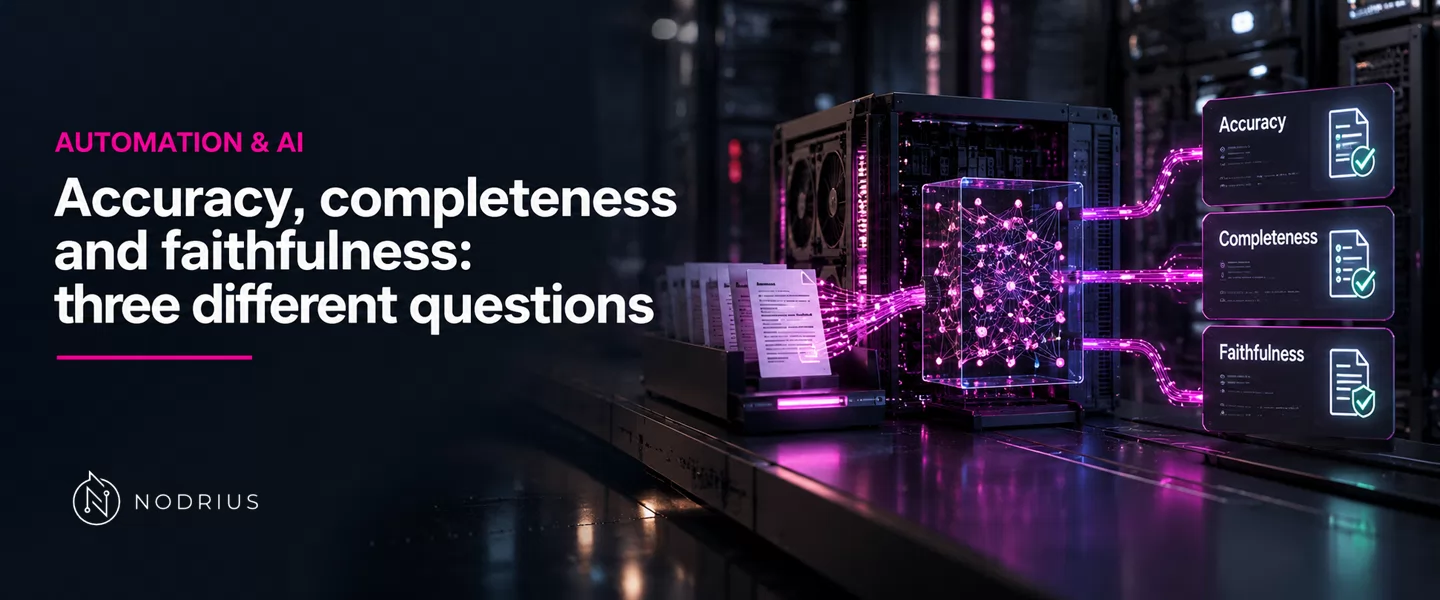
Accuracy, completeness and faithfulness: three different questions
Grounded in the sources, true, and complete are three separate things to measure.
Scripting, local inference, infrastructure and AI security.
Grounded in the sources, true, and complete are three separate things to measure.

Why prompt-only guardrails are not a boundary, and what adversarial testing can prove.
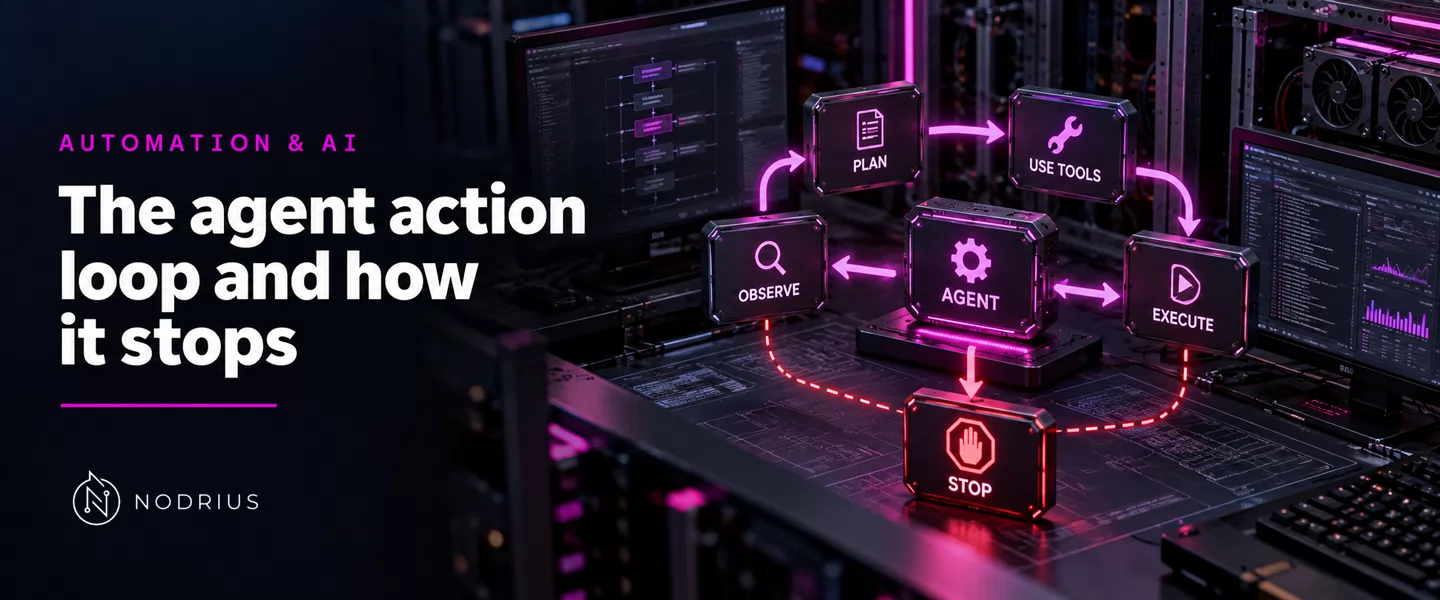
The loop is the mechanism; the stopping condition is the control that bounds it.
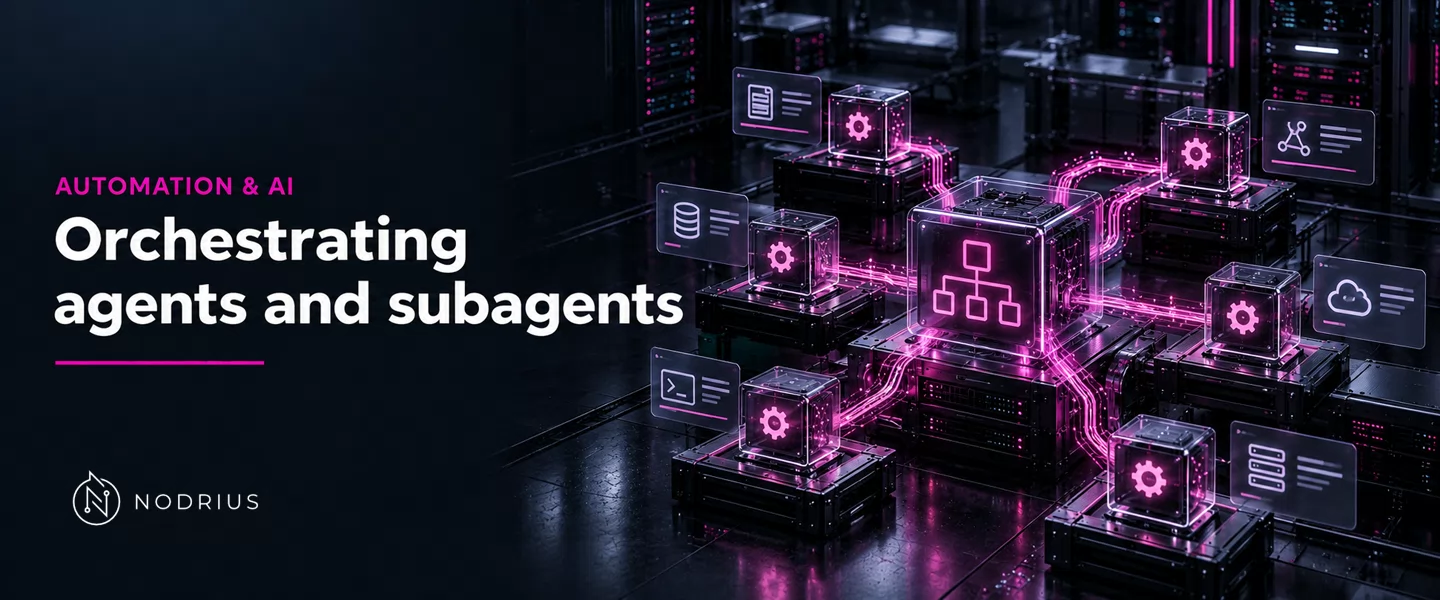
How a multi-agent system is wired: fan-out, isolated workers, fan-in and partial failure.

The record an agent leaves is the only thing that makes its actions reviewable.
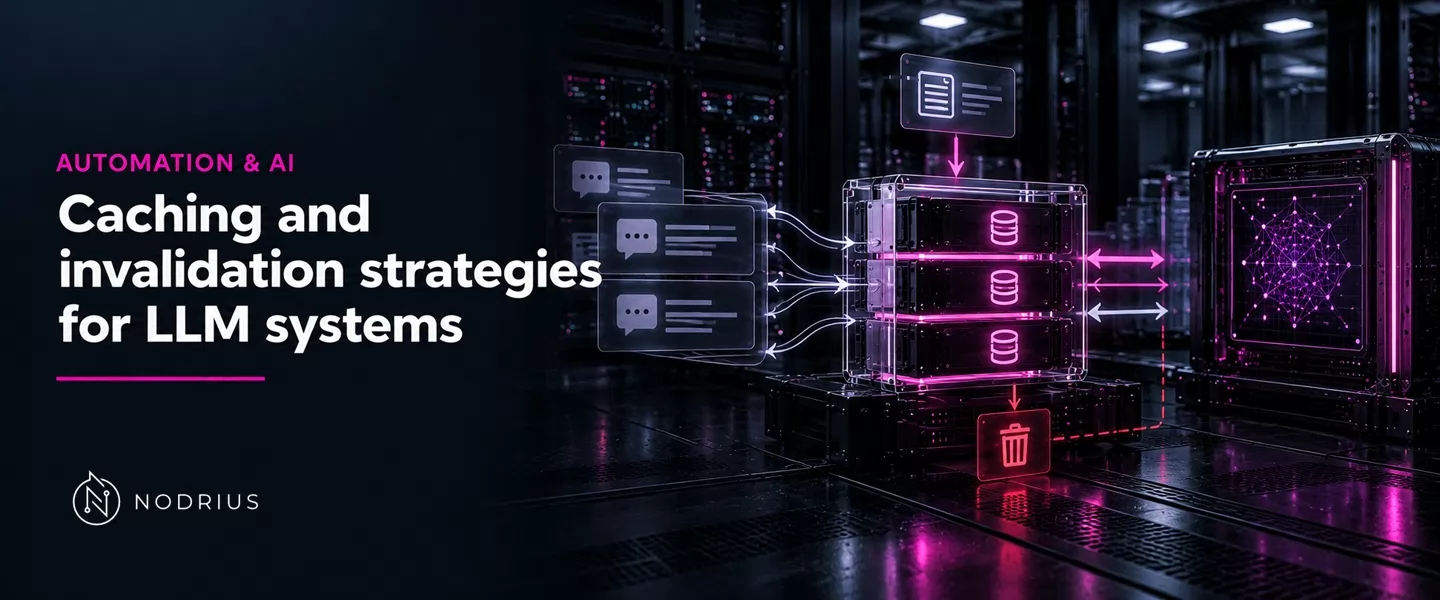
A cache is a bet the input repeats; invalidation is the price of being wrong.
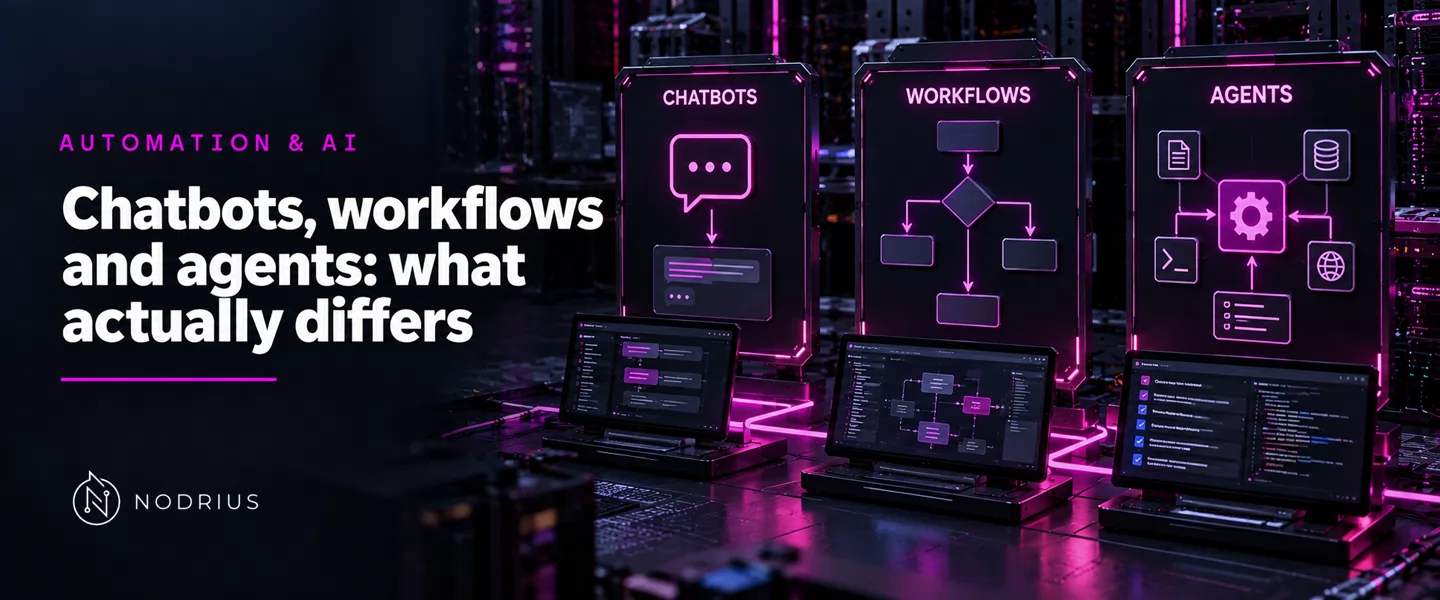
Not model power but control: who picks the next step — the code, the model, or no one.
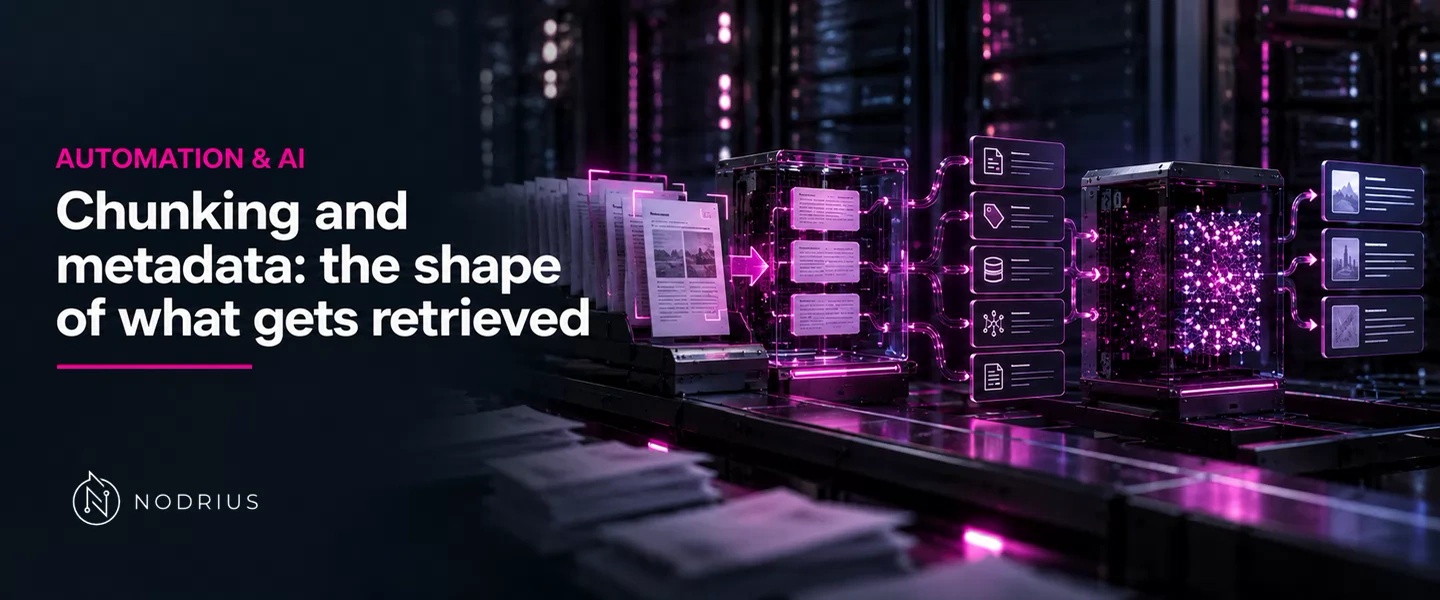
A chunk is the unit of retrieval, of context and of citation; its size decides all three.

Why a tool server is a separate process with its own client, channel and handshake.
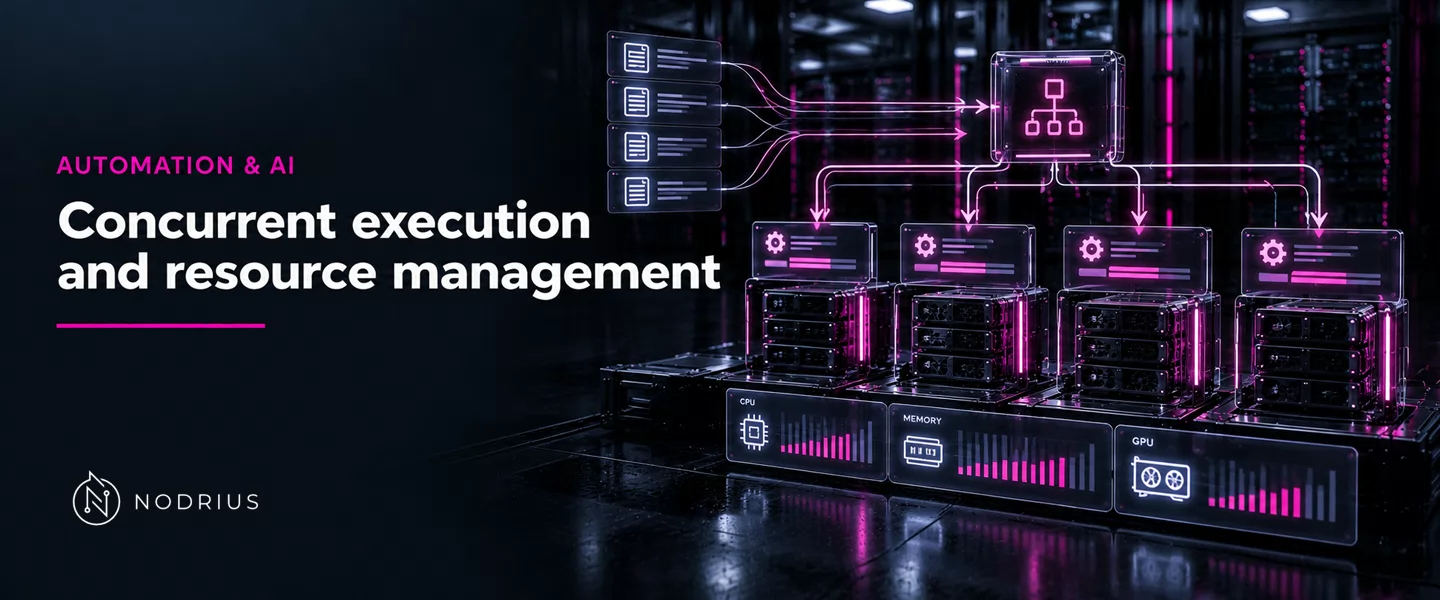
Batching, queueing and backpressure: running many model calls within one pool.
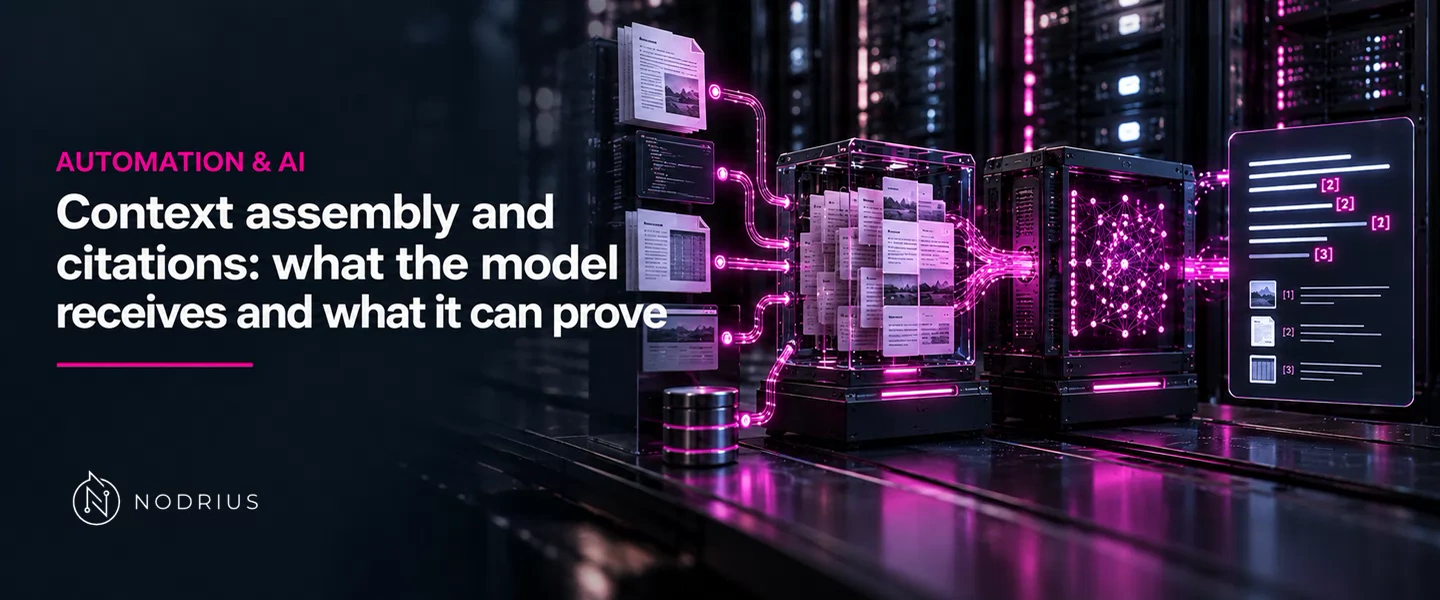
Retrieval gives a list, assembly gives a context, citations give a verifiable pointer.
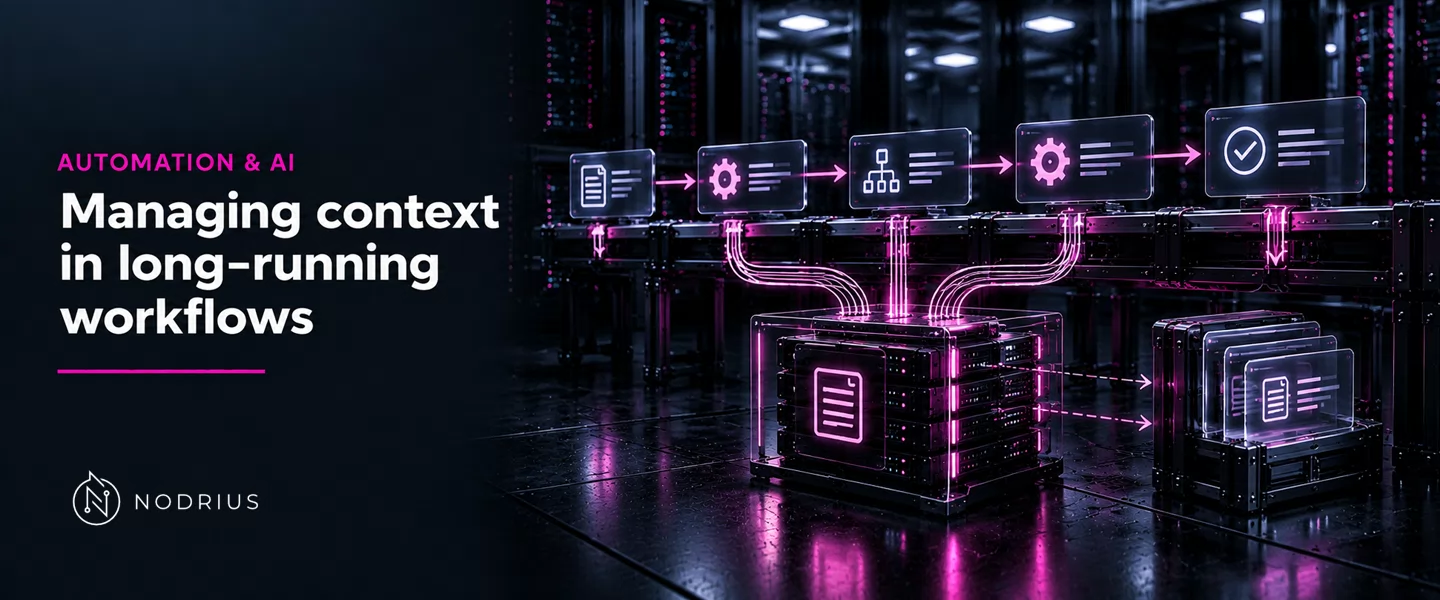
A long workflow outgrows its window: what stays, what is compacted, what must survive.
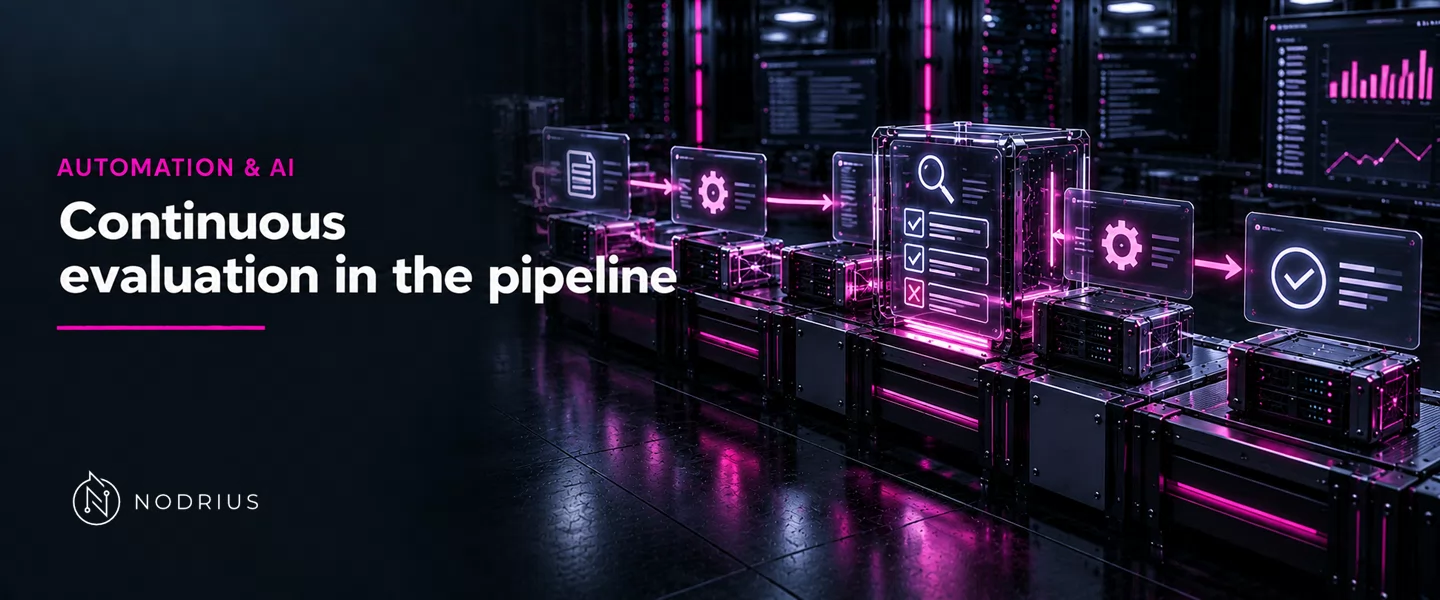
Run evaluations on every change, and decide which ones may block a release.
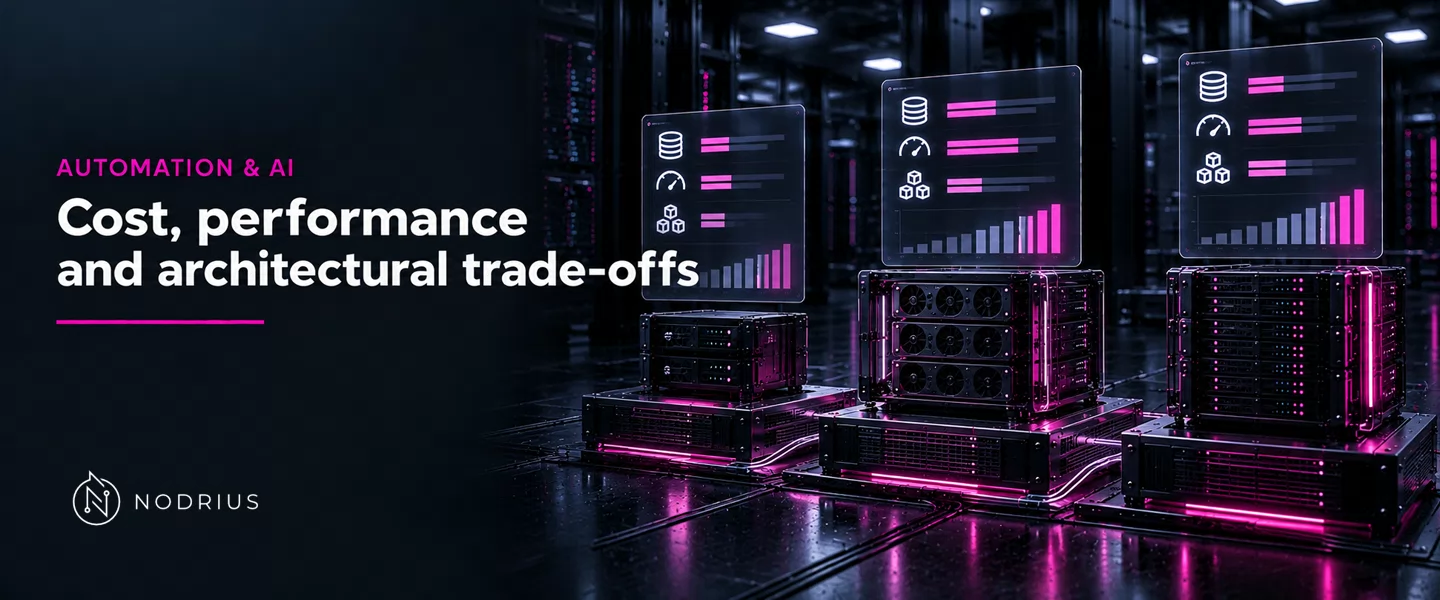
Model, cache and context choices set unit cost — and a measured number does not transfer.
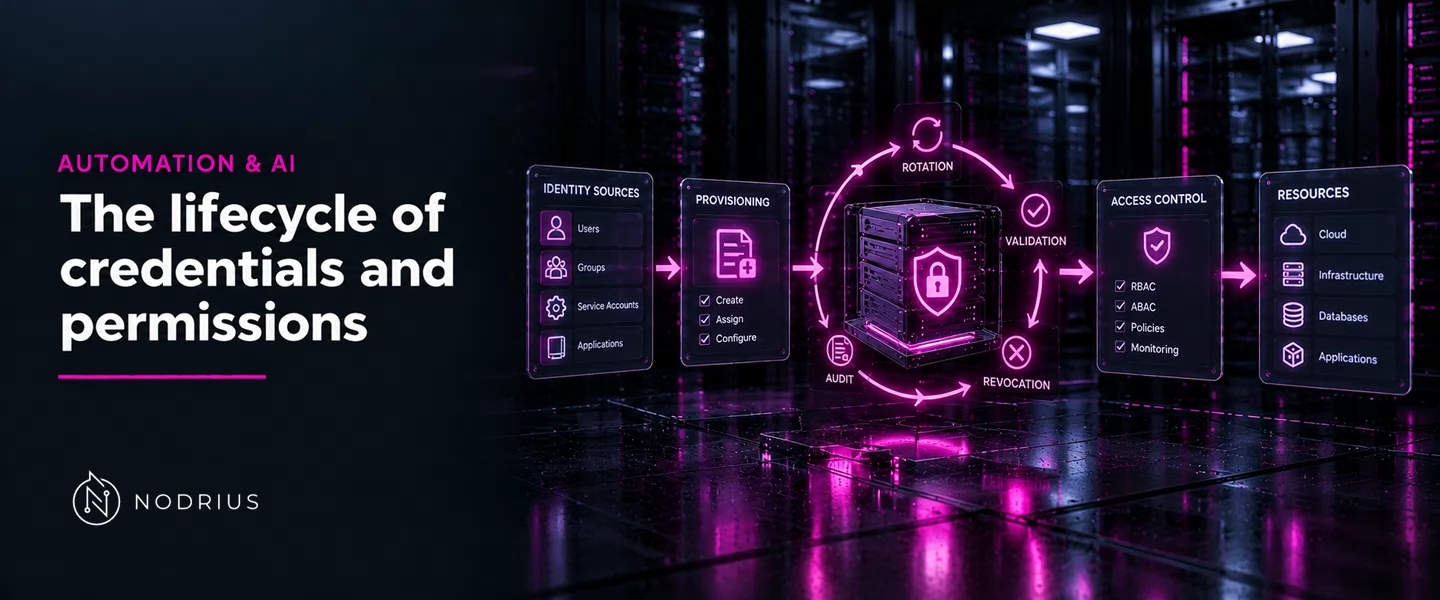
A credential is delegated authority with an expiry: issue, scope, rotate, revoke, audit.
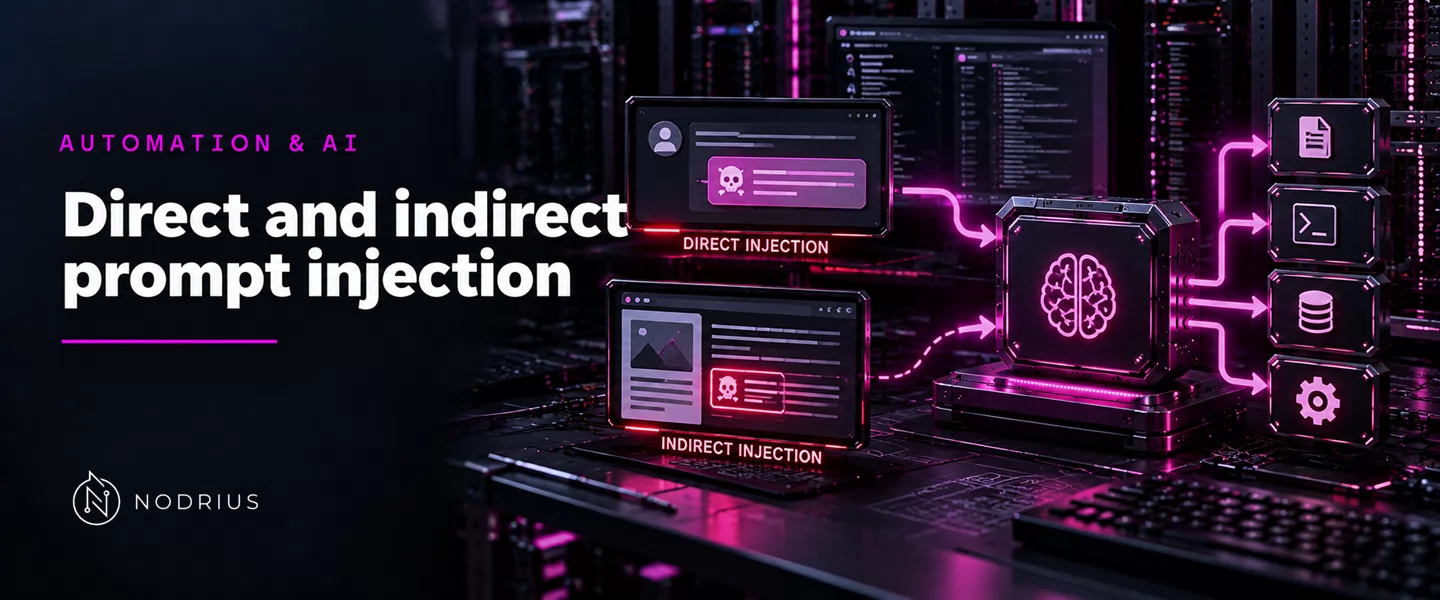
One weakness, two attack paths: the instruction comes from the user, or from the content.

Preparation decides what a retriever can find; extraction errors become missing answers.
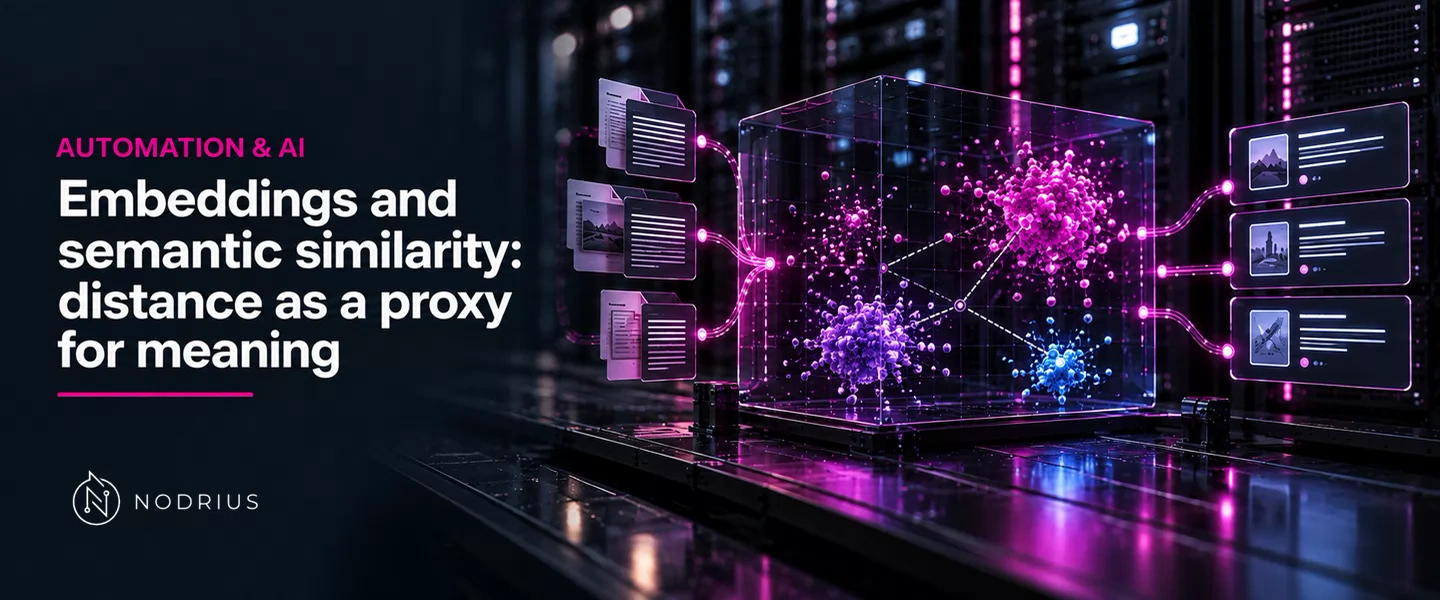
An embedding turns meaning into geometry; that geometry is a proxy with known limits.
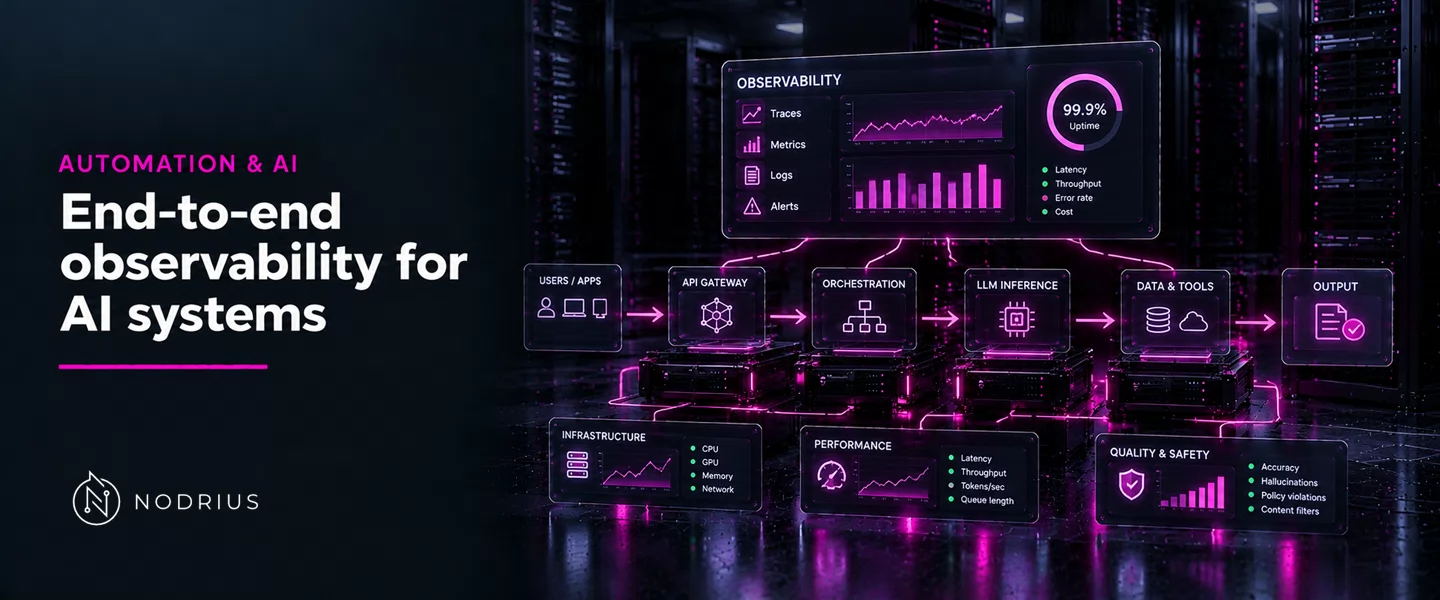
Signals, spans and correlation for AI requests — and the honest limits of telemetry.
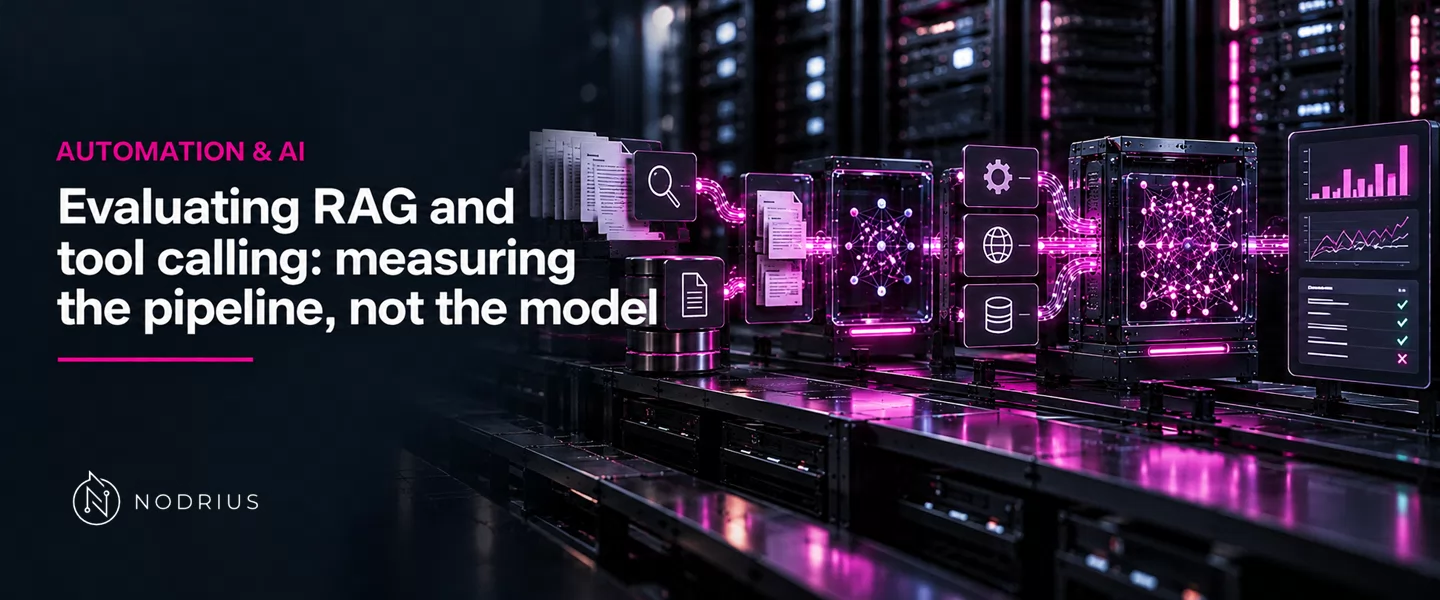
Component metrics, model judges and human checks each measure a different part.
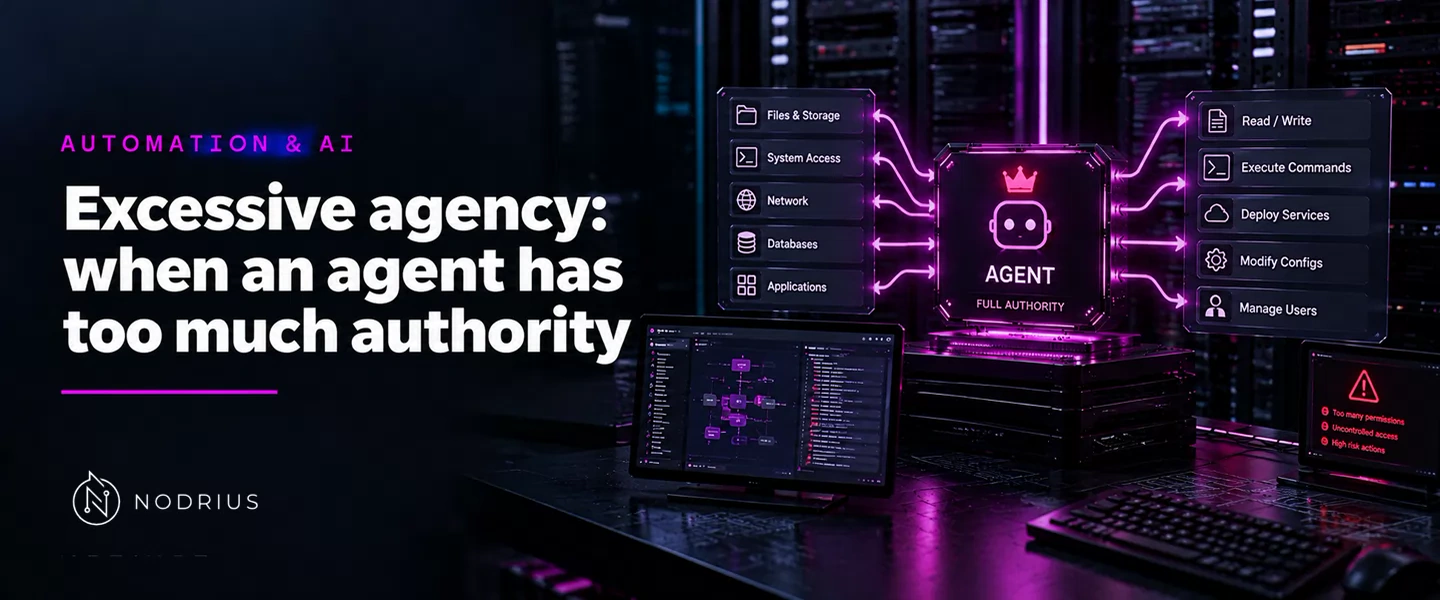
Excessive agency is the authority an agent holds, not the mistakes its model makes.
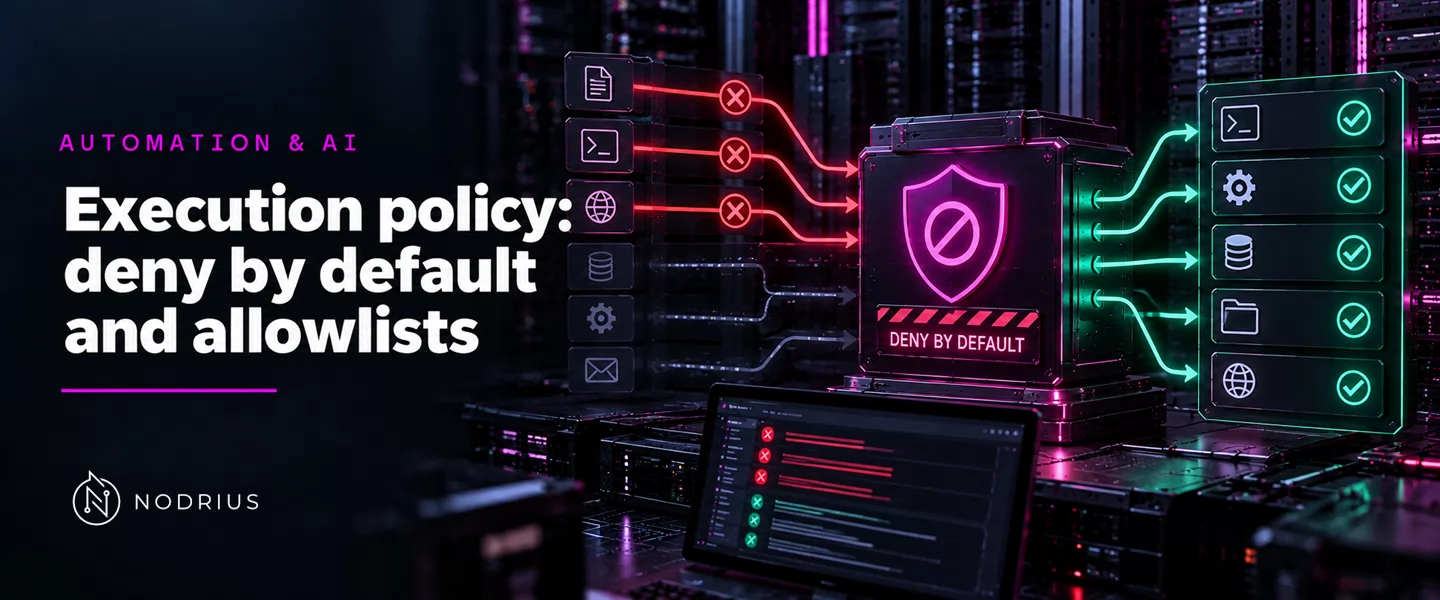
Deny by default, then allow only what is named: the policy governing an agent’s calls.
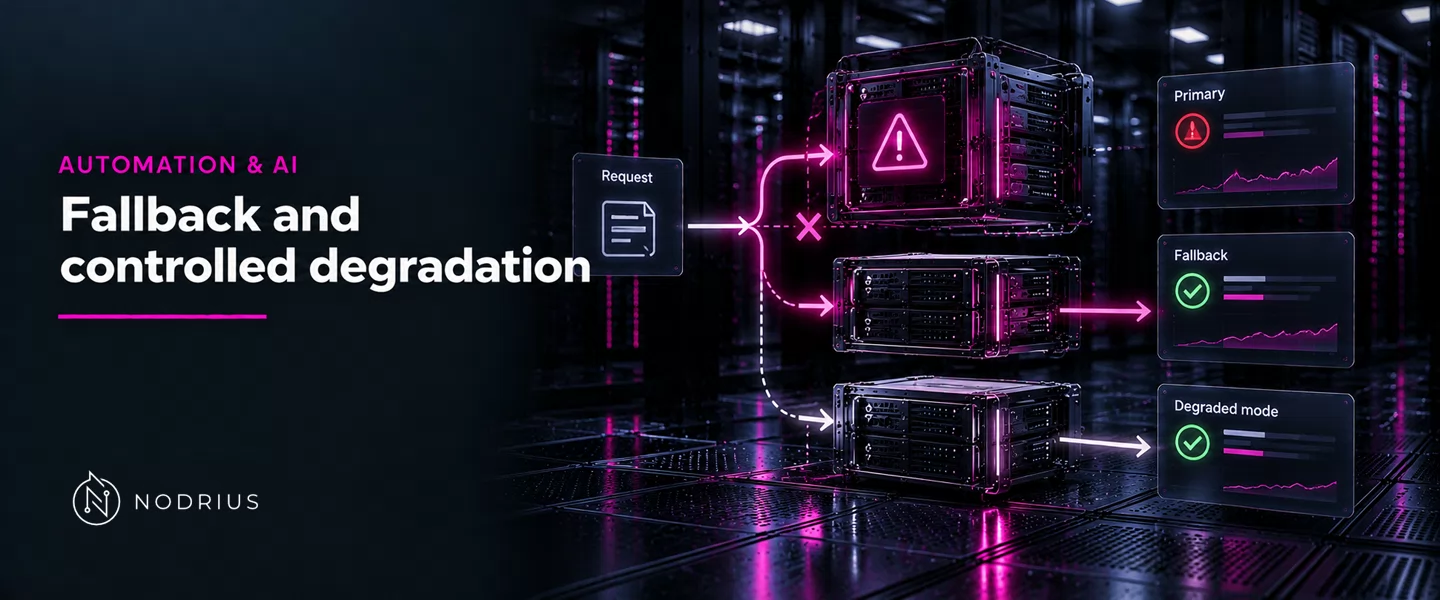
When a dependency fails, degrade the answer on purpose — or refuse, never pretend.
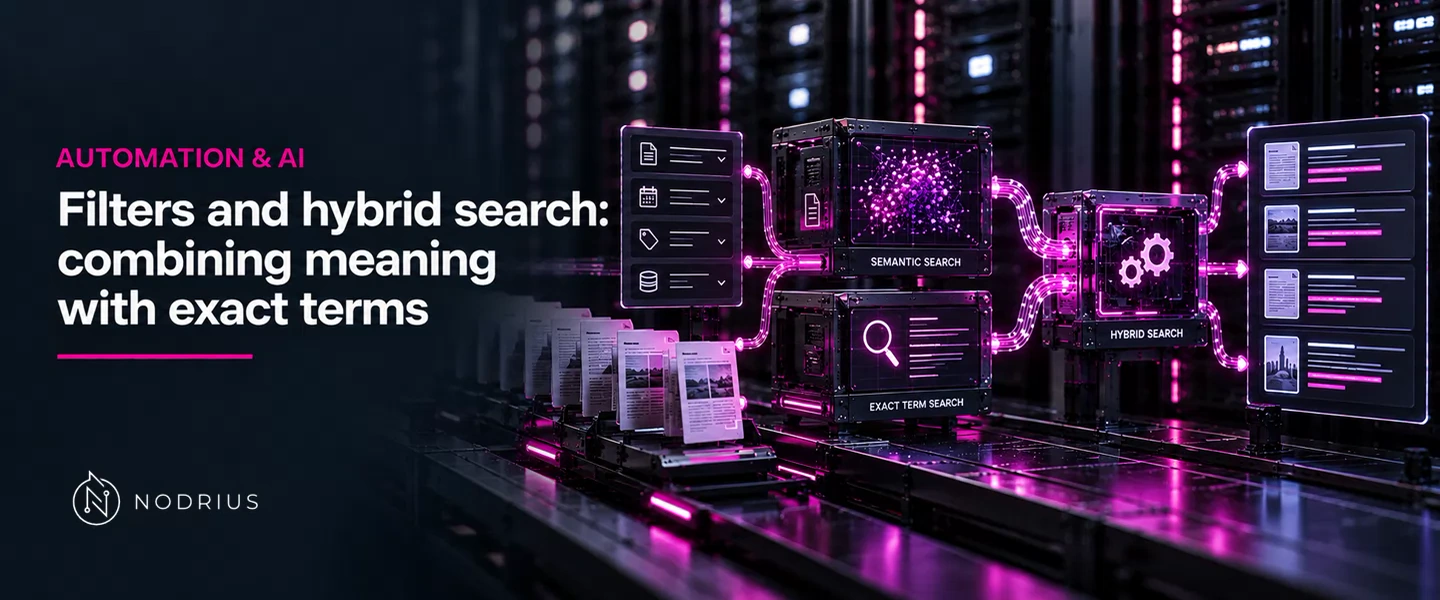
Dense retrieval misses exact tokens; hybrid search merges two rankings and needs a filter.
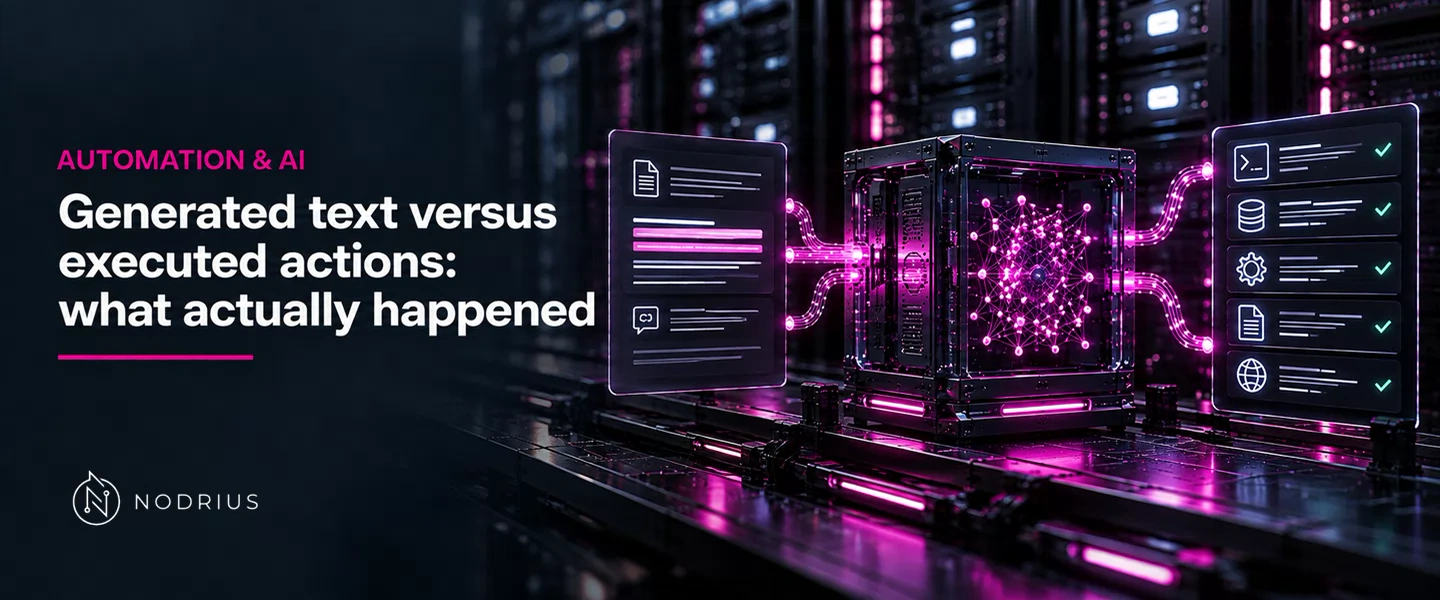
A sentence saying an action was taken and the action having happened are two facts.

Insert a human decision before an agent takes an irreversible, high-stakes action.
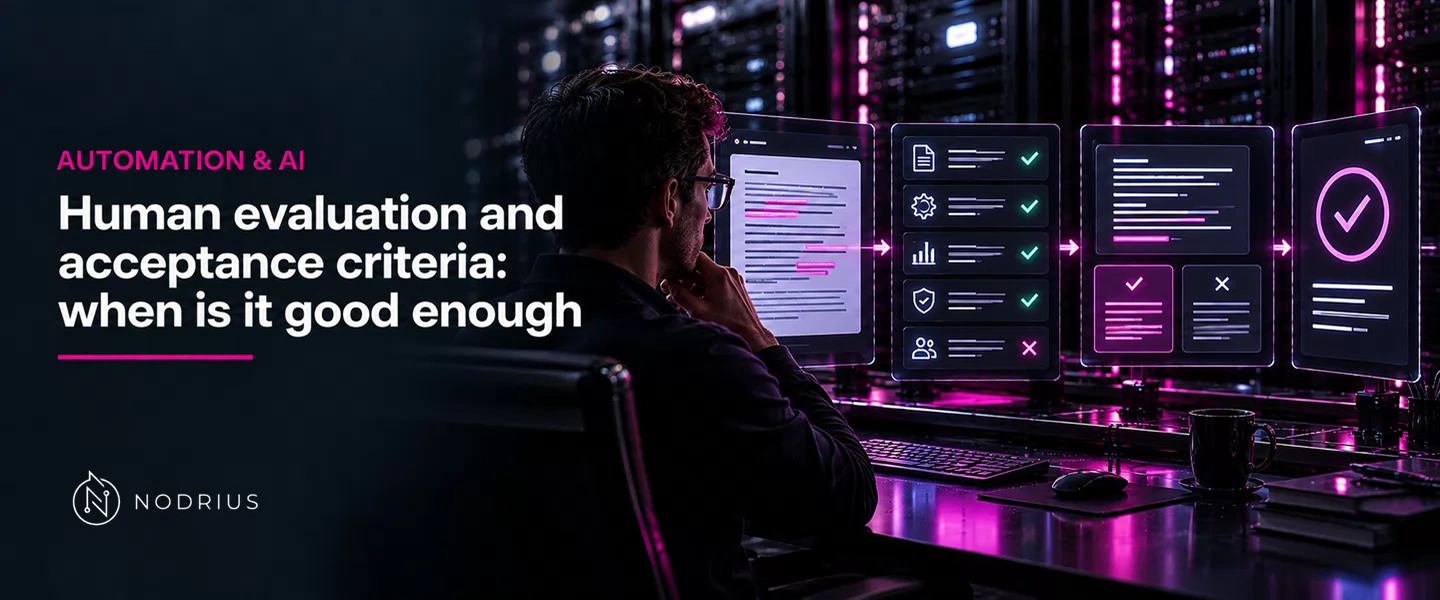
Metrics measure change; humans set the threshold, and it must exist before the number.
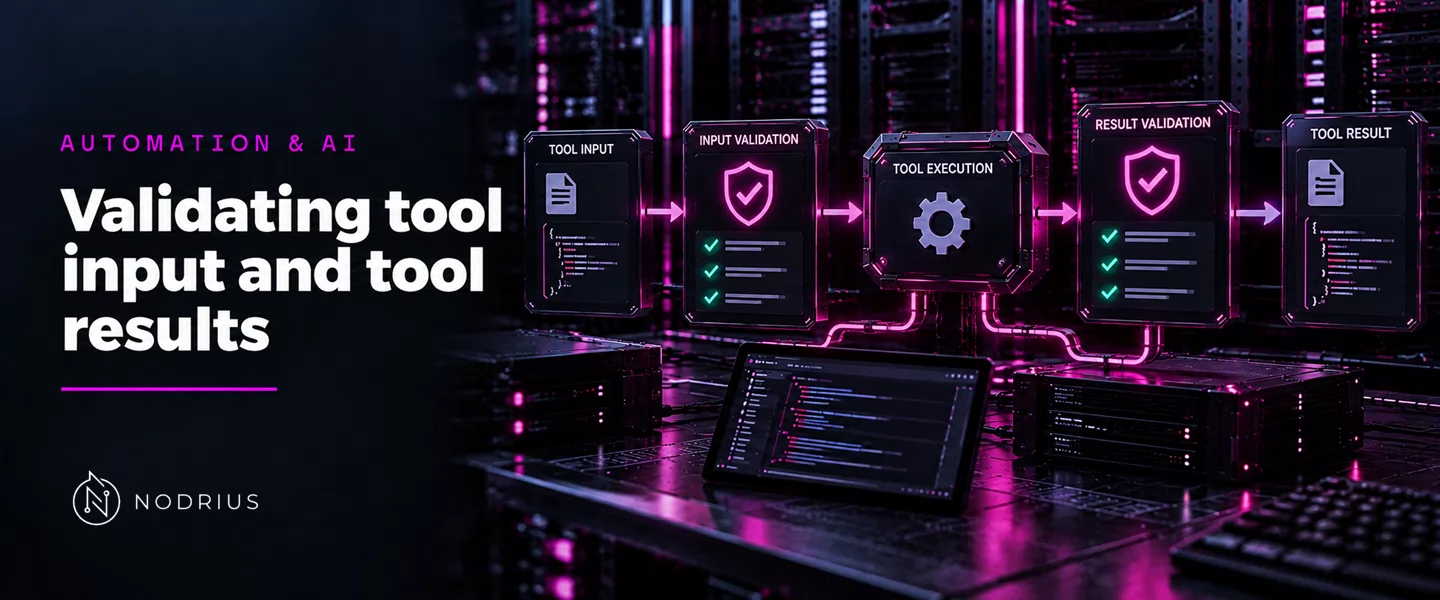
Every tool call has two trust boundaries — the arguments in and the results out.
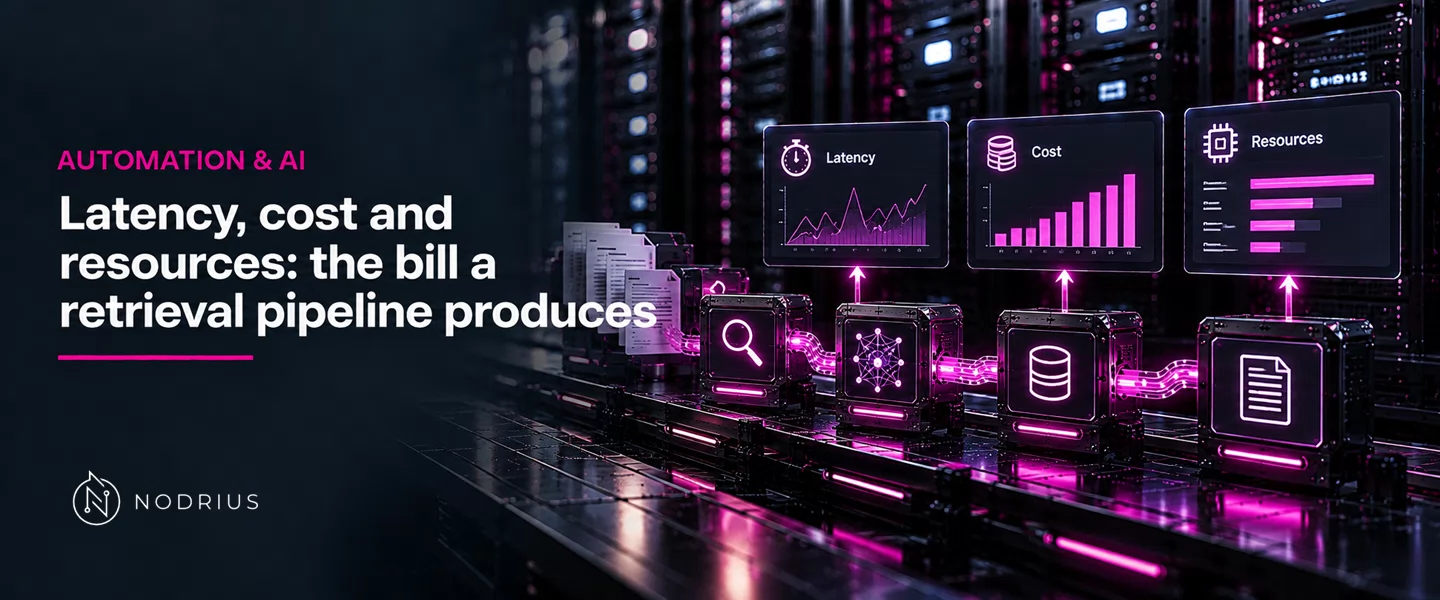
Every retrieval step adds latency and tokens; caching is the lever and it has limits.
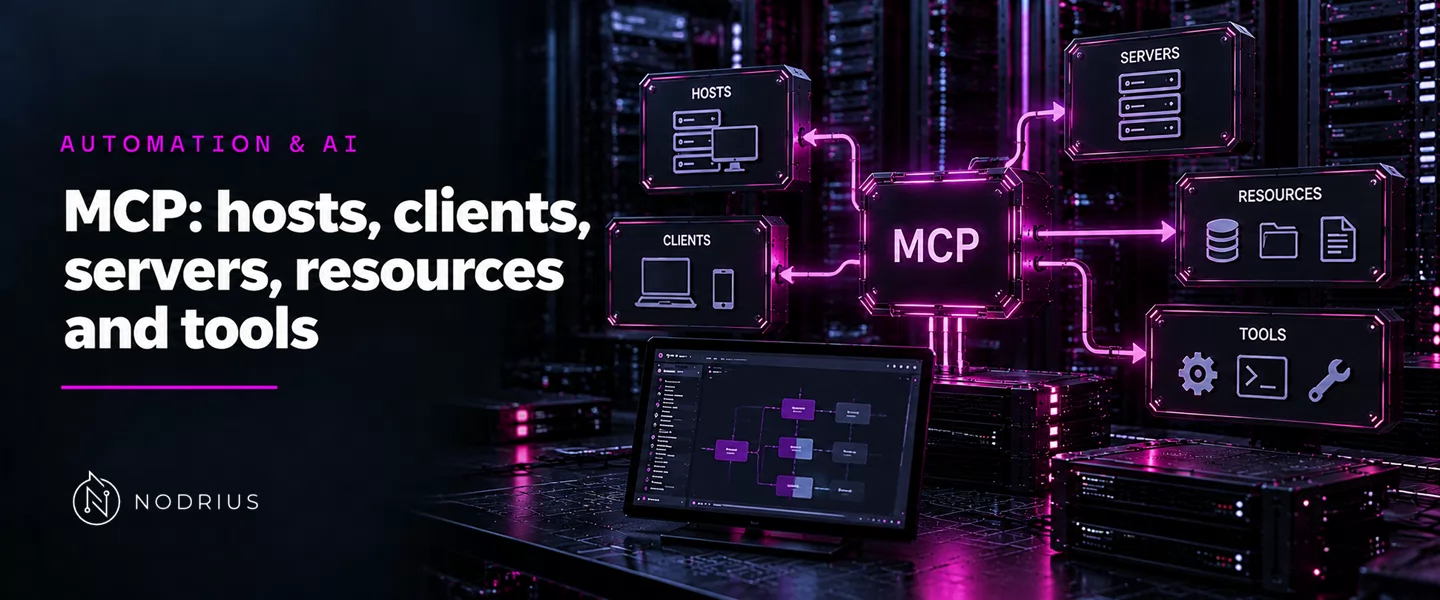
MCP separates the host that coordinates, the server that exposes, and the data it shares.
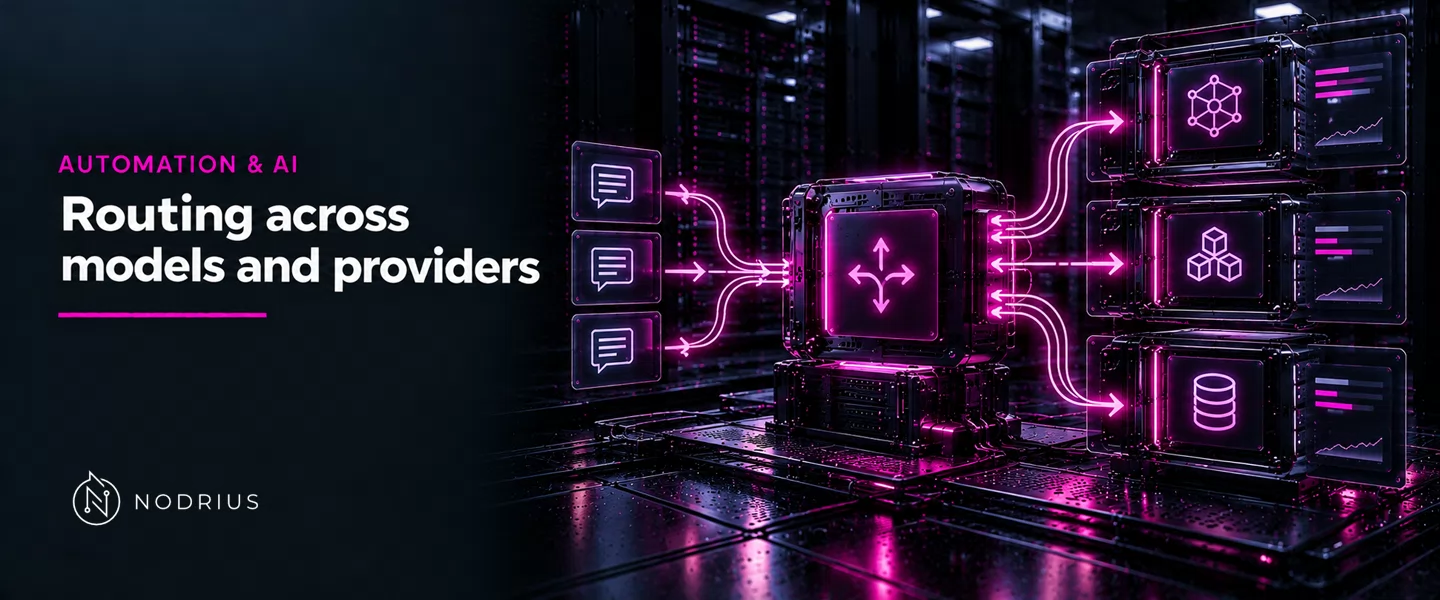
Choosing where a request goes: model and provider selection, router logic and its limits.
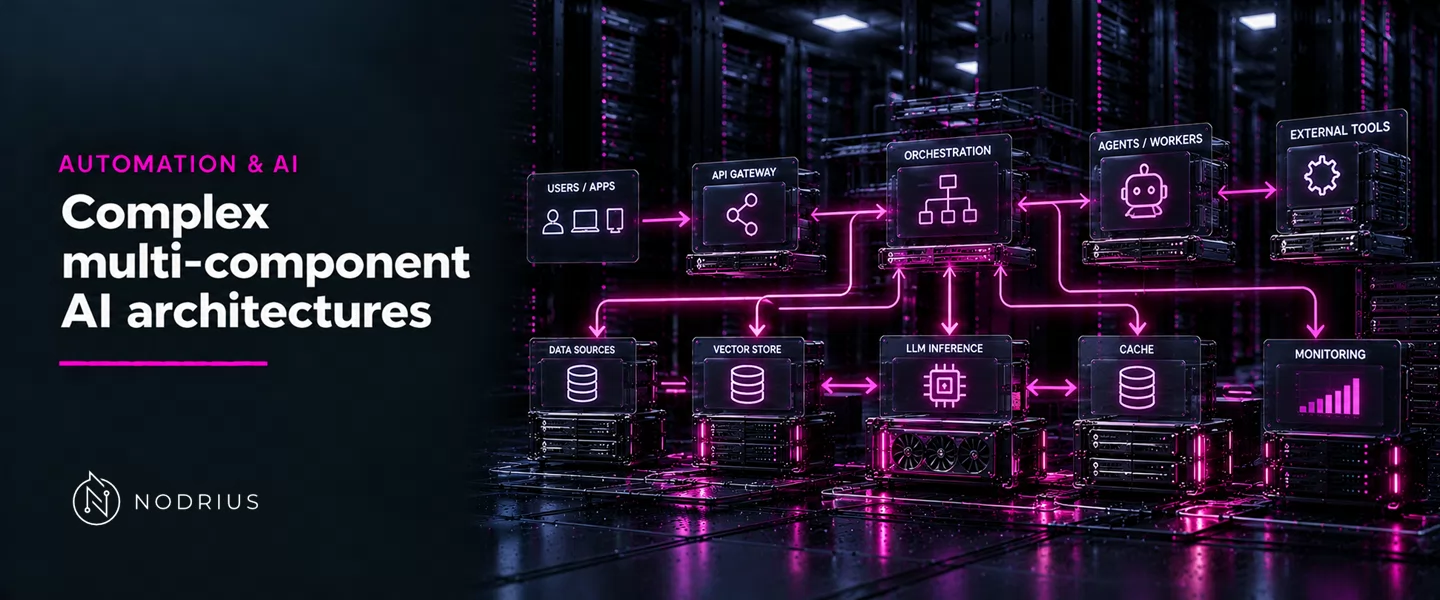
What a component boundary buys, where state lives, and why such systems fail as one.

How an agent splits a goal into subtasks — and when the split should stay fixed in code.
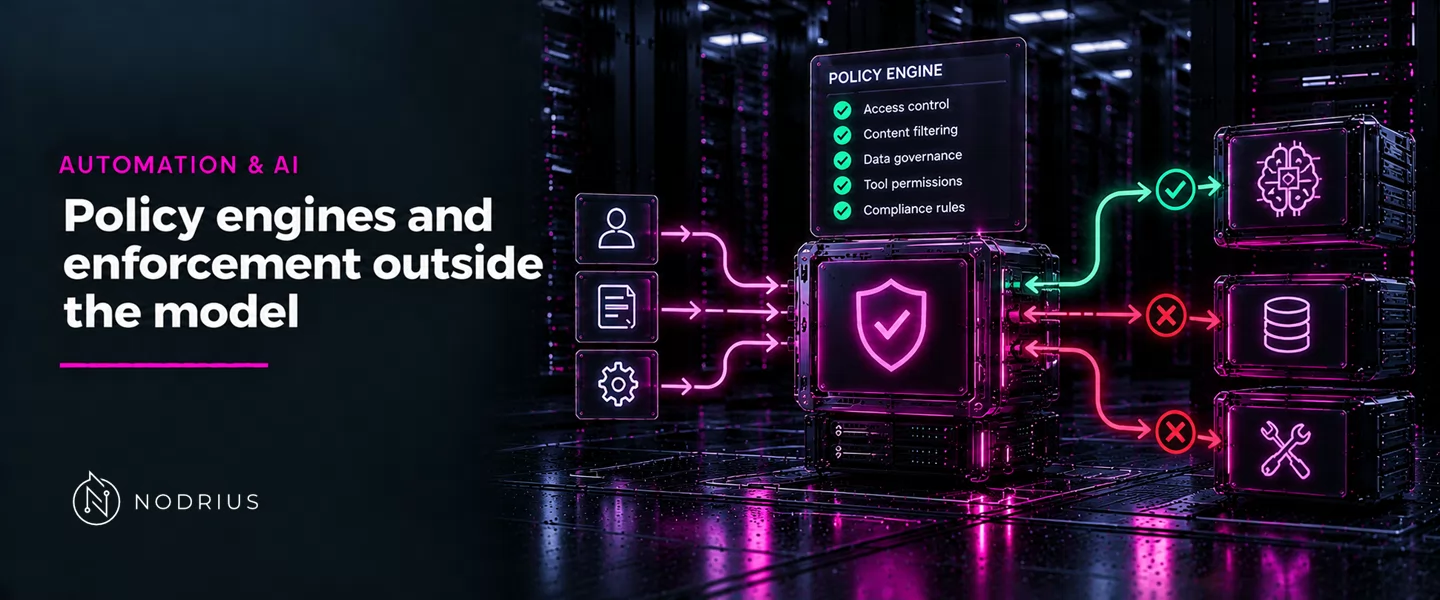
Enforcement belongs in code the model cannot argue with, not in the prompt it follows.
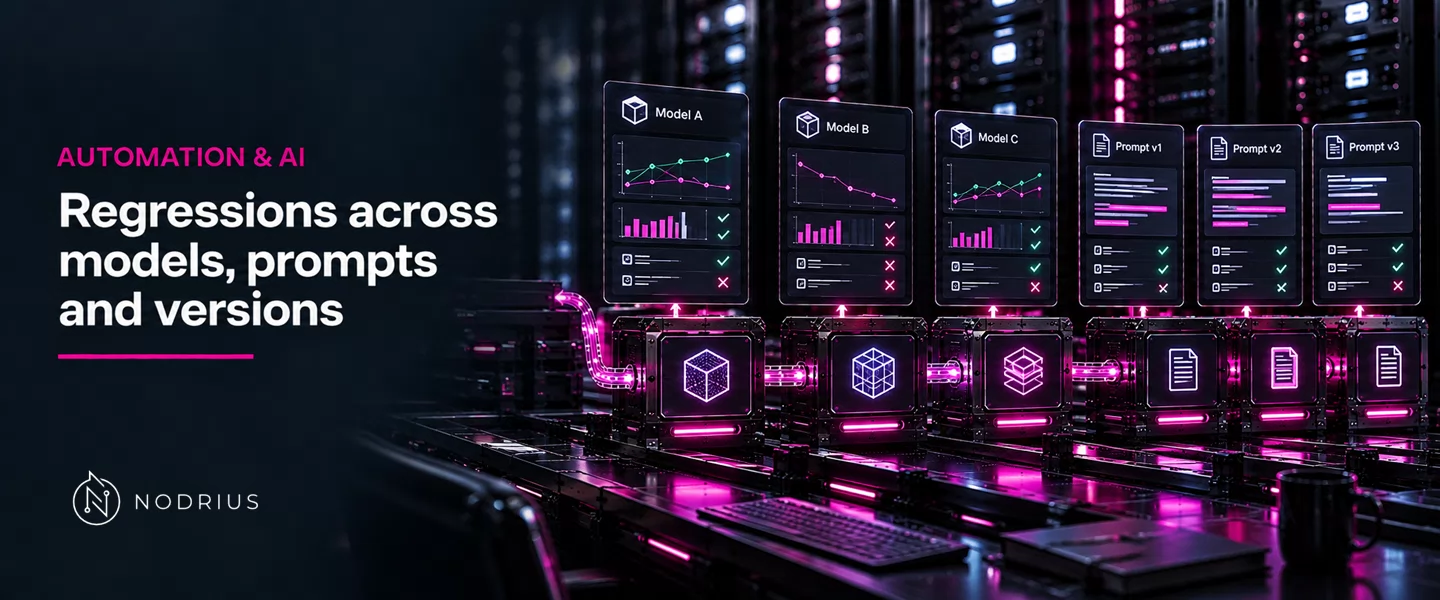
A pipeline can get worse without anyone changing it; only a versioned baseline notices.
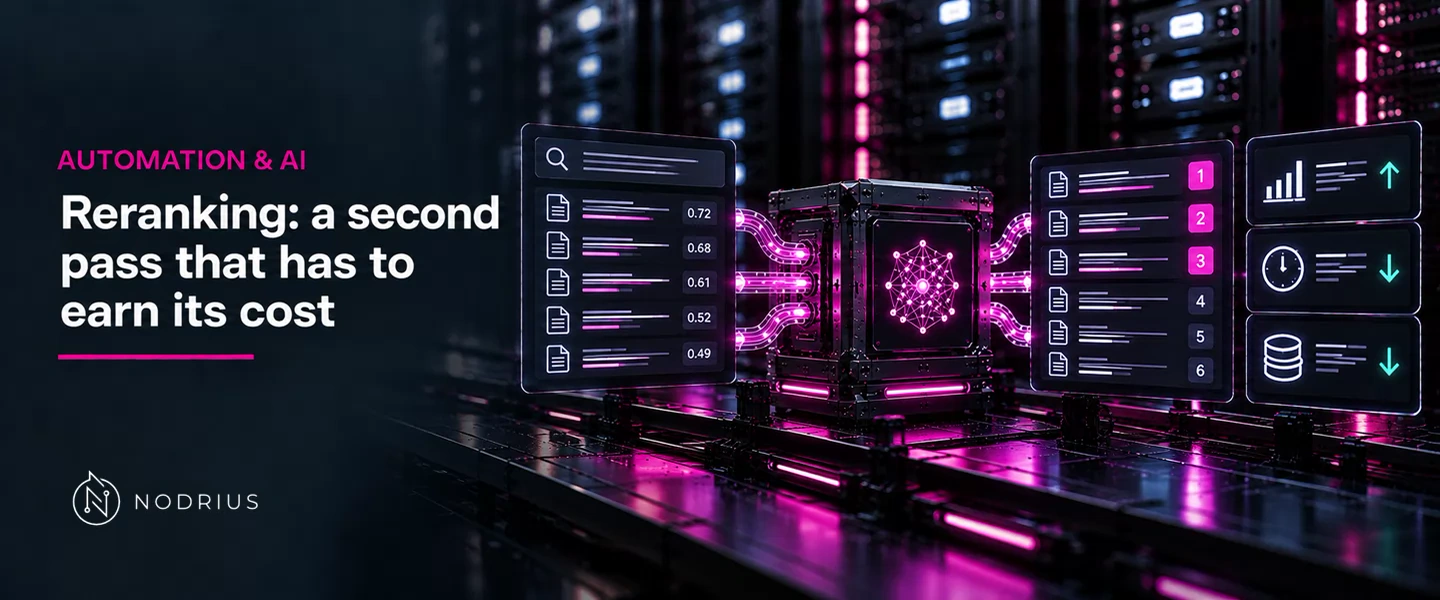
A reranker reorders a short list accurately; it cannot create what the first pass missed.
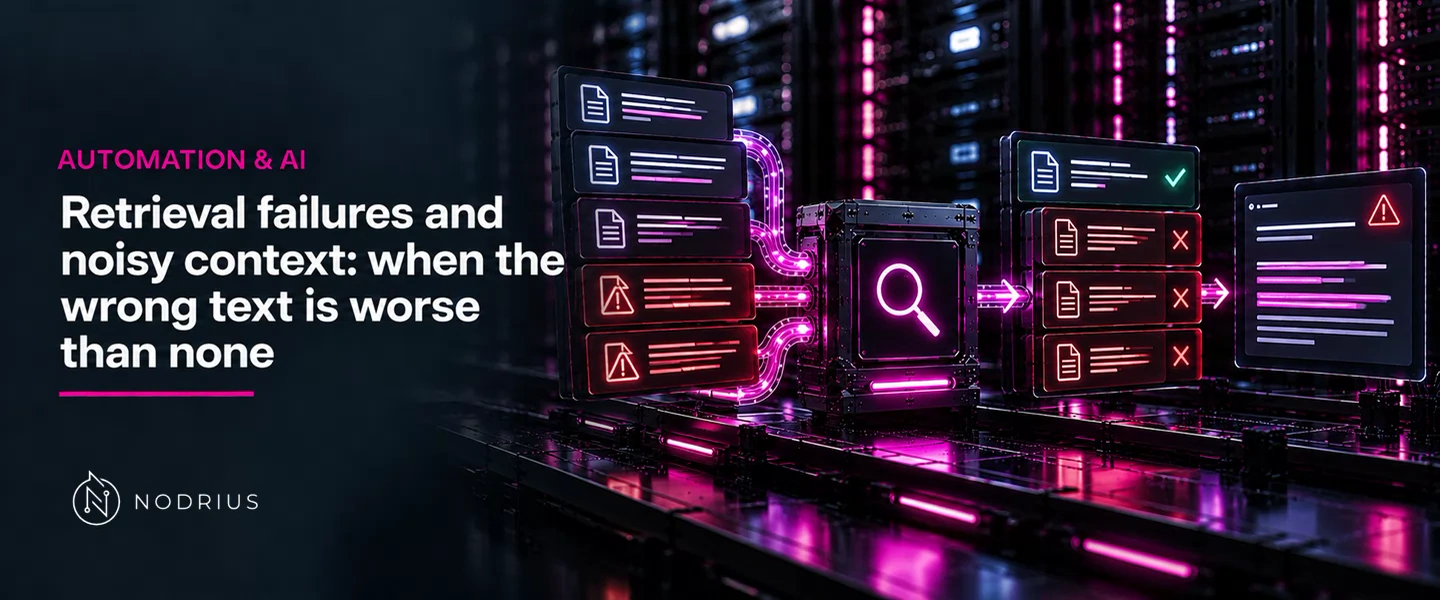
A pipeline can fail before the model runs: wrong chunk, missing chunk, or too much noise.
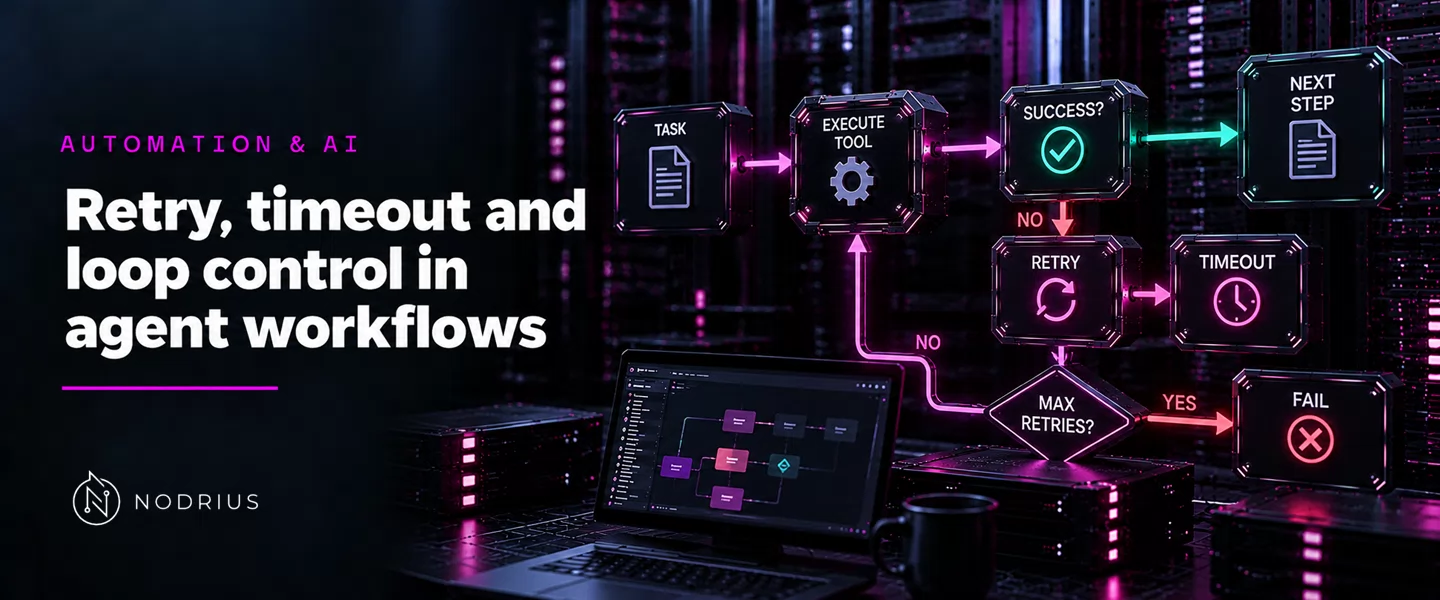
Timeouts, retries and backoff bound an agent loop before one failure becomes an outage.
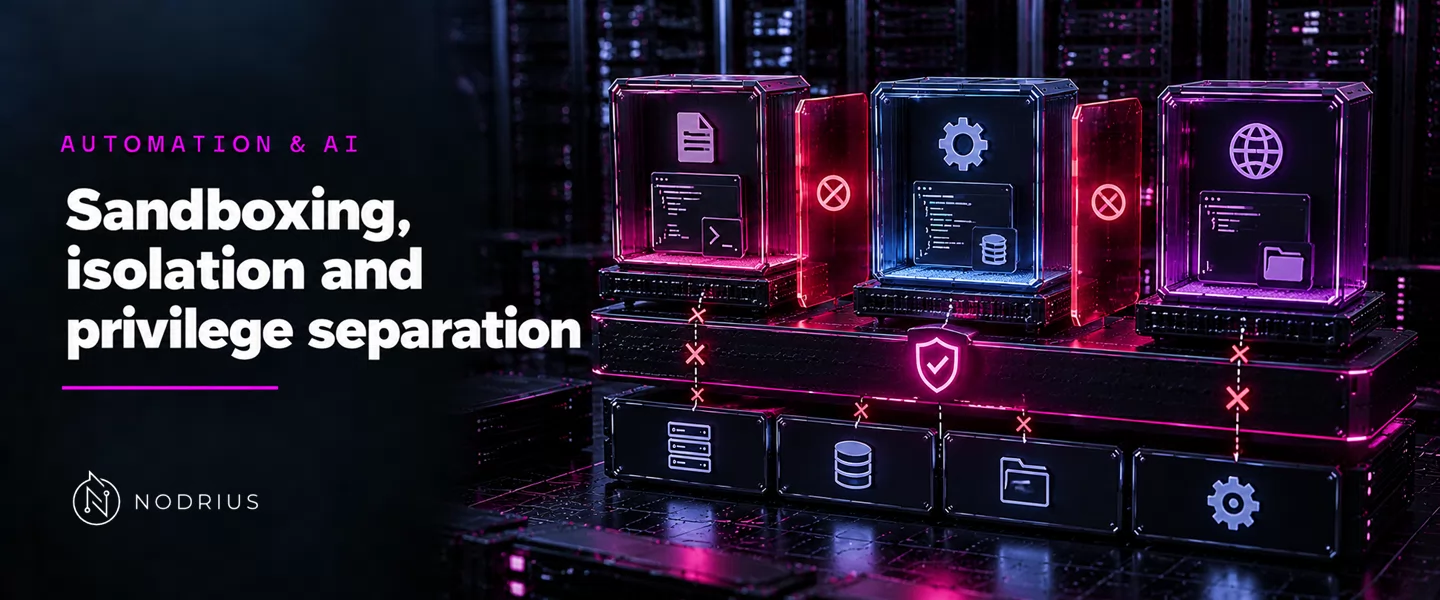
Isolation bounds what an agent can reach; privilege separation bounds what it may do.

Secrets and data leak through an agent context — the controls that keep them out.
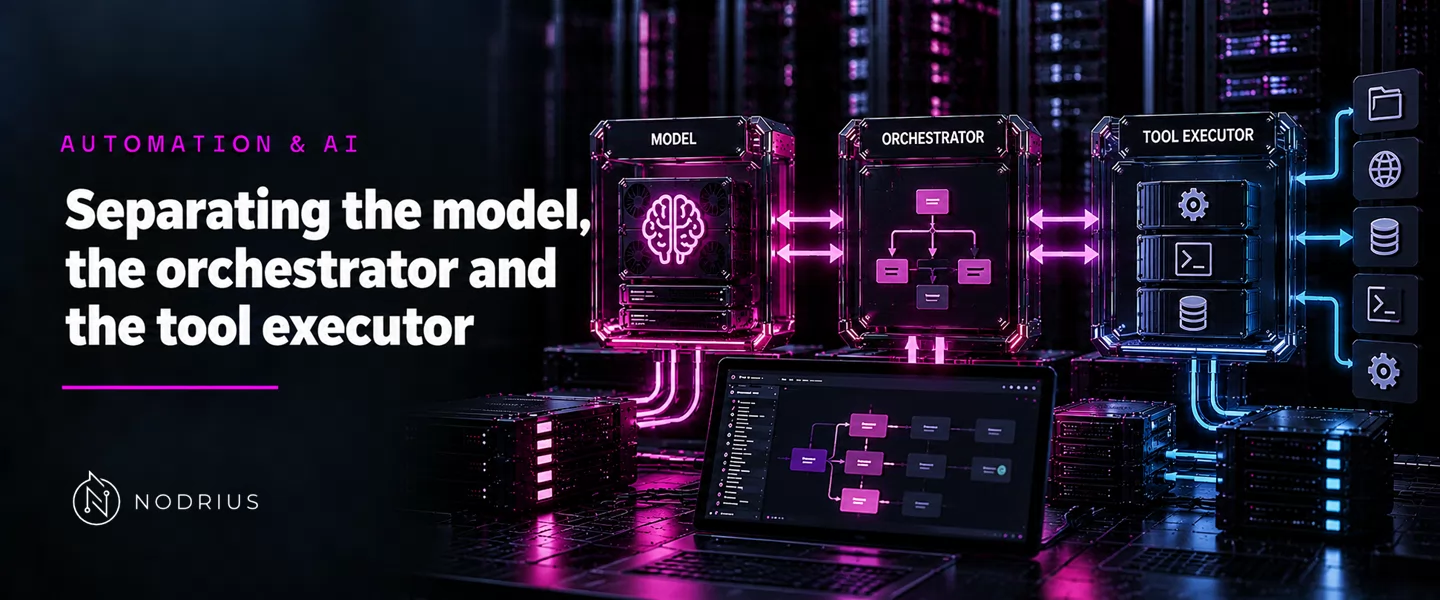
The model proposes, the orchestrator decides, the executor acts: three separate roles.
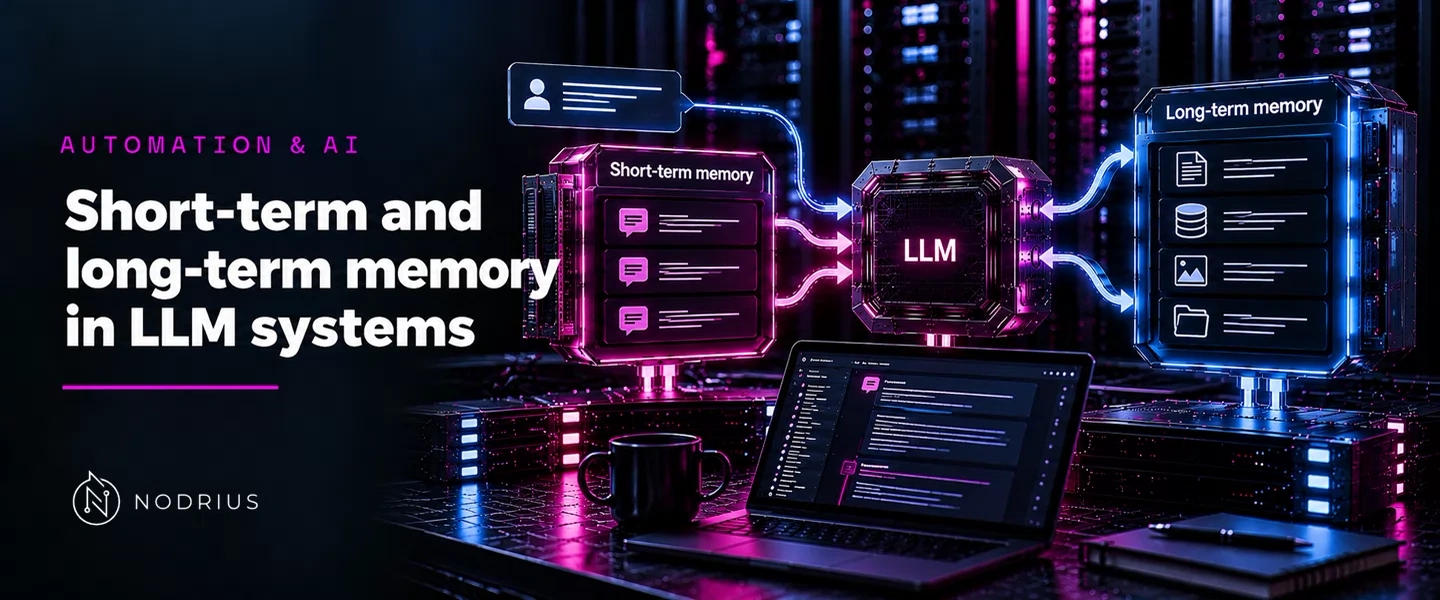
A finite context window forces every LLM system to decide what to remember.
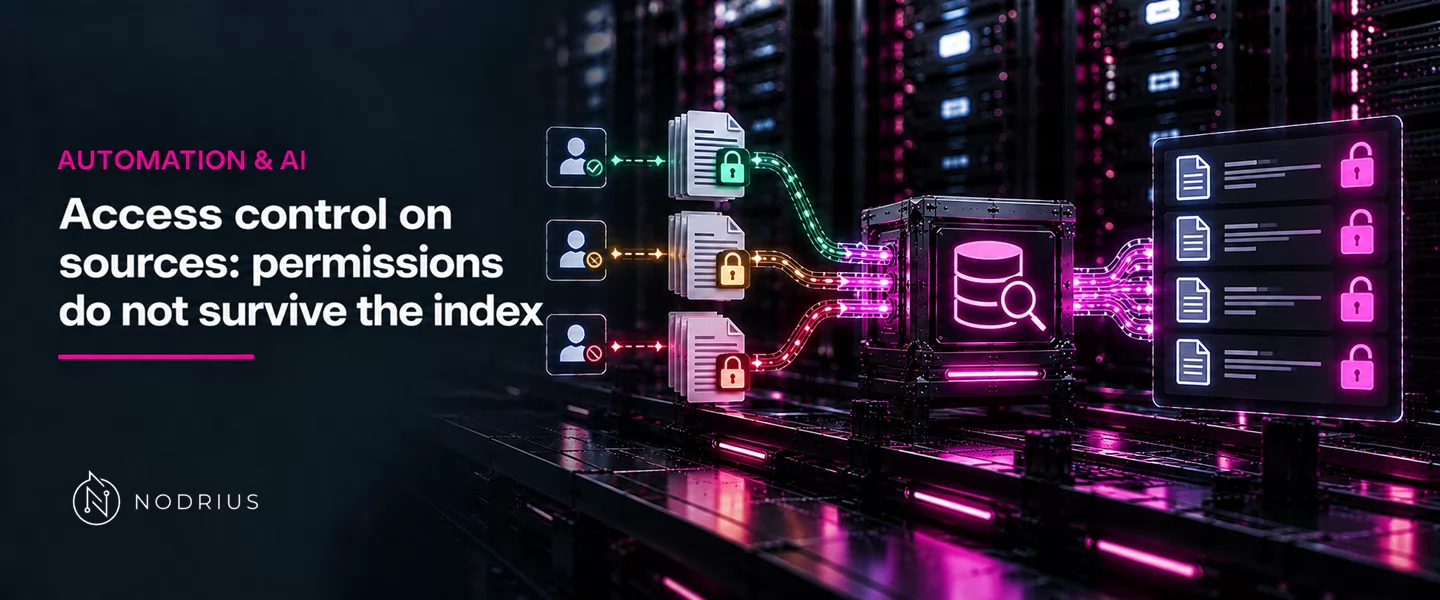
An index is a second copy of the corpus, and the copy carries no permissions of its own.
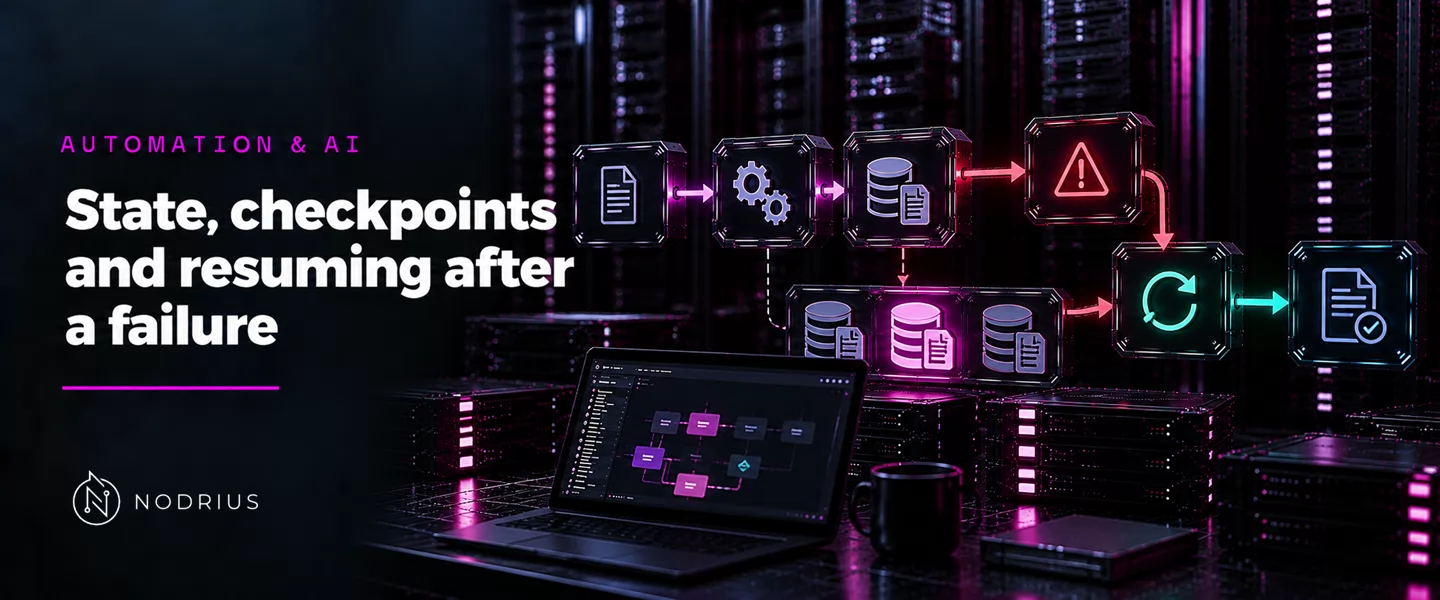
Agent state as a checkpoint: what survives a crash, and what re-runs on resume.
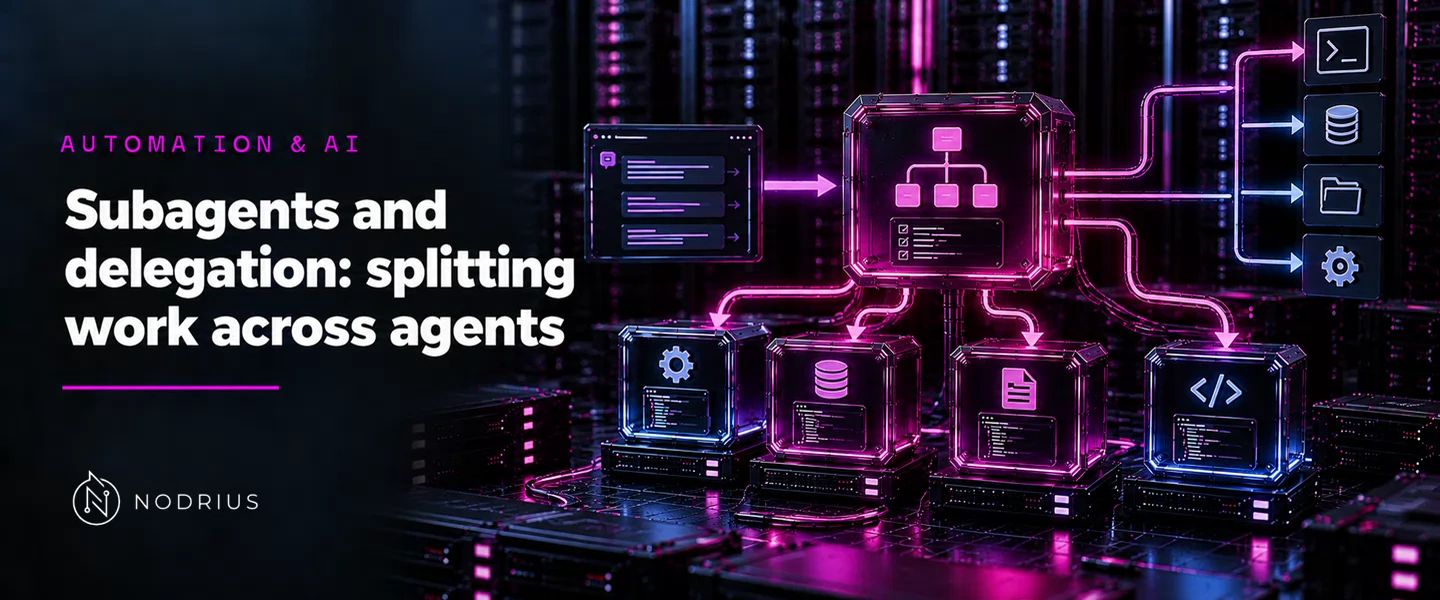
Delegation buys parallel context windows, and bills you in tokens and coordination.
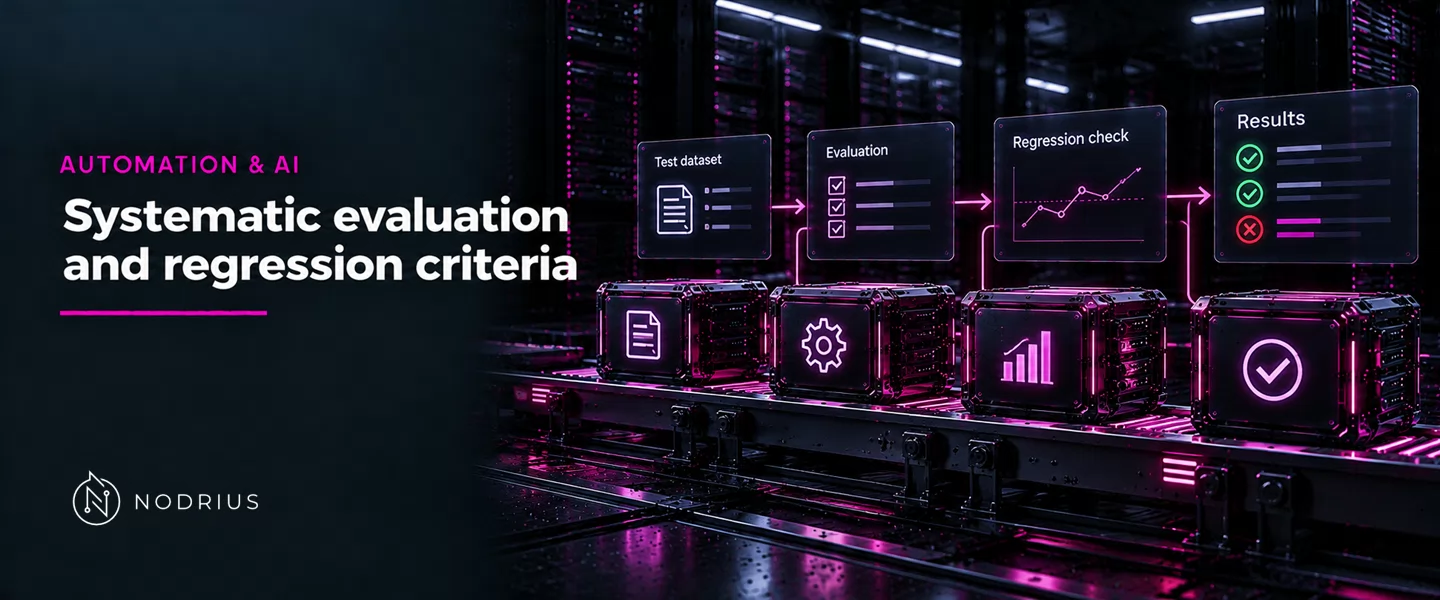
Pick the metric, the judge and the case count before a change is allowed to ship.
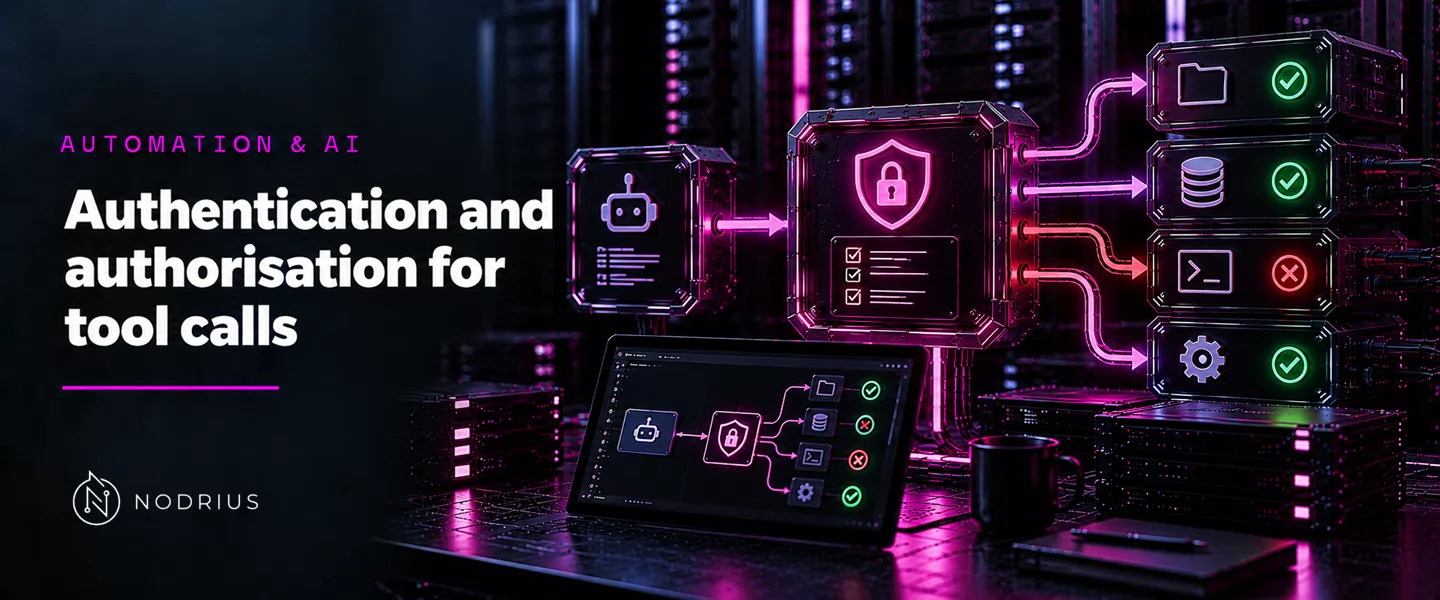
Authentication says who is calling; authorisation says what the call is allowed to do.
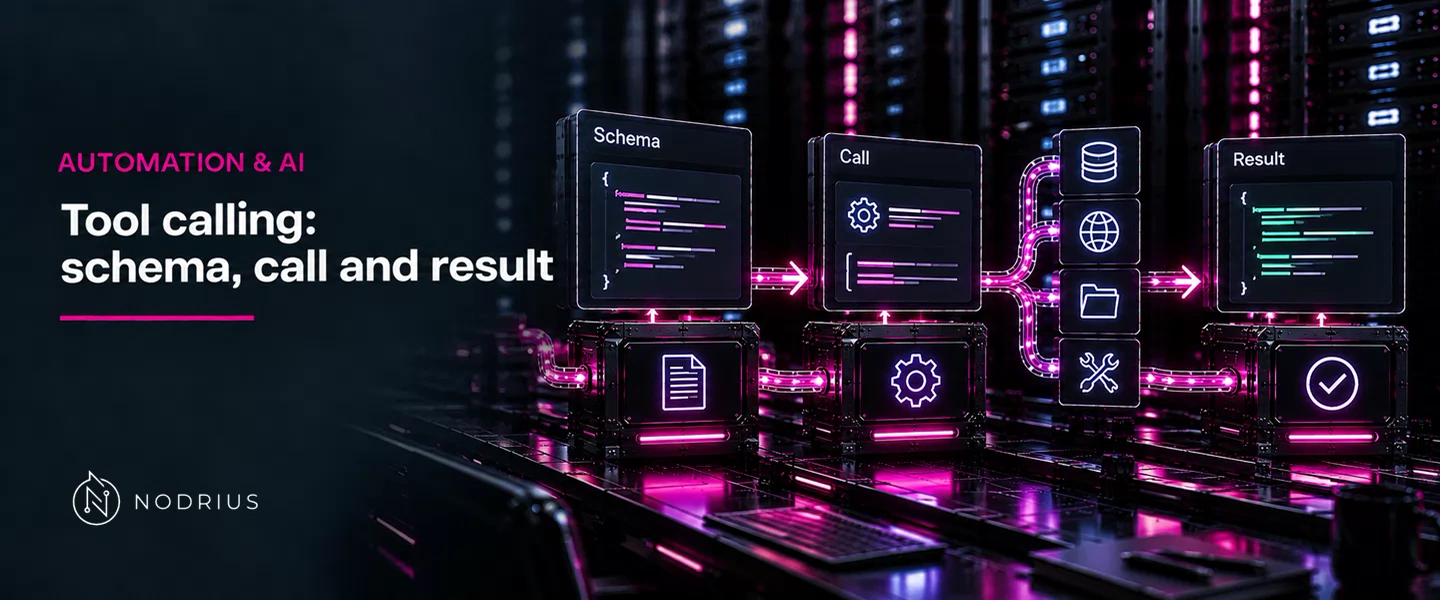
A tool call is a proposal with three artefacts: the declaration, the call, the result.
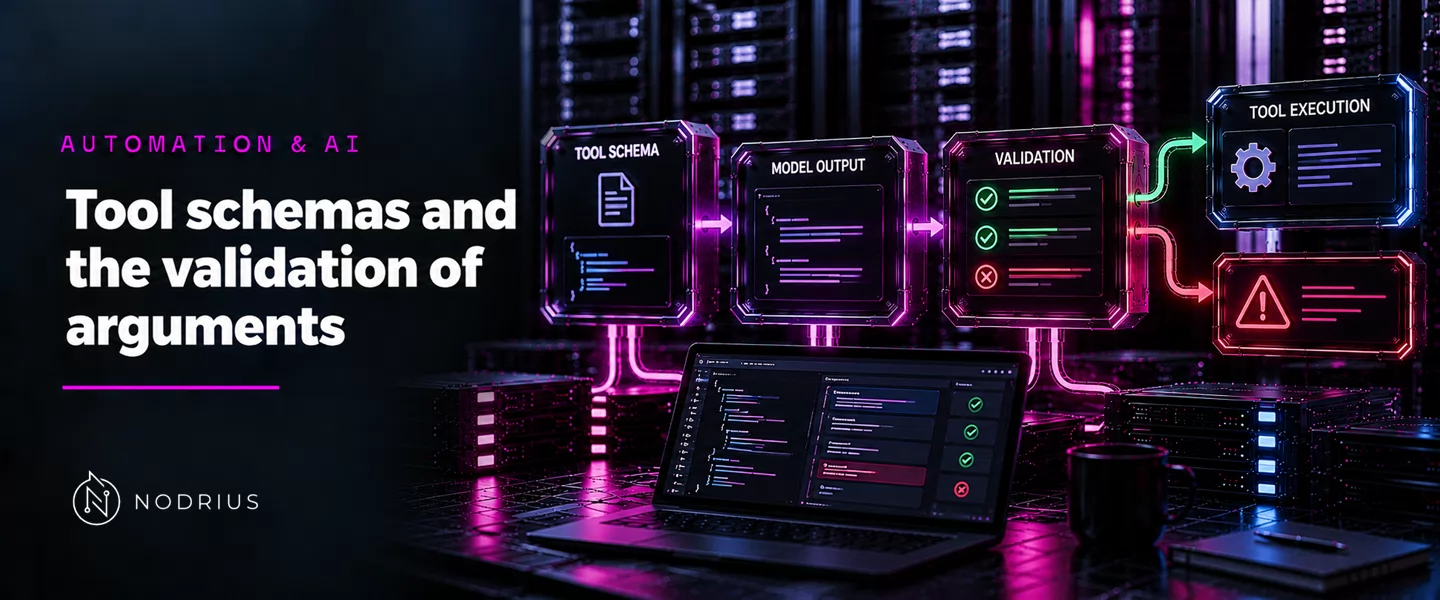
A tool schema steers the model and checks the call — two jobs, one contract.
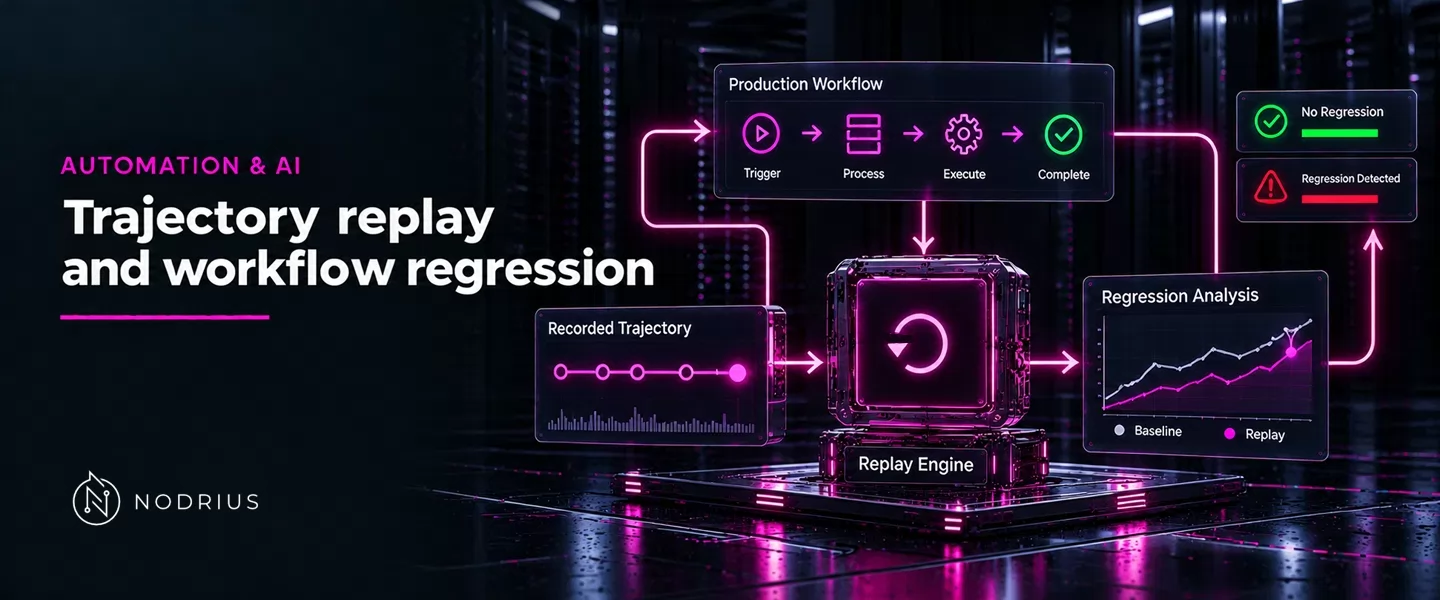
Replaying recorded trajectories to reproduce a workflow and catch behavioural change.
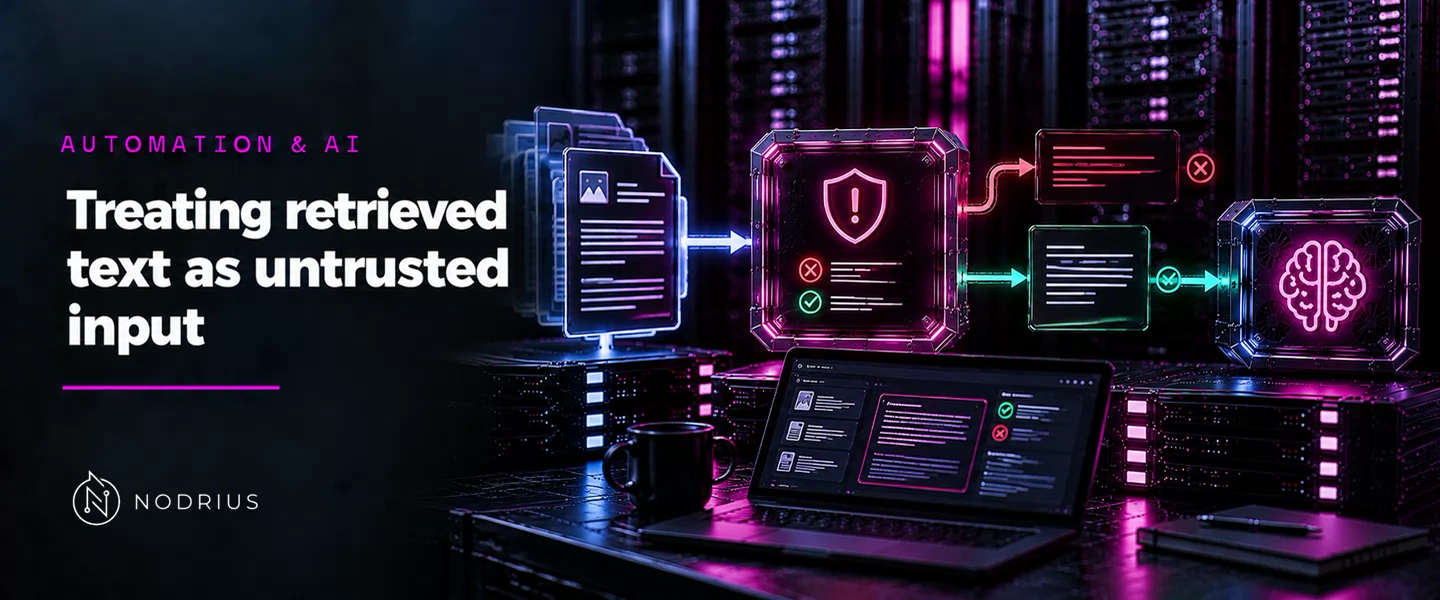
Retrieved documents, web pages and tool results are data the model reads, not commands.
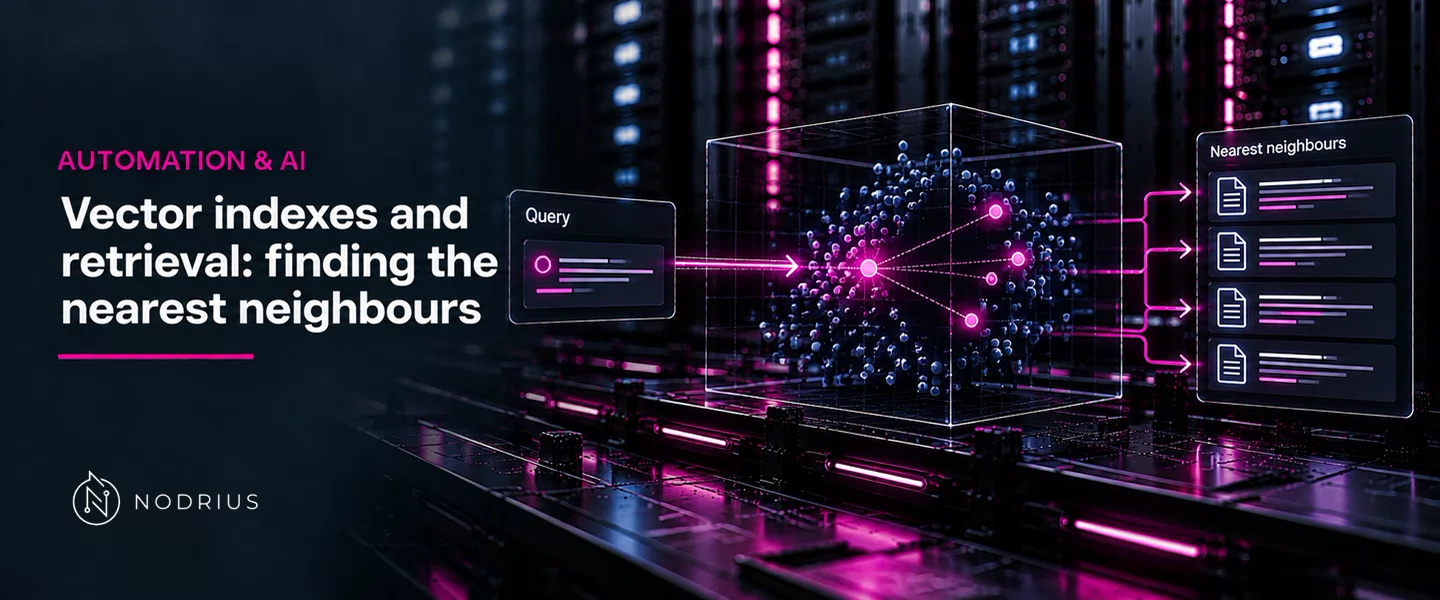
A vector index buys speed by giving up exactness; knowing which one decides its limits.
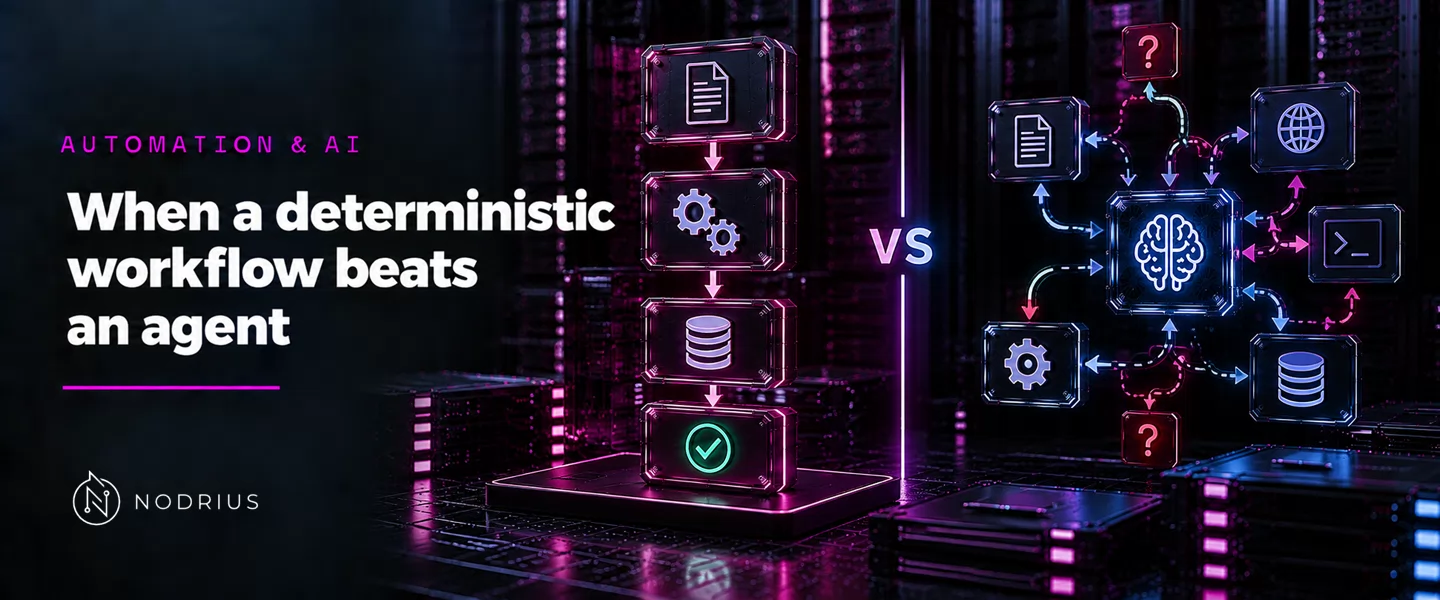
Fixed code paths win when the steps are known; a model loop wins when they are not.
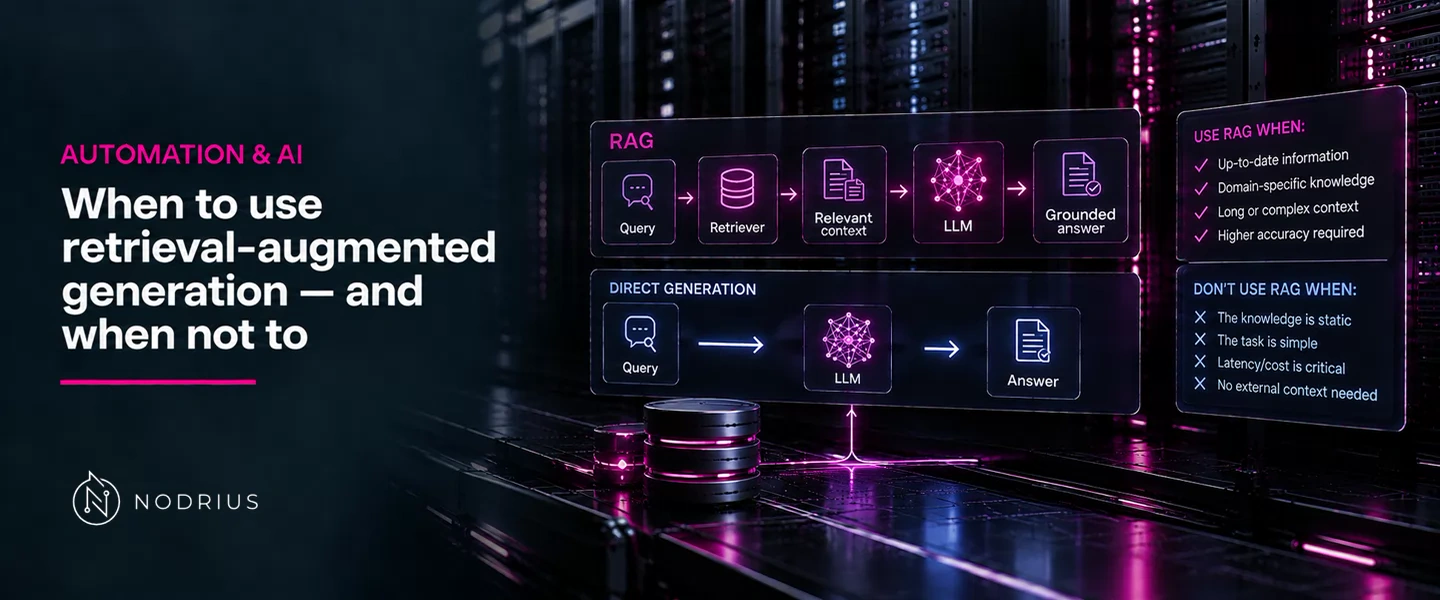
Retrieval fixes access, provenance and staleness — not every weakness a model has.
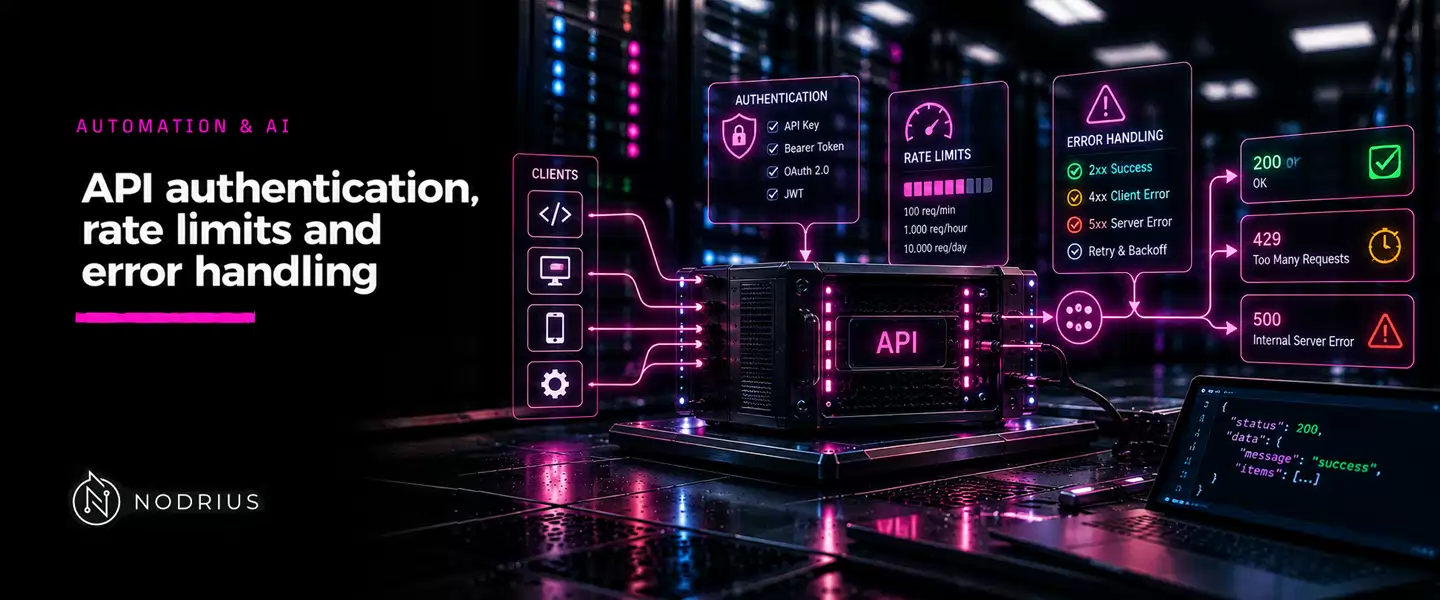
An endpoint refuses a request for three different reasons; the response says which.
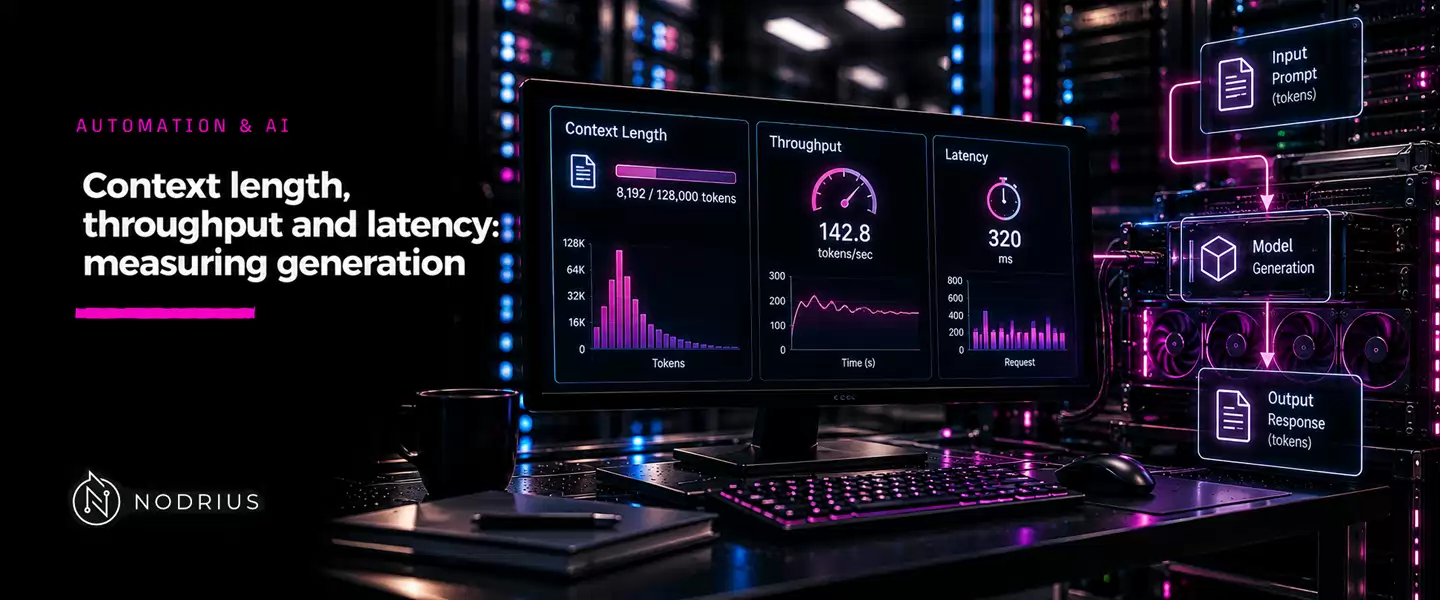
Four numbers describe a generation; none of them means anything without its conditions.
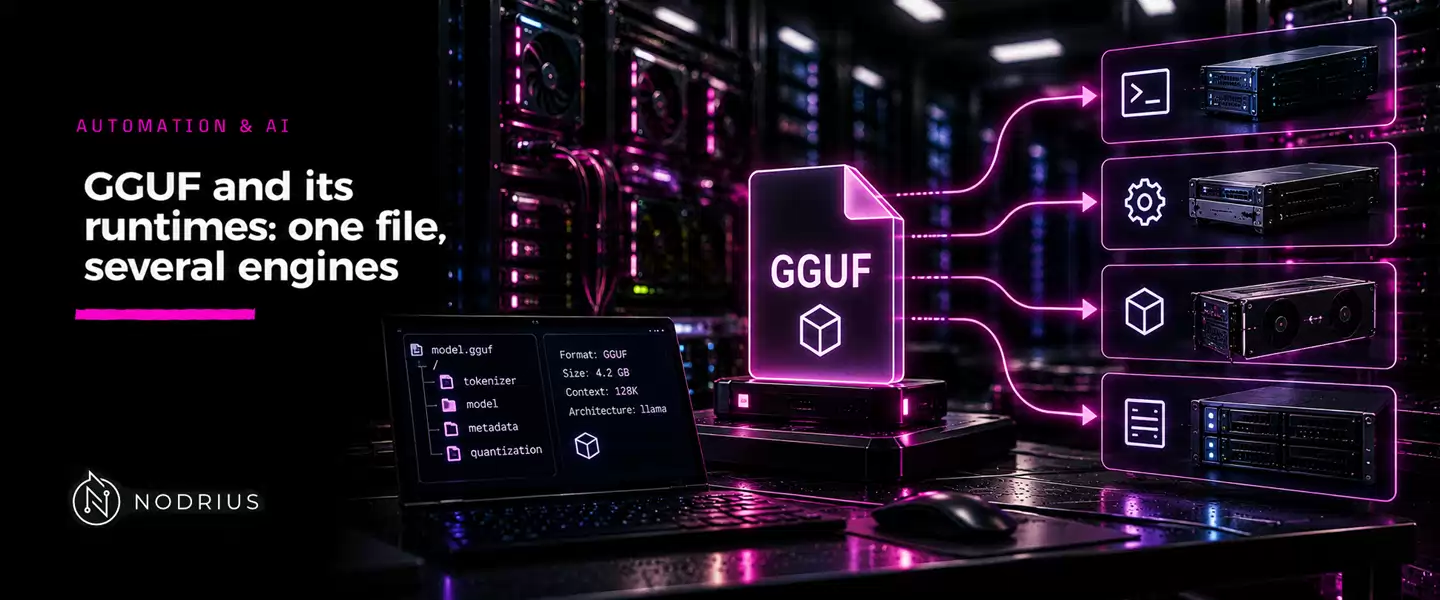
GGUF is a container; which engine reads it, and how, is a separate question.
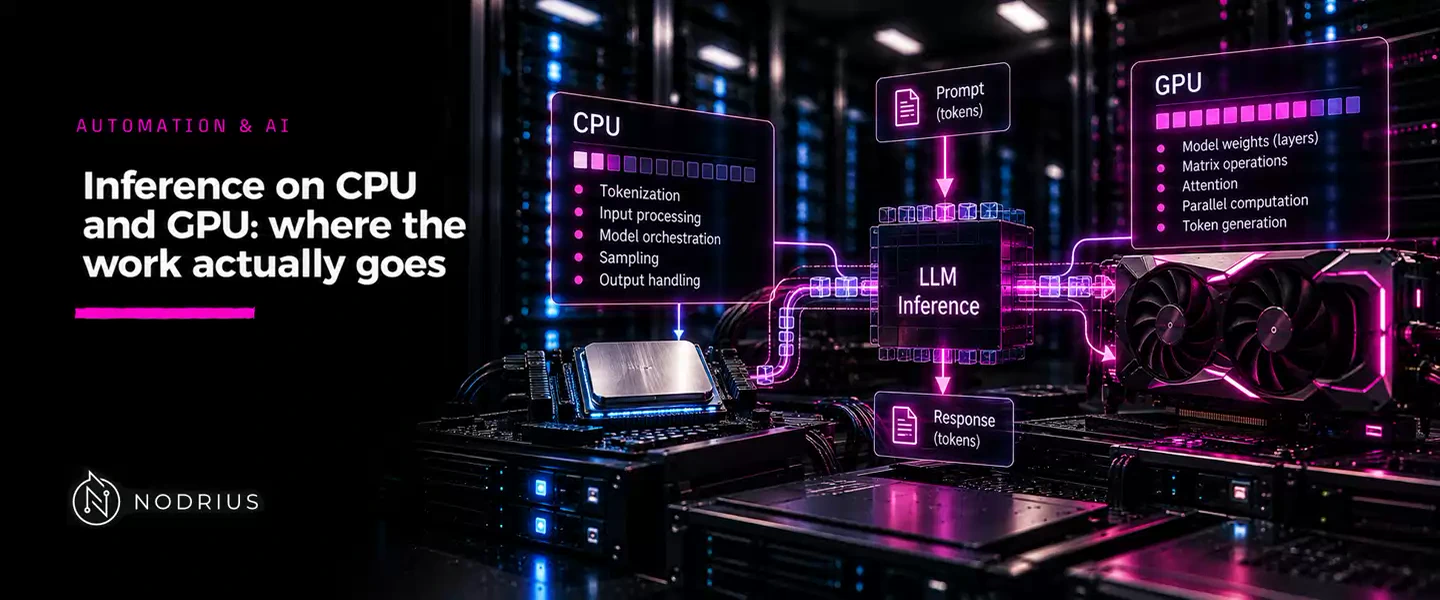
The same model runs on a CPU, a GPU or both; what changes is where the work is done.
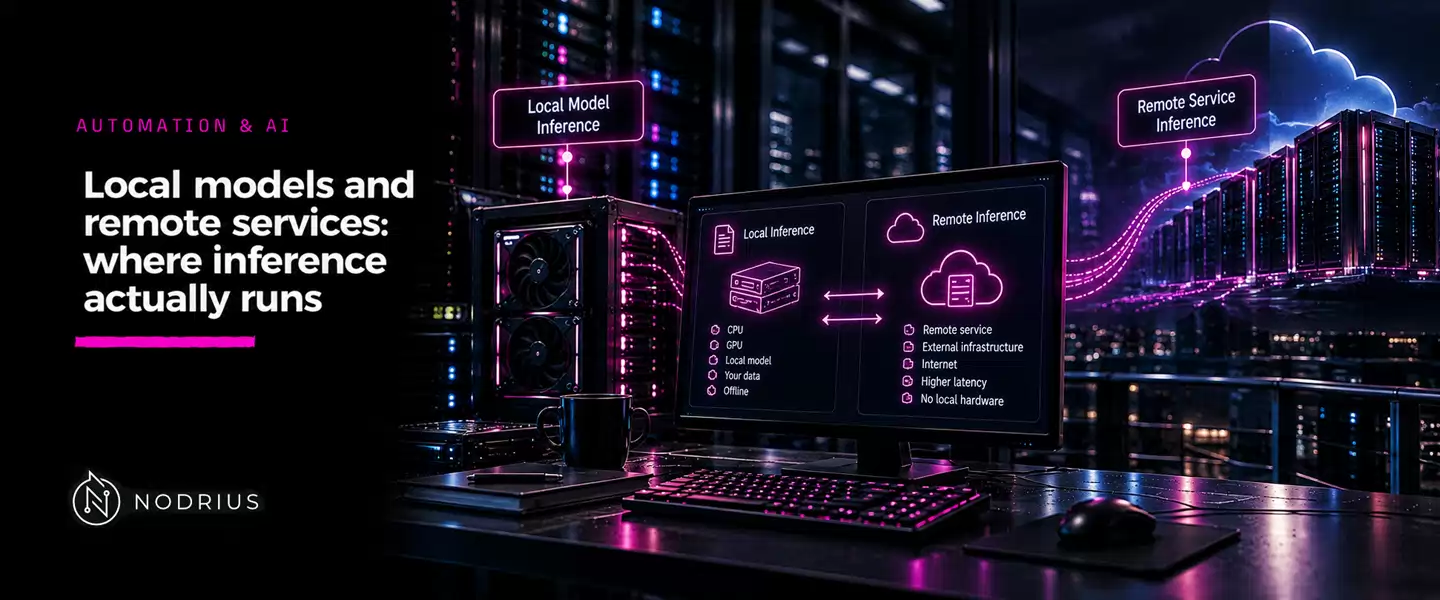
Where the weights sit decides who operates what, and what leaves your machine.
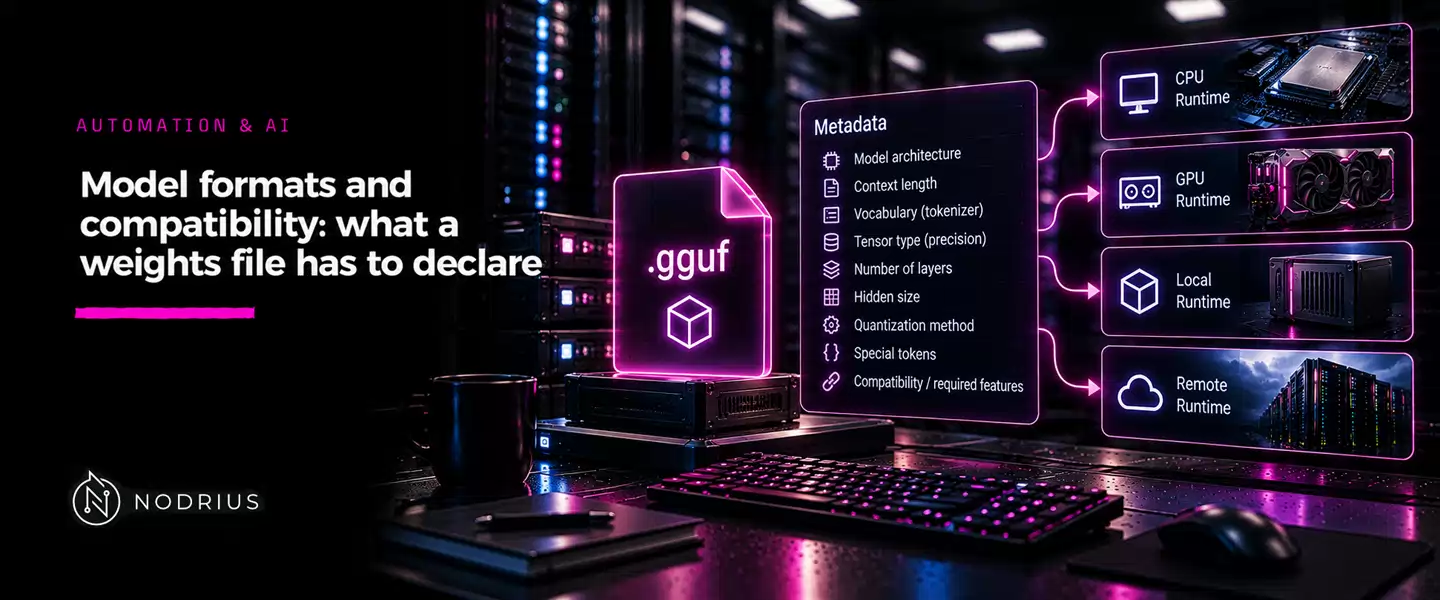
A weights file is not the model: format, architecture and tokenizer must all line up.
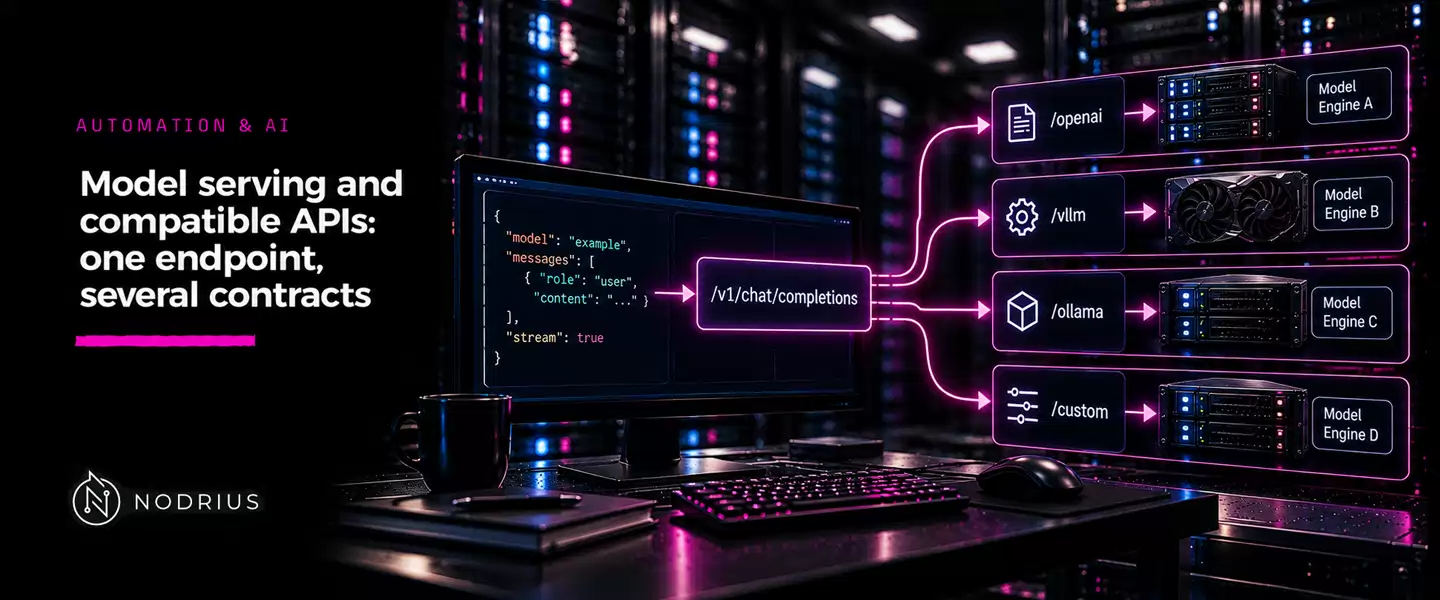
A serving engine adds a queue, a lifecycle and an API surface to a weights file.
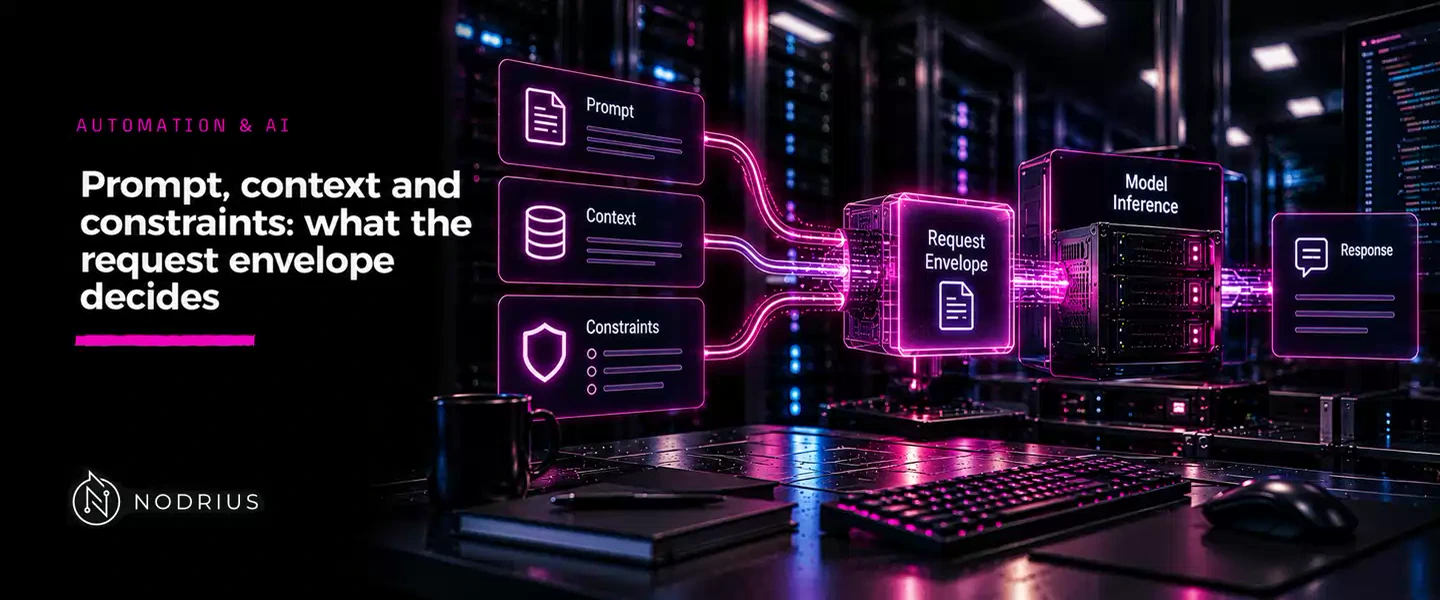
The model sees what the envelope builds: template, budget and stopping conditions.
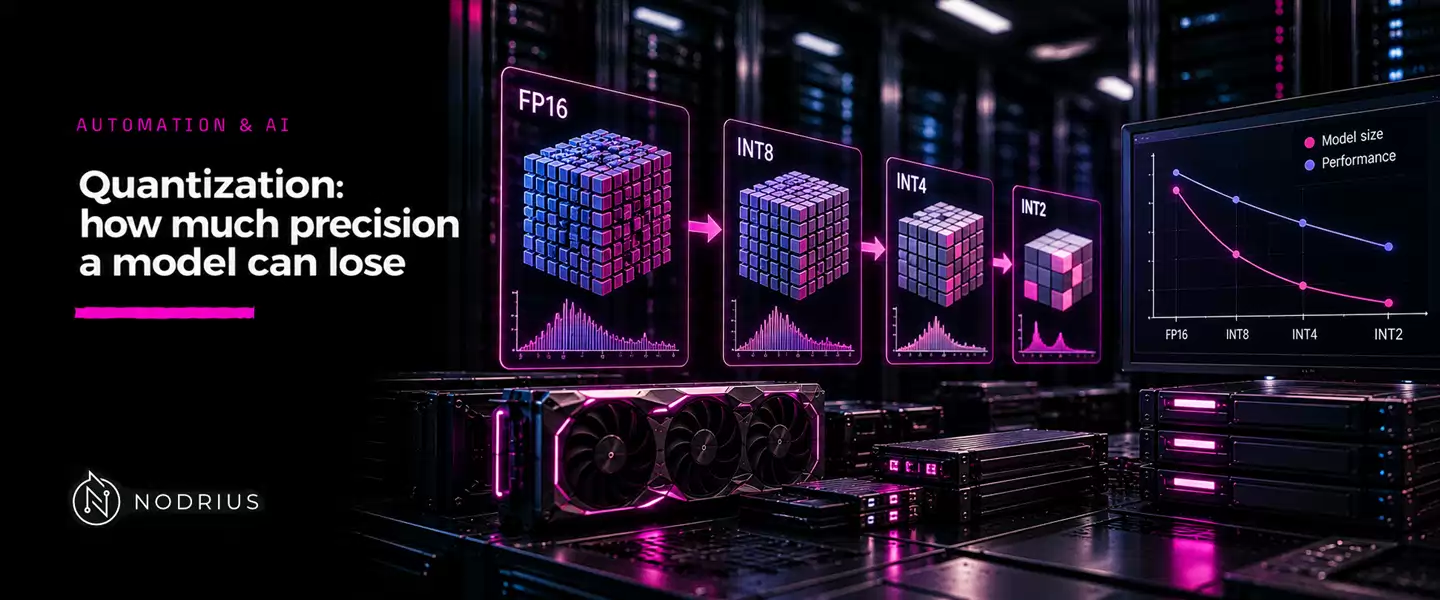
Fewer bits per weight save memory; what that costs in quality must be measured.
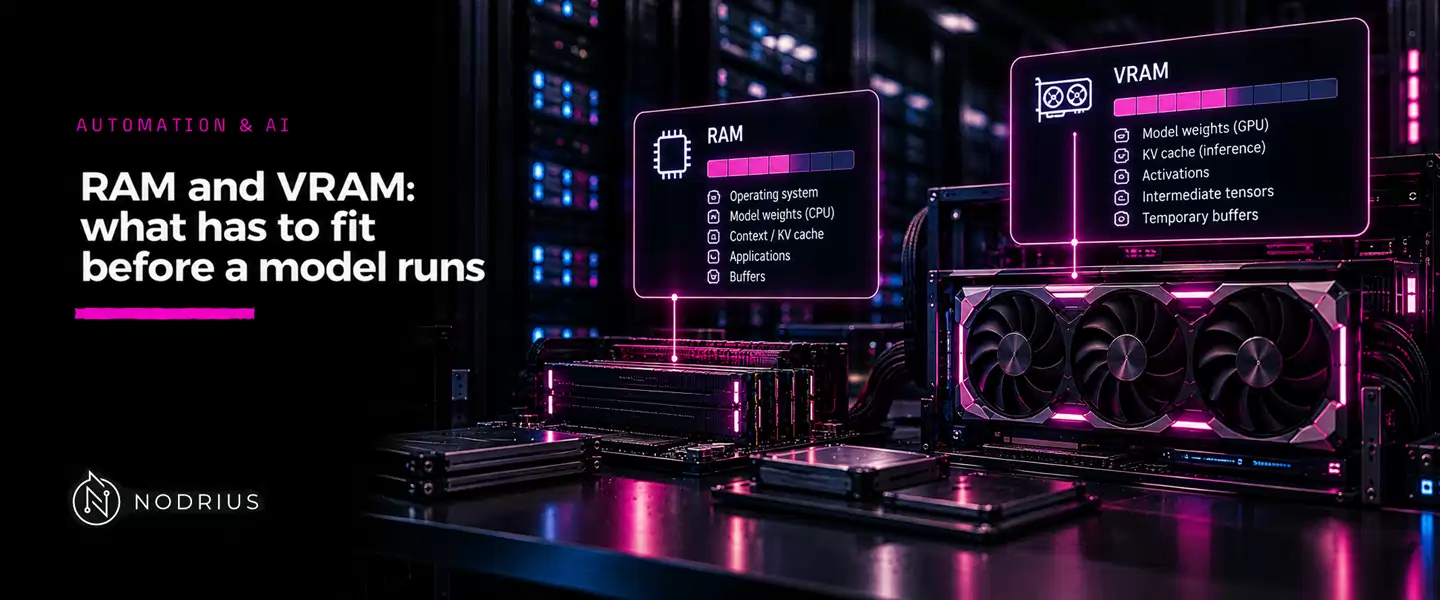
Weights, KV cache and working memory compete for the same pool; fit is arithmetic first.

Two families of sensitive material: the credentials you use and the content you send.
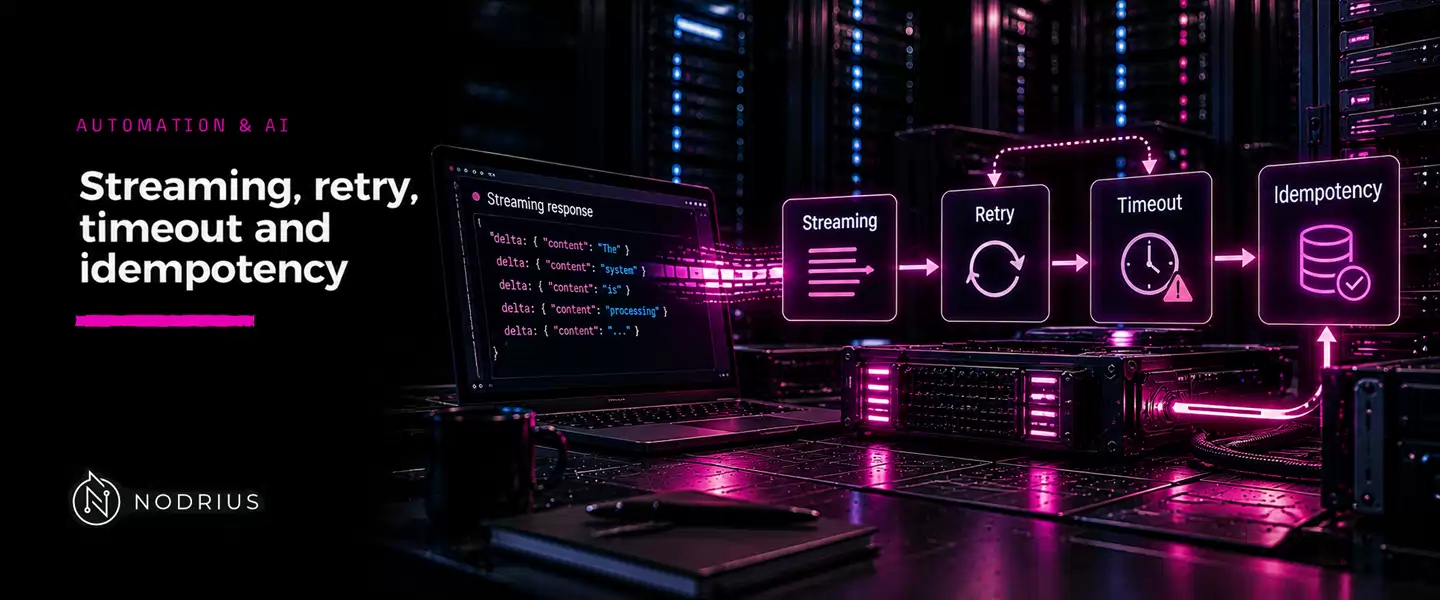
Streaming changes when you know; idempotency decides whether you may ask again.
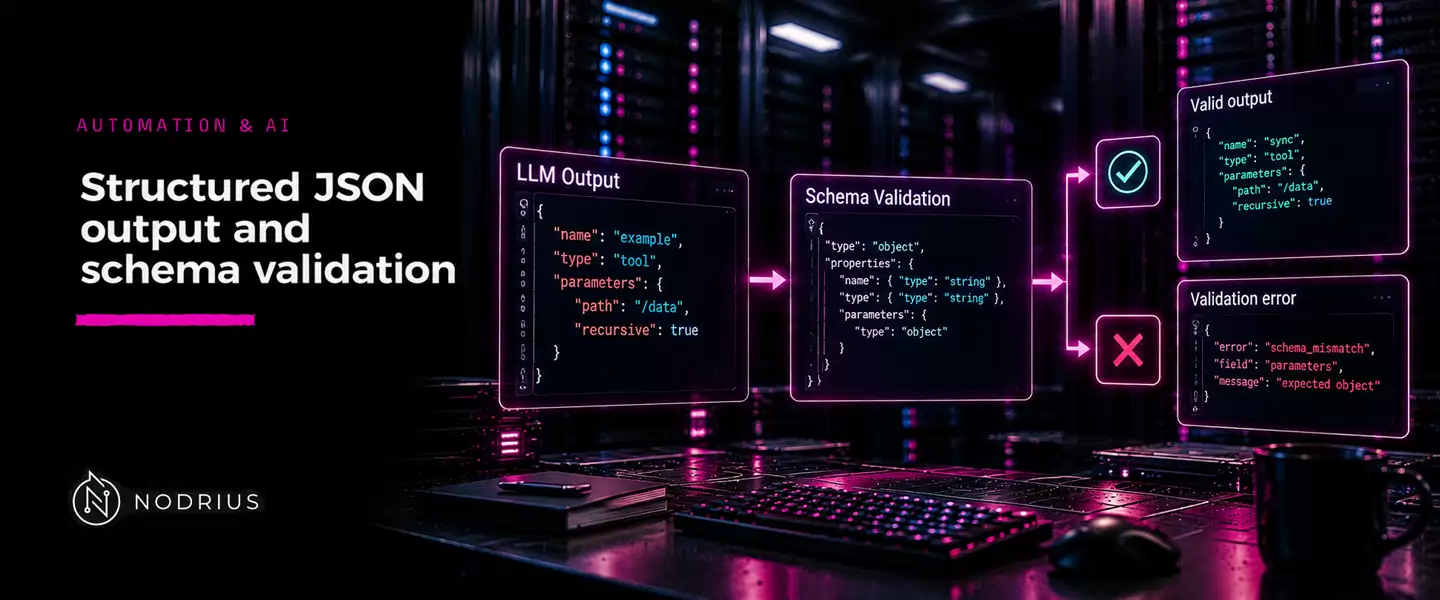
Asking for JSON and constraining the decoder to JSON are two different guarantees.
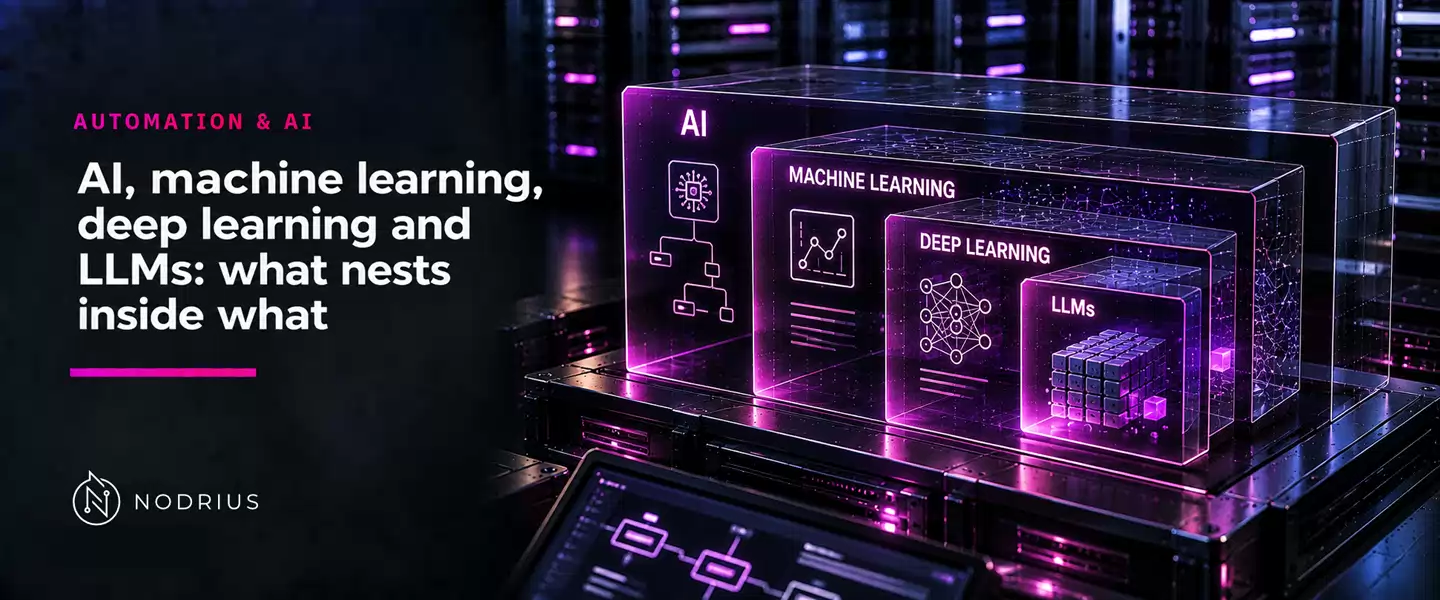
How AI, machine learning, deep learning and LLMs nest — and what each term does not imply.

A shared token budget, not durable memory: what the window is and where it runs out.
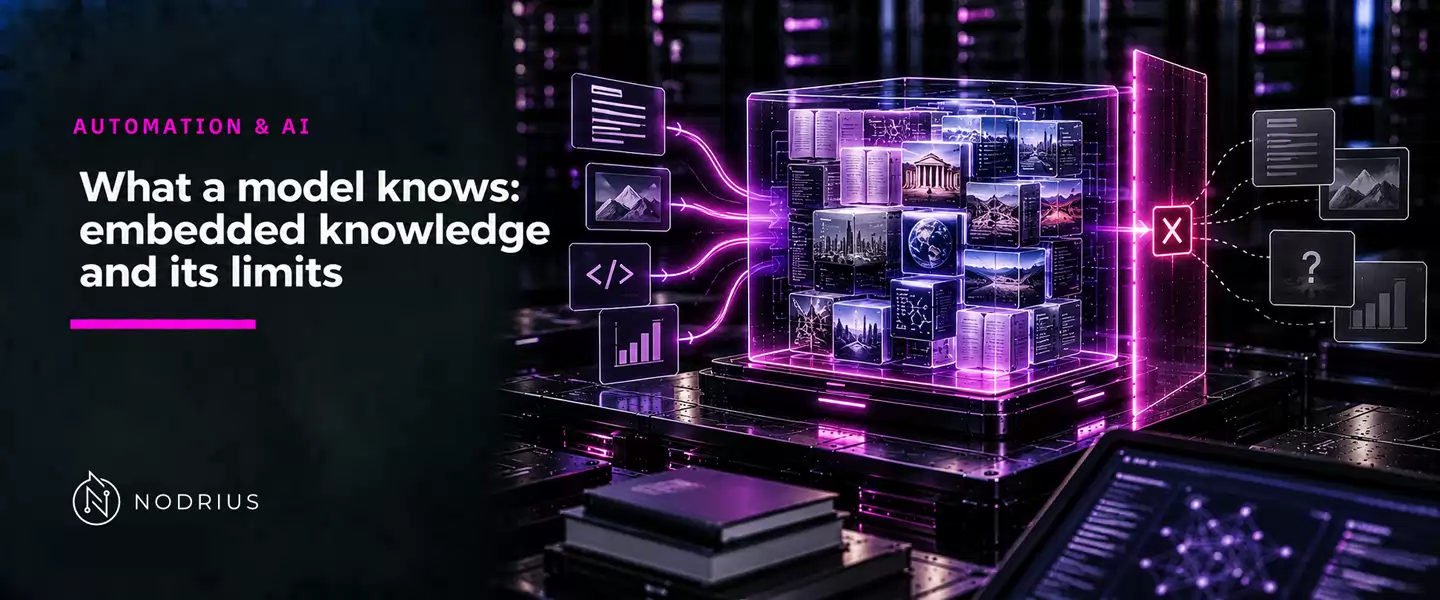
What sits in a model's parameters, what its training cutoff freezes, and what you supply.
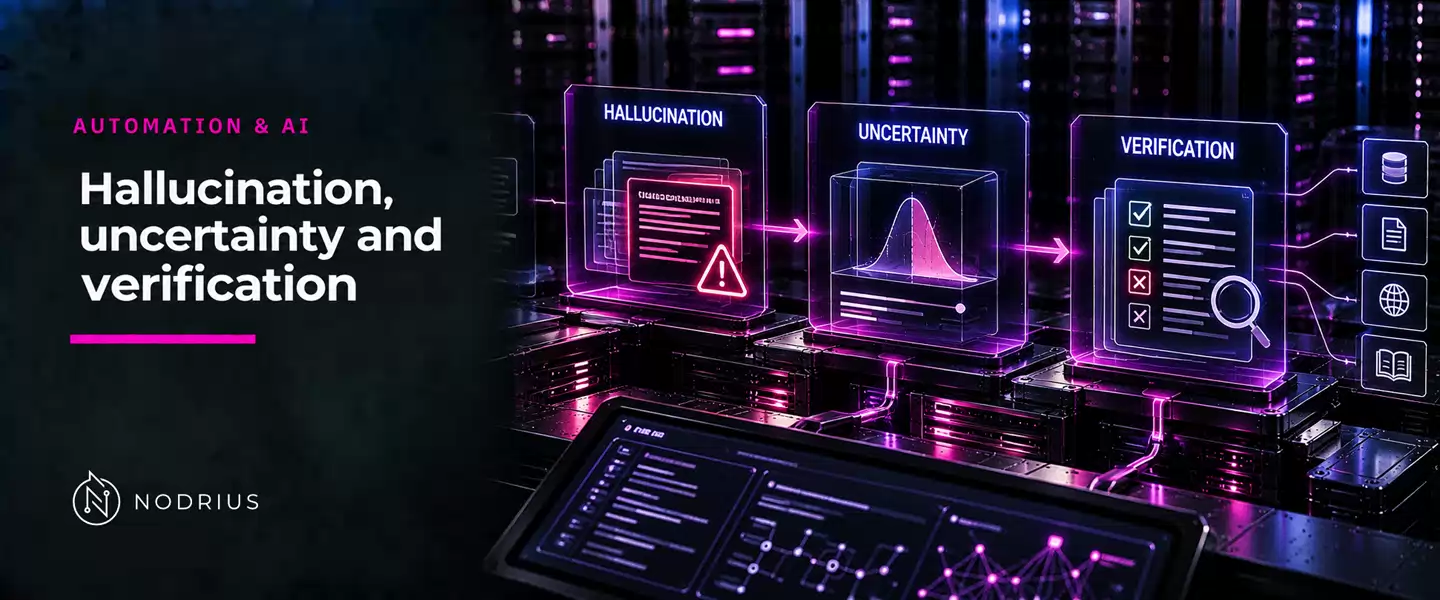
Why a fluent model answer can be false, and what checking it actually requires.
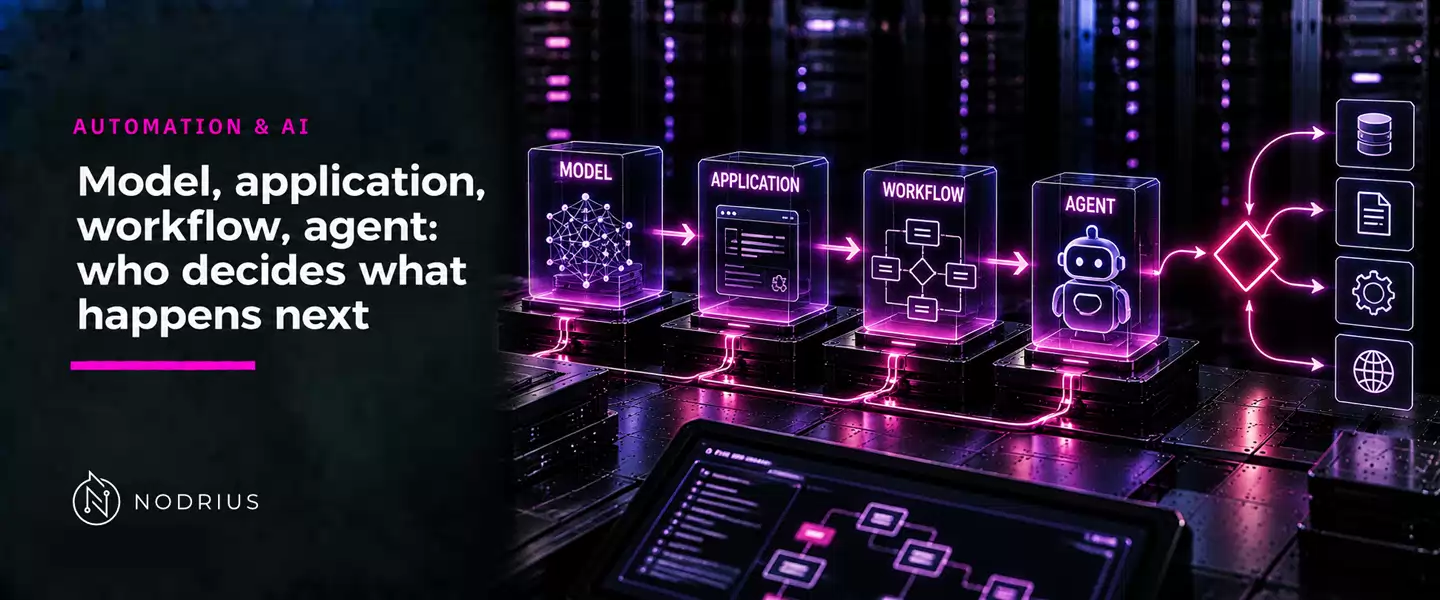
Who chooses the next step: the model, the application around it, a workflow or an agent.
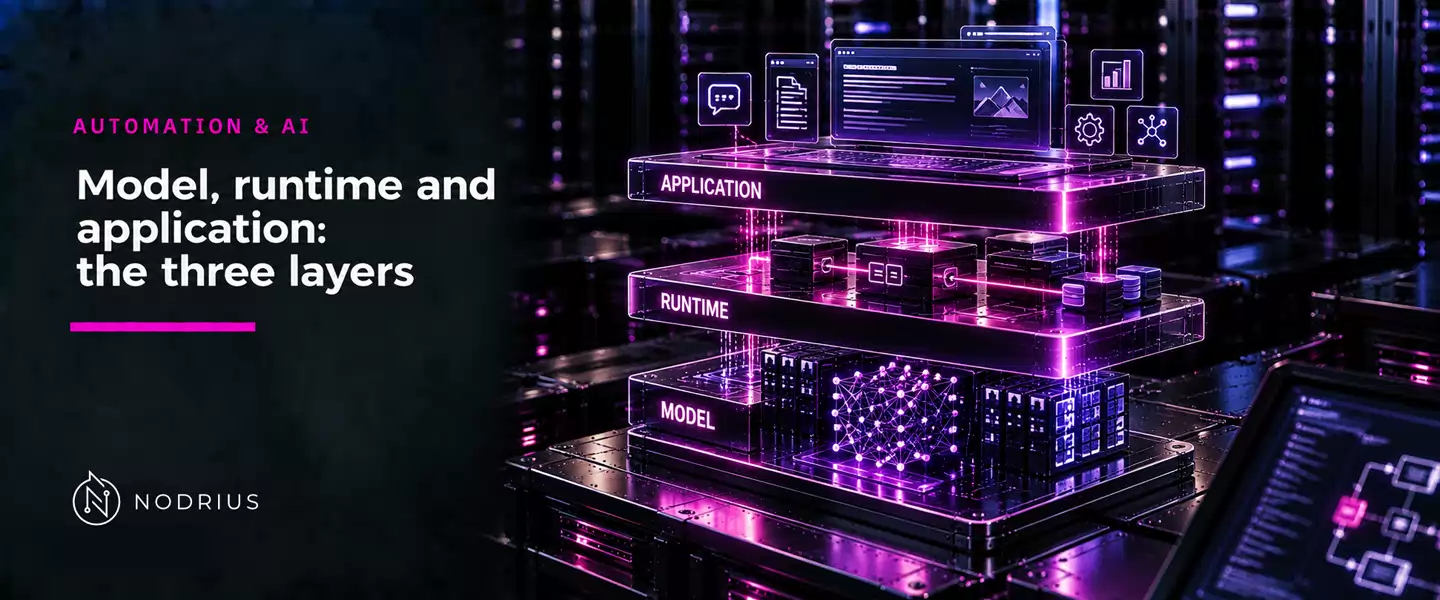
The model file, the engine that runs it, the product around it — and what a symptom means.
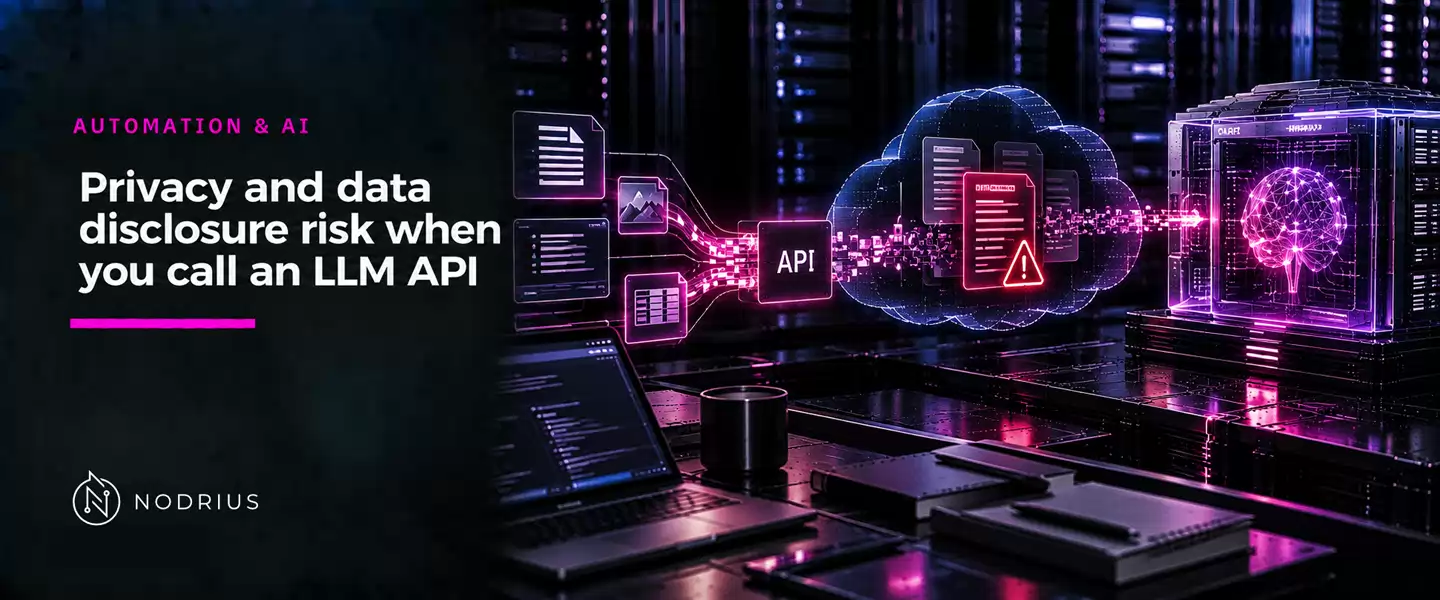
What leaves your machine on an API call, what may come back, and the rules that follow.
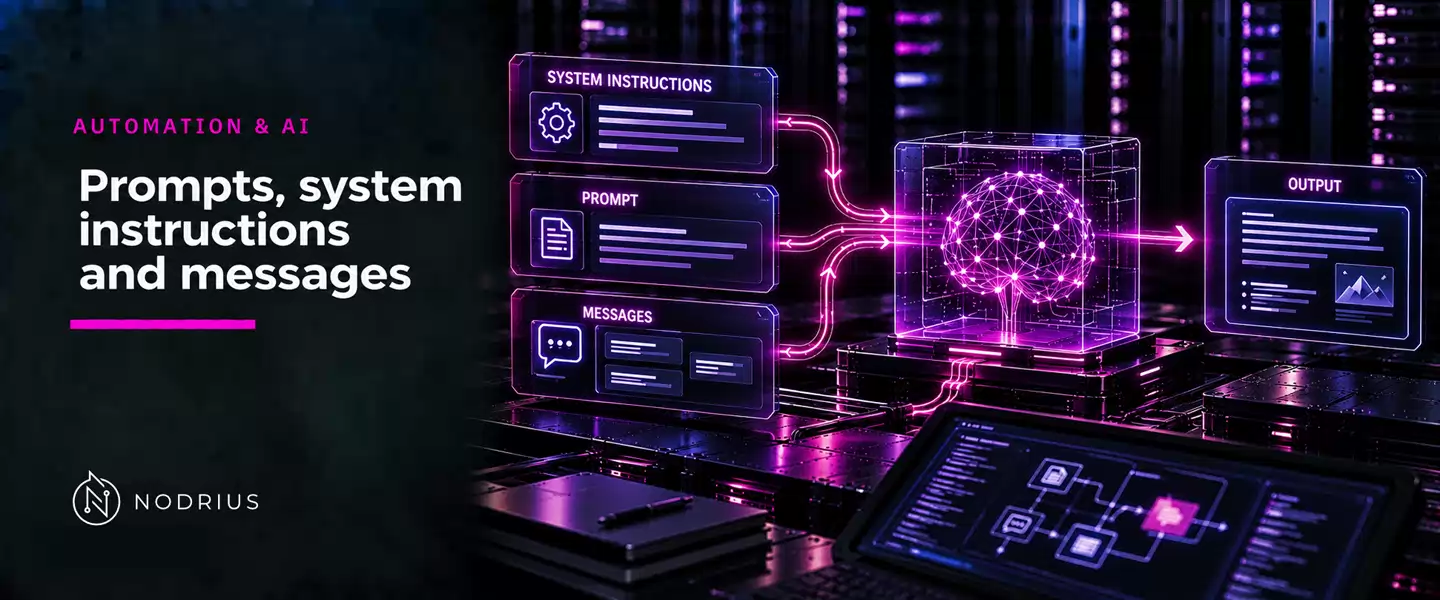
What a prompt and a system instruction are, and why an instruction is not a control.
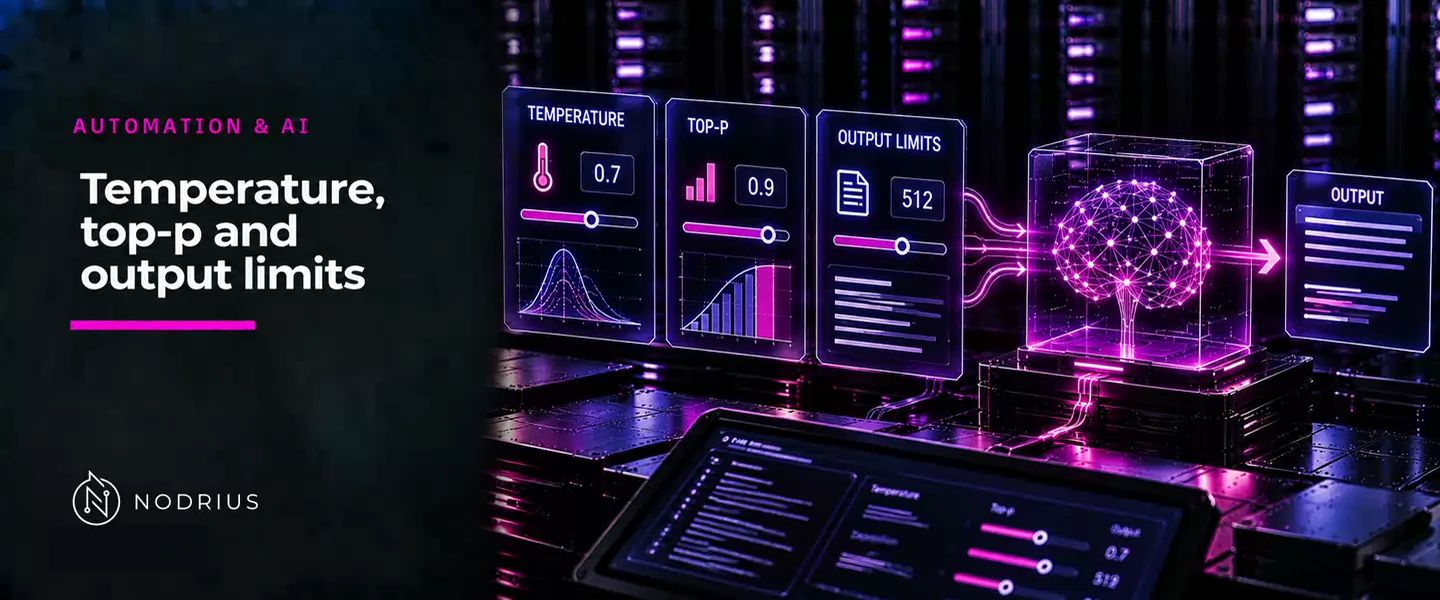
How one token is chosen out of a distribution, and what a token limit actually bounds.
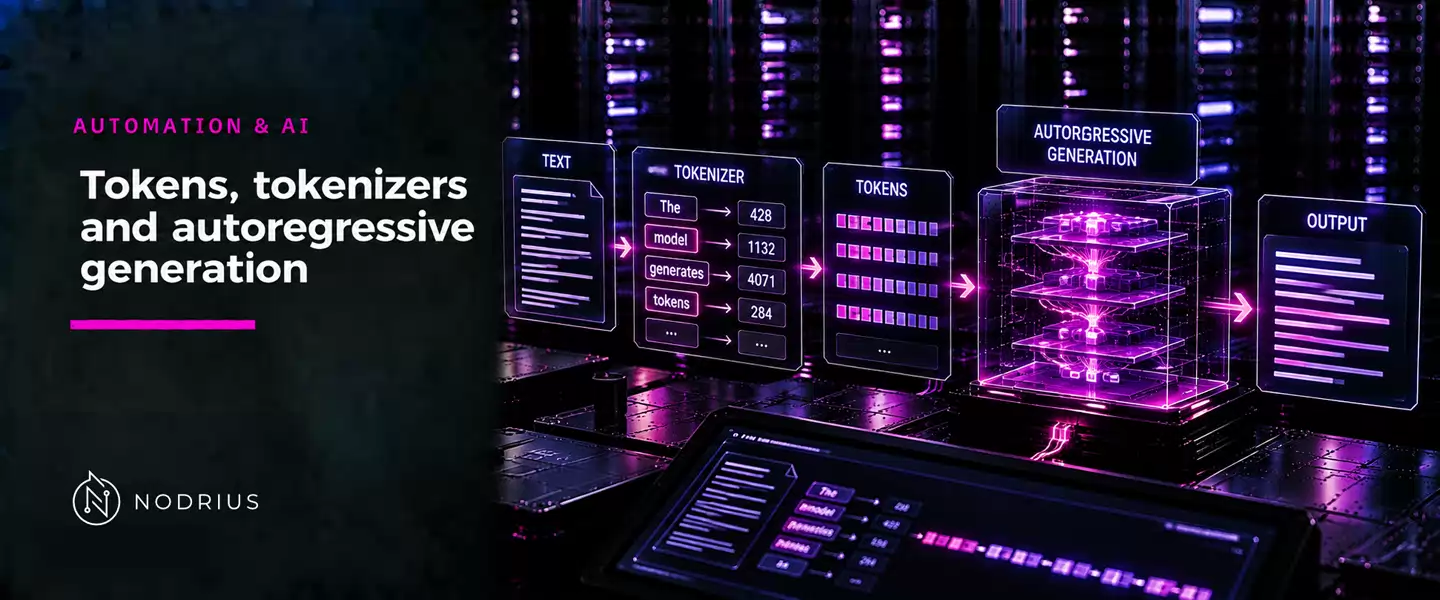
Why text becomes tokens, what a tokenizer and vocabulary are, and how generation works.