
Articles
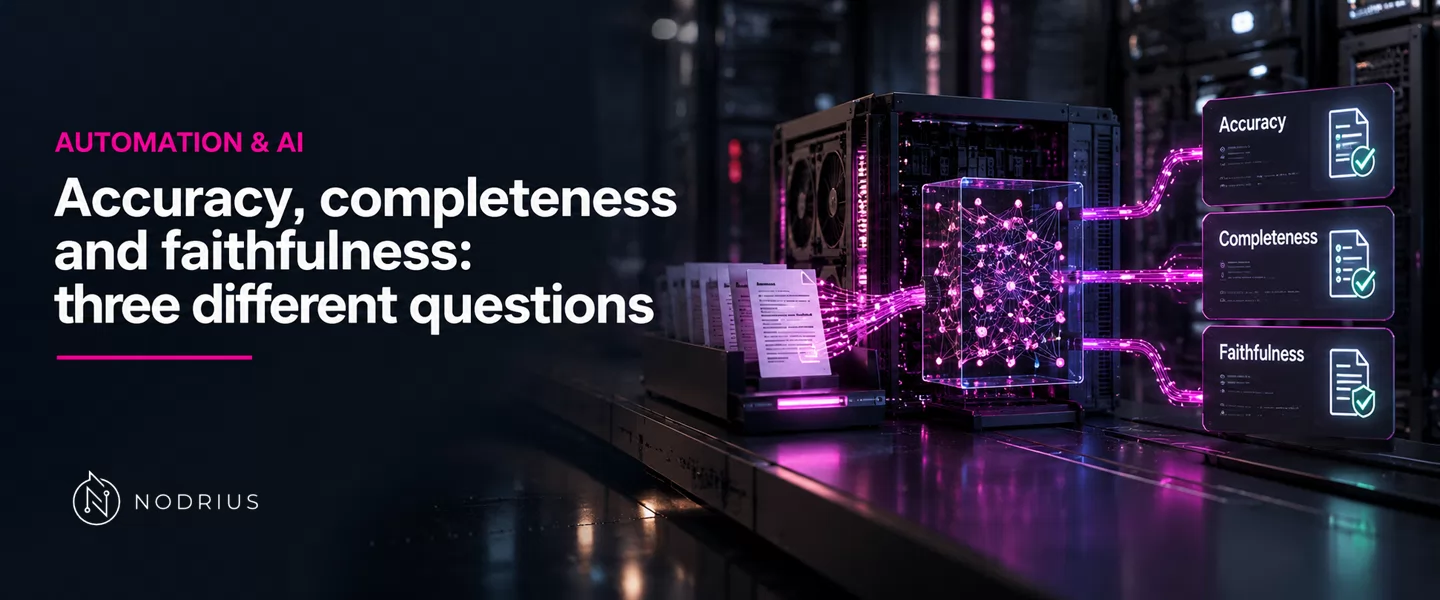
Accuracy, completeness and faithfulness: three different questions
Grounded in the sources, true, and complete are three separate things to measure.
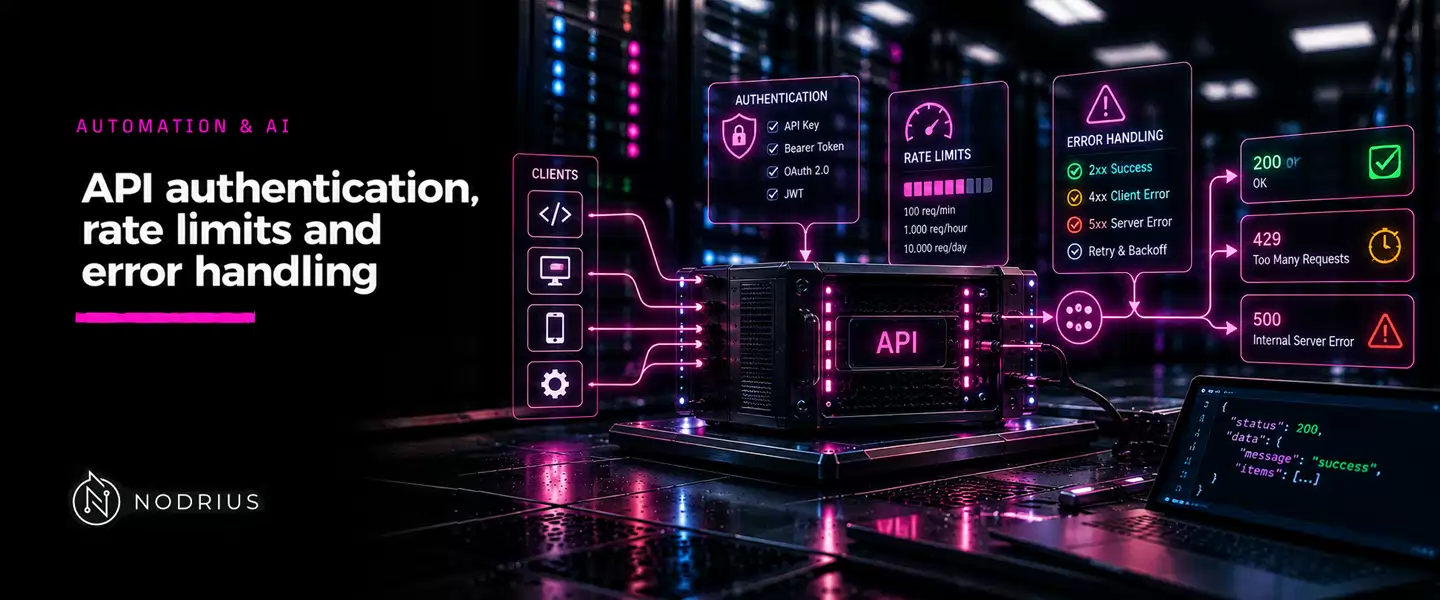
Running LLM features for real: API authentication, rate limits and error handling, secrets, and the privacy risk of sending data to a model.
Grounded in the sources, true, and complete are three separate things to measure.

Why prompt-only guardrails are not a boundary, and what adversarial testing can prove.

The record an agent leaves is the only thing that makes its actions reviewable.
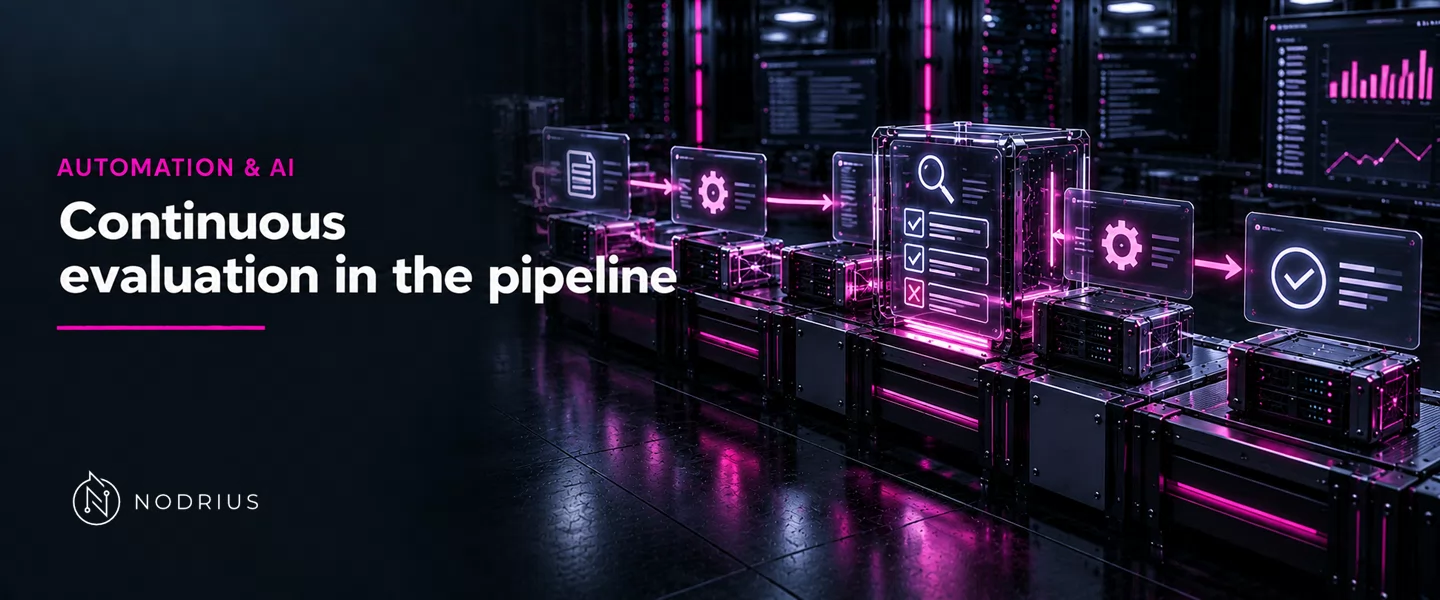
Run evaluations on every change, and decide which ones may block a release.
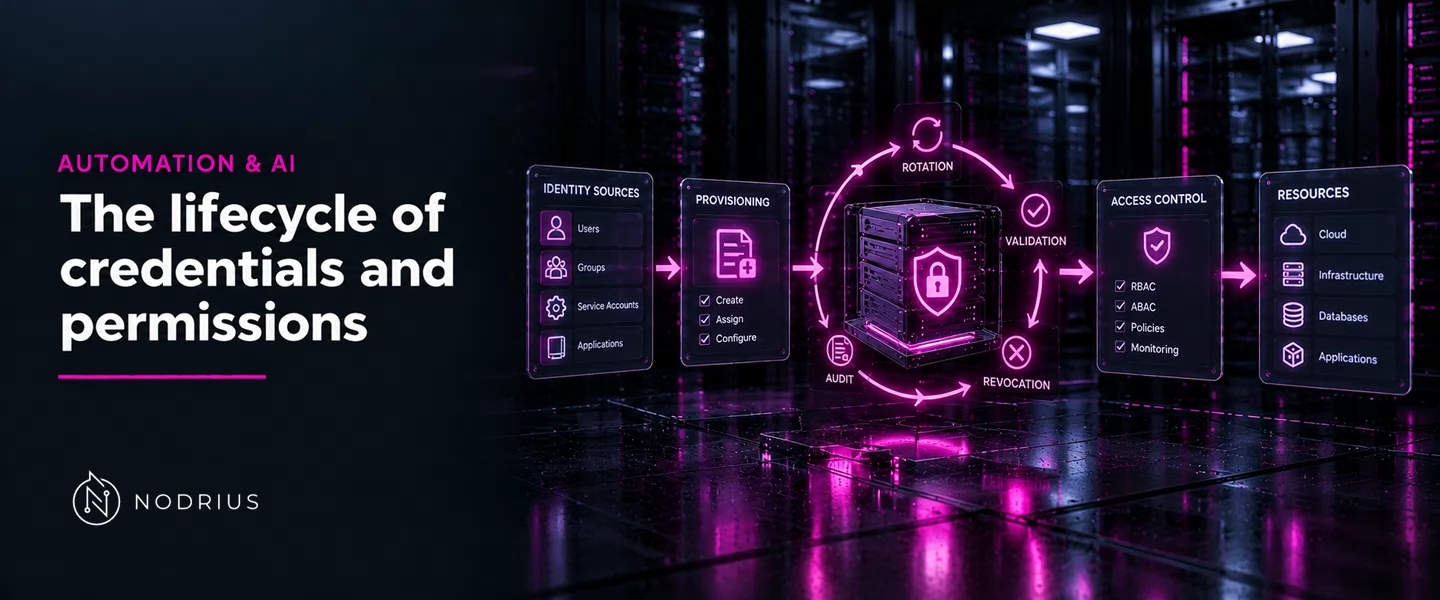
A credential is delegated authority with an expiry: issue, scope, rotate, revoke, audit.
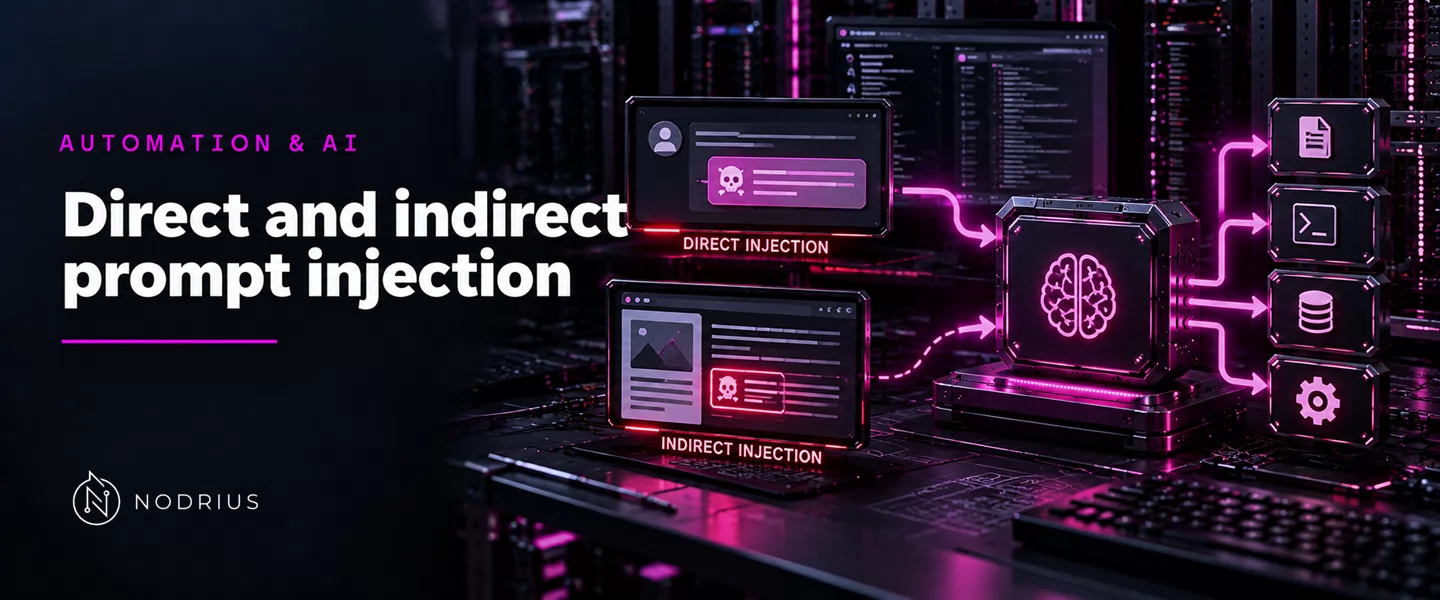
One weakness, two attack paths: the instruction comes from the user, or from the content.
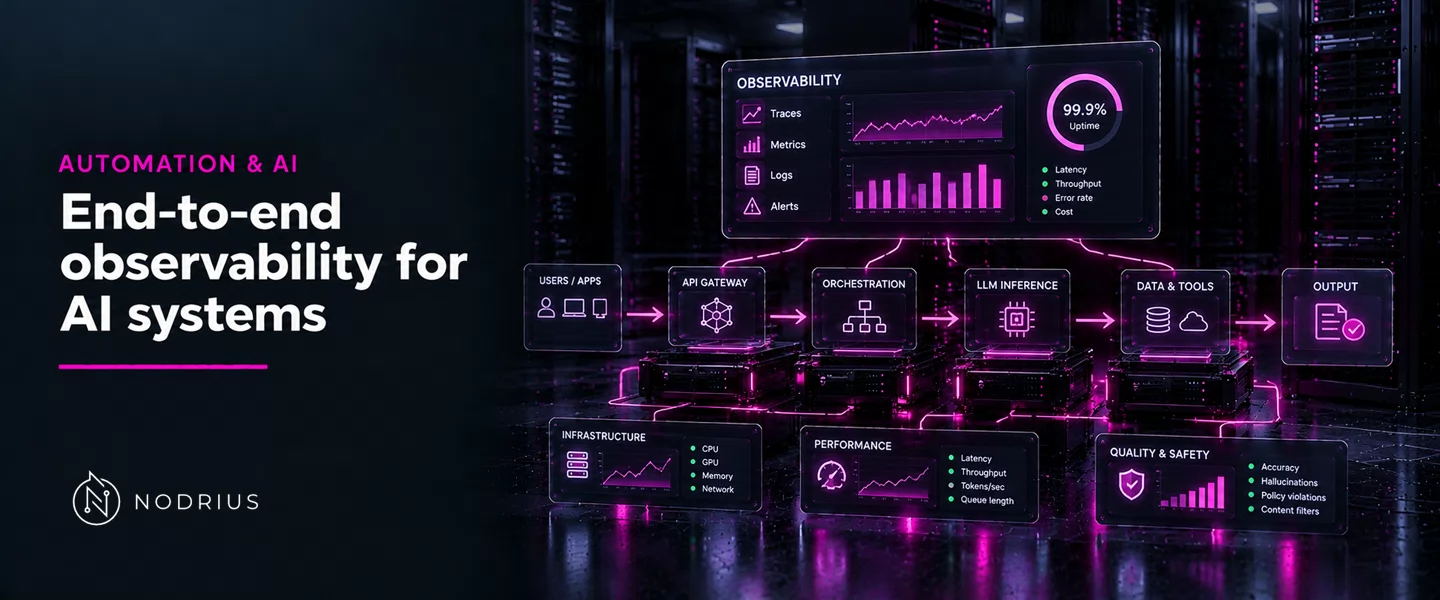
Signals, spans and correlation for AI requests — and the honest limits of telemetry.
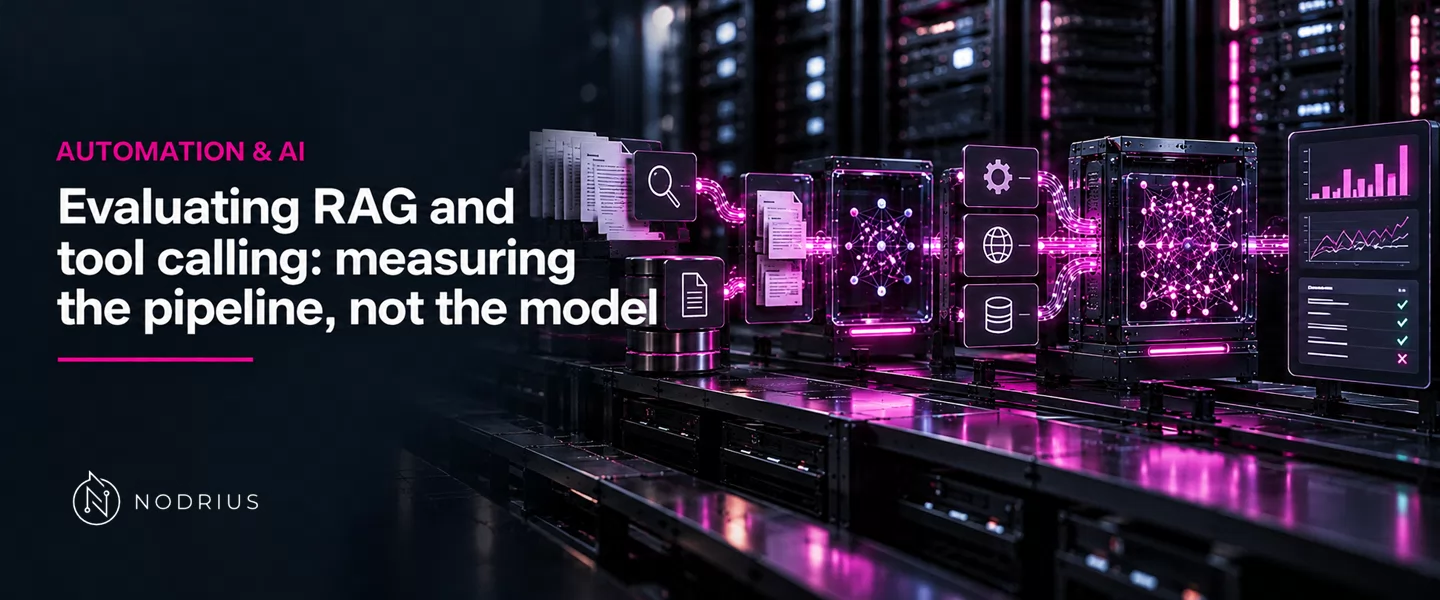
Component metrics, model judges and human checks each measure a different part.
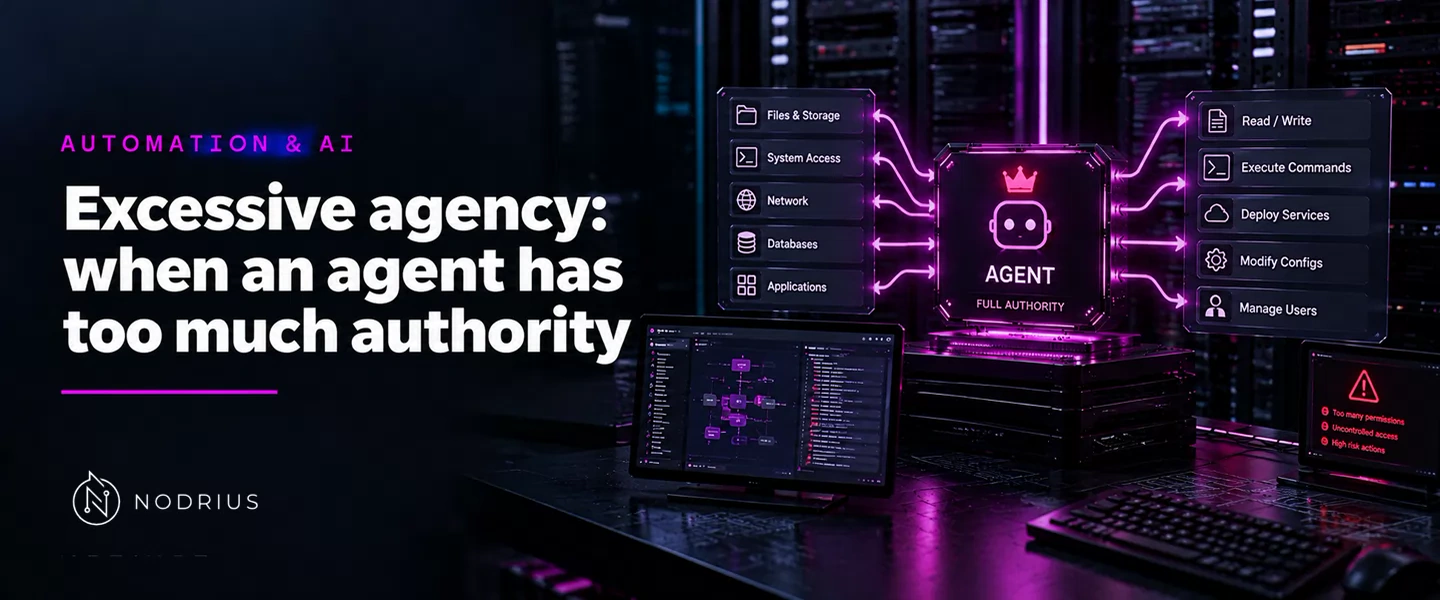
Excessive agency is the authority an agent holds, not the mistakes its model makes.

Deny by default, then allow only what is named: the policy governing an agent’s calls.
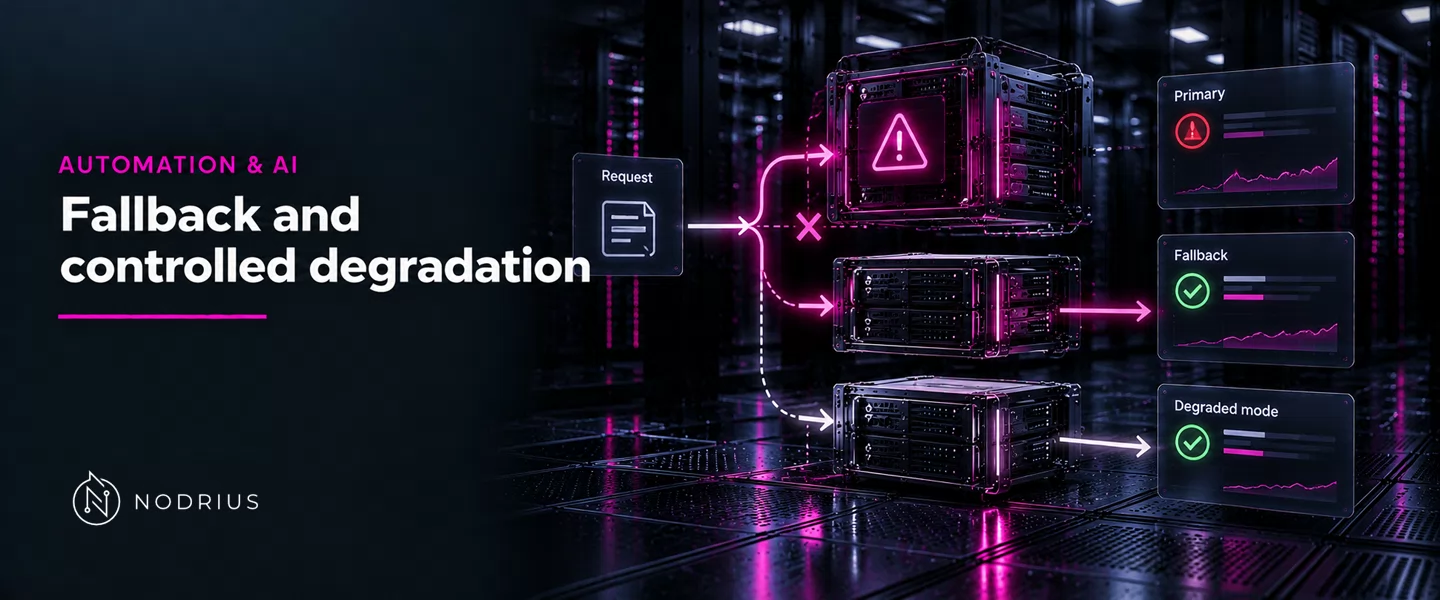
When a dependency fails, degrade the answer on purpose — or refuse, never pretend.

Insert a human decision before an agent takes an irreversible, high-stakes action.
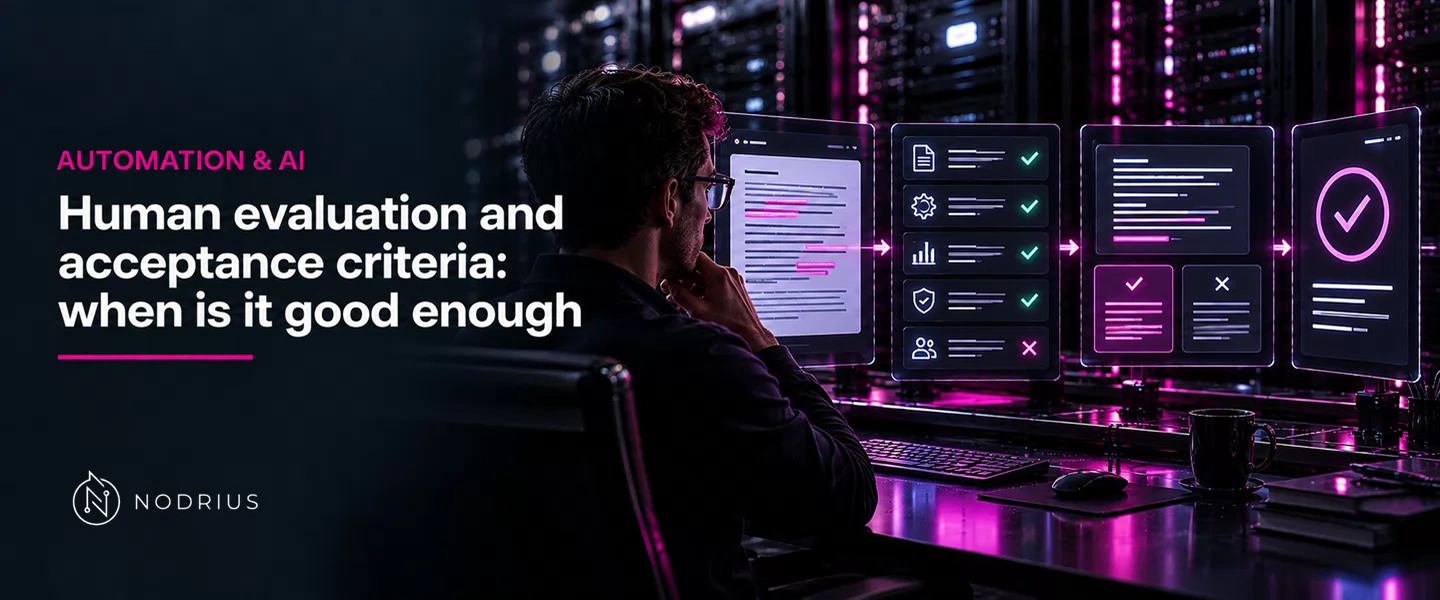
Metrics measure change; humans set the threshold, and it must exist before the number.
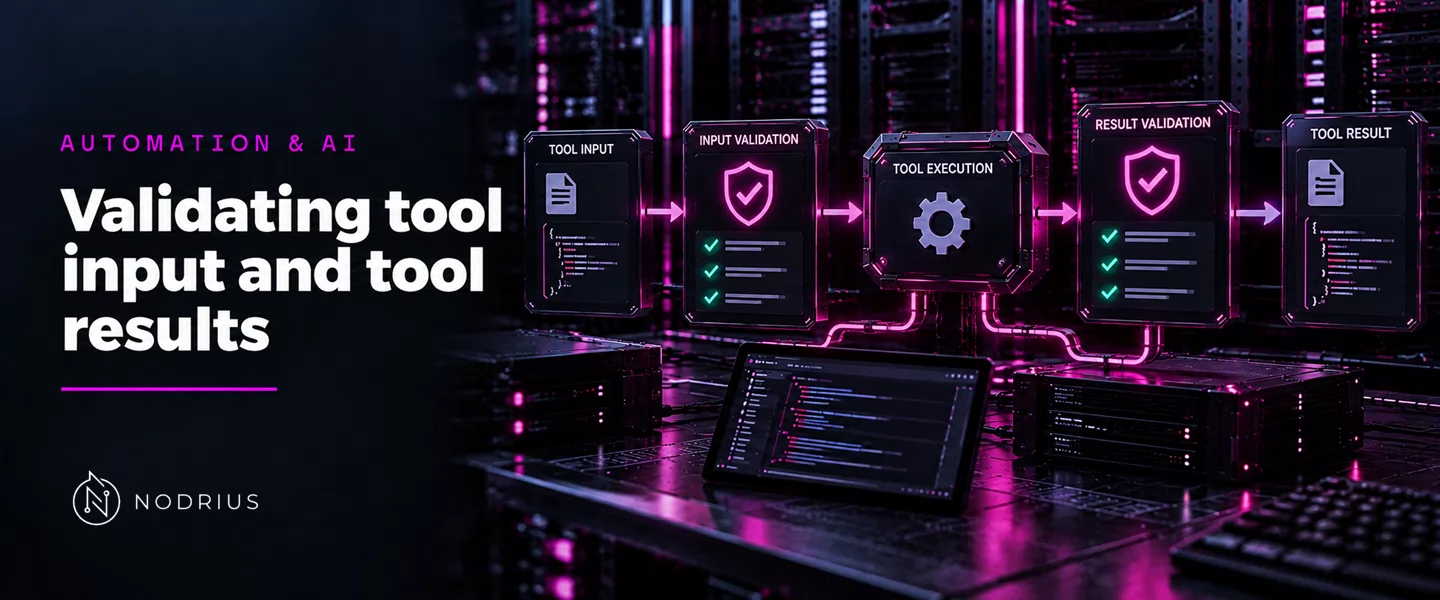
Every tool call has two trust boundaries — the arguments in and the results out.
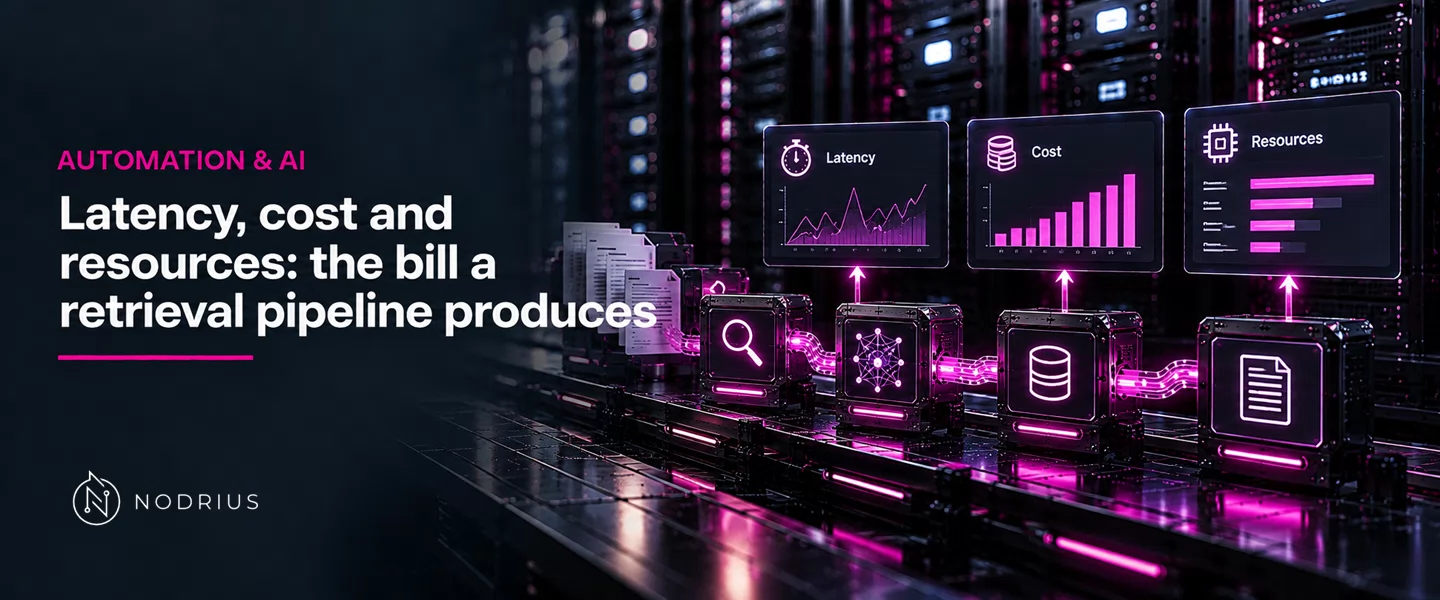
Every retrieval step adds latency and tokens; caching is the lever and it has limits.
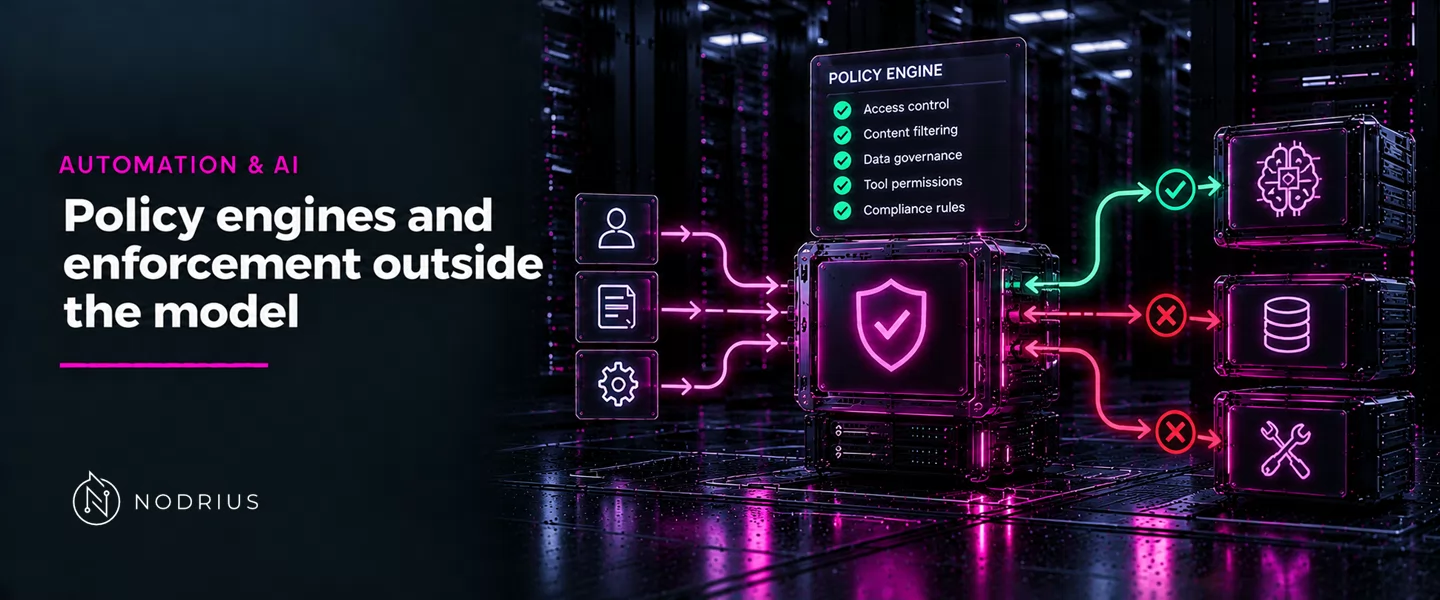
Enforcement belongs in code the model cannot argue with, not in the prompt it follows.
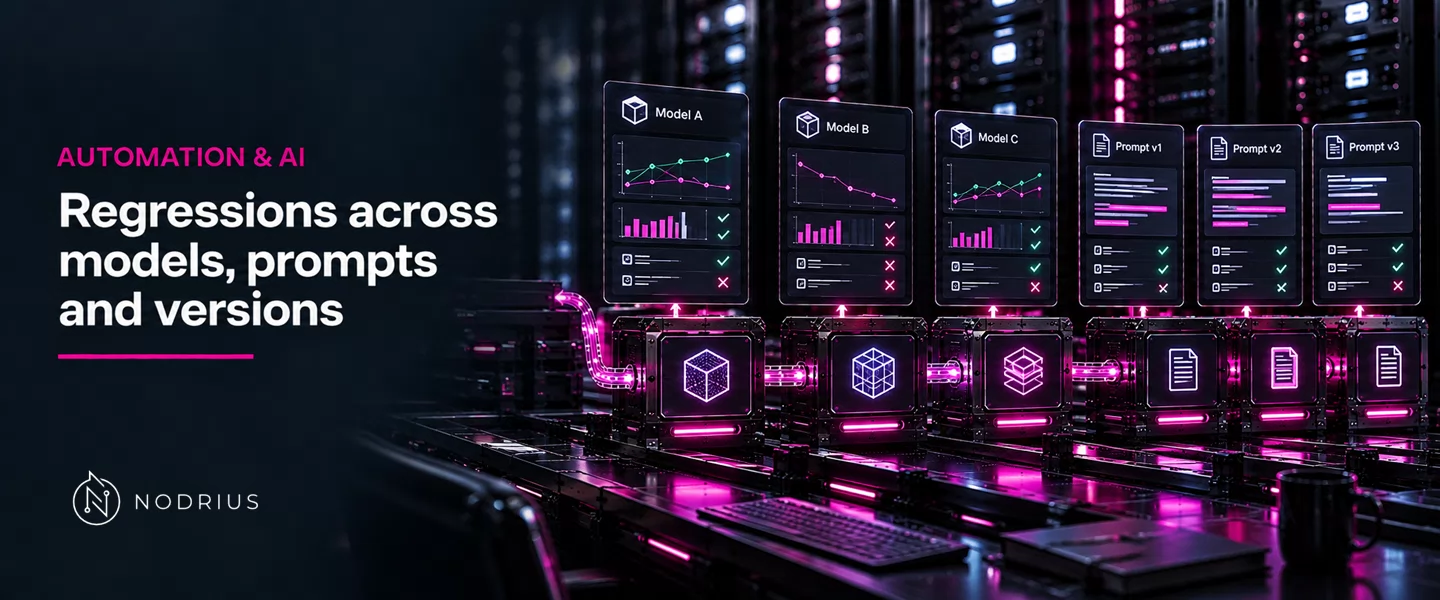
A pipeline can get worse without anyone changing it; only a versioned baseline notices.

Isolation bounds what an agent can reach; privilege separation bounds what it may do.

Secrets and data leak through an agent context — the controls that keep them out.
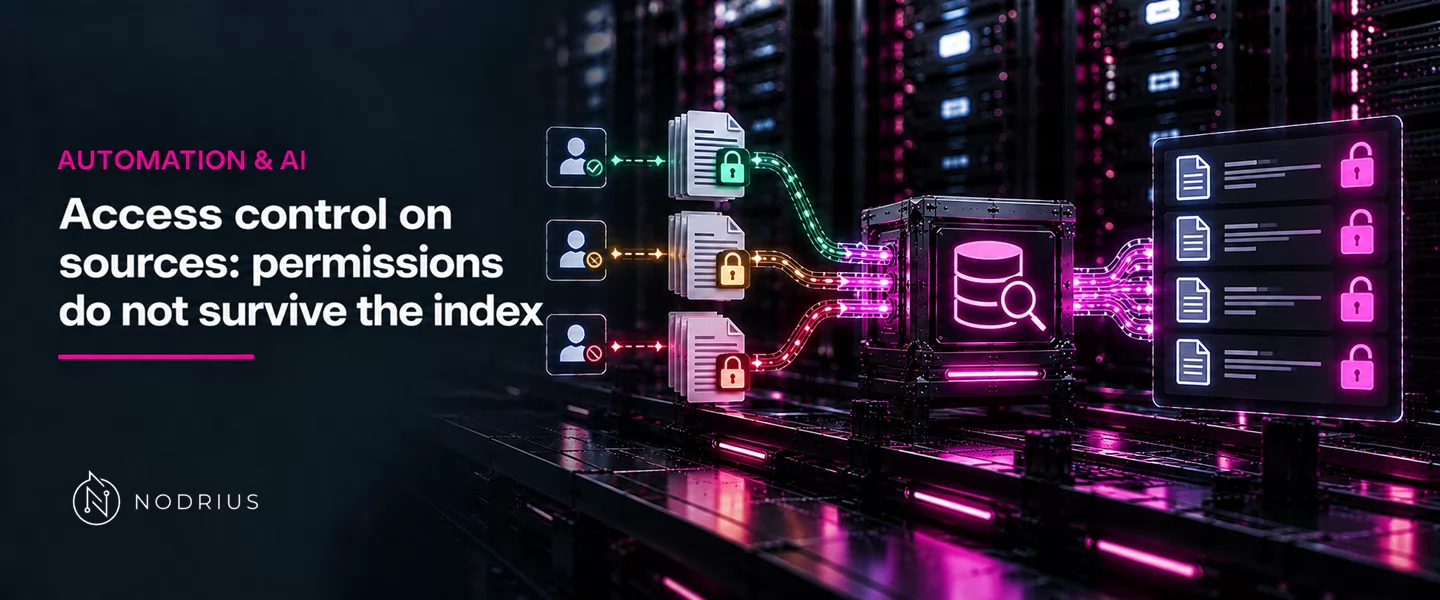
An index is a second copy of the corpus, and the copy carries no permissions of its own.
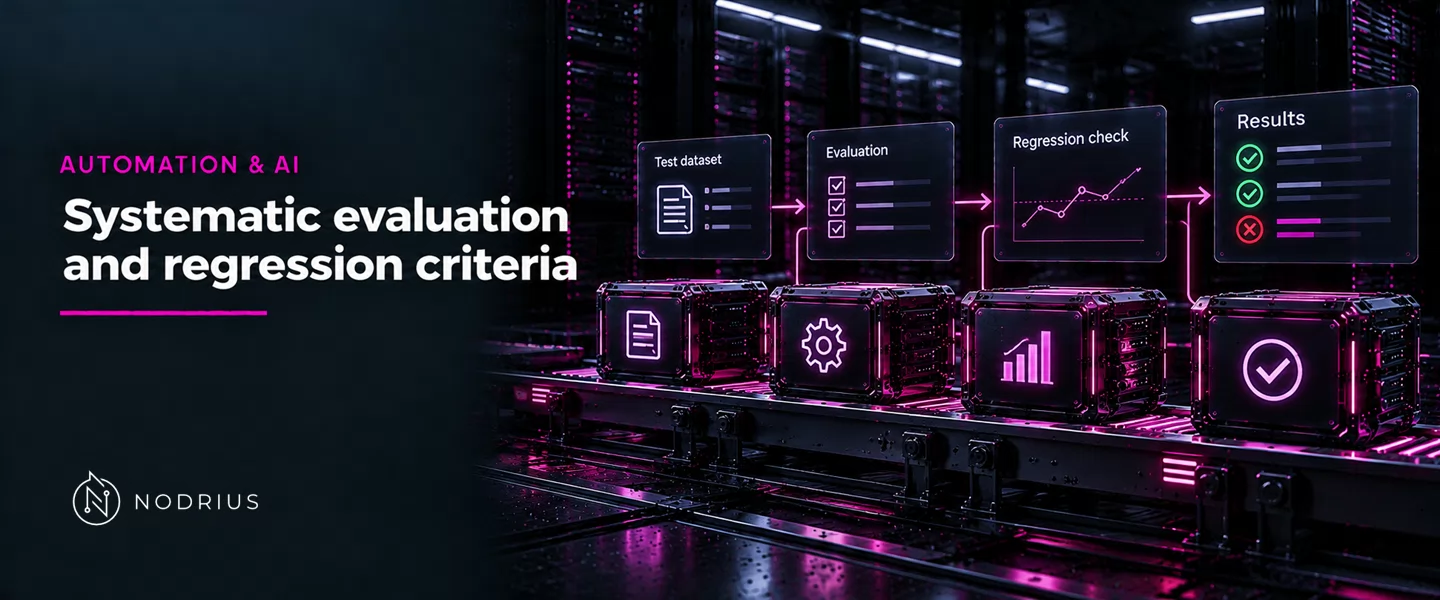
Pick the metric, the judge and the case count before a change is allowed to ship.

Authentication says who is calling; authorisation says what the call is allowed to do.
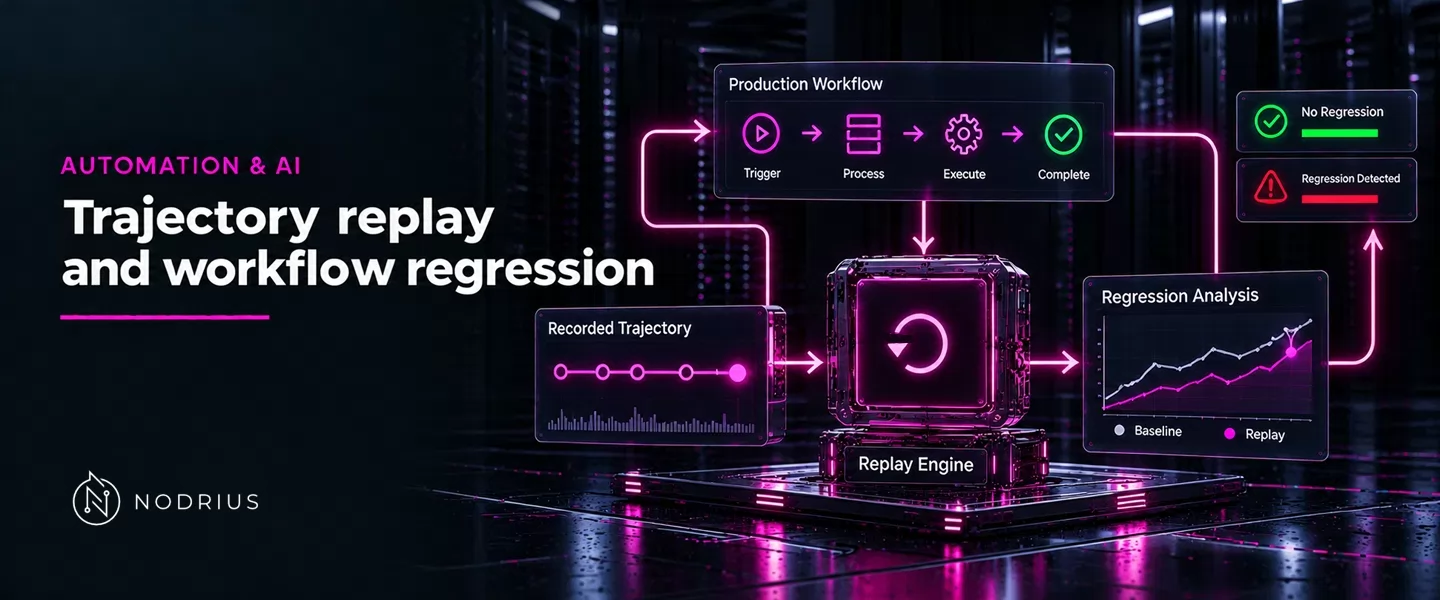
Replaying recorded trajectories to reproduce a workflow and catch behavioural change.

Retrieved documents, web pages and tool results are data the model reads, not commands.
An endpoint refuses a request for three different reasons; the response says which.

Two families of sensitive material: the credentials you use and the content you send.

What leaves your machine on an API call, what may come back, and the rules that follow.