Articles
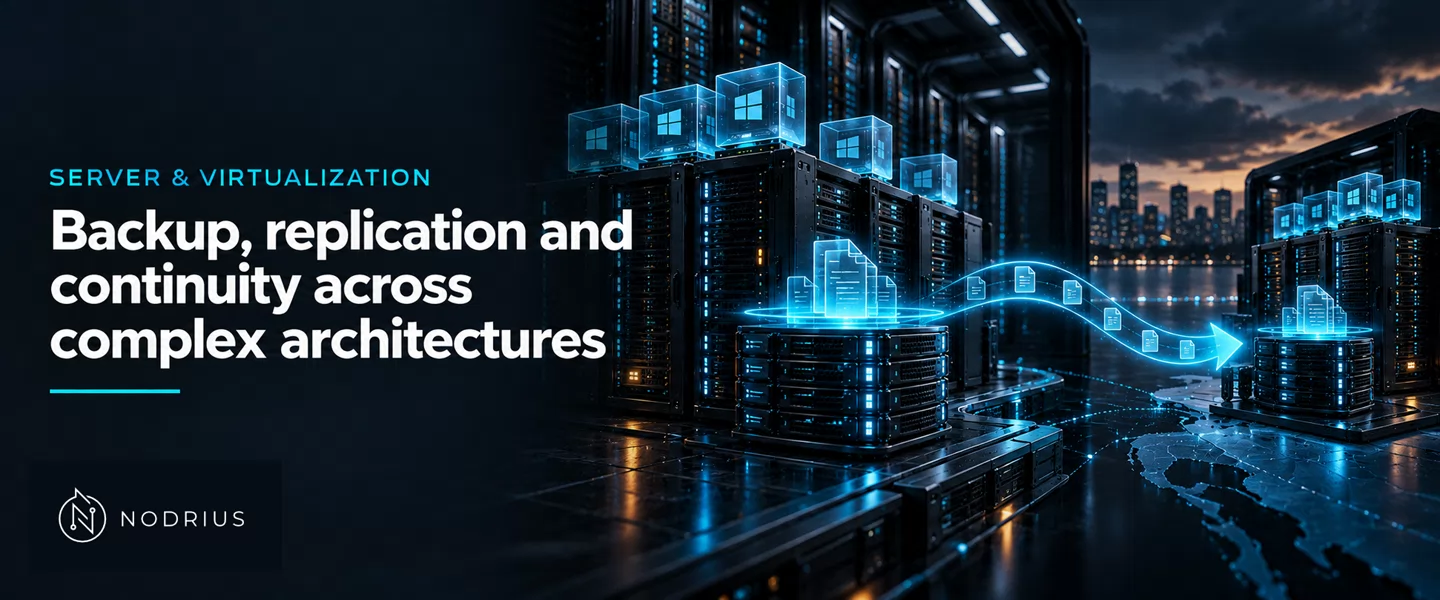
Backup, replication and continuity across complex architectures
Composing protection across VM, container and distributed storage: what covers what.
Where the data lives: local storage, partitions, filesystems and volume management, Windows volumes and SMB shares, drive media, and what RAID buys.
Composing protection across VM, container and distributed storage: what covers what.
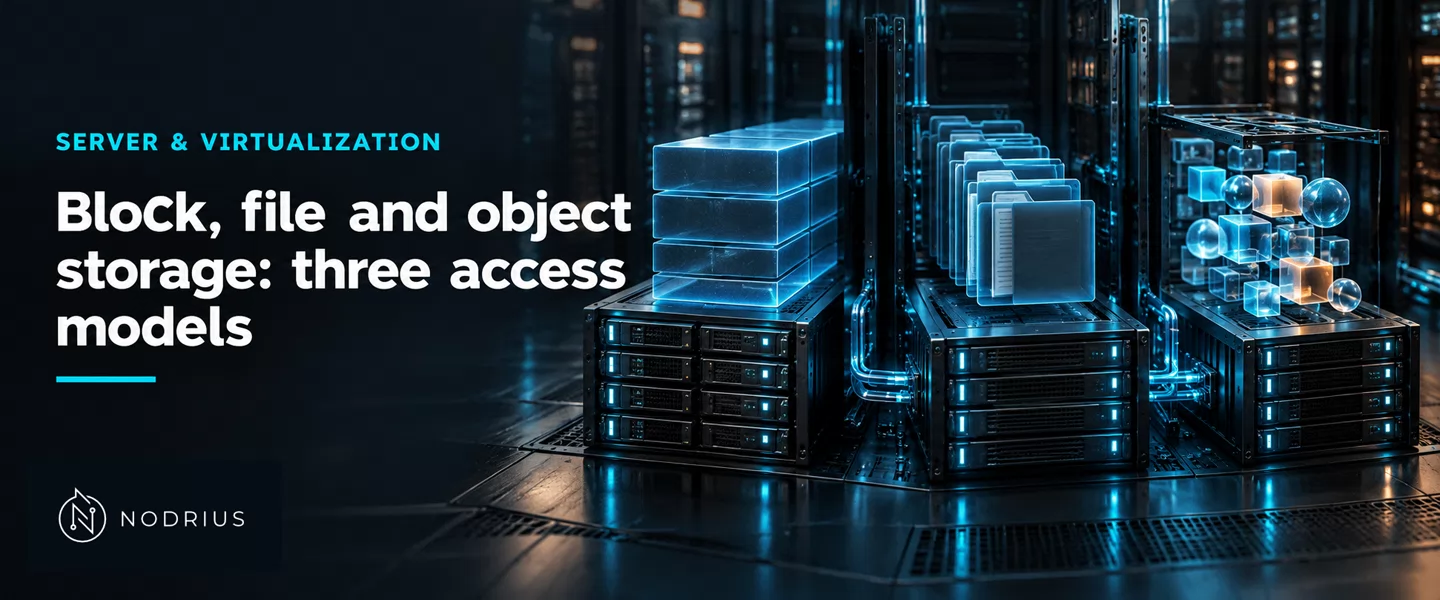
Block, file and object storage: what each model addresses, and who owns the metadata.
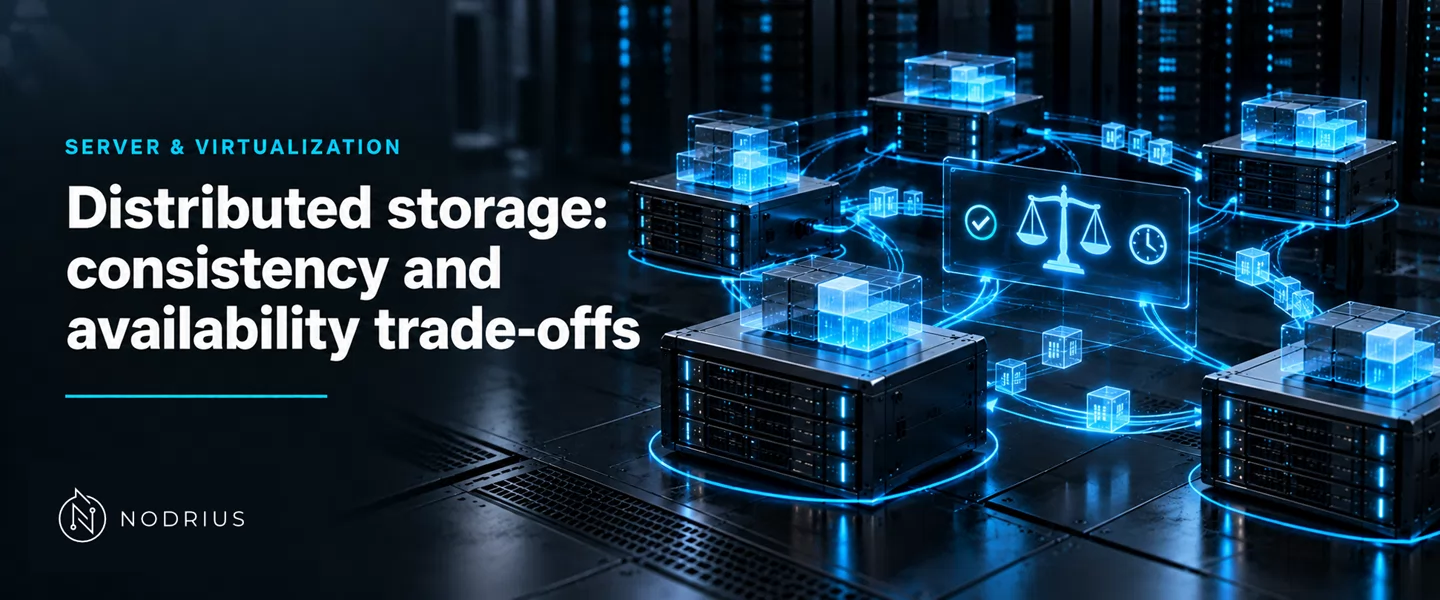
Replication, quorum reads and writes, and the trade-offs a distributed pool makes.
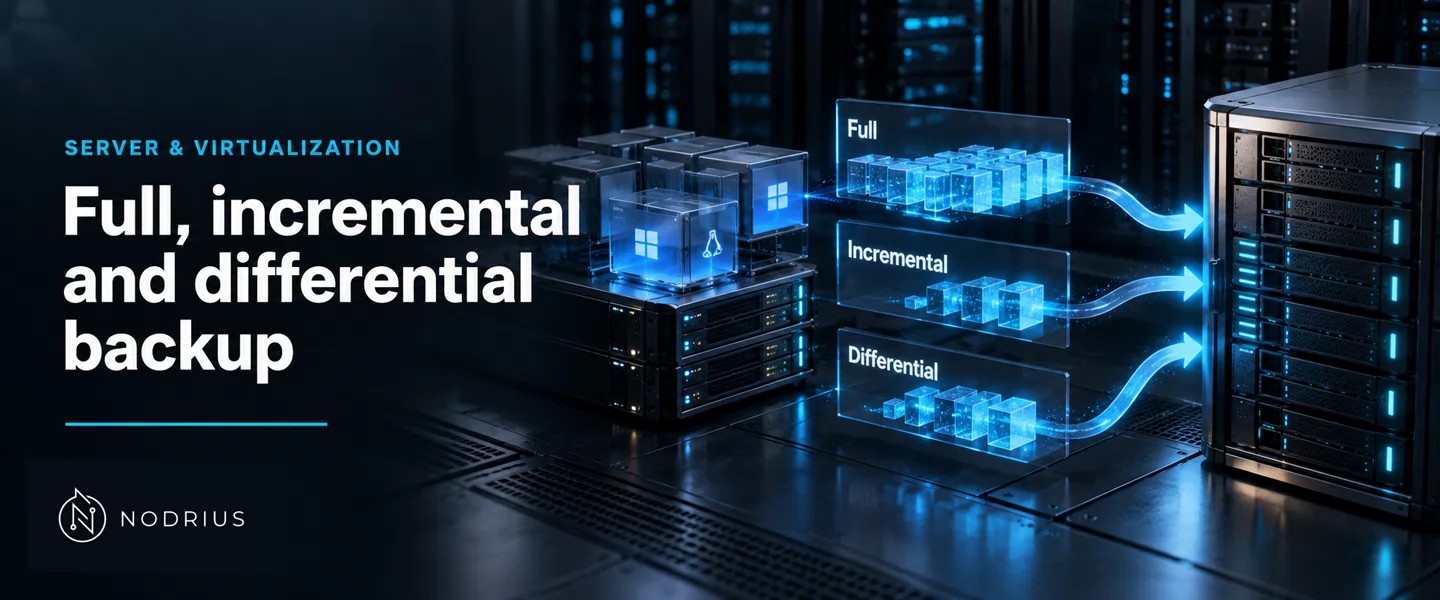
Three backup chains: what each costs to store, what a restore needs, and where they break.
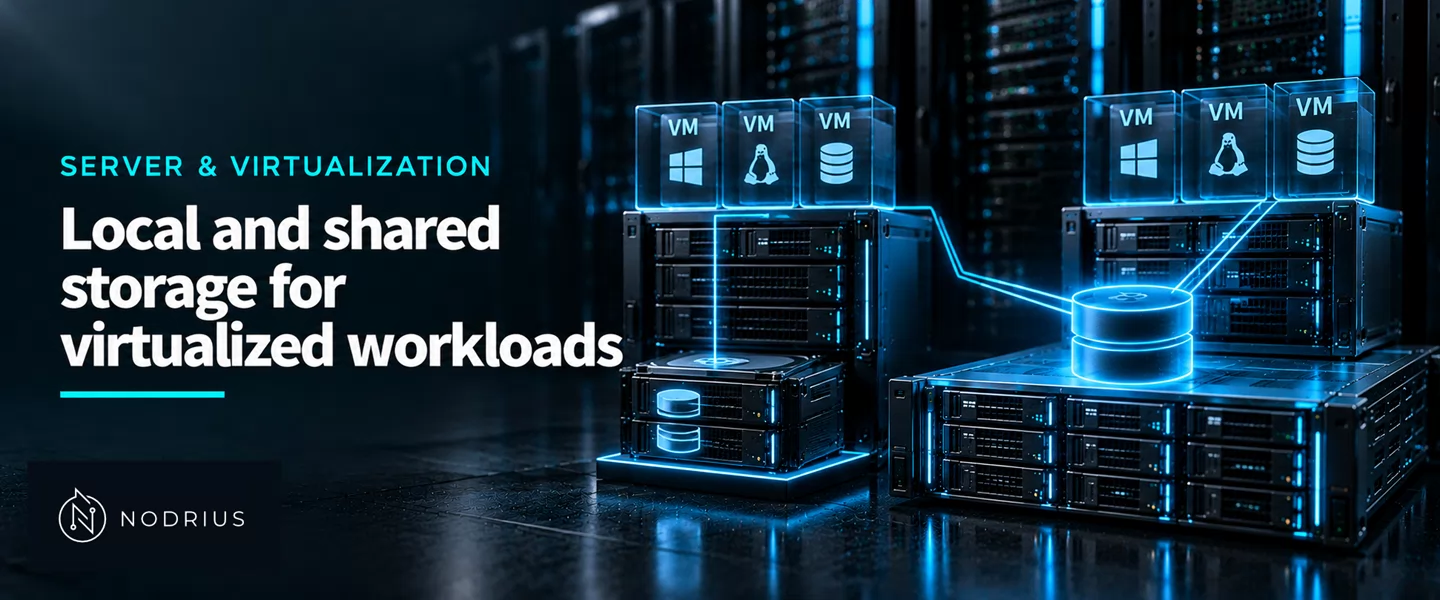
Local disks and shared storage seen from the hypervisor: what each gives a workload.
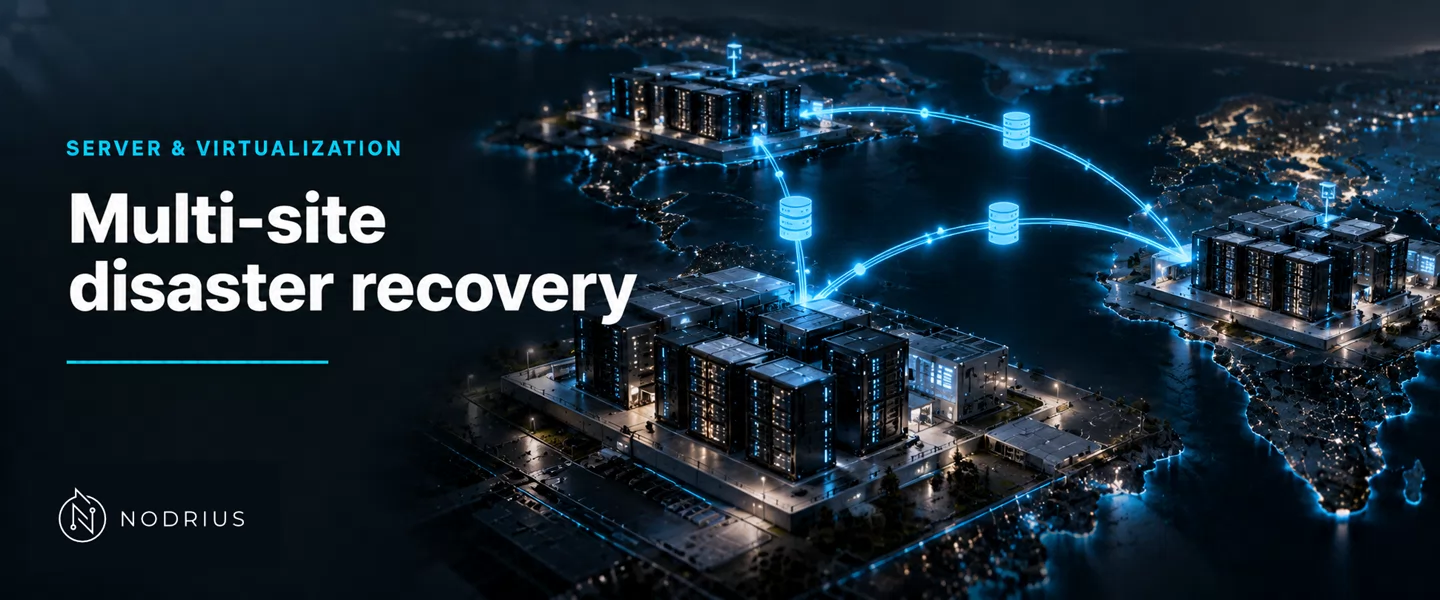
Two sites, one decision: replication modes, failover, and the difference from backup.
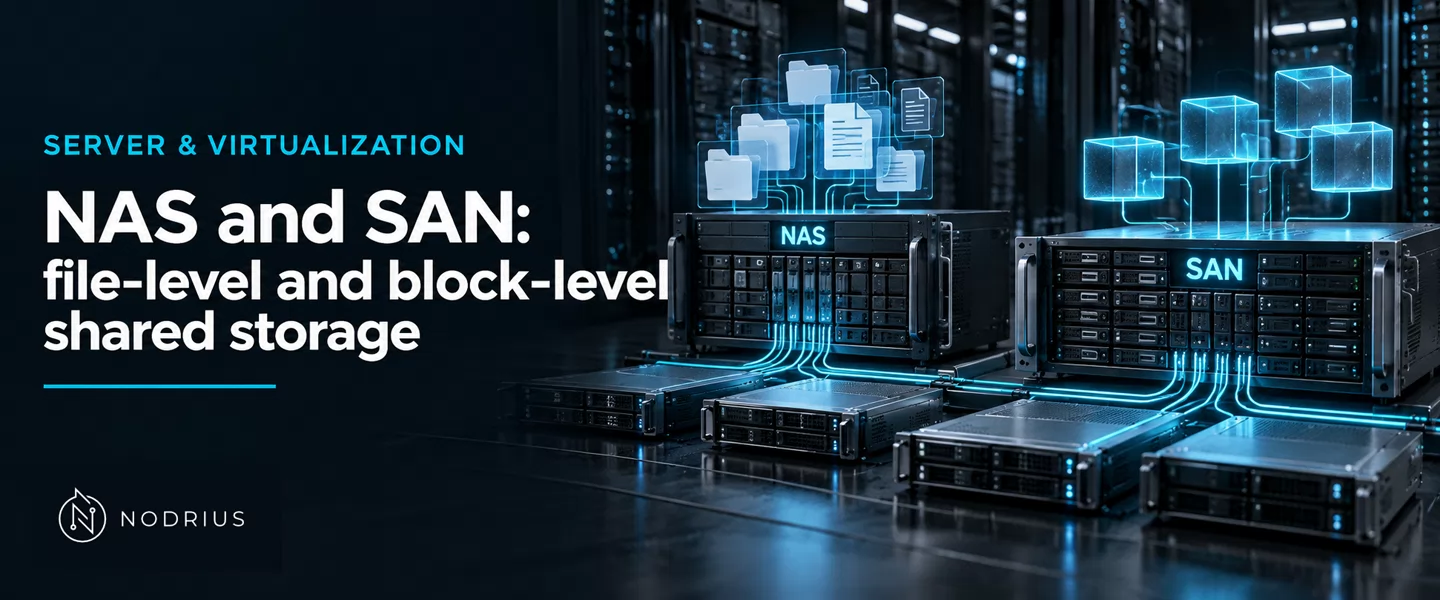
NAS serves files and SAN serves blocks: protocols, who owns the filesystem, and the risks.
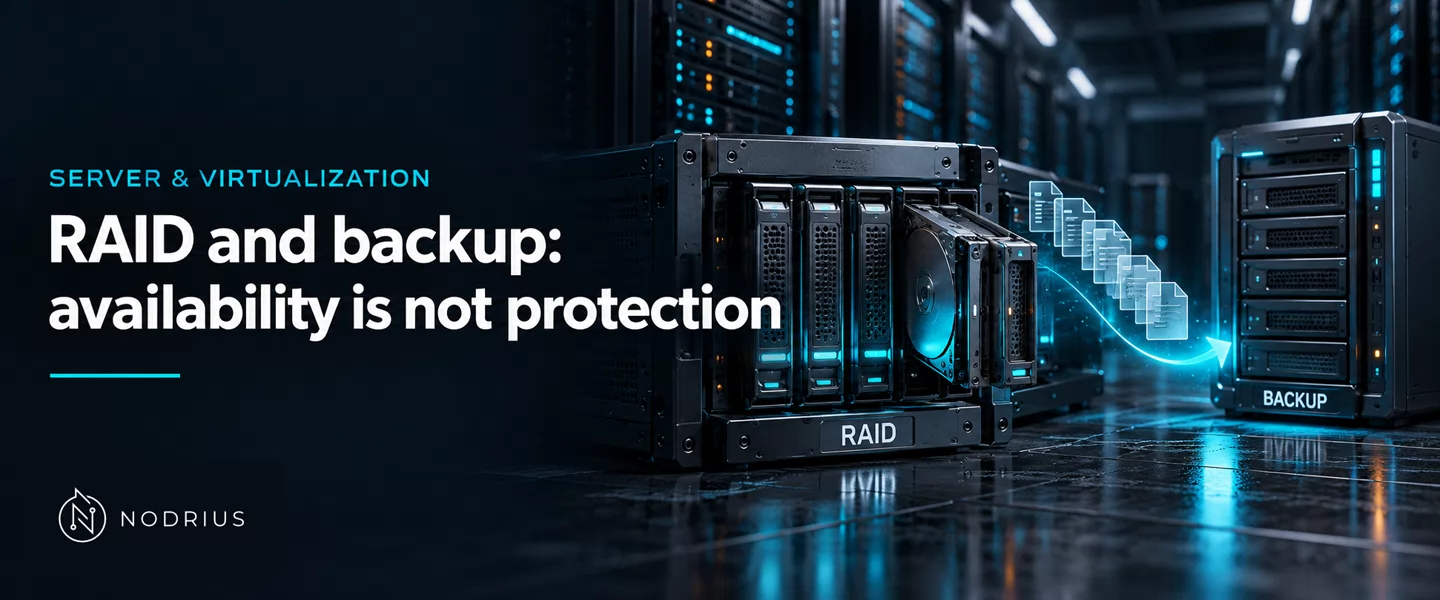
Why redundancy keeps a system running and still loses the data — deletion, corruption.
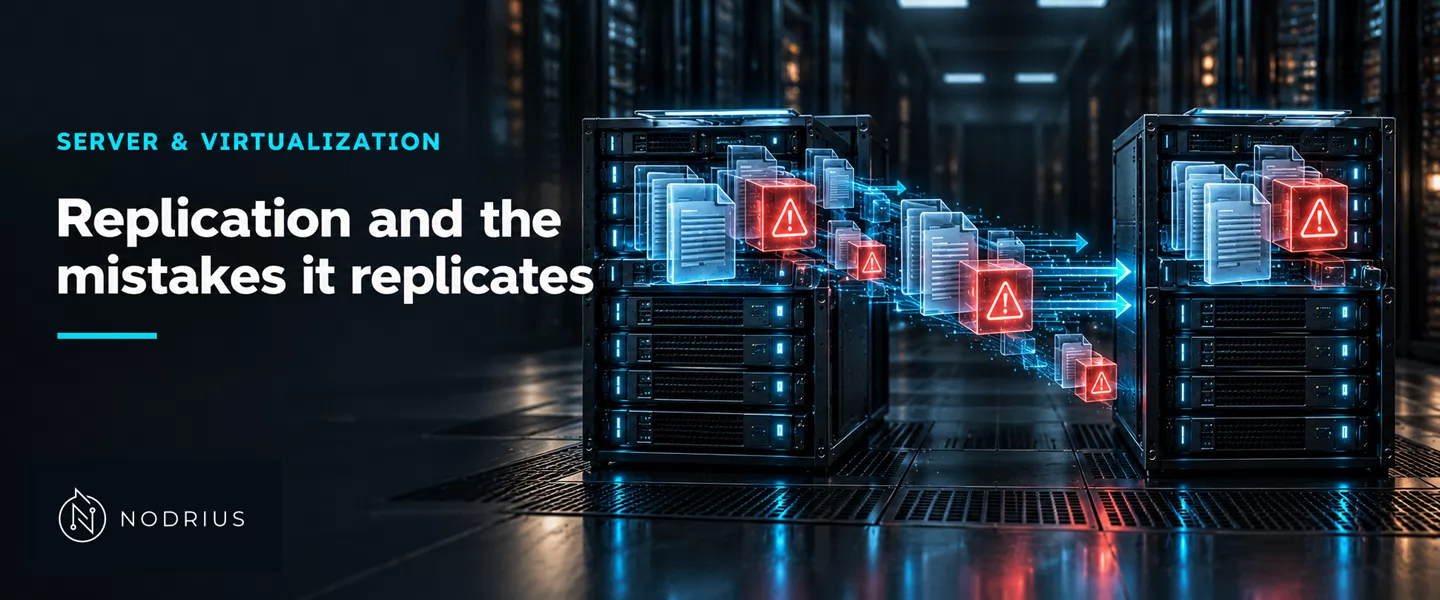
Synchronous and asynchronous replication, and why a replica faithfully copies corruption.
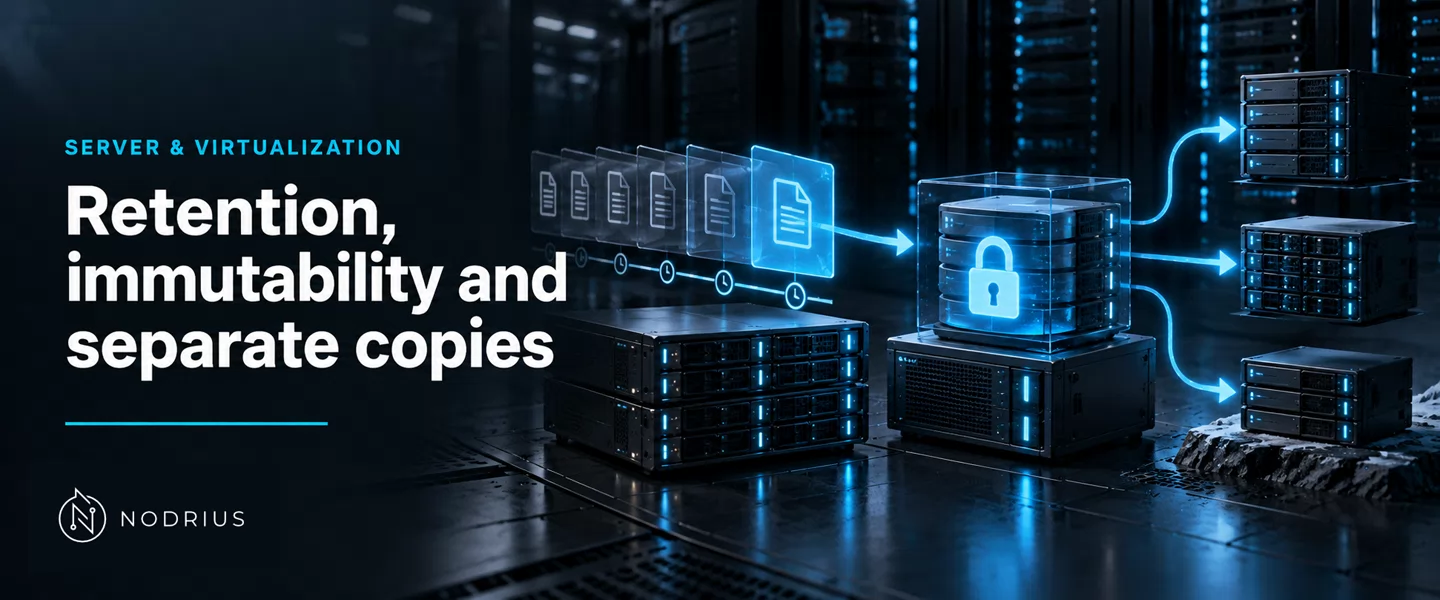
Retention, immutability and separate copies: why a deletable copy is not a backup.
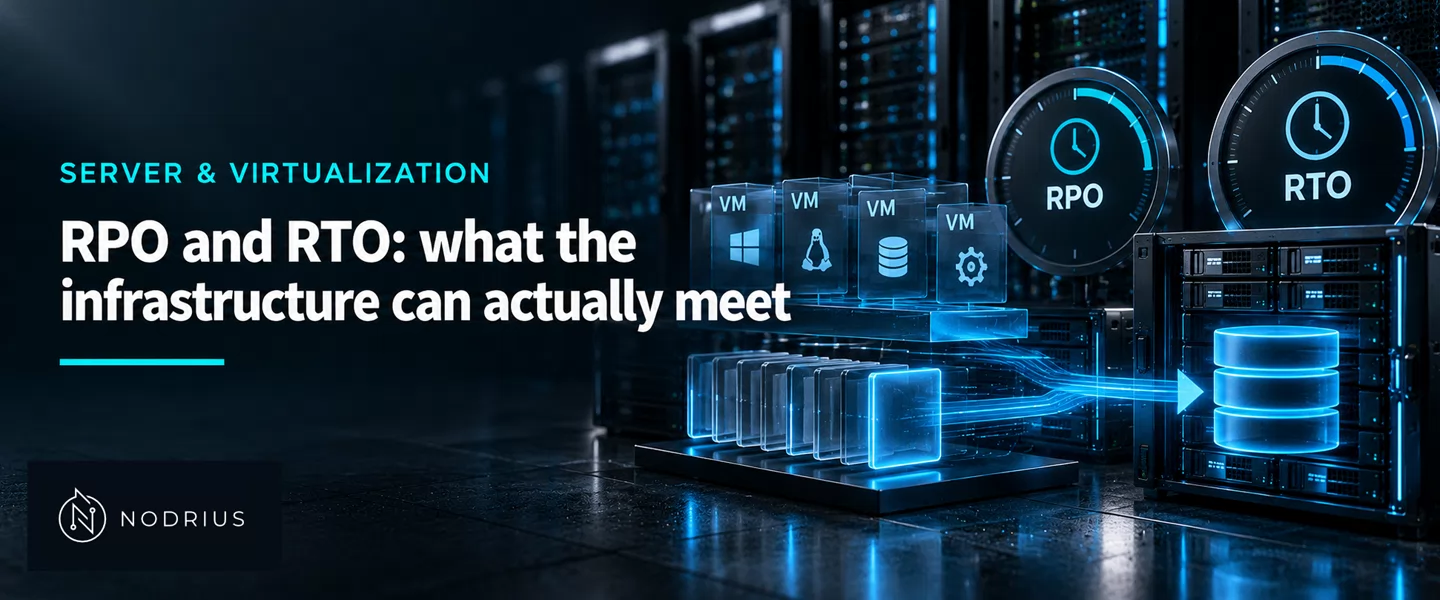
Which mechanism sets the achievable RPO and RTO, and how to read the gap to the objective.
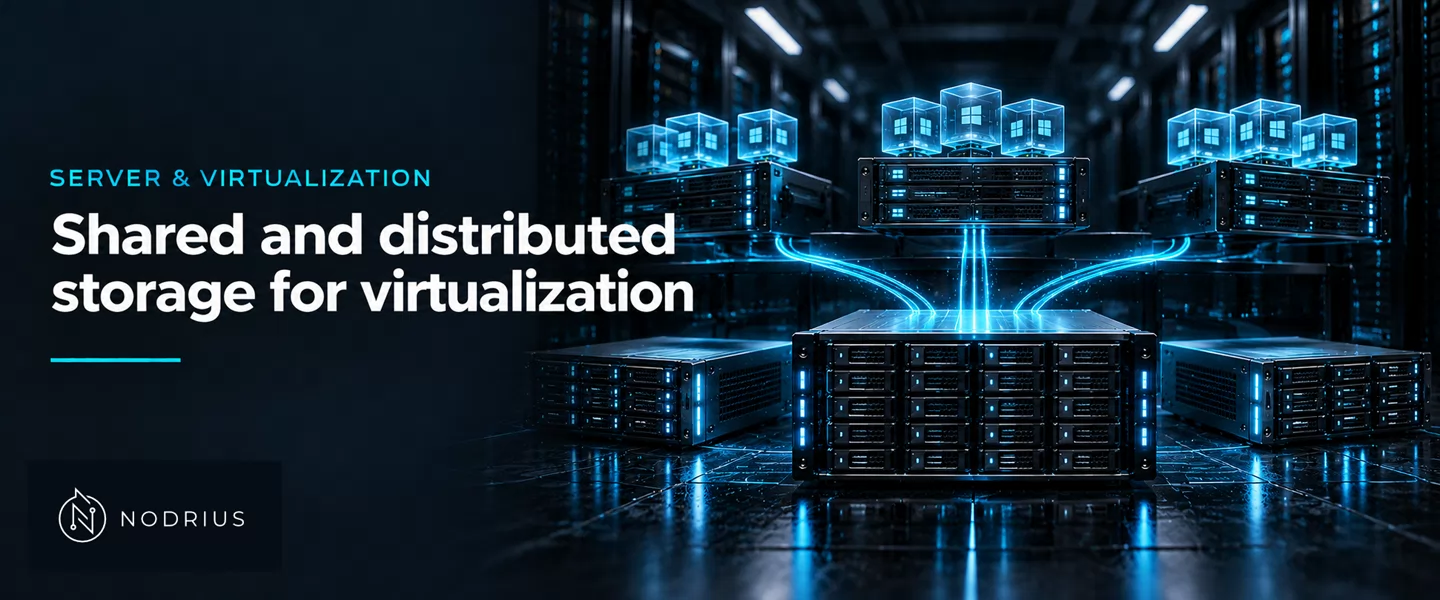
Block and file storage shared between hosts — and the distributed systems replacing a LUN.
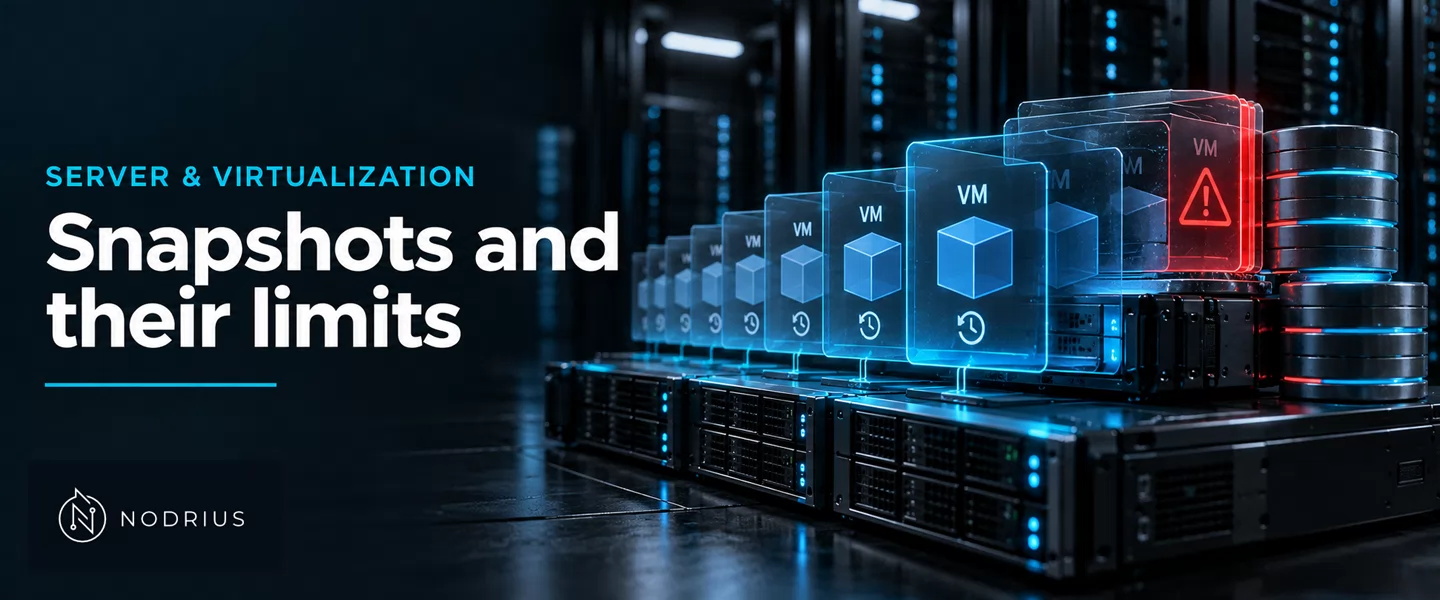
Point-in-time copies, copy-on-write chains and consistency: what a snapshot is and is not.
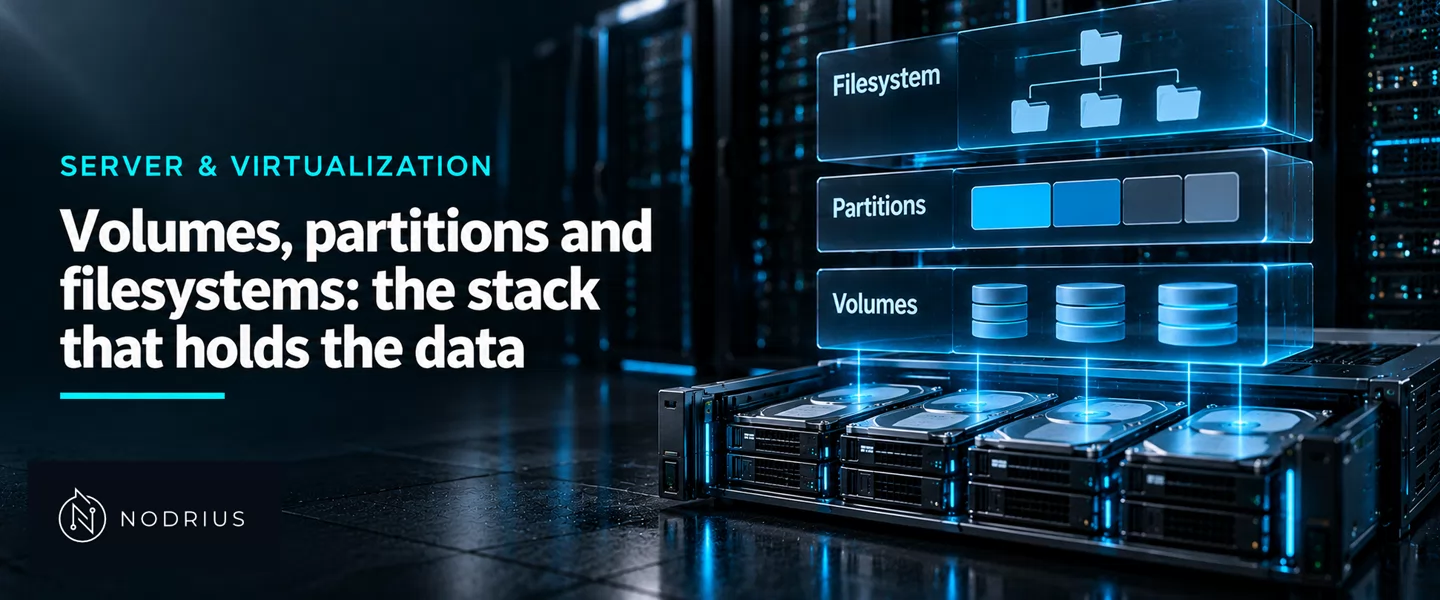
Partitions, volumes and filesystems composed into one stack, and where a change is made.
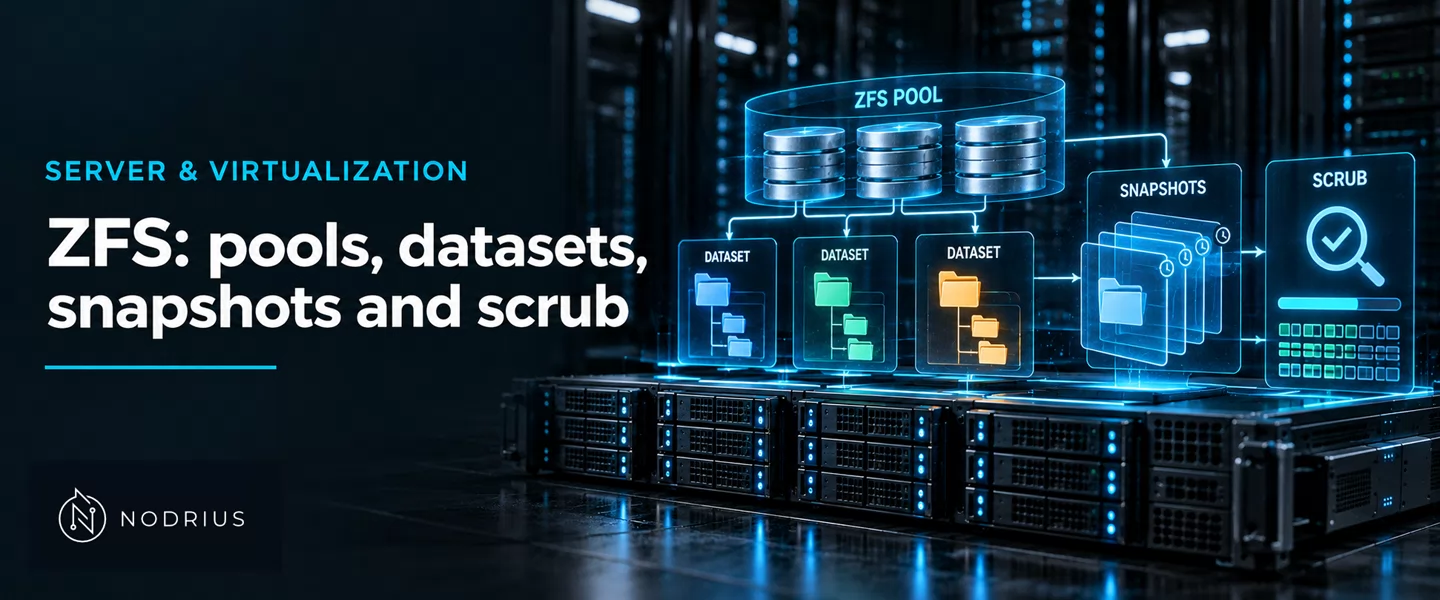
Pools, datasets, copy-on-write snapshots and scrub: detecting and repairing corruption.
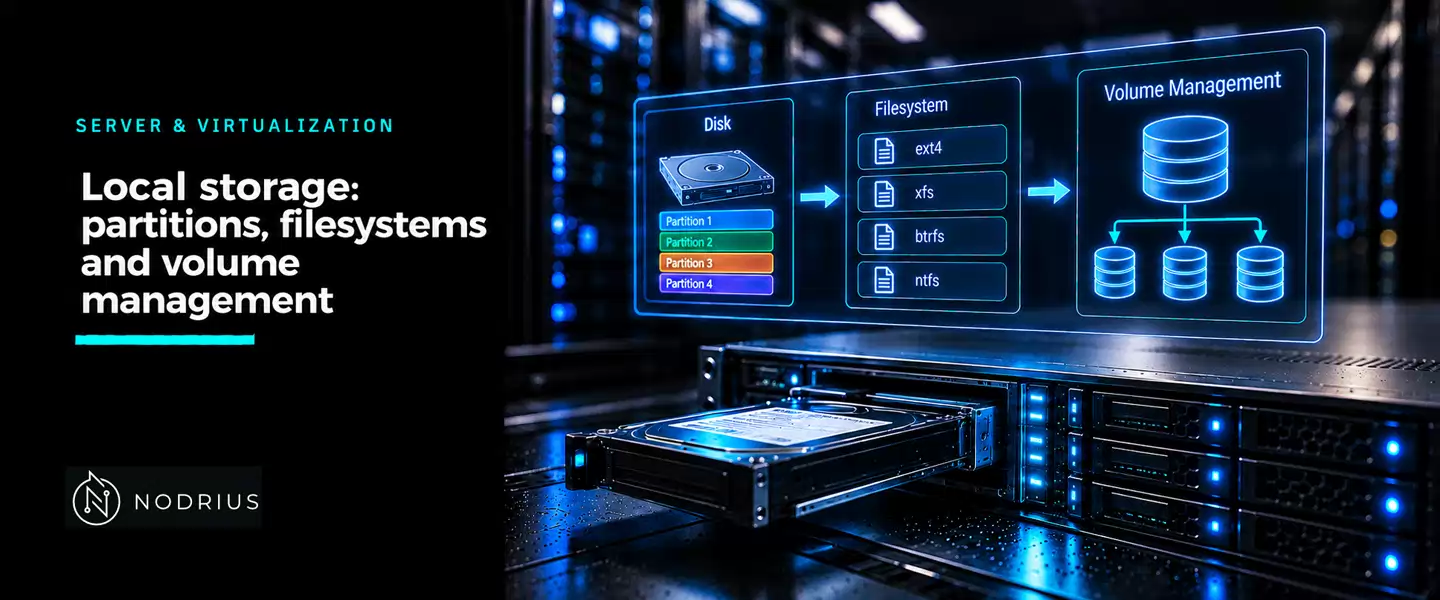
Partitions, LVM volumes, filesystems: the layers of a local disk and the resize order.
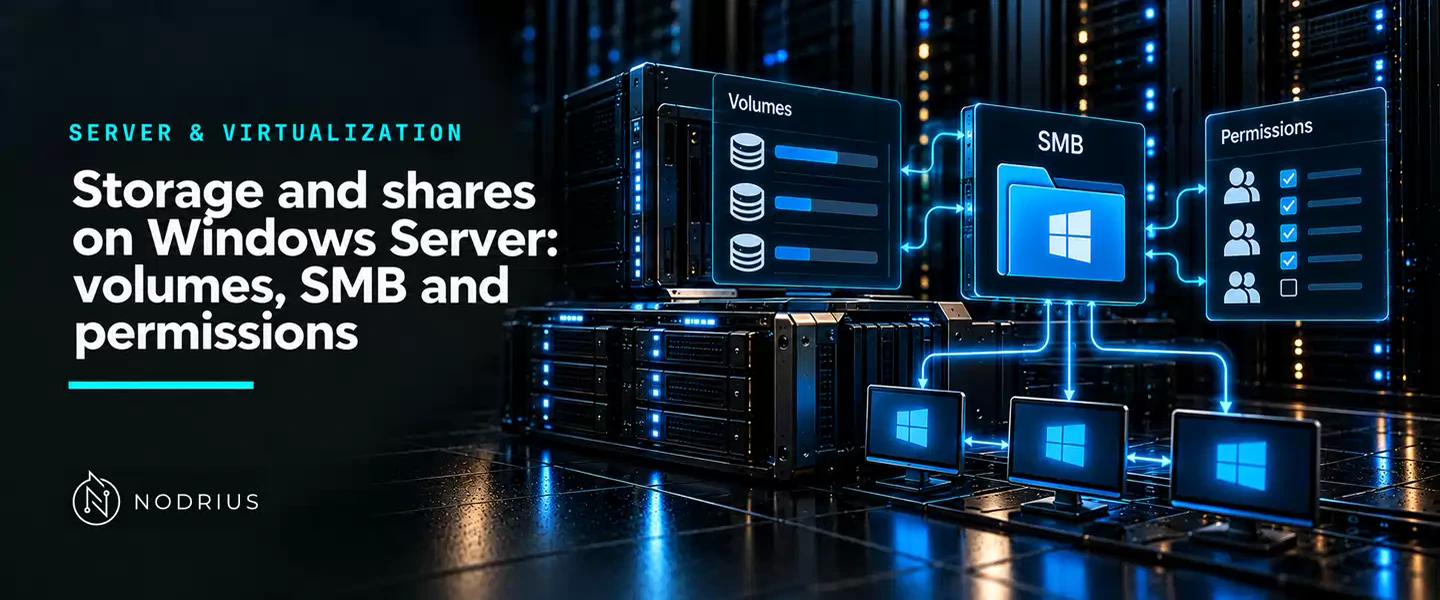
SMB shares and NTFS permissions: how a disk becomes a volume and who can reach it.
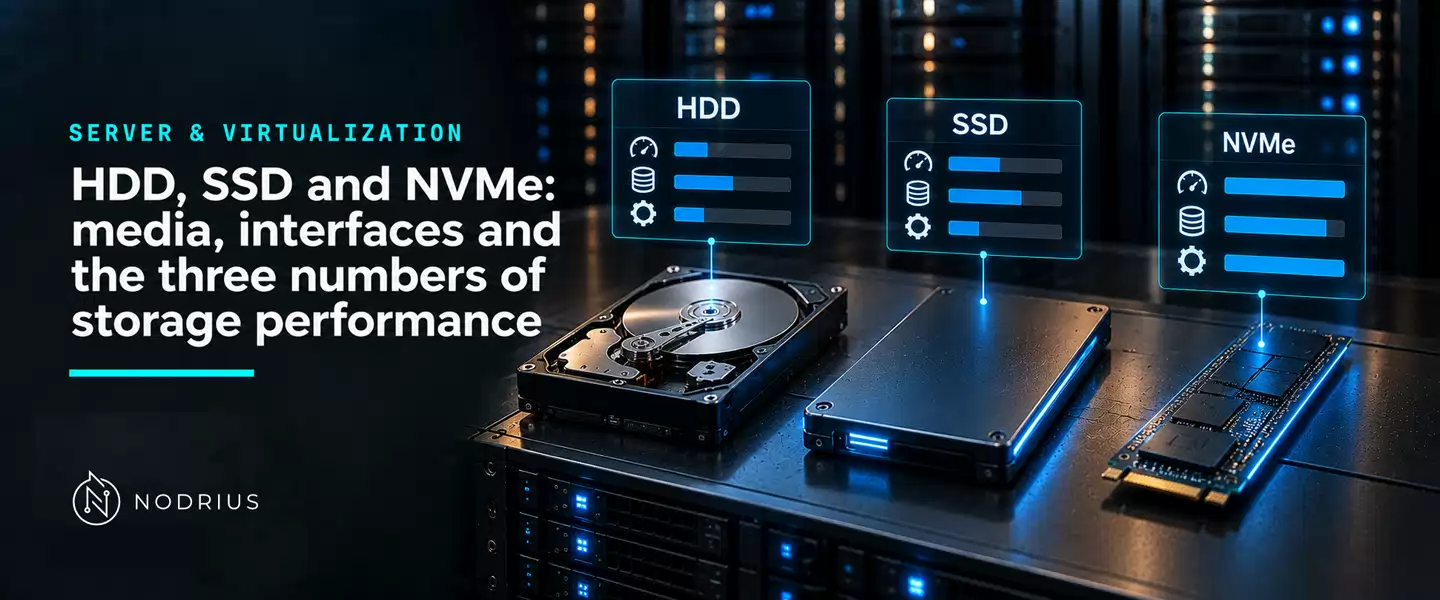
IOPS, throughput and latency: how the medium and the interface decide which one binds.
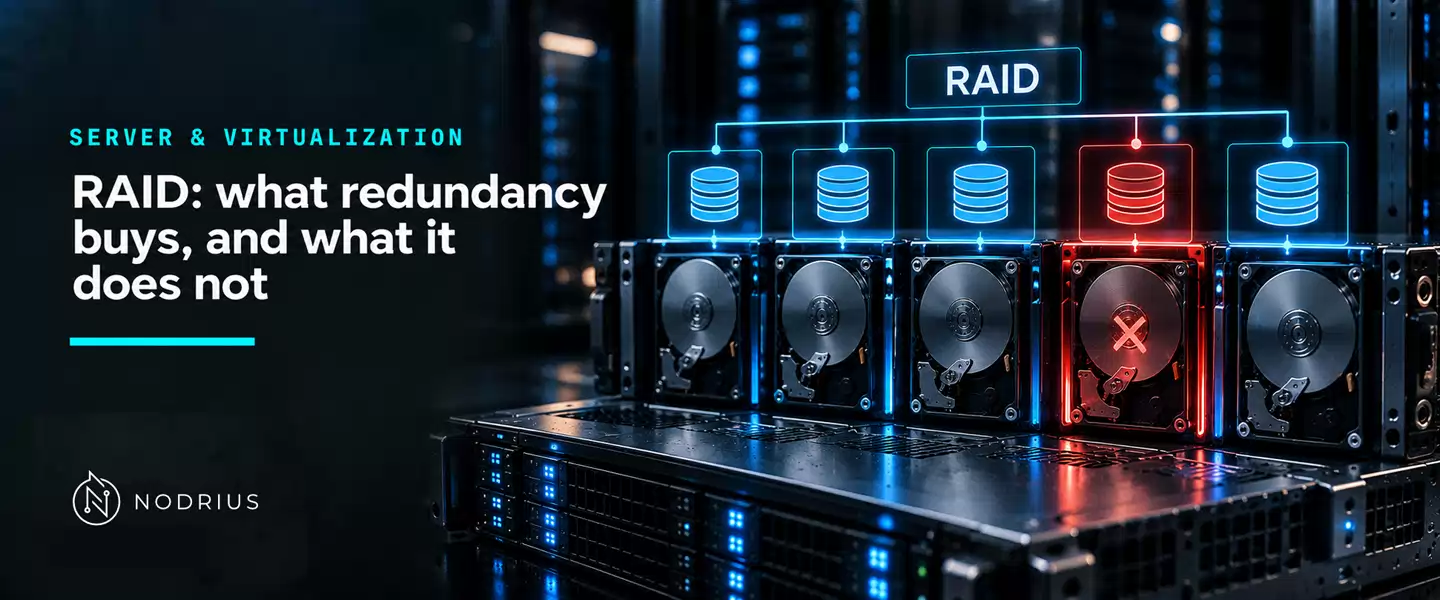
What a RAID level buys in availability, capacity and write cost — and where it stops.