
Articles
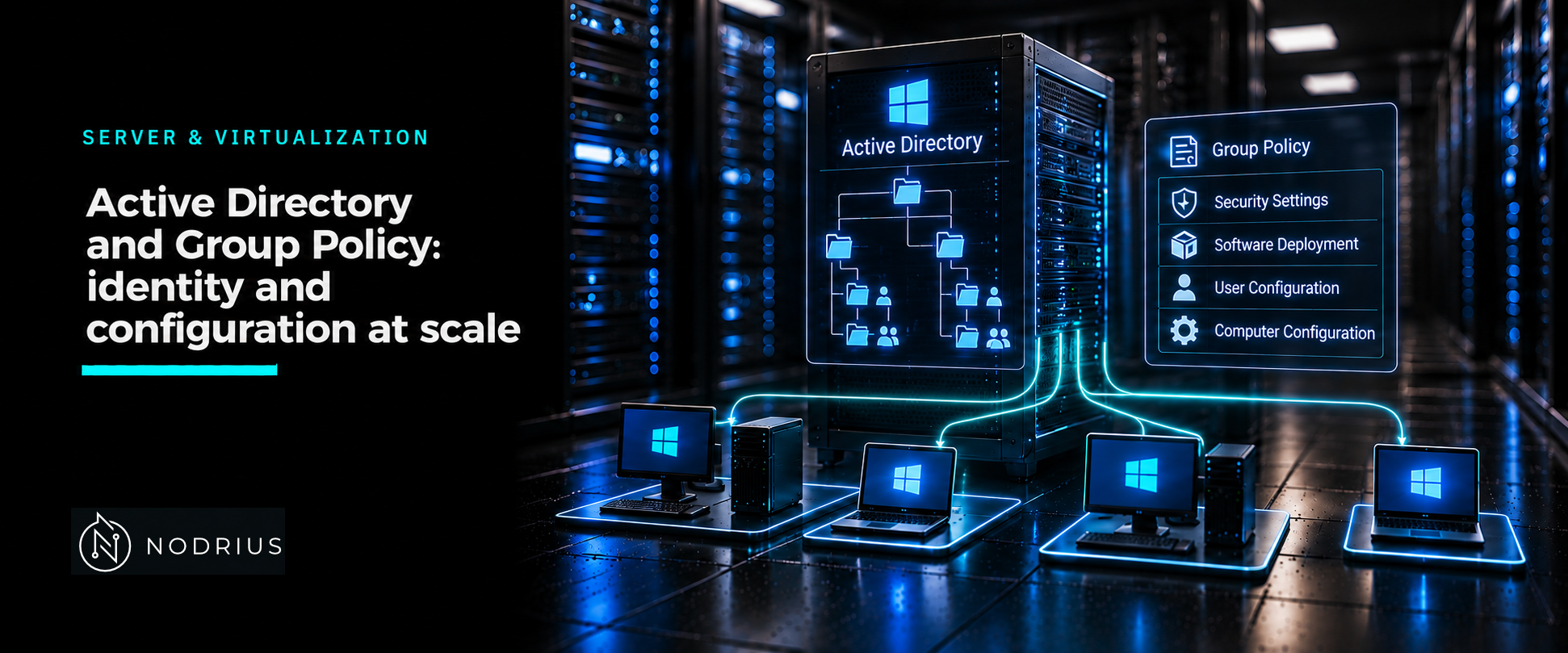
Active Directory and Group Policy: identity and configuration at scale
How Active Directory stores identity, and how Group Policy outranks local settings.
How Active Directory stores identity, and how Group Policy outranks local settings.
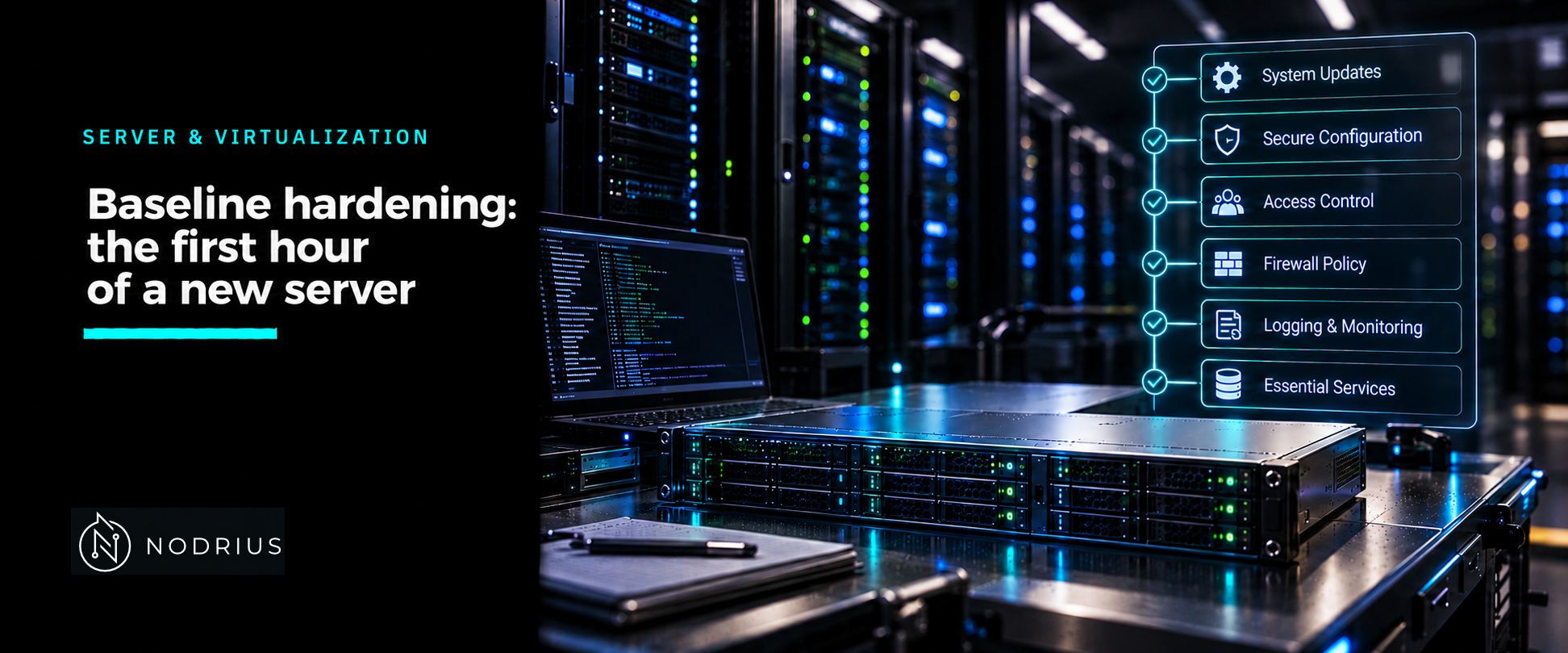
The first hour on a new Linux server: patch, restrict access, keep visibility.

Default-deny posture, stateful tracking, and how ufw, firewalld or nftables allow SSH.
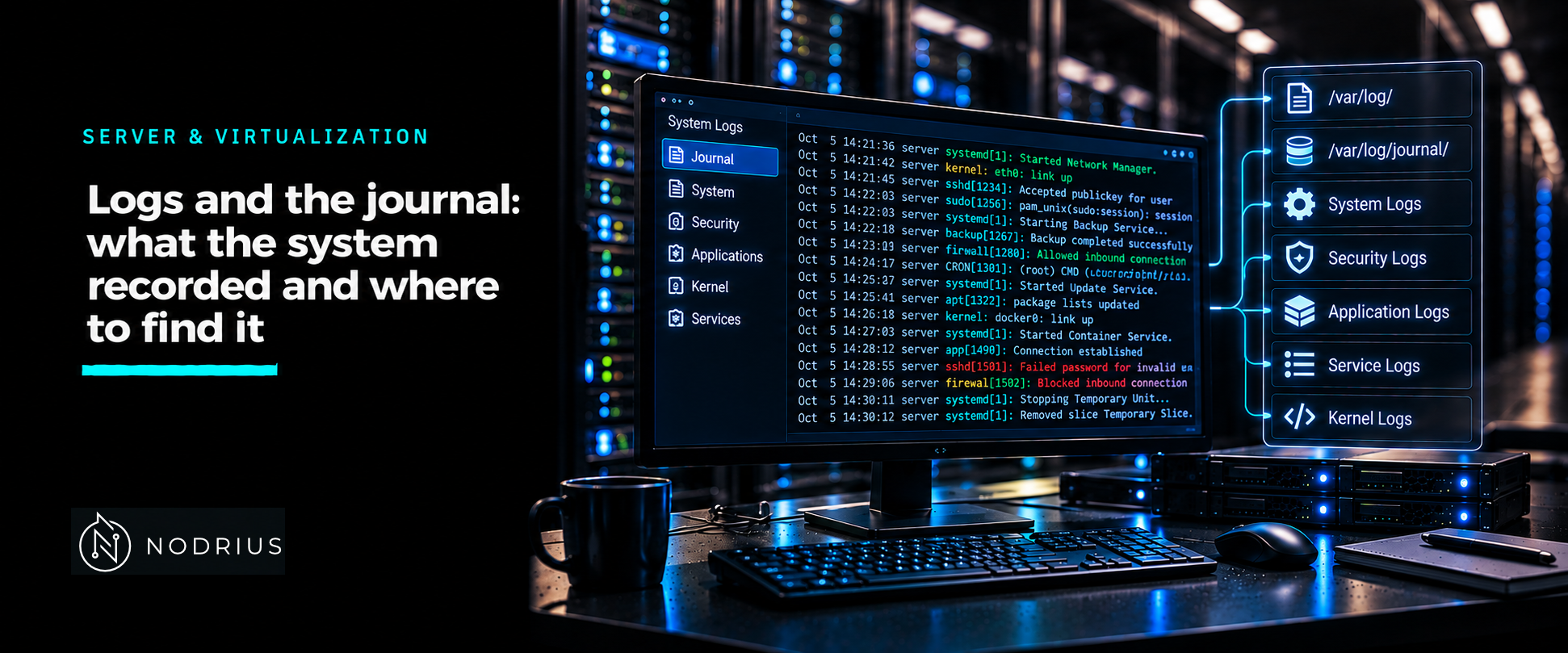
Where a Linux host records what happened — and the messages it never writes at all.
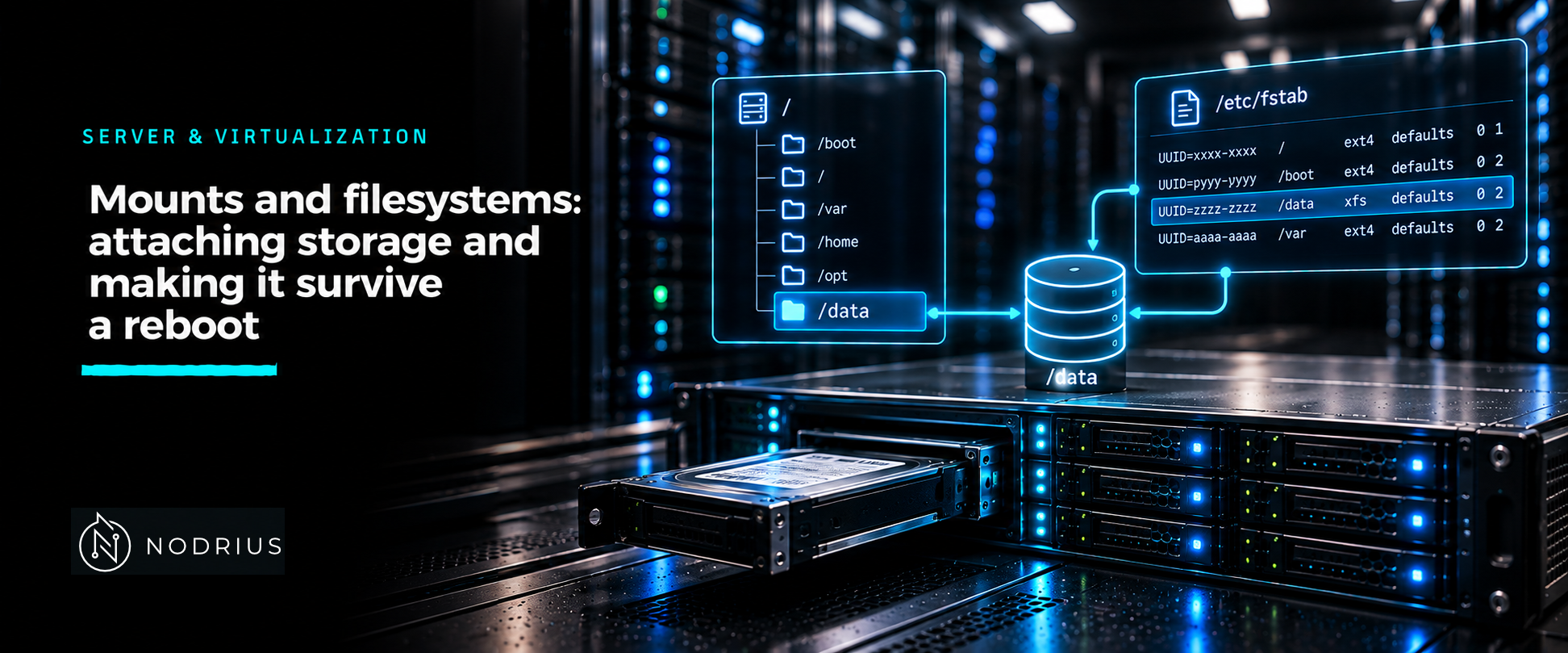
How Linux attaches a filesystem, and why one wrong /etc/fstab line can stall the boot.
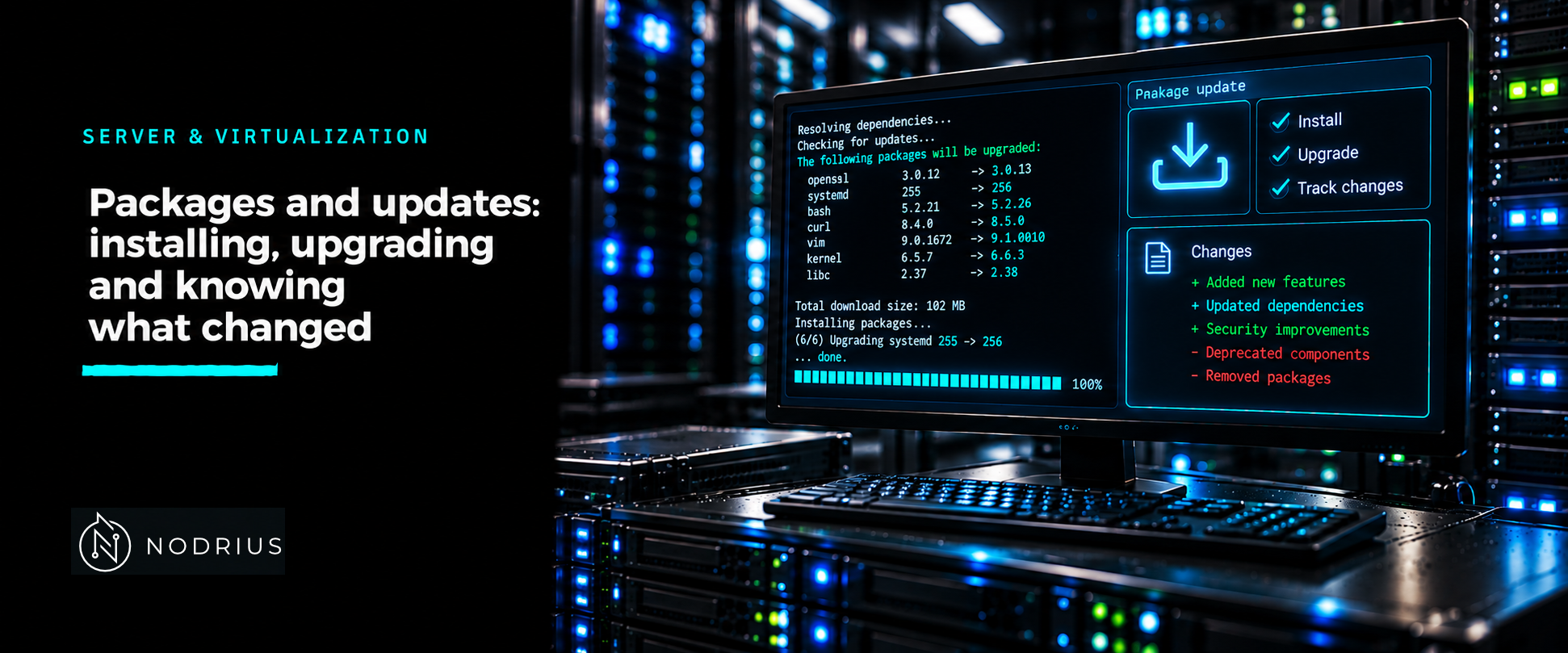
How dnf and apt resolve packages, and how to inspect or undo what an update changed.
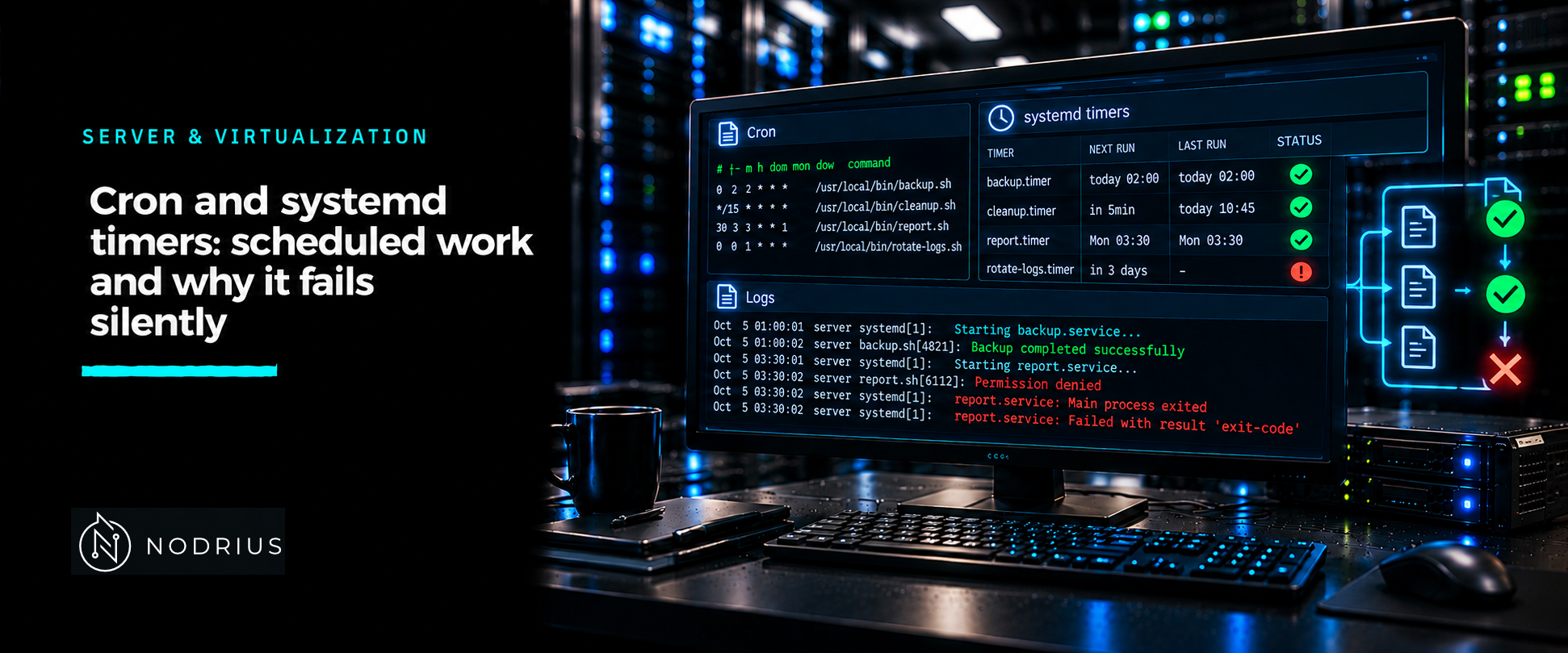
Two schedulers, one failure mode: cron and systemd timers — and how to prove a job ran.
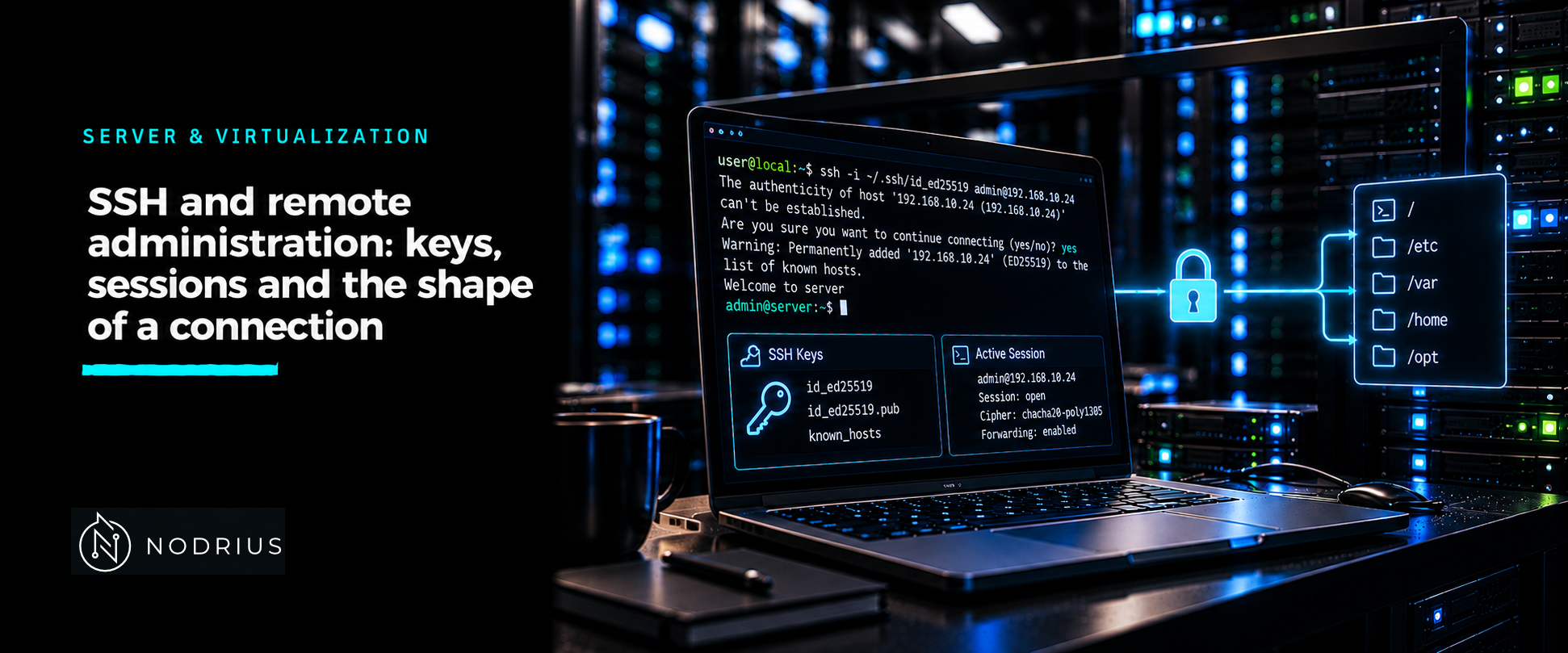
Host key, user key and session: what SSH establishes, and the settings that harden it.
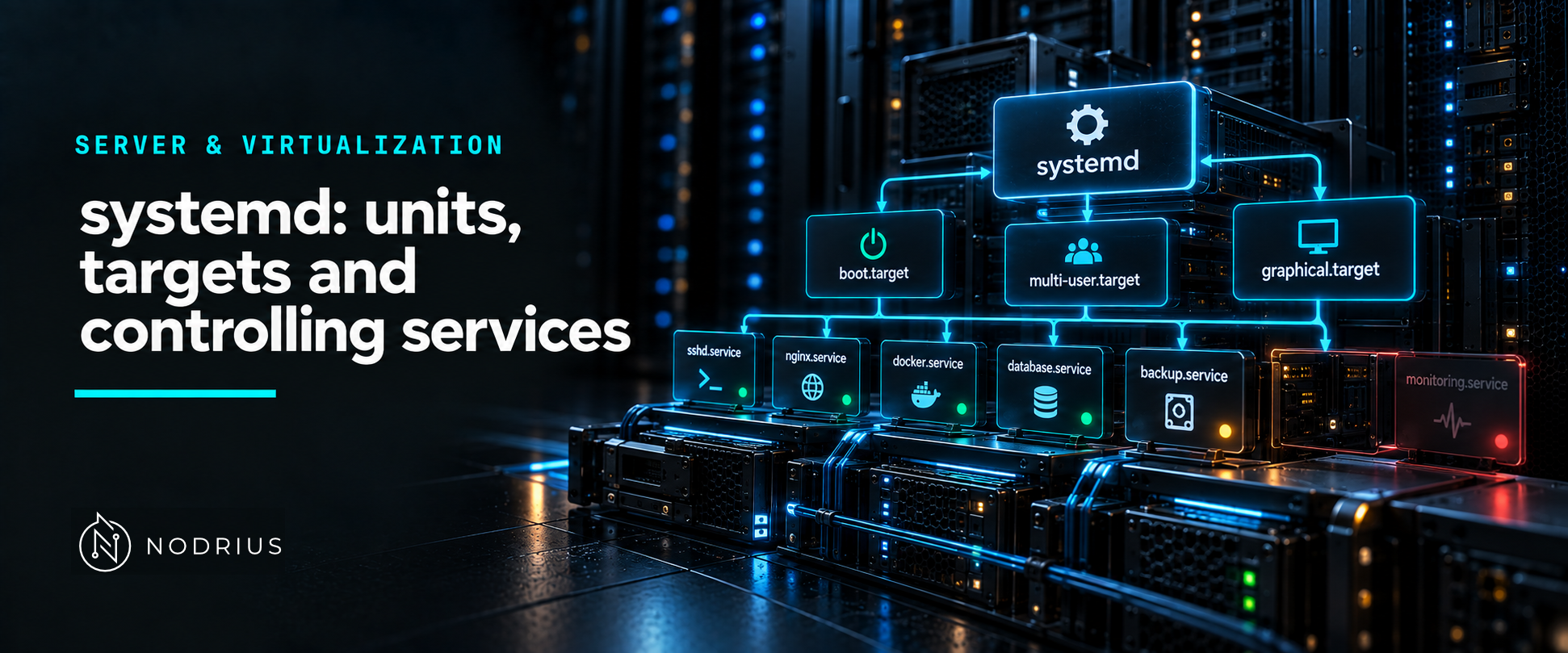
Units, not processes: what systemd manages, and how systemctl controls a service.
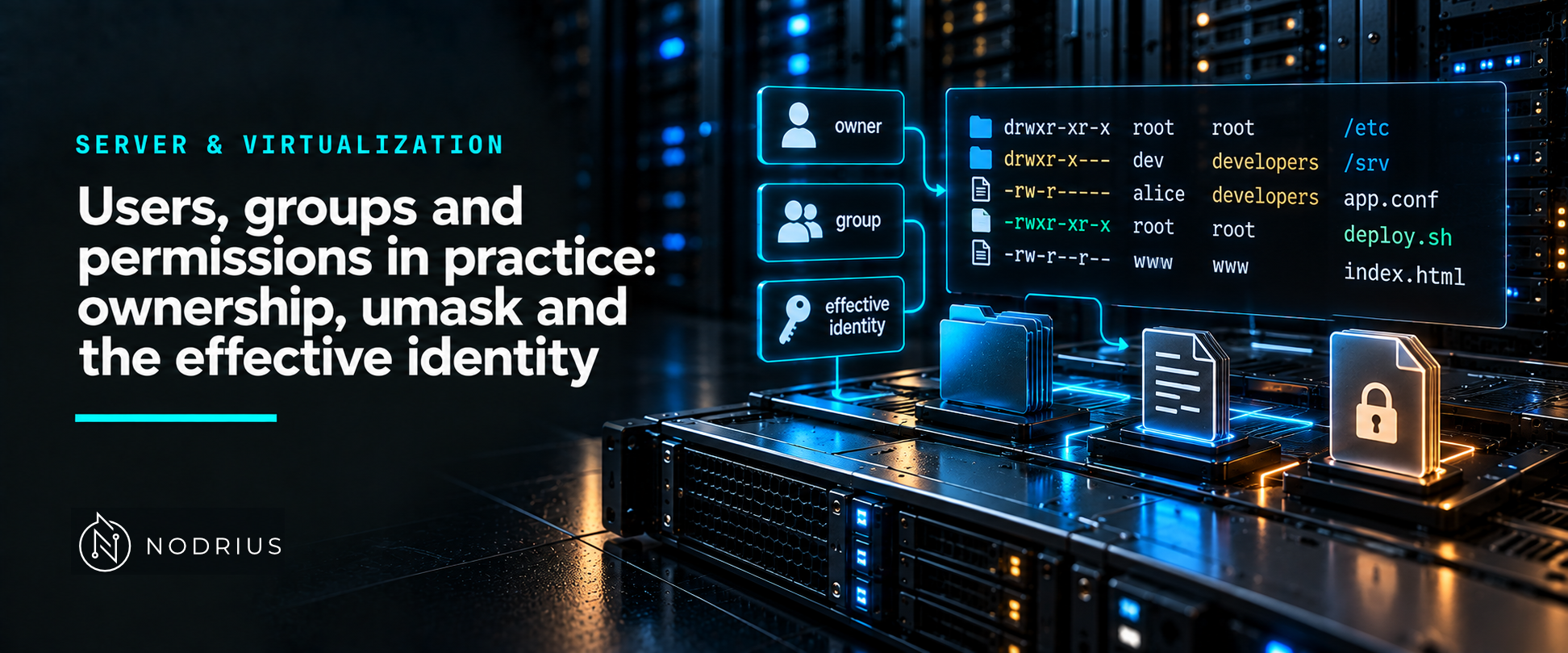
How a process's effective identity, the mode bits and umask decide file access.
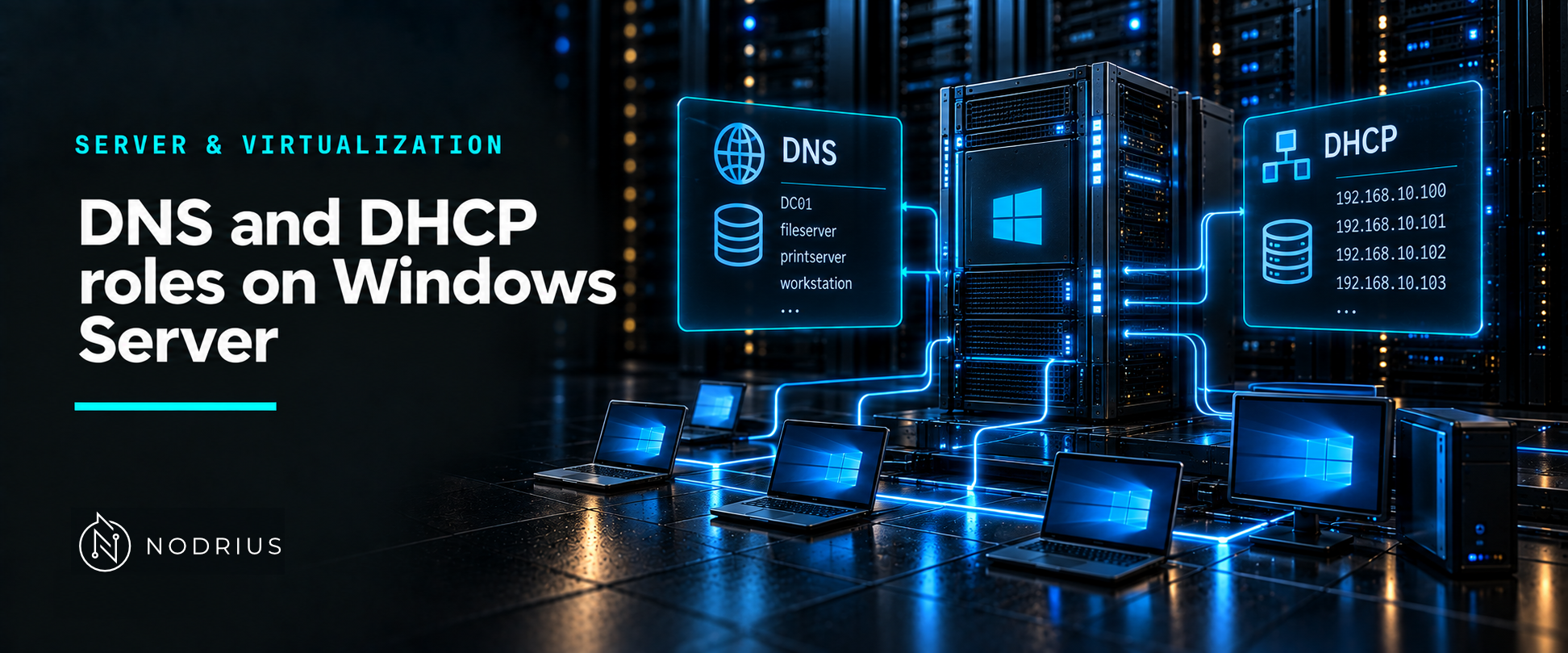
Windows DNS and DHCP roles: installing them, configuring zones and scopes, and verifying.
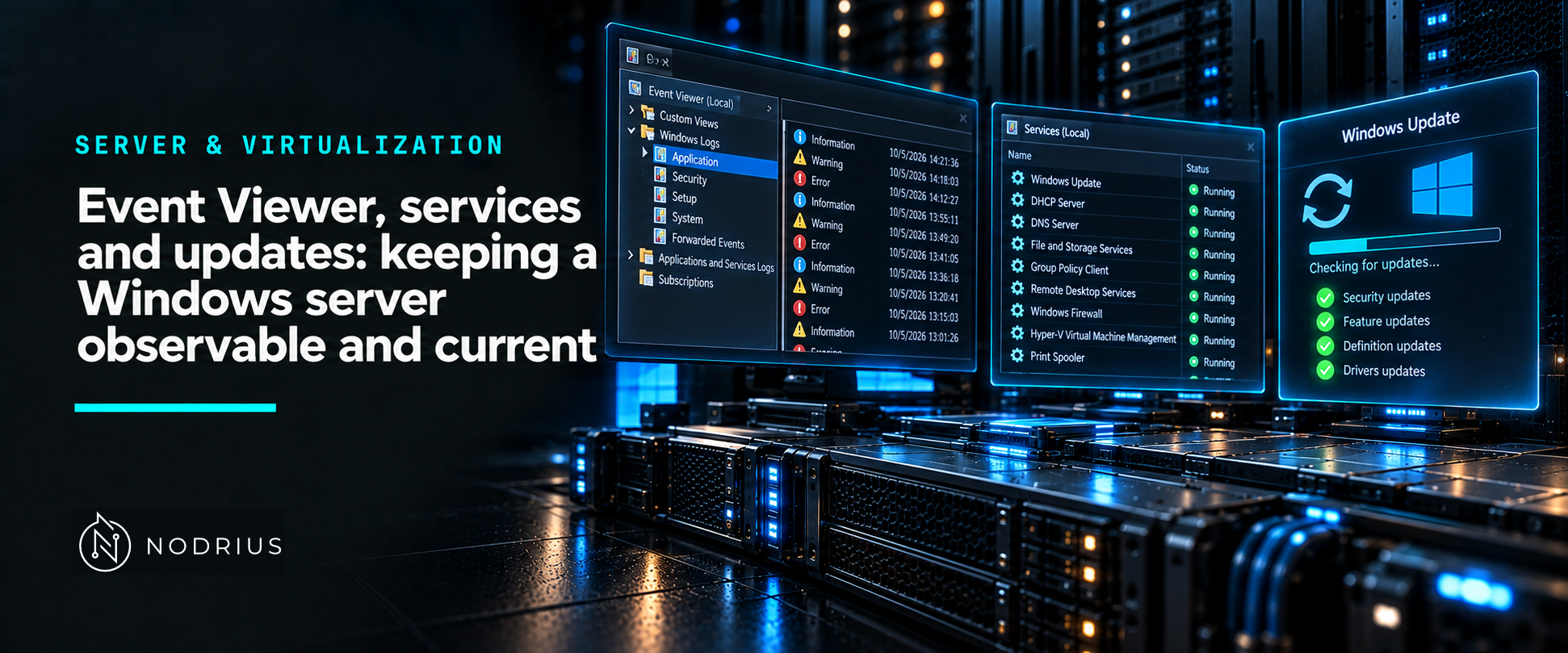
How Windows event logs are read, how services are controlled, and how updates arrive.
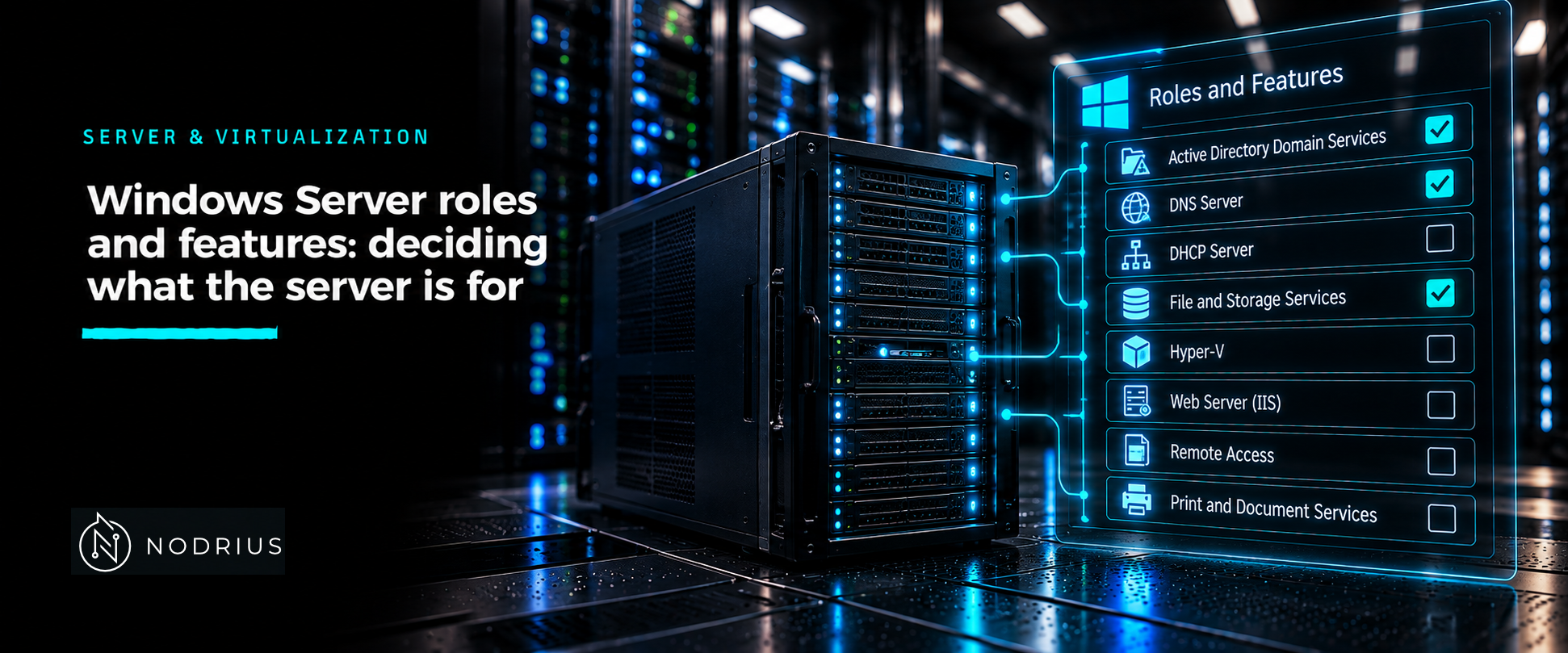
What Windows Server roles, role services and features are, and how Server Core differs.
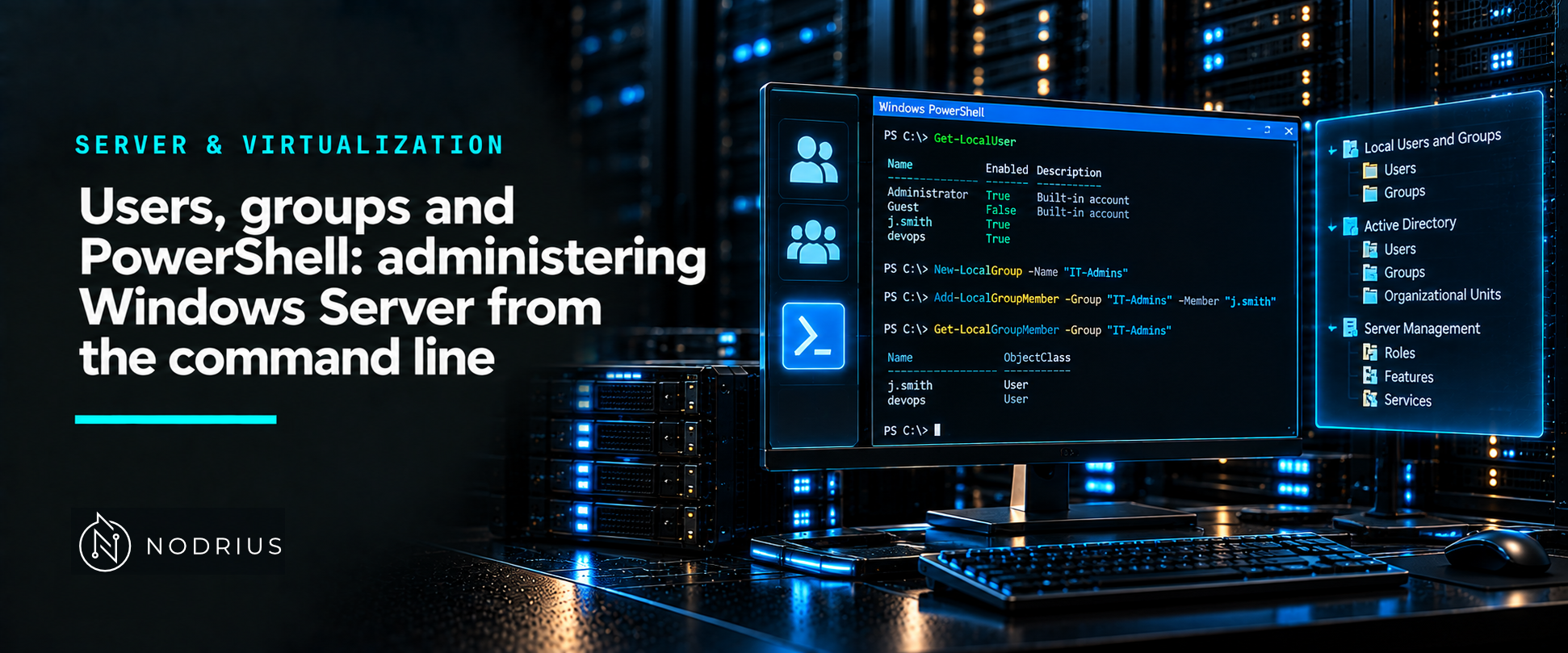
Local users and groups, NTFS permissions with icacls, and PowerShell remoting.
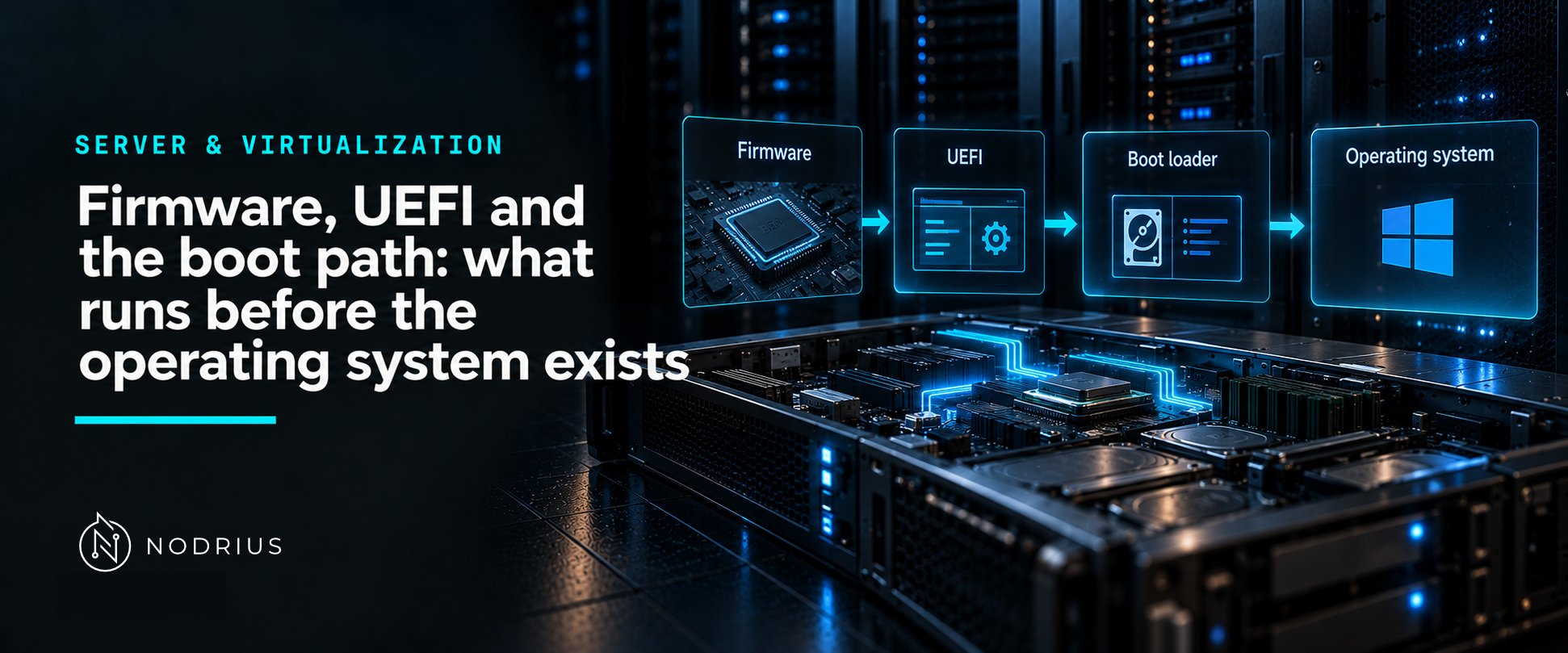
Firmware initialises the platform, chooses what boots and verifies it — all below the OS.
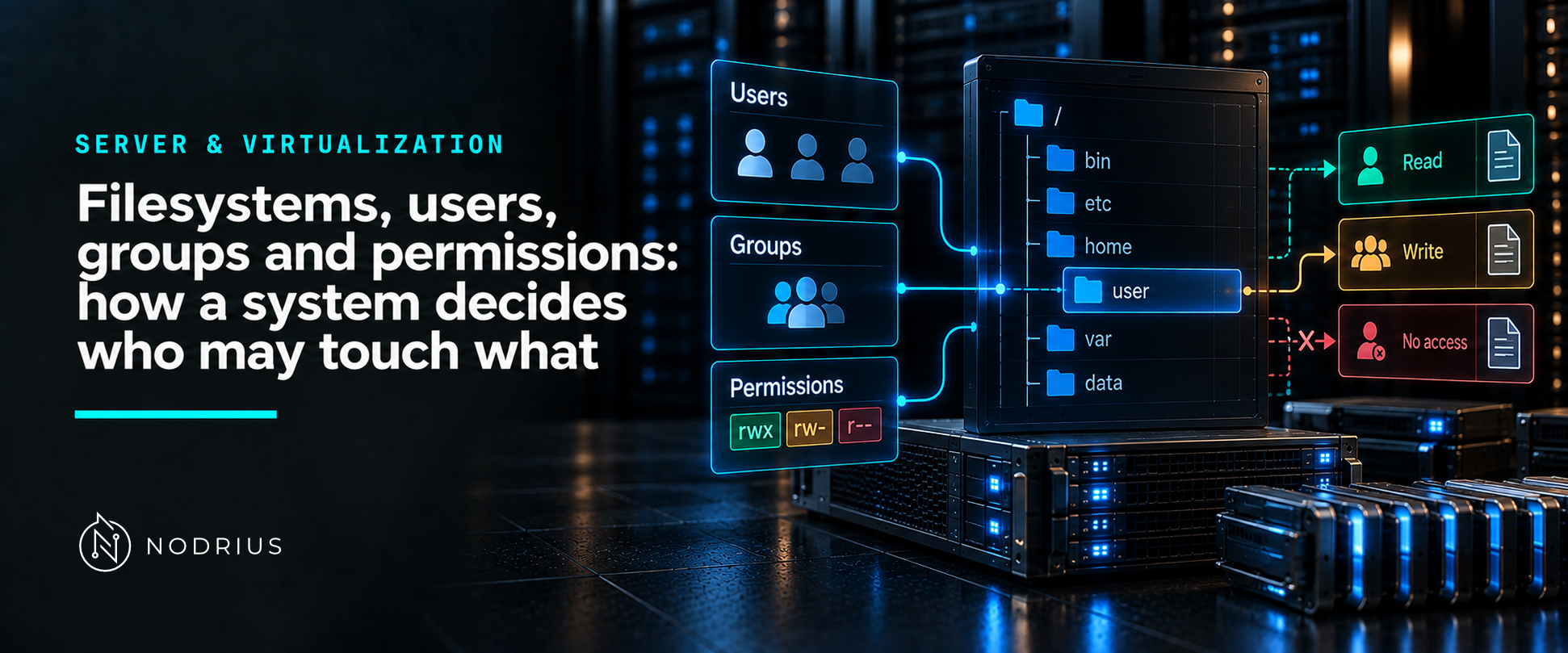
How a system decides who may touch what: mode bits, umask, ACLs and share rules.

Two conventions over the same job: configuration, packages, services, support.
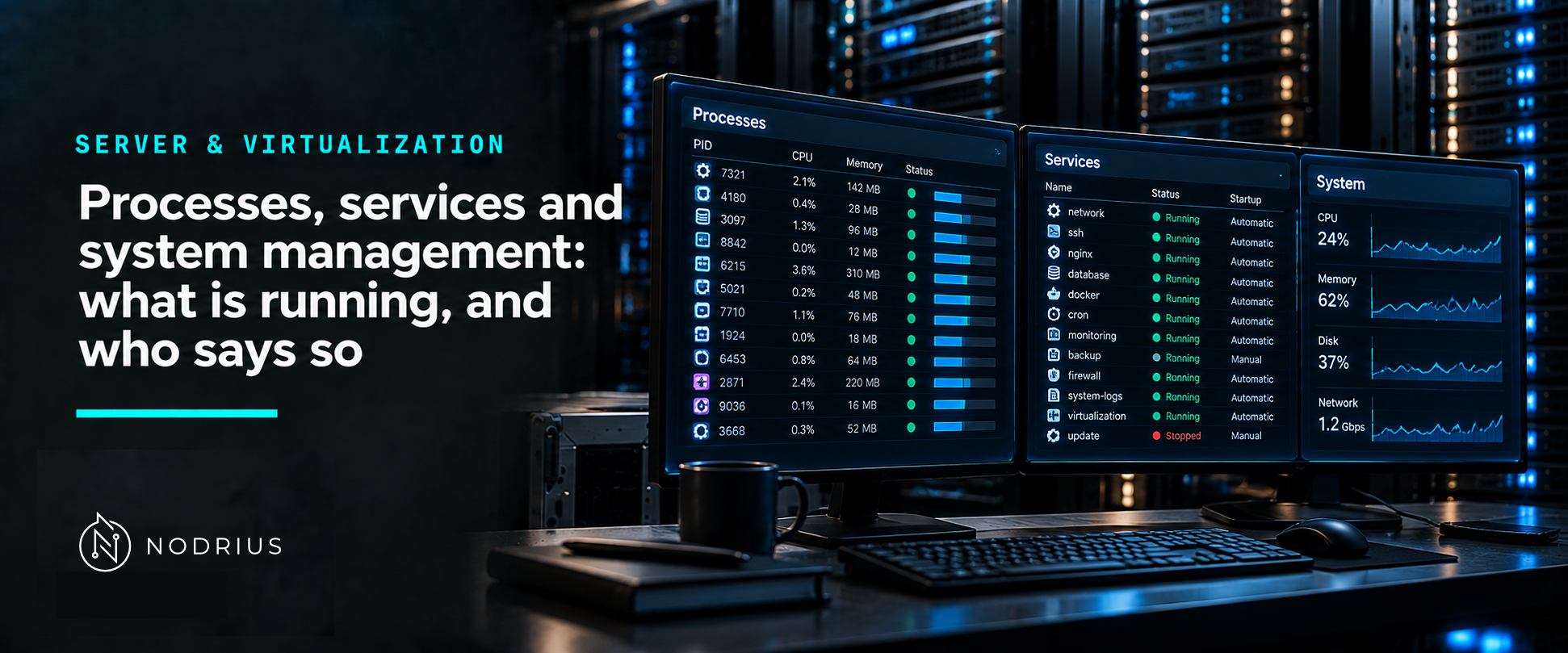
What is running and who says so: processes, services, their supervisor and its log.