
Articles
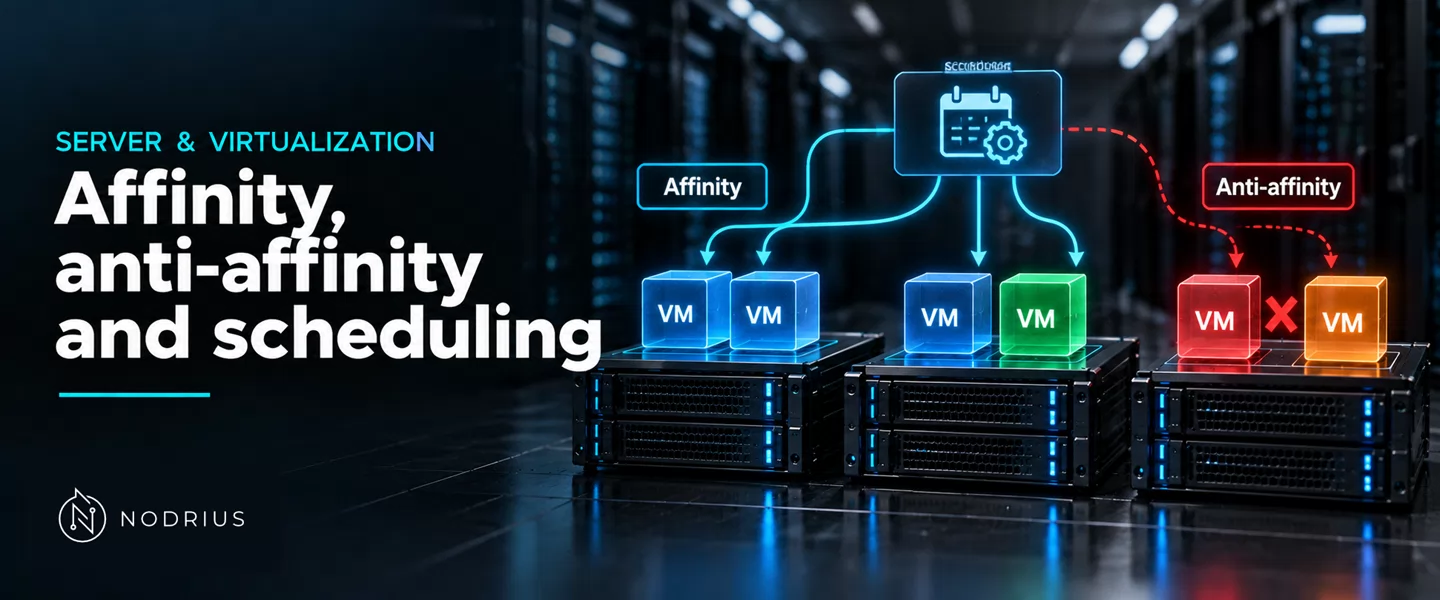
Affinity, anti-affinity and scheduling
Placement rules: keeping workloads apart, pinning them together, and what is ignored.
The layers a workload runs on and the links it uses: bare metal, hypervisor and guest, and where the real speed of a network connection is decided.
Placement rules: keeping workloads apart, pinning them together, and what is ignored.
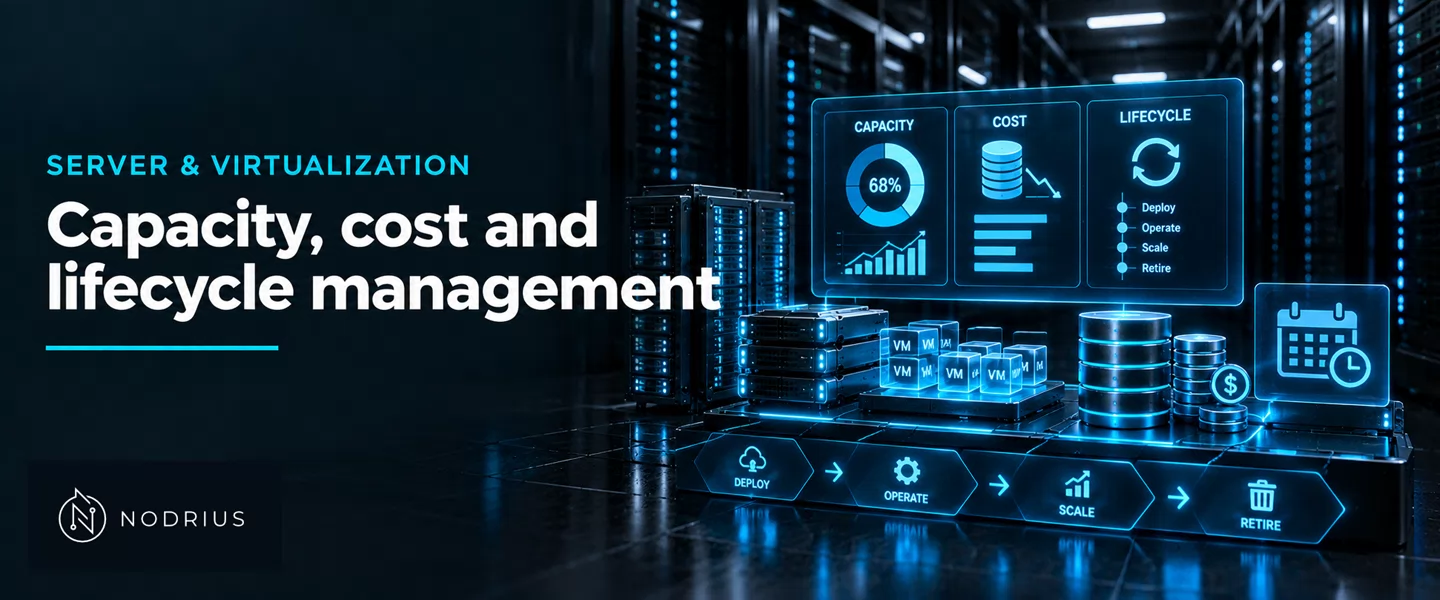
Sizing with money attached: allocation, lifecycle, and the cost of the reserve.
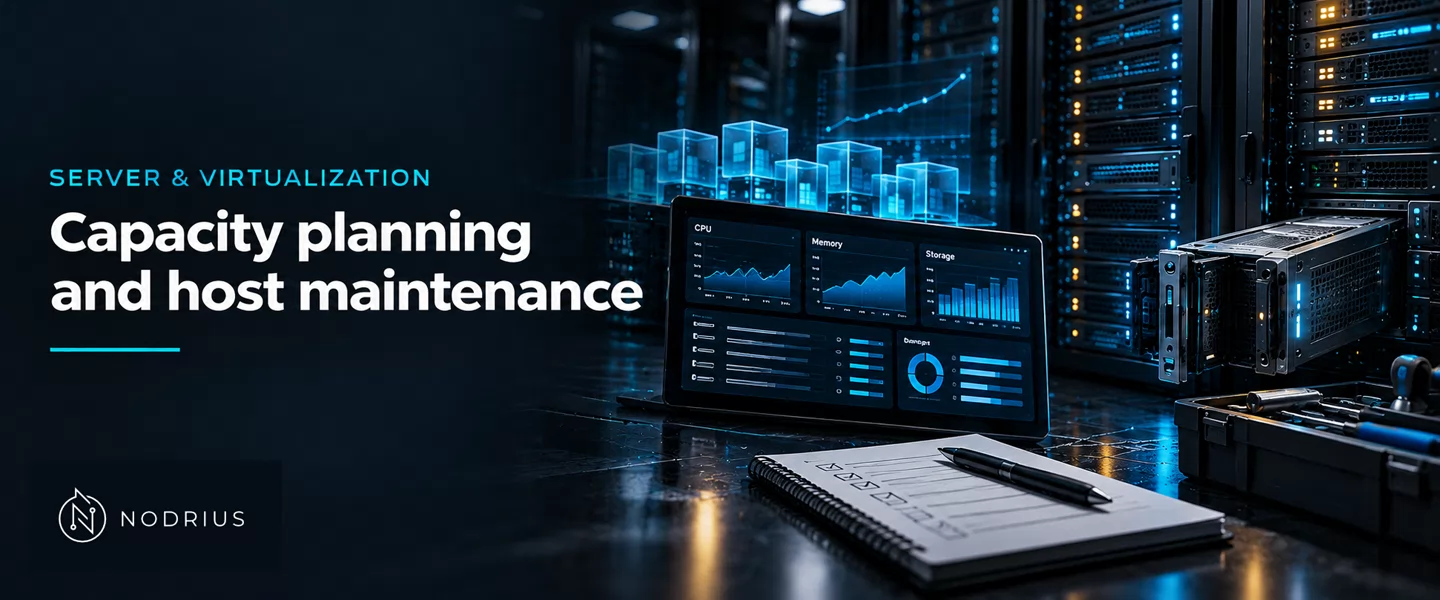
Knowing how full an environment really is, and taking a host out without an outage.
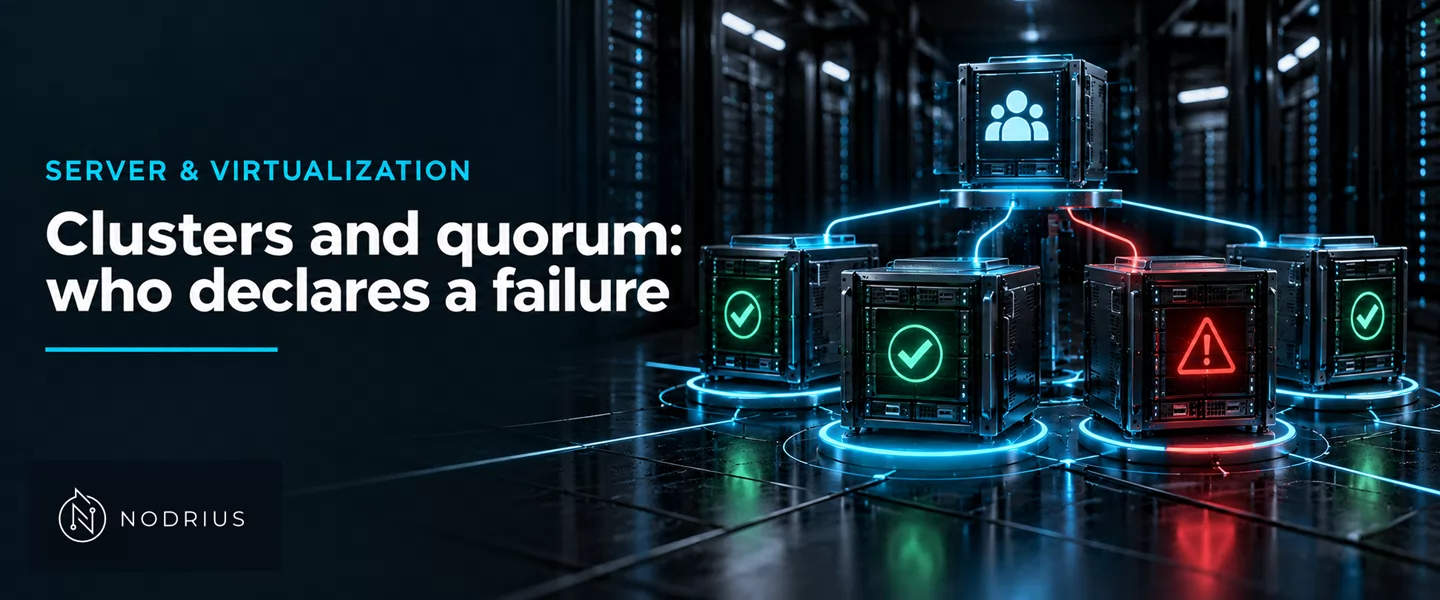
How a cluster agrees who is alive, what quorum protects, and what its loss costs.
When reality diverges from the declaration: detecting, classifying and closing the gap.
Failure domains, consensus and partial failure: why a set of hosts is not a big host.
Sharing accelerators: passthrough, vGPU, MIG and MPS, and what inference serving needs.
Restarting workloads after a failure: fencing, timeouts, and how it differs from a backup.
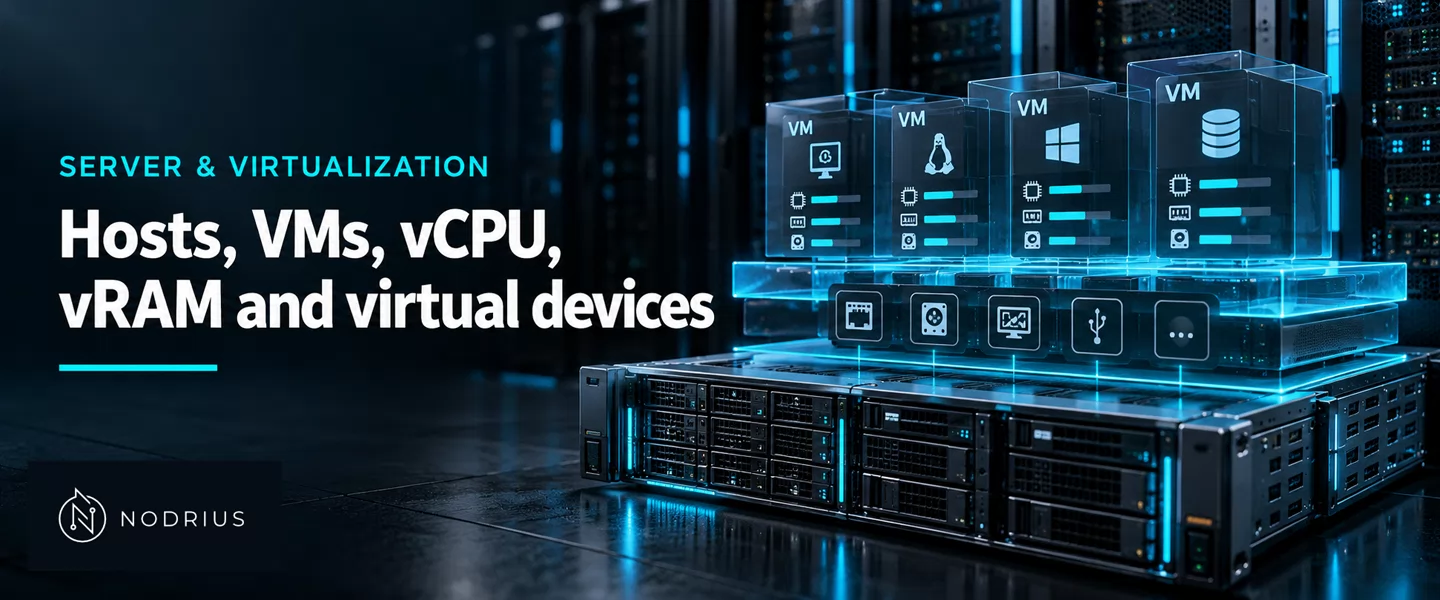
How a hypervisor exposes CPUs, memory and devices to a VM, and what is really emulated.
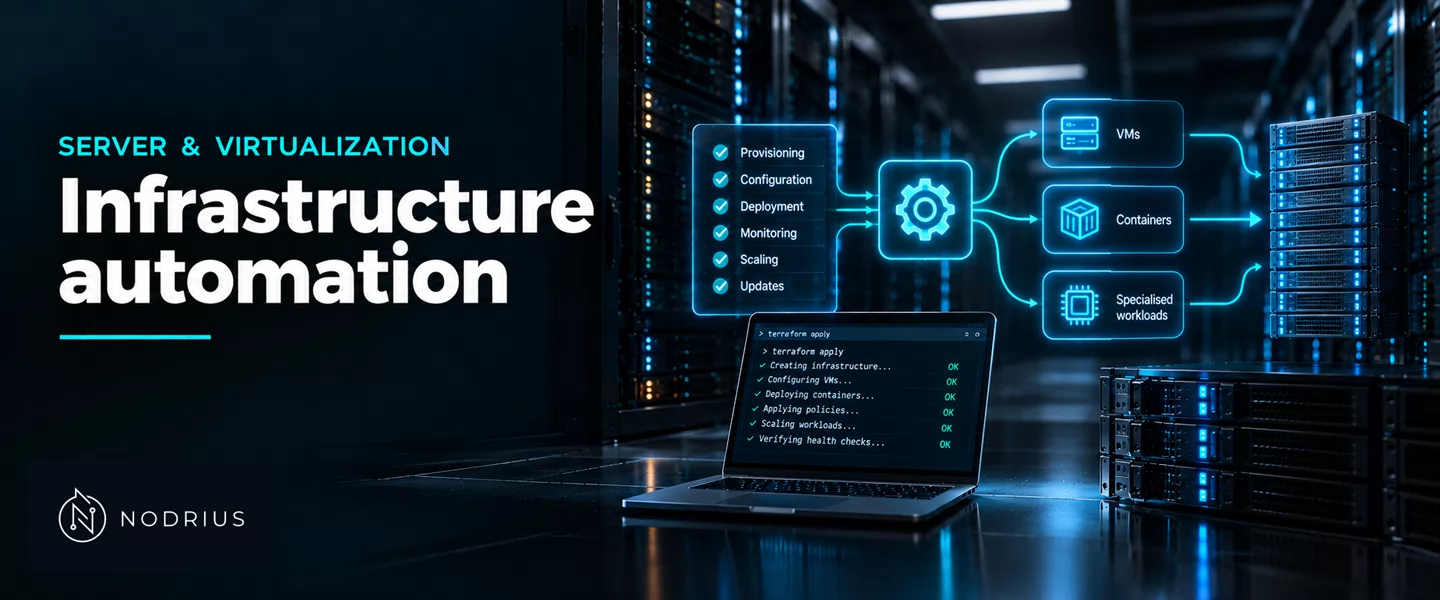
Declaring infrastructure instead of typing it: idempotence, state, and where it stops.
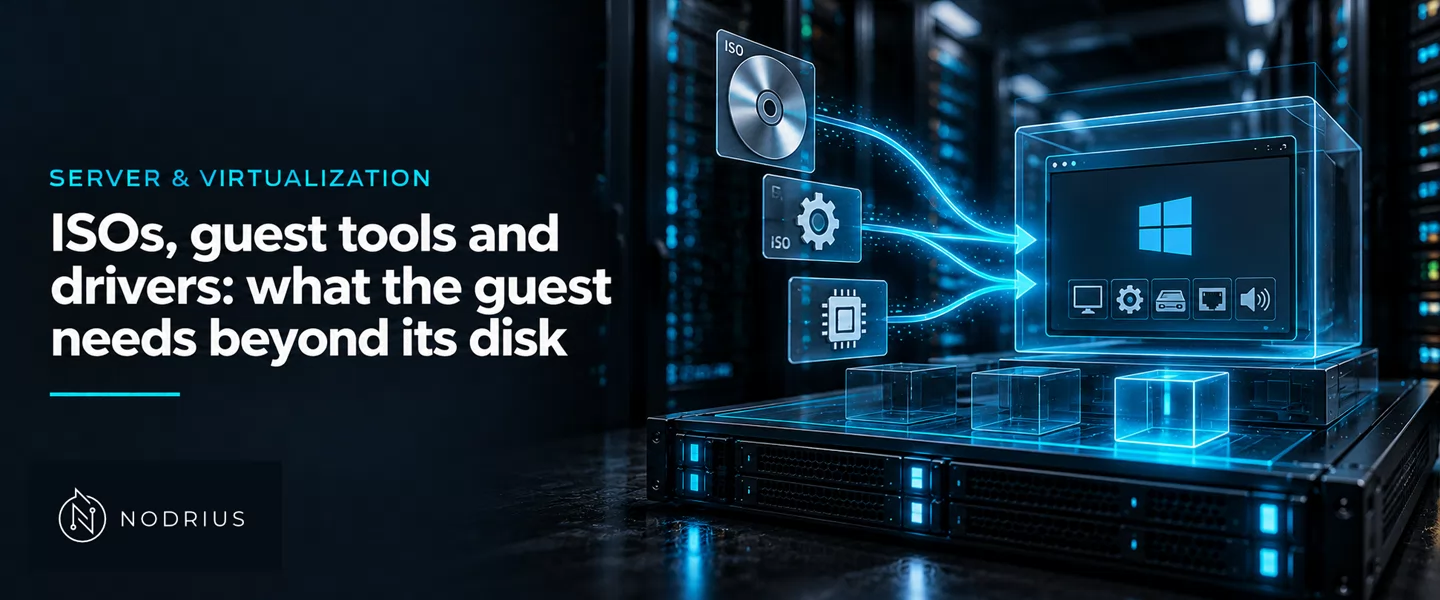
Why a guest needs its own drivers and tools, and what changes when they are missing.
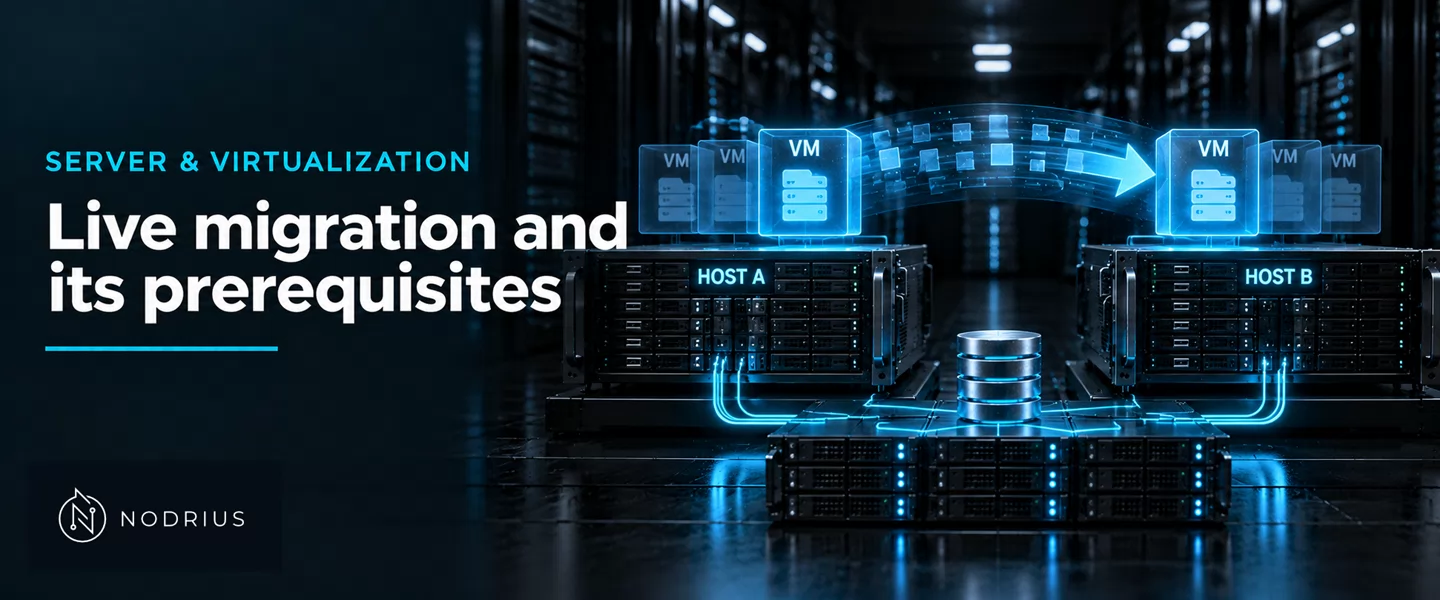
Moving a running VM: what must be shared, what must be measured, when it stops being live.
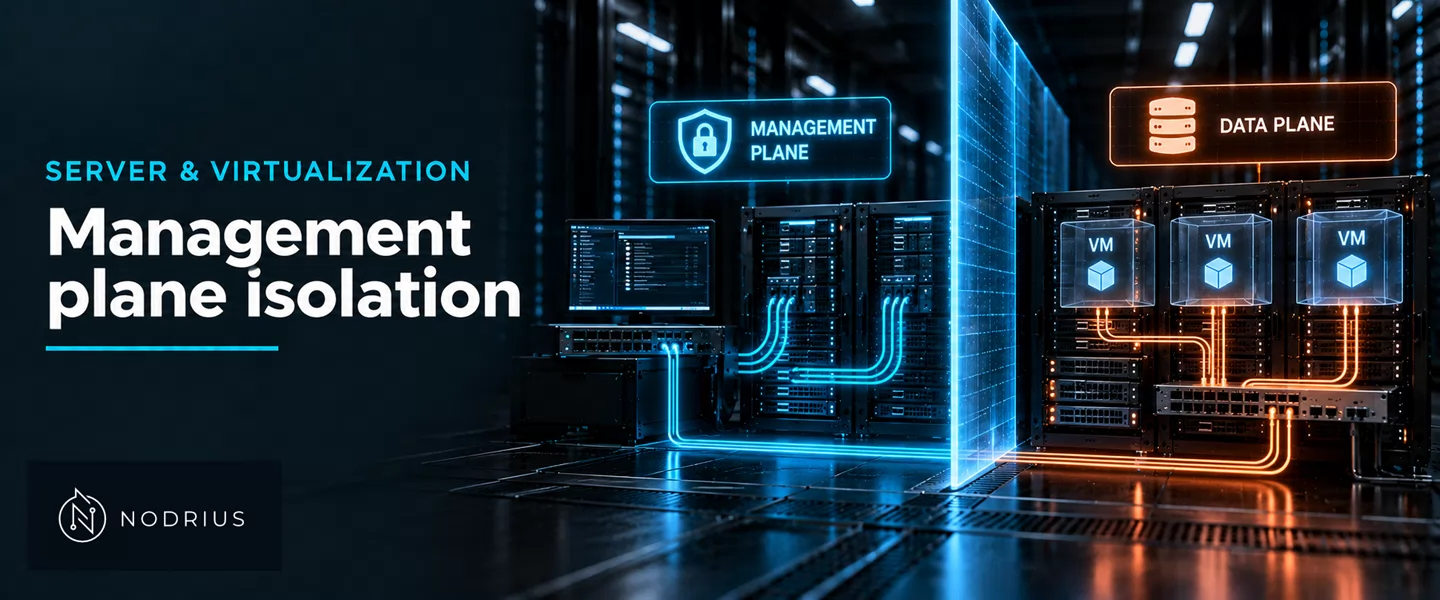
Why the management plane is the highest-value target, and how to keep it apart.
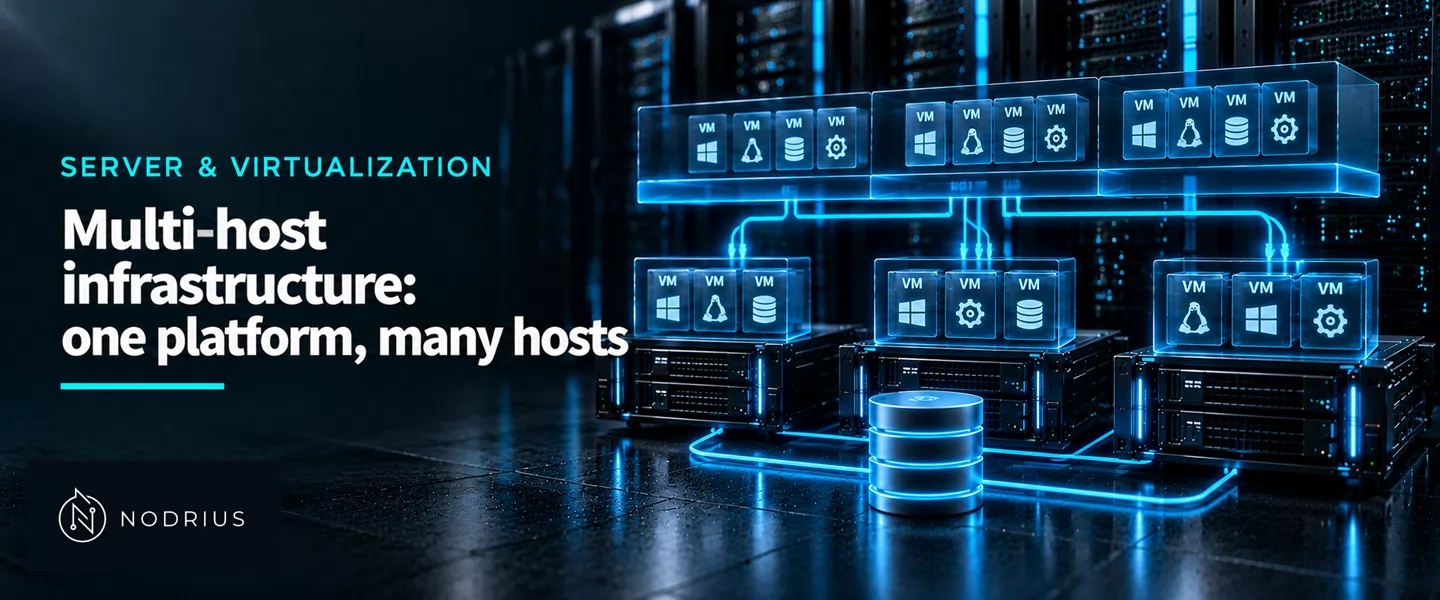
What a set of hosts shares, what it must agree on, and what each host still owns alone.
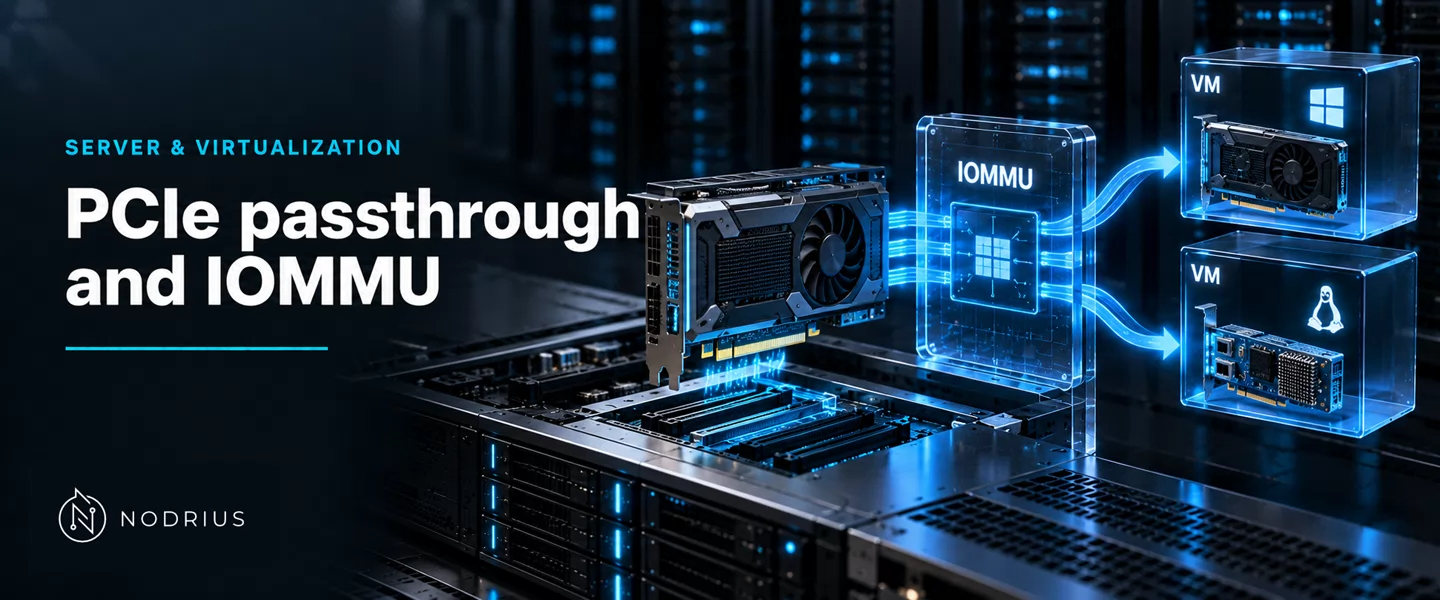
Giving a guest a real device: IOMMU groups, isolation limits and what they cost.
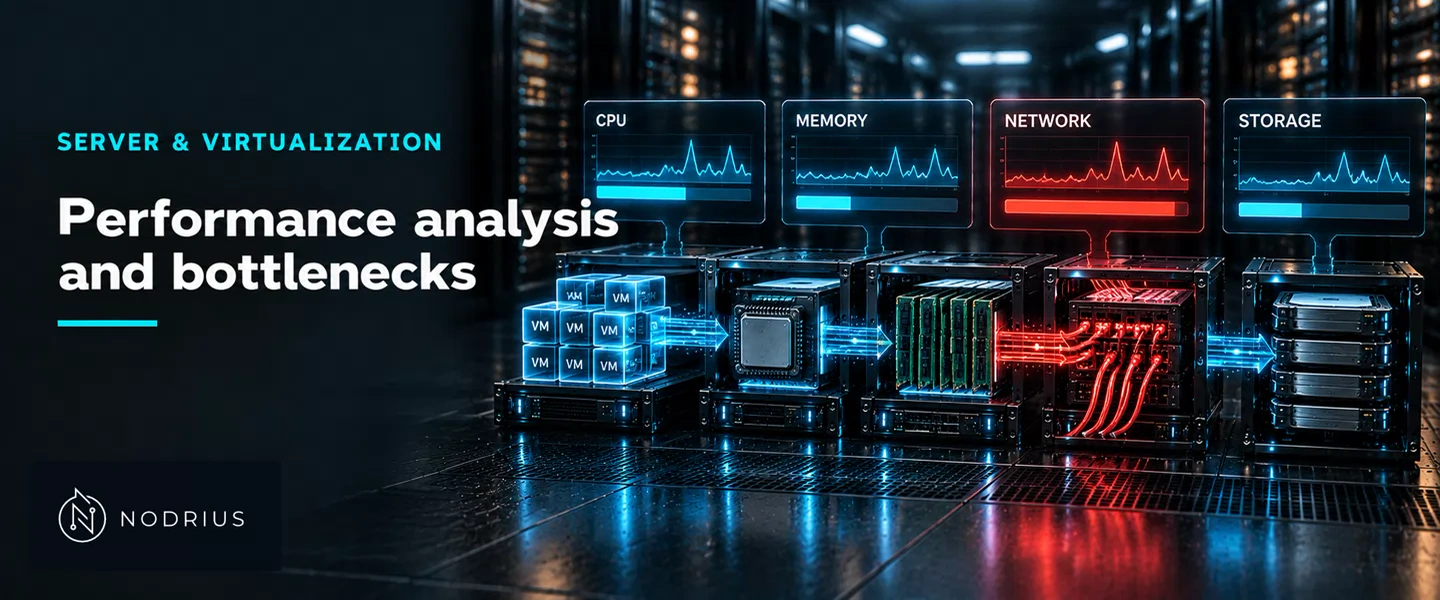
Finding the resource that binds: methodology, the tools, and what each counter proves.
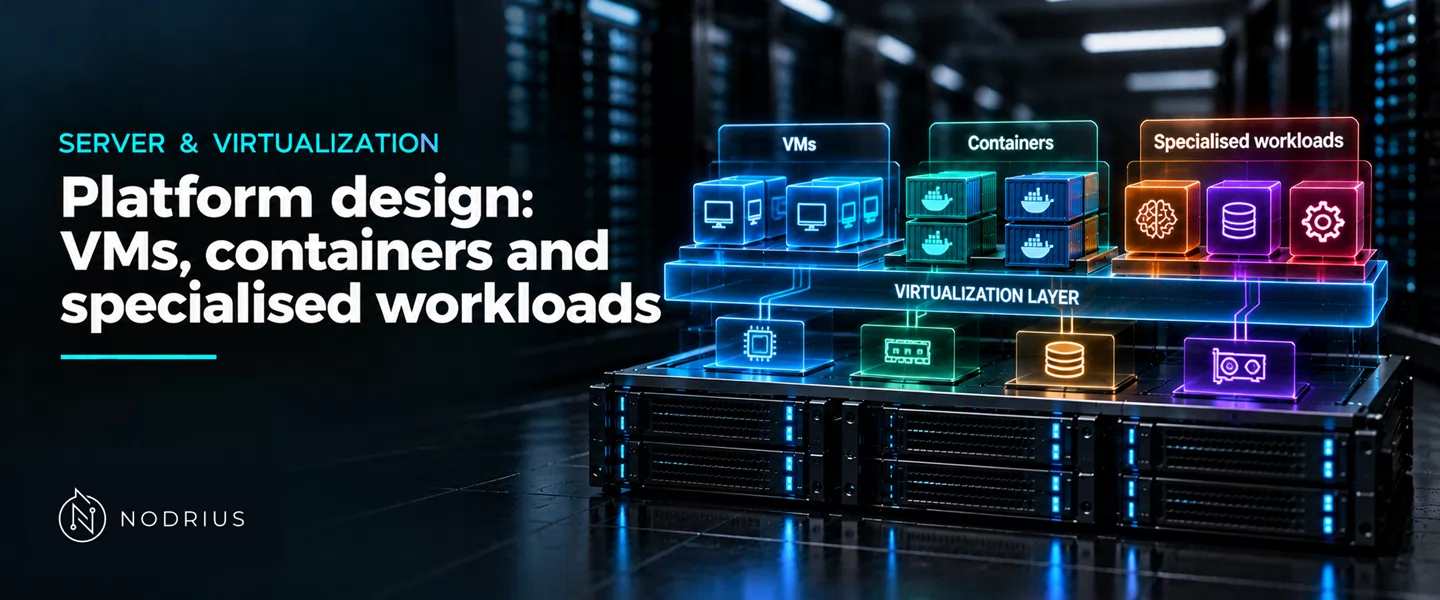
Choosing where each workload runs, and what the platform must provide to run both.
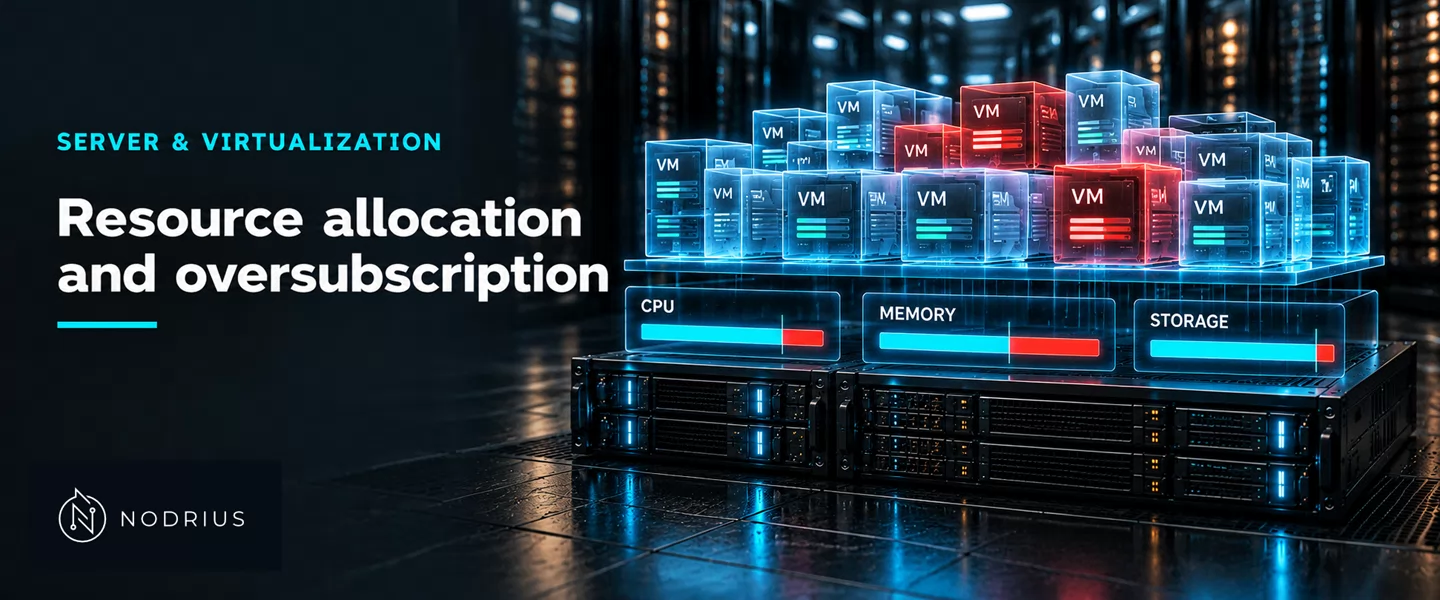
What the hypervisor promises, what it only time-shares, and where overcommit hurts.
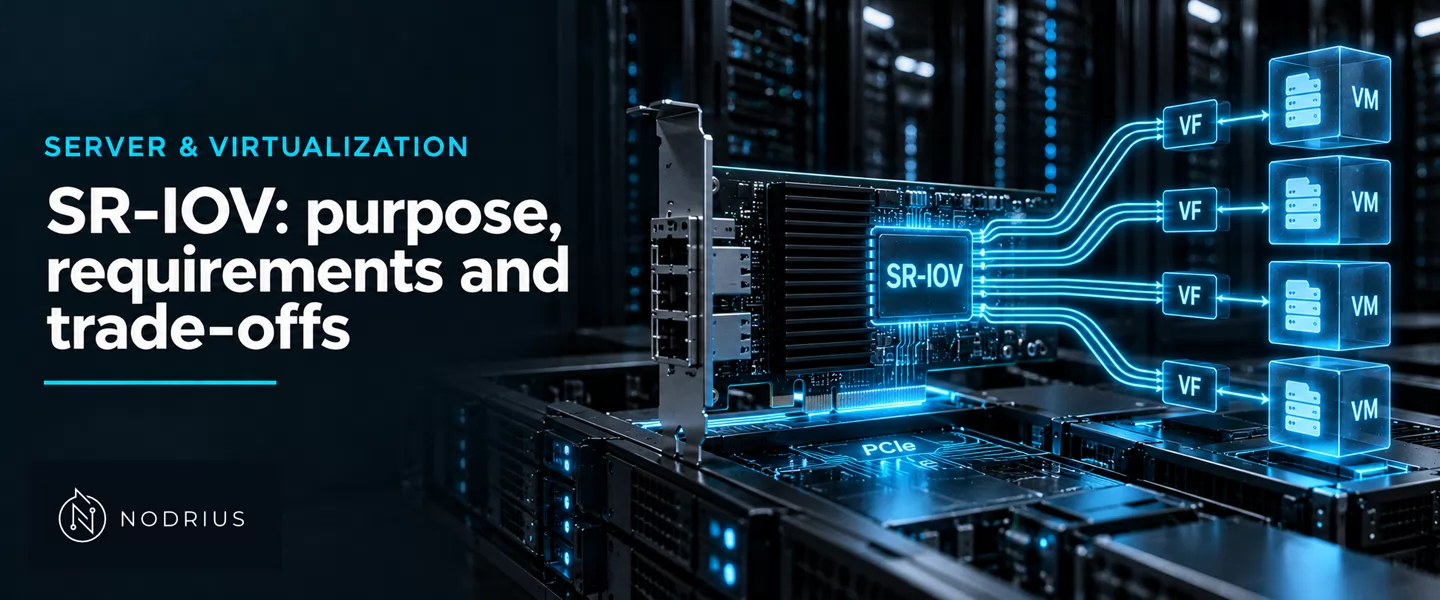
Splitting one NIC into many virtual functions: what it buys and what it gives up.
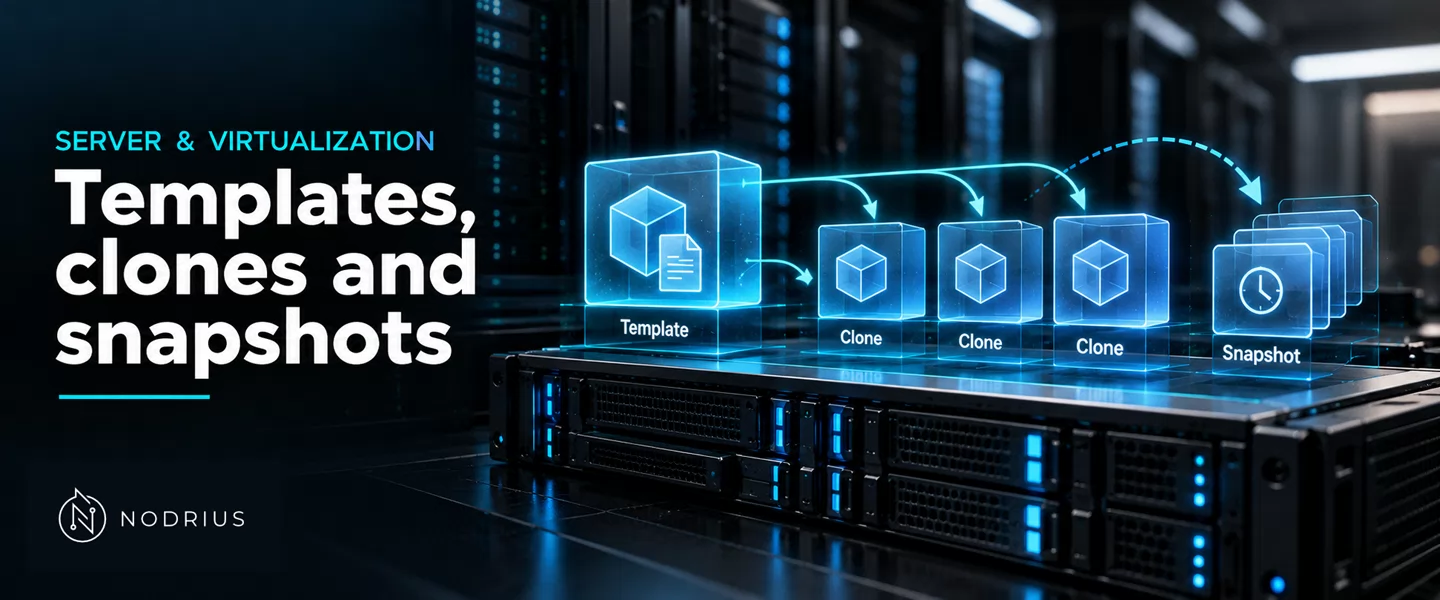
Templates, linked and full clones, and why a virtual machine snapshot is not a backup.
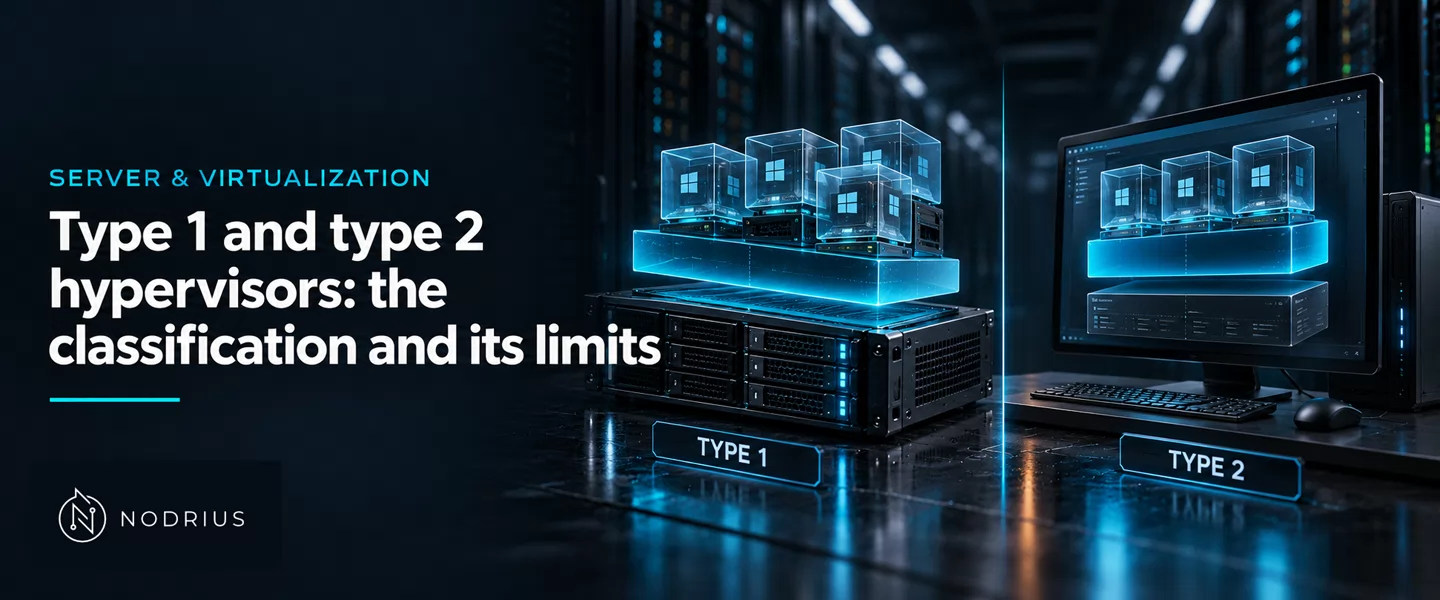
Where the VMM sits, what virtualizable means, and why the two-type label is a coarse one.
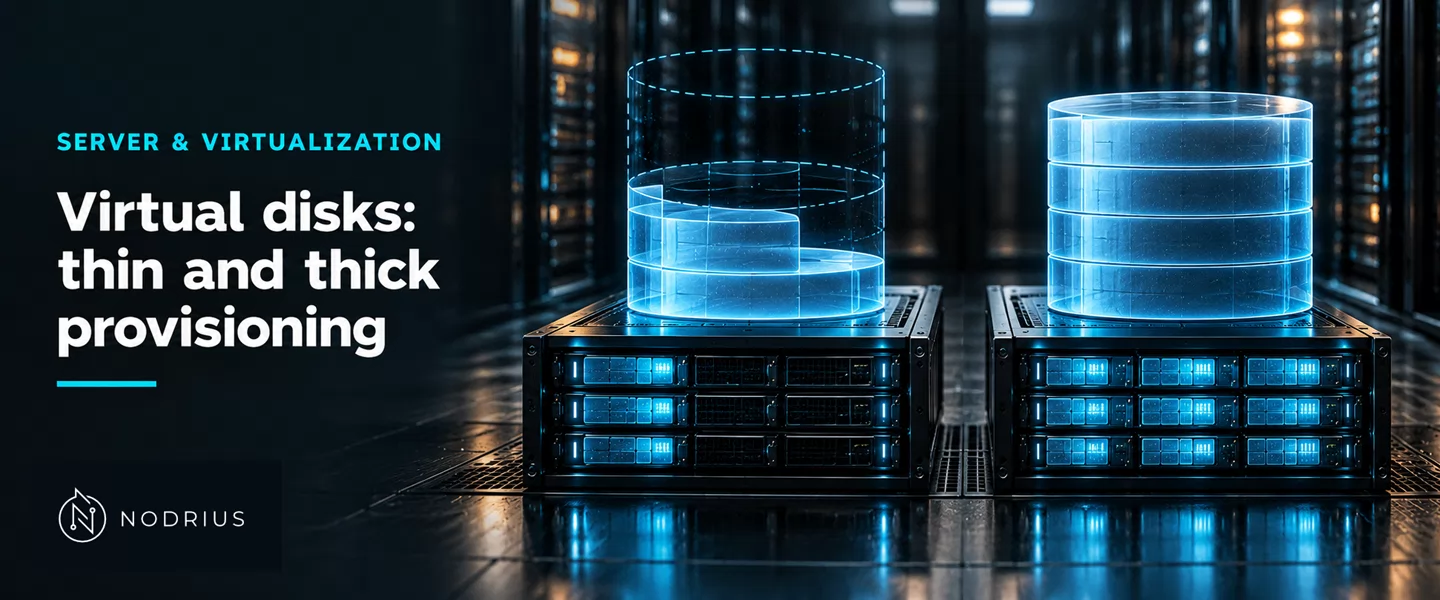
Fixed and dynamic virtual disks, thin pools and overcommit: where the capacity risk sits.
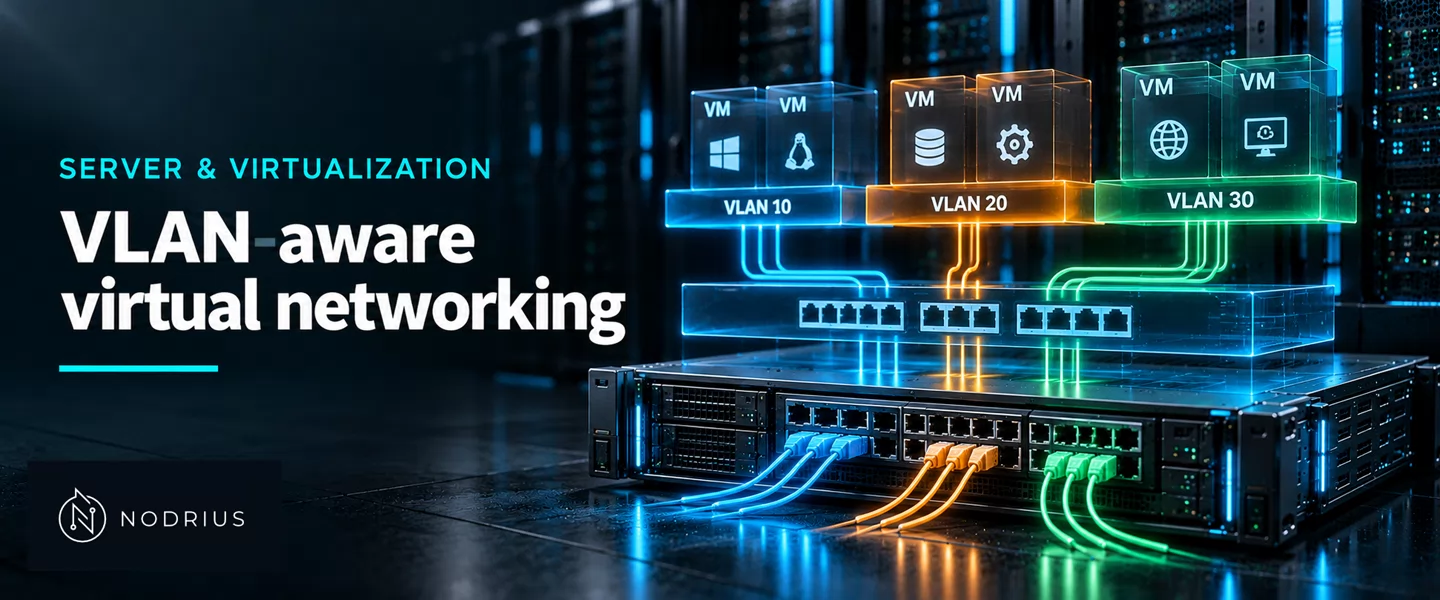
Tagging inside the host: bridges, virtual switches and the VLAN-aware virtual network.
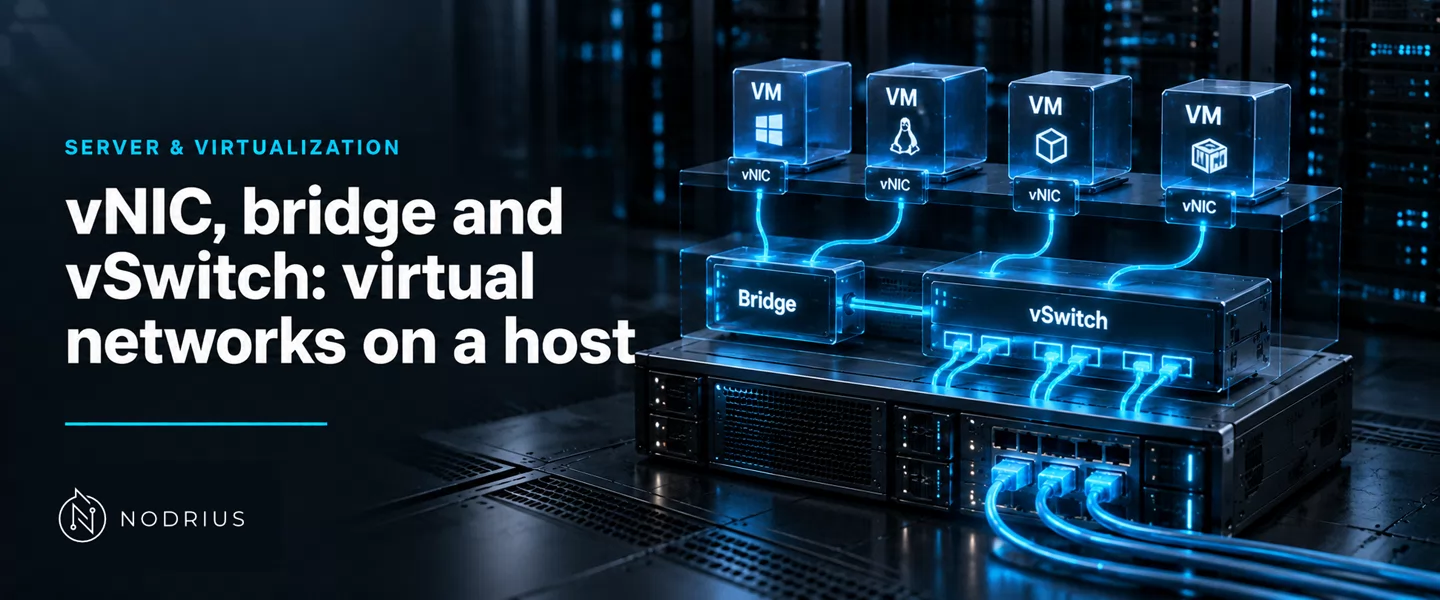
How a virtual machine gets a NIC, and how a host bridge or switch puts it on a network.
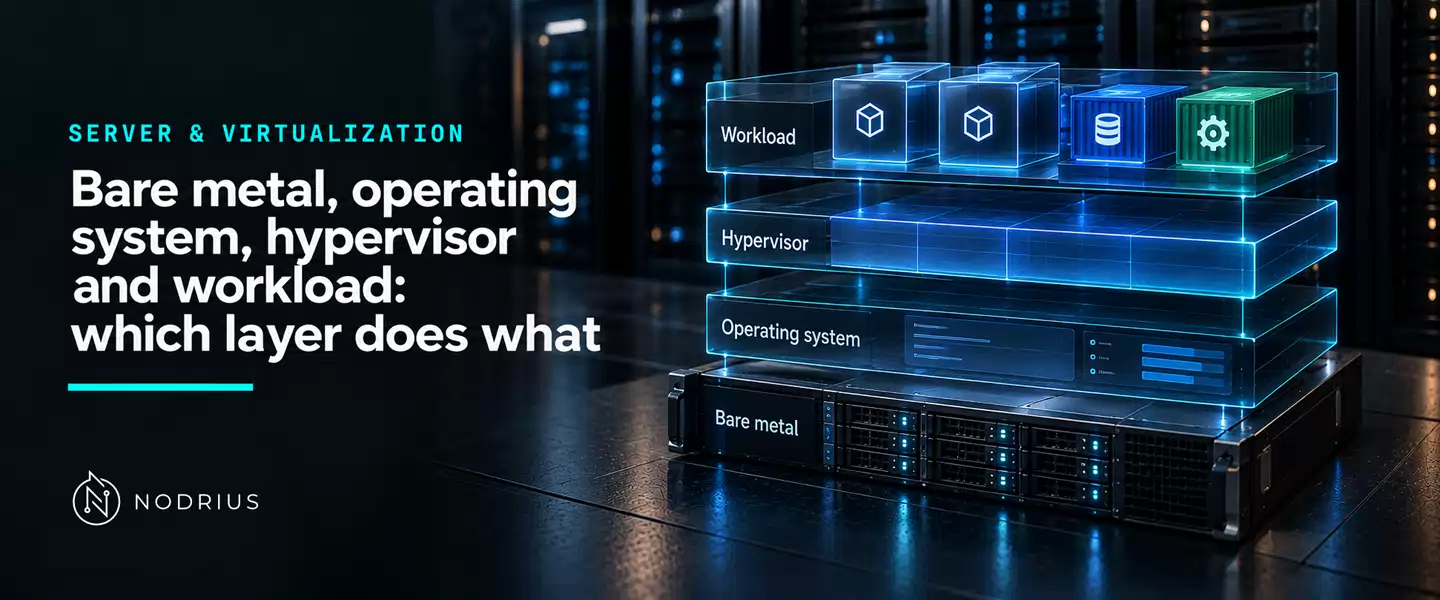
Bare metal, hypervisor, host and guest: which layer does what, and what a guest sees.
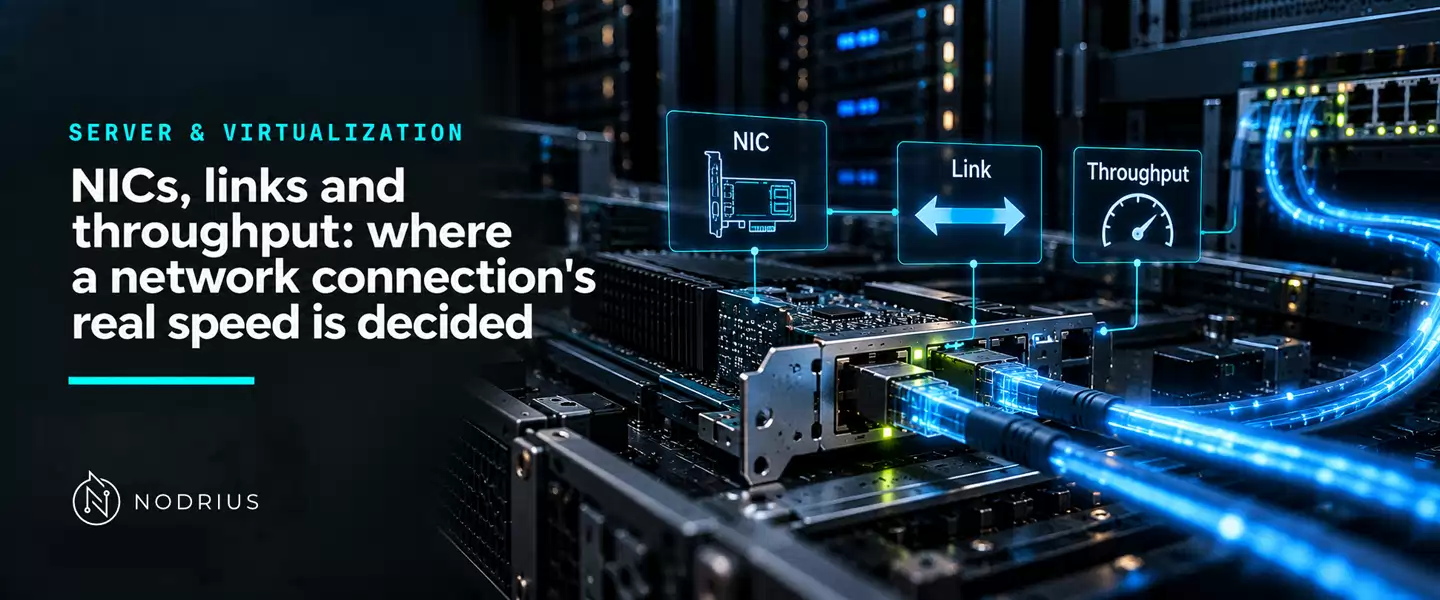
Where the real speed of a link is decided: adapter, medium, frame size and host CPU.