
Articles
AI in network operations: the reviewer stays in the loop
What an AI assistant may do in network operations, and the approval a change still needs.
The services a network provides for itself: DNS records and resolution, DHCP scopes, leases, reservations and relay, and keeping clocks aligned with NTP.
What an AI assistant may do in network operations, and the approval a change still needs.
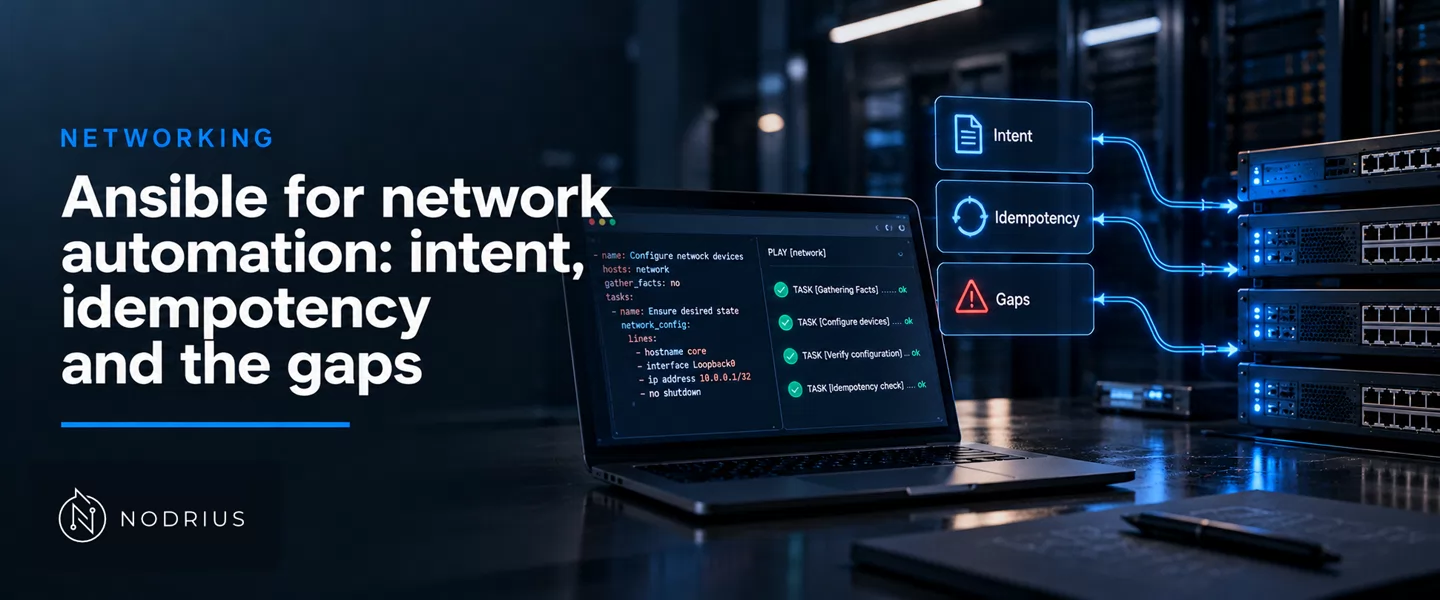
A play can declare the end state; getting the device there is the other half of the job.
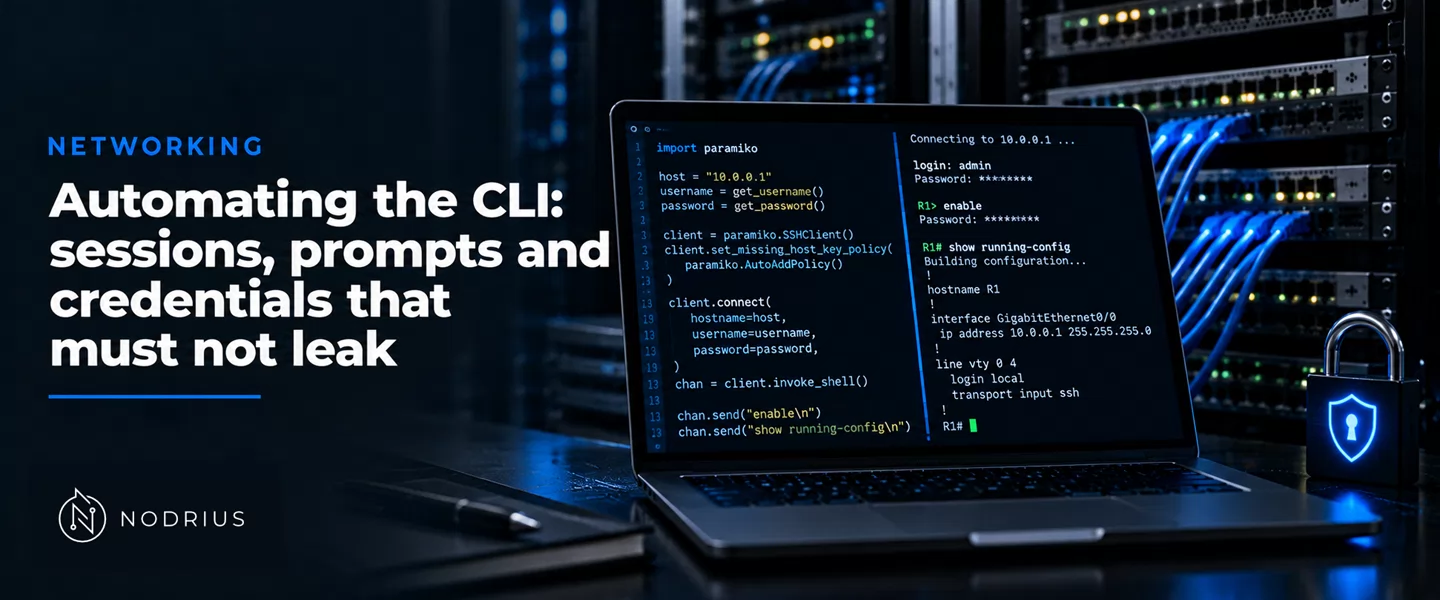
Over SSH a CLI is text: why its output is untrusted and where the credential lives.
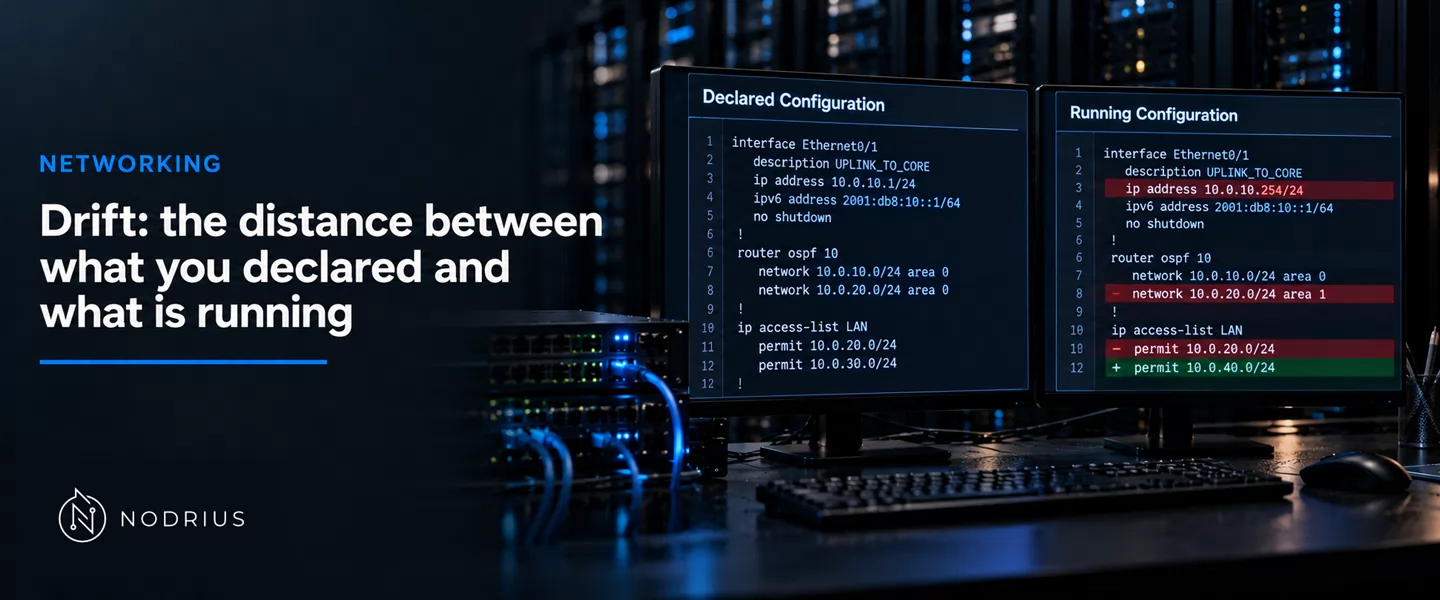
Three states, not two: measuring how far a network drifted from what you declared.
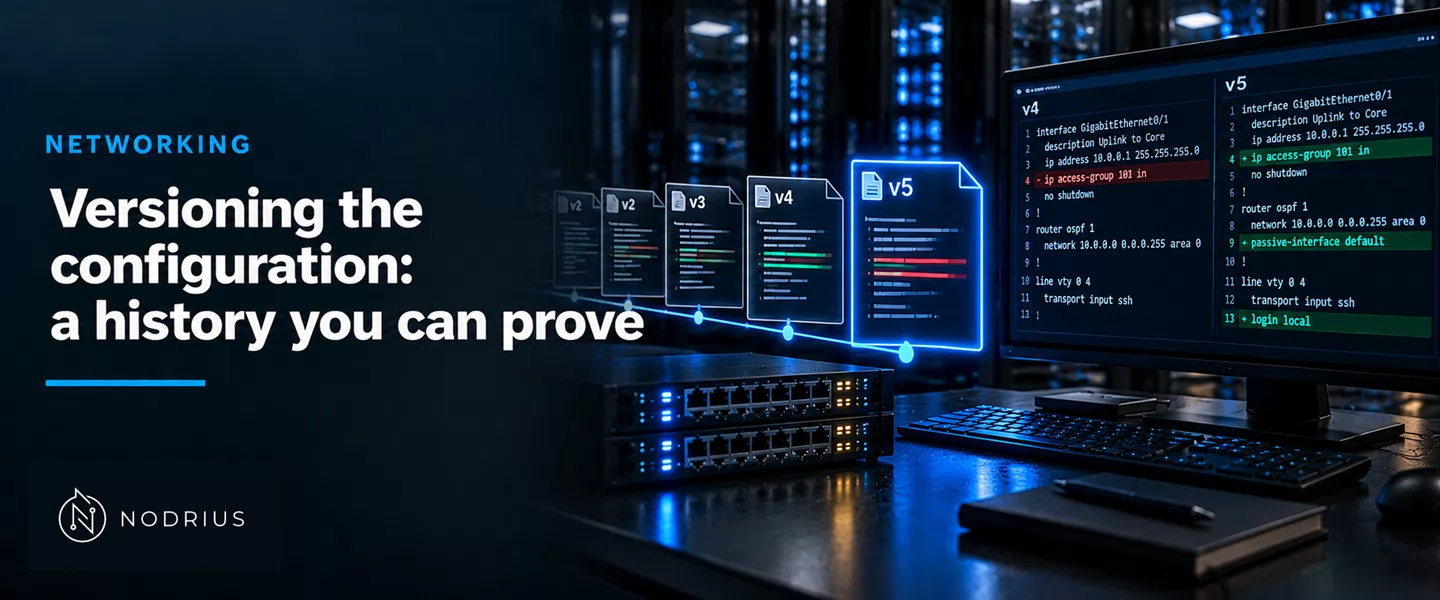
An archive answers what changed and why; only the device says what is running now.
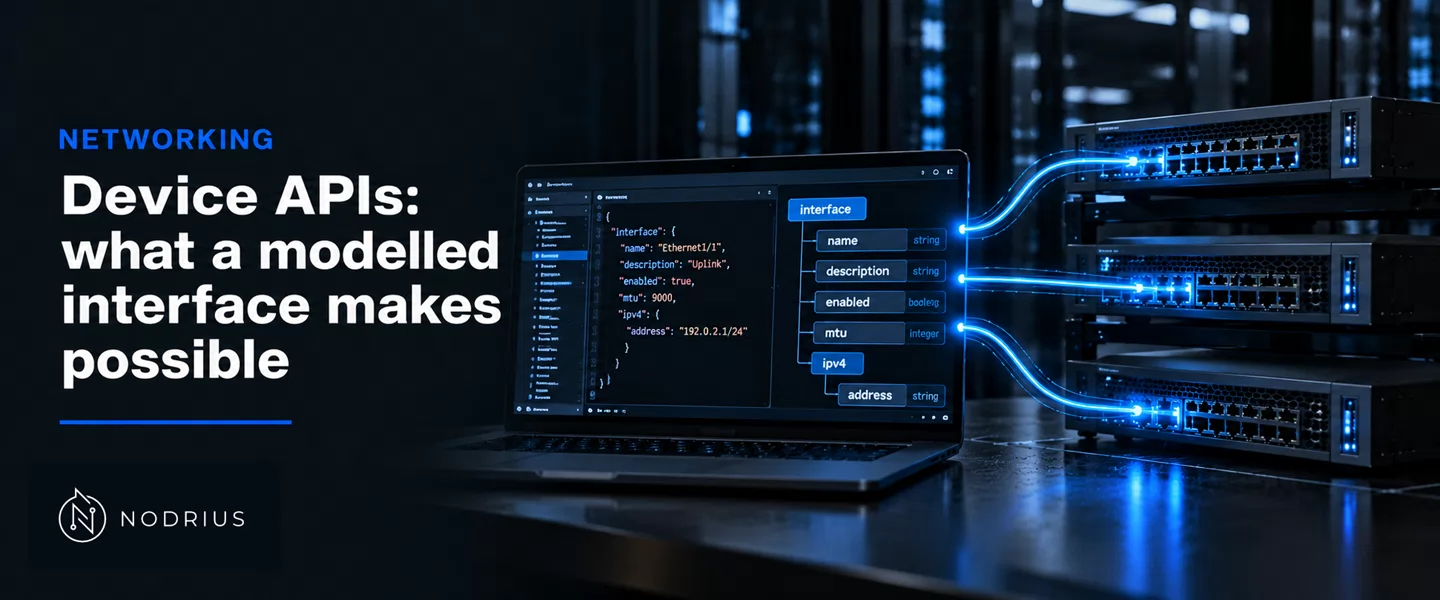
A declared schema and a screen of text are different promises to the caller.

Who may answer a name, and how the answer is proven genuine before anything acts on it.

Each source of network evidence answers one question well, and leaves the rest open.

How flow telemetry turns packets into records, and what a record can and cannot show.
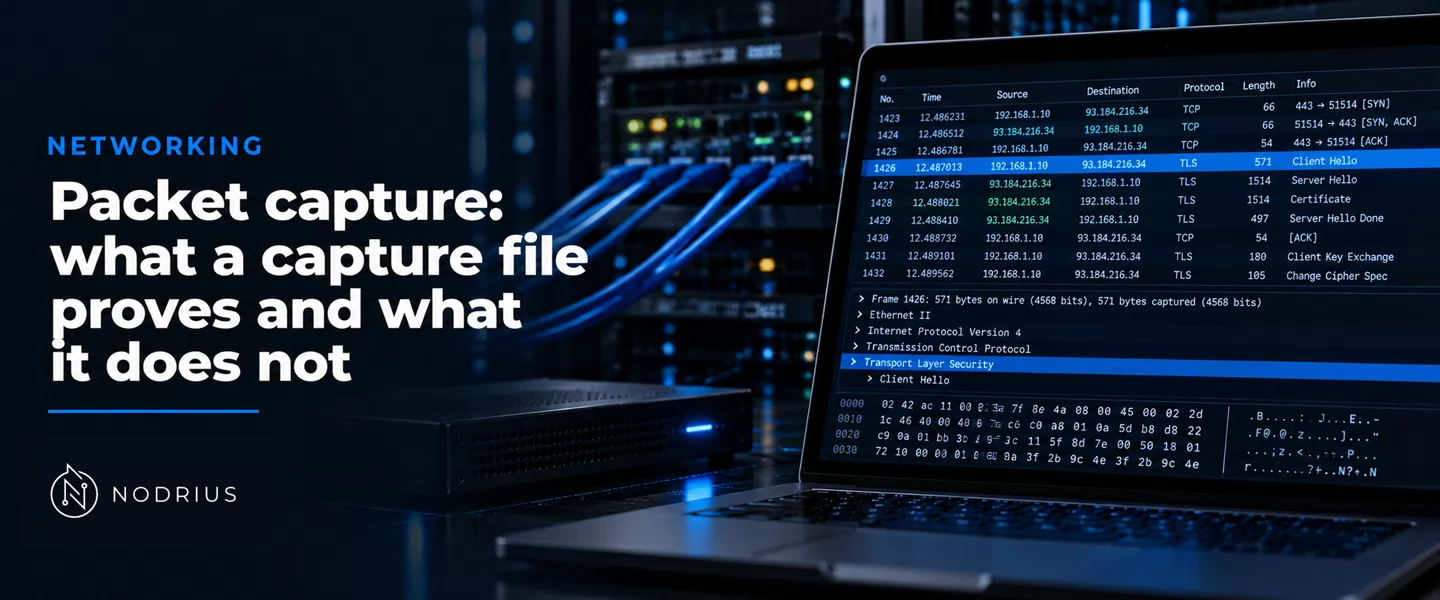
Where a capture is taken, and how much of each packet it keeps, decide what it can prove.
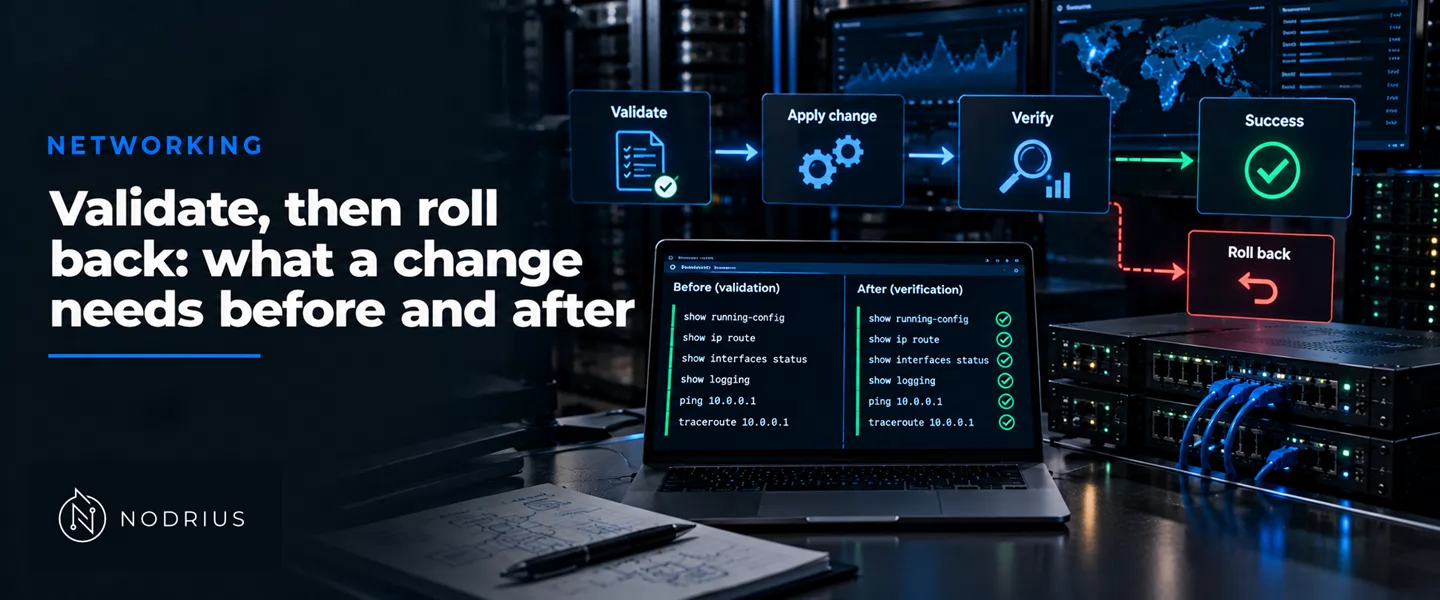
A change needs proof it can apply, proof it is in use, and a prepared way back.
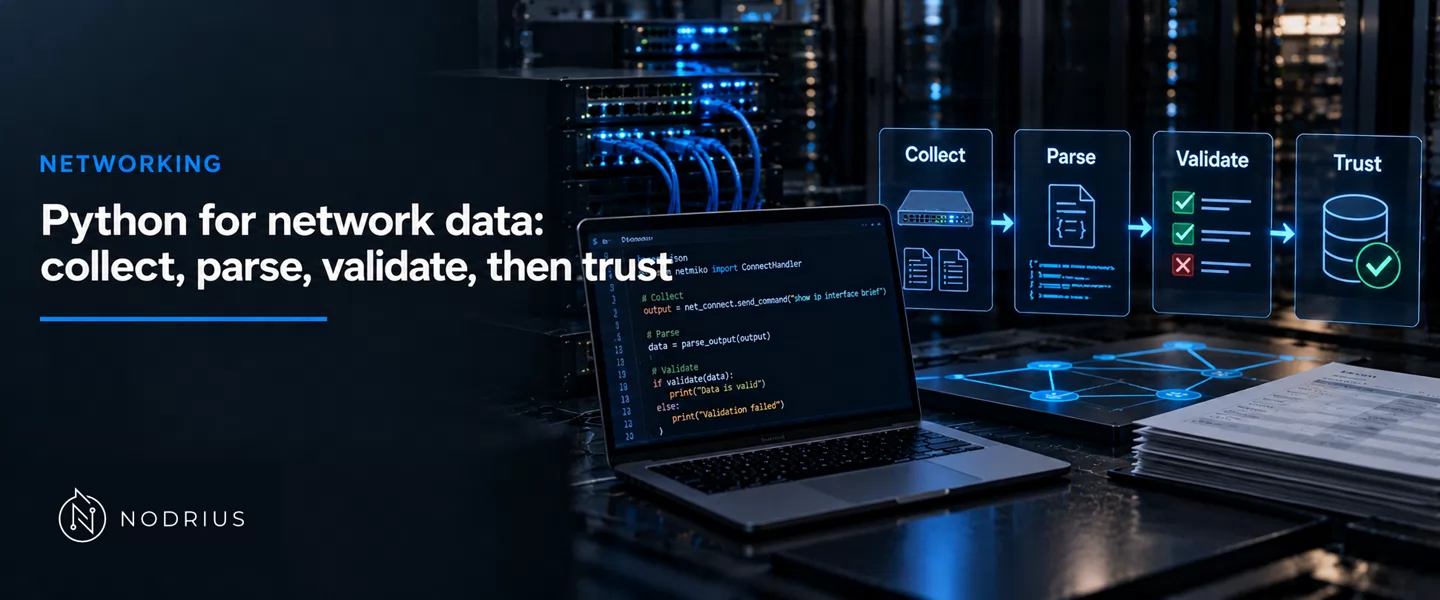
A network reply becomes a decision only after a gate decides whether it can be trusted.

Polling is a pull the manager starts; a trap or an inform is a push the agent starts.
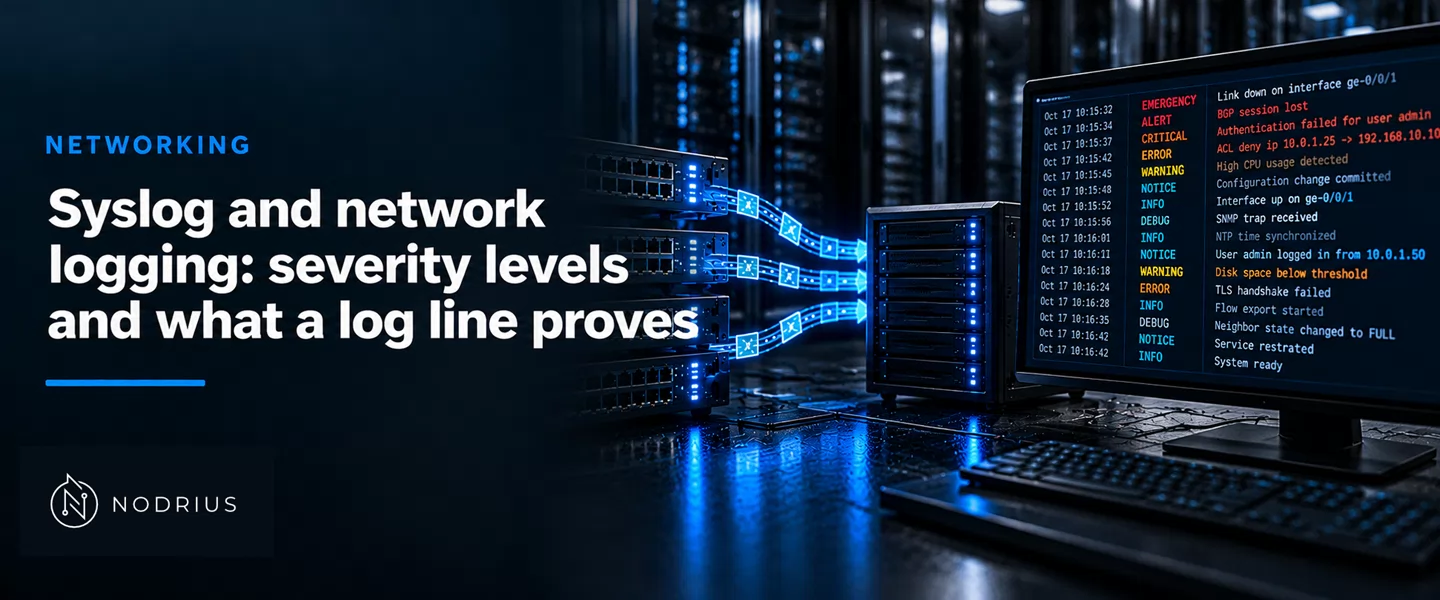
Severity steers handling; it never certifies that the claimed event occurred.

An inventory says which devices, variables say what, and precedence decides who wins.
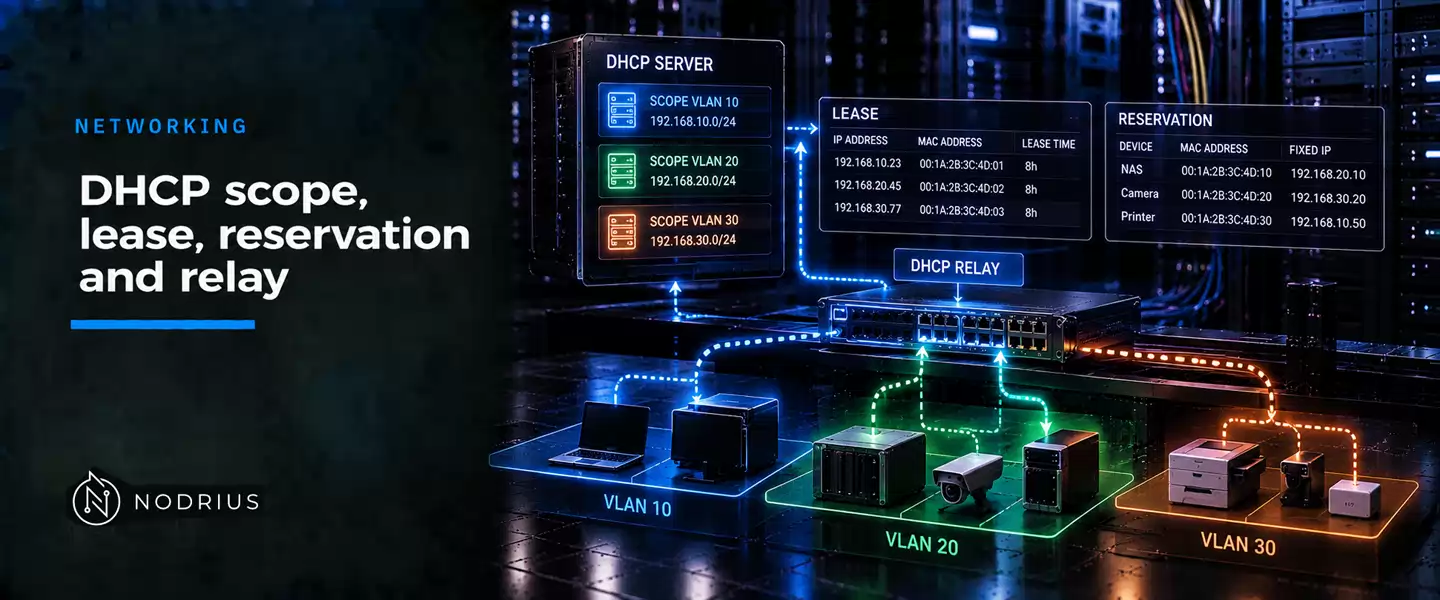
How a DHCP server is scoped to a subnet, how leases and reservations decide which address a client gets, and how a relay agent lets one server serve other segments.
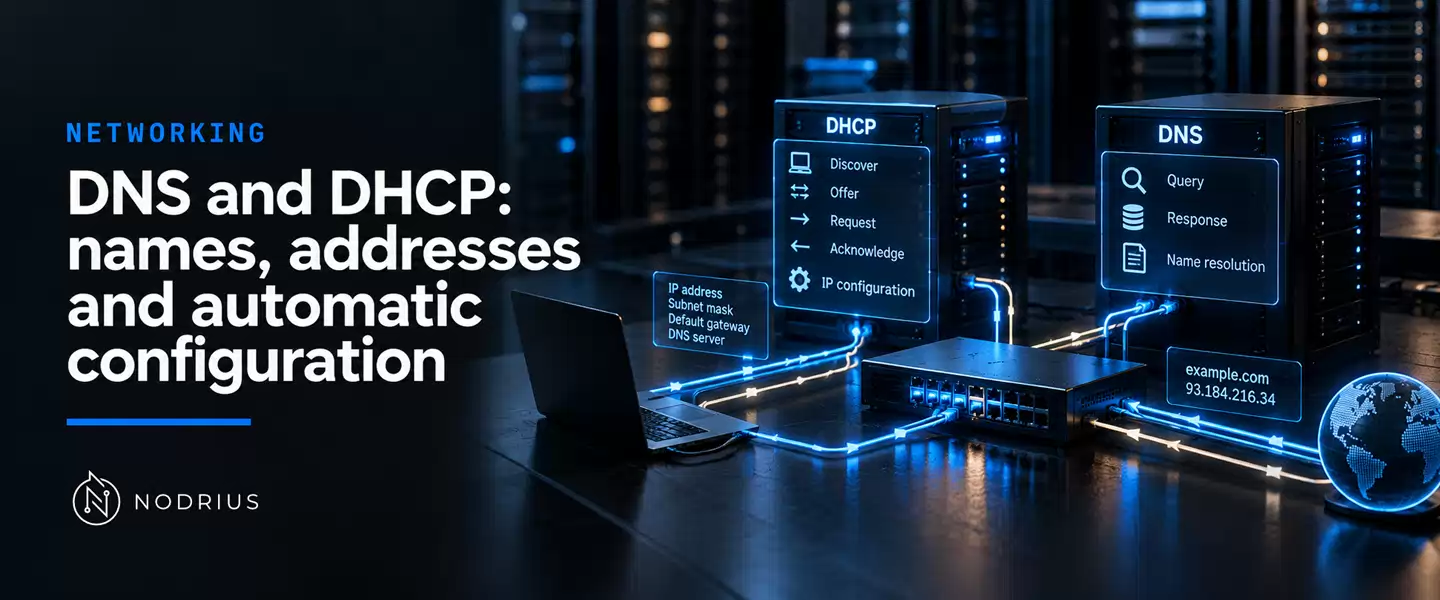
What DNS and DHCP each solve, how resolution and address assignment actually work, and why both are unauthenticated by default.
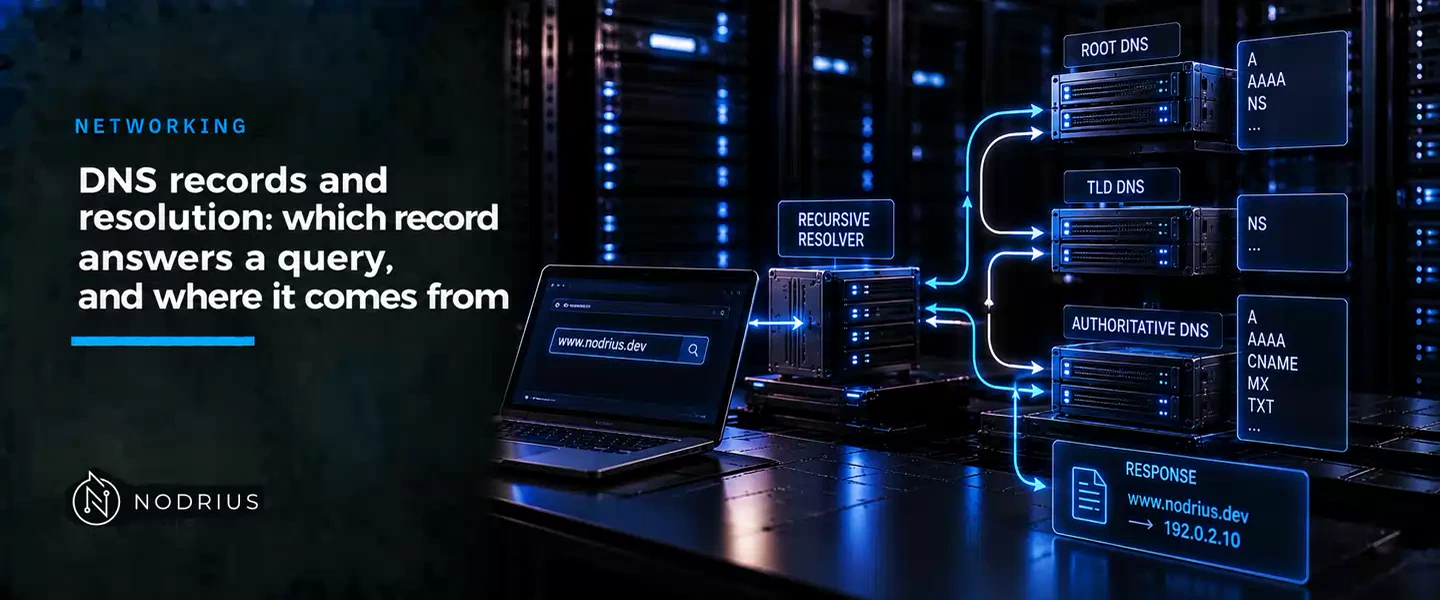
How the common DNS record types answer different questions, how a resolver walks the delegations to the authoritative server that owns a name, and how a Cisco IOS-XE device resolves and serves names.
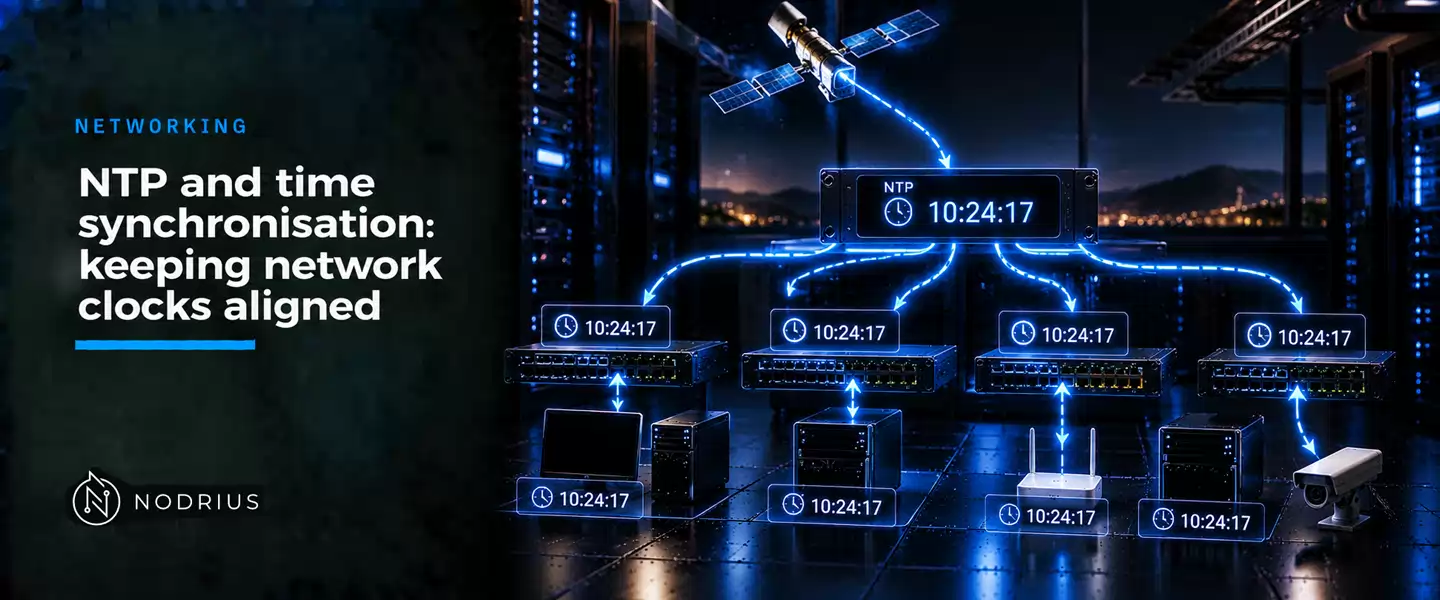
How NTP keeps network devices on the same clock - the server hierarchy, the round-trip measurement, and why unauthenticated time is a risk.