

Articles
BGP: sessions, attributes and the policy that picks a path
Policy filters first; attributes only rank the routes that policy already allowed.
How traffic leaves its own network: the routing table and the next hop, default and static routes, and the way traffic crosses between VLANs.
Policy filters first; attributes only rank the routes that policy already allowed.
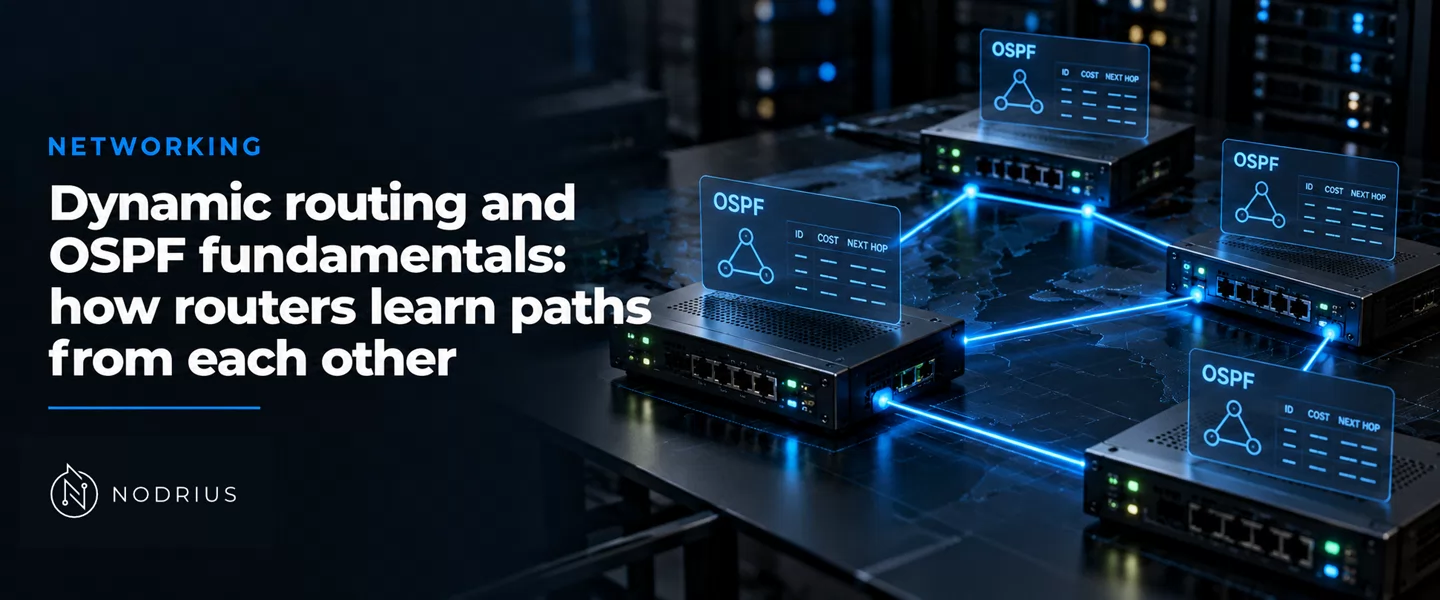
A static route never notices a failure; a routing protocol lets routers repair the path.
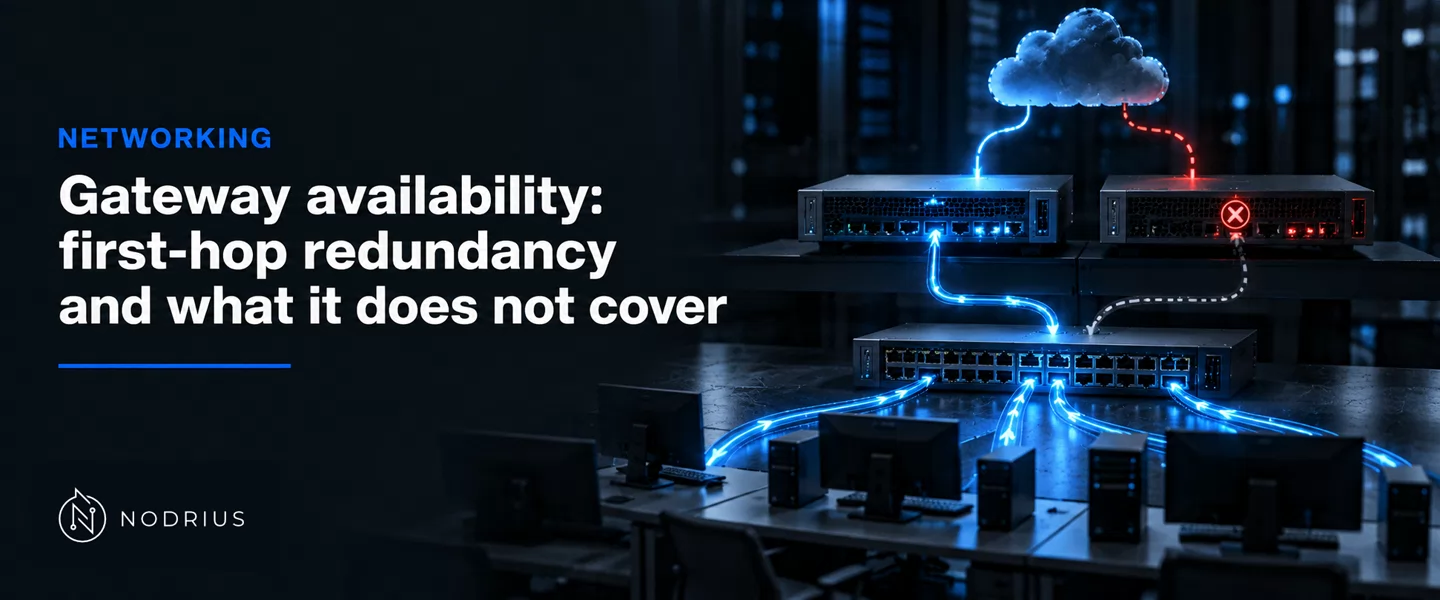
One gateway address held by two routers: what redundancy covers, and what it does not.

An estate is multi-site when its parts fail alone: name the unit of failure first.

Group delivery and traffic treatment pay off only where a link or a fan-out is saturated.

NAT and PAT rewrite a packet header; the filtering is a side effect of that state.
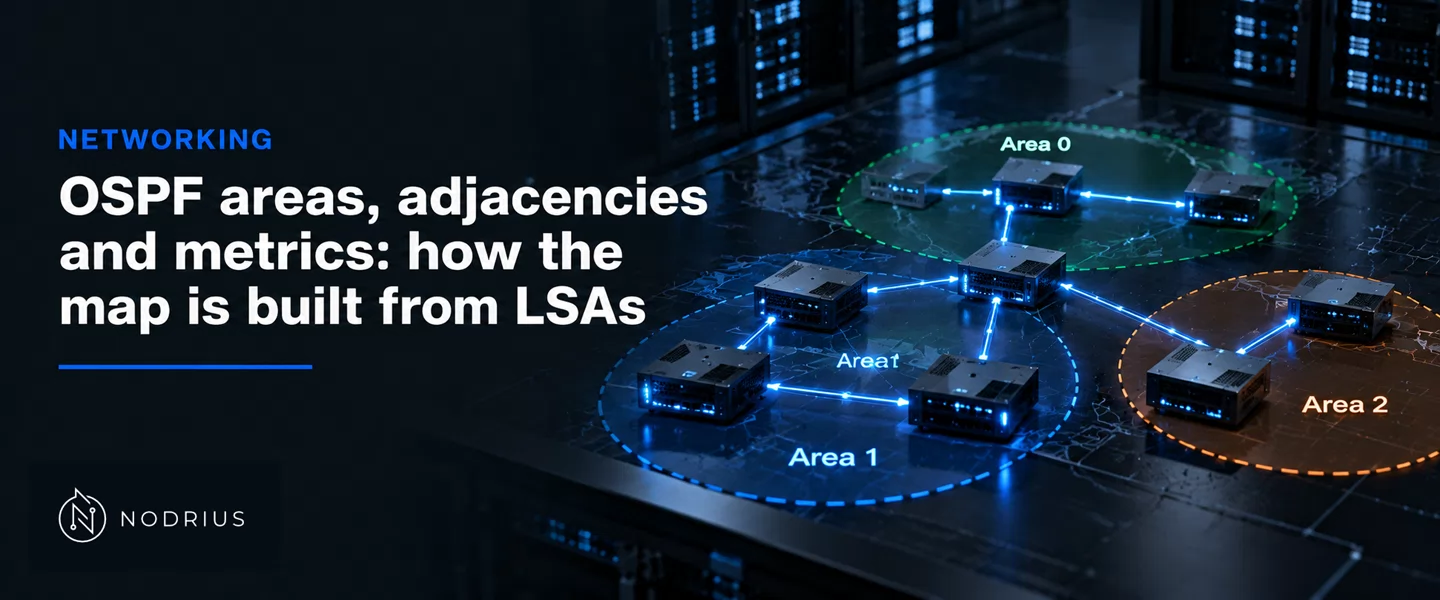
An adjacency, an area and a metric together decide which links a router sees.
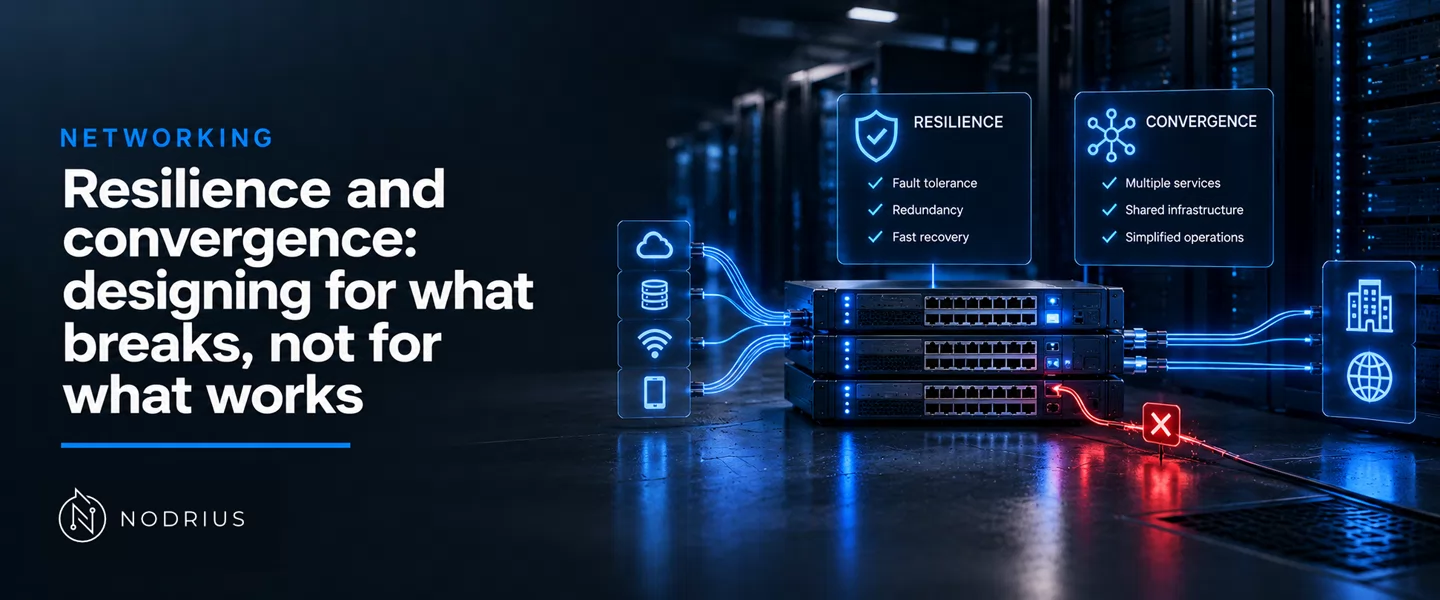
Convergence has phases, and the network design decides which one dominates.
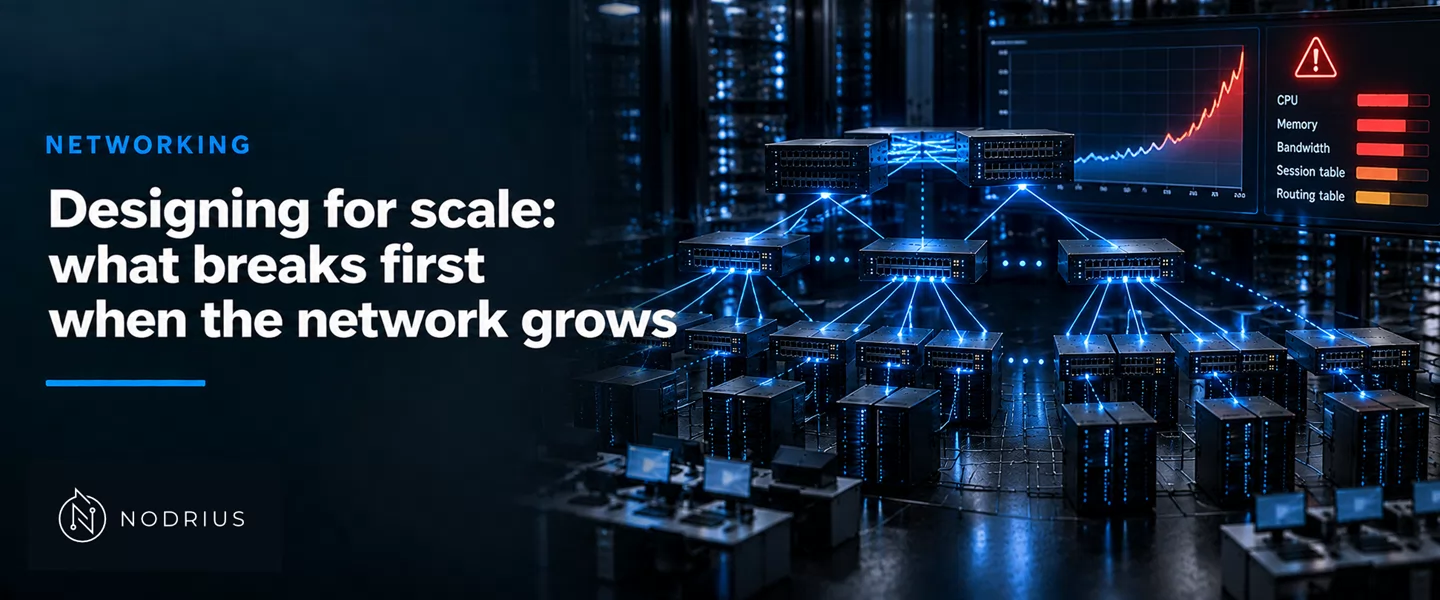
Scalability is a set of axes; each breaks for its own reason, at its own size.

Centralising control moves the decision, not the packet, and buys reach as well as risk.

A tunnel protects the path, not the endpoint: the device at the far end is unverified.

Hierarchy is what lets prefixes aggregate; a flat address plan cannot be summarised.
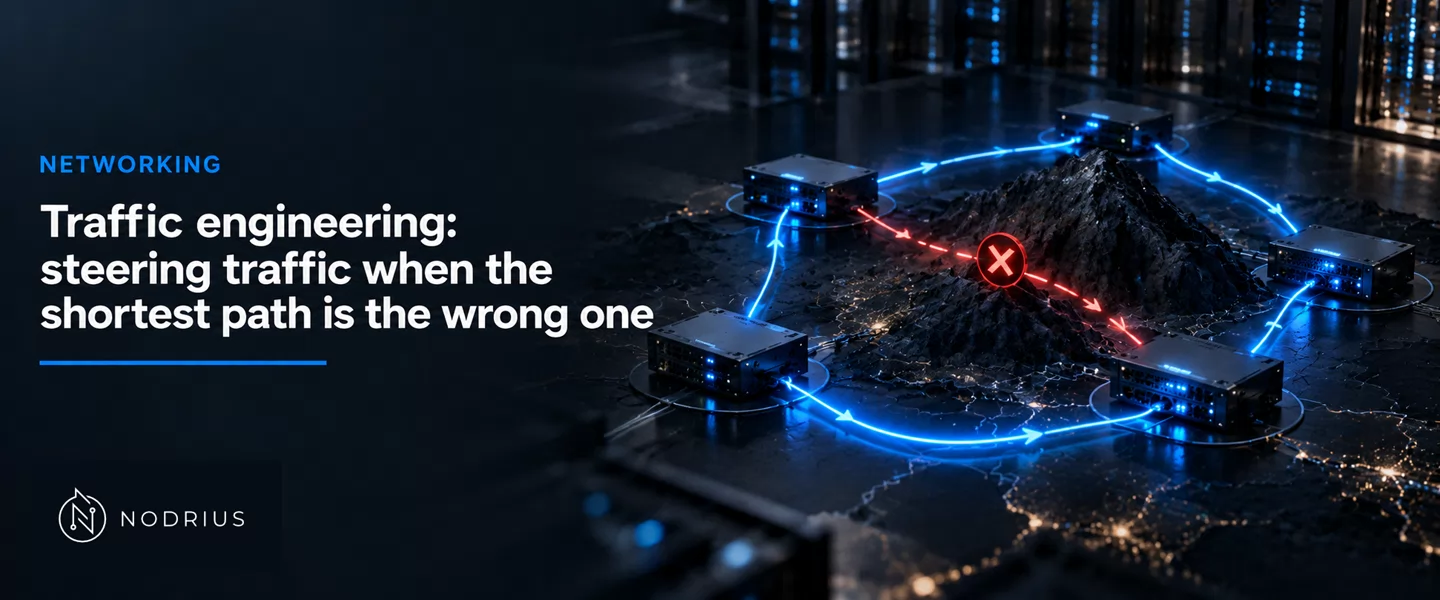
The shortest path ignores load and capacity; steering traffic around it is not free.

A tunnel joins two points; an estate needs a topology, and that topology is the design.
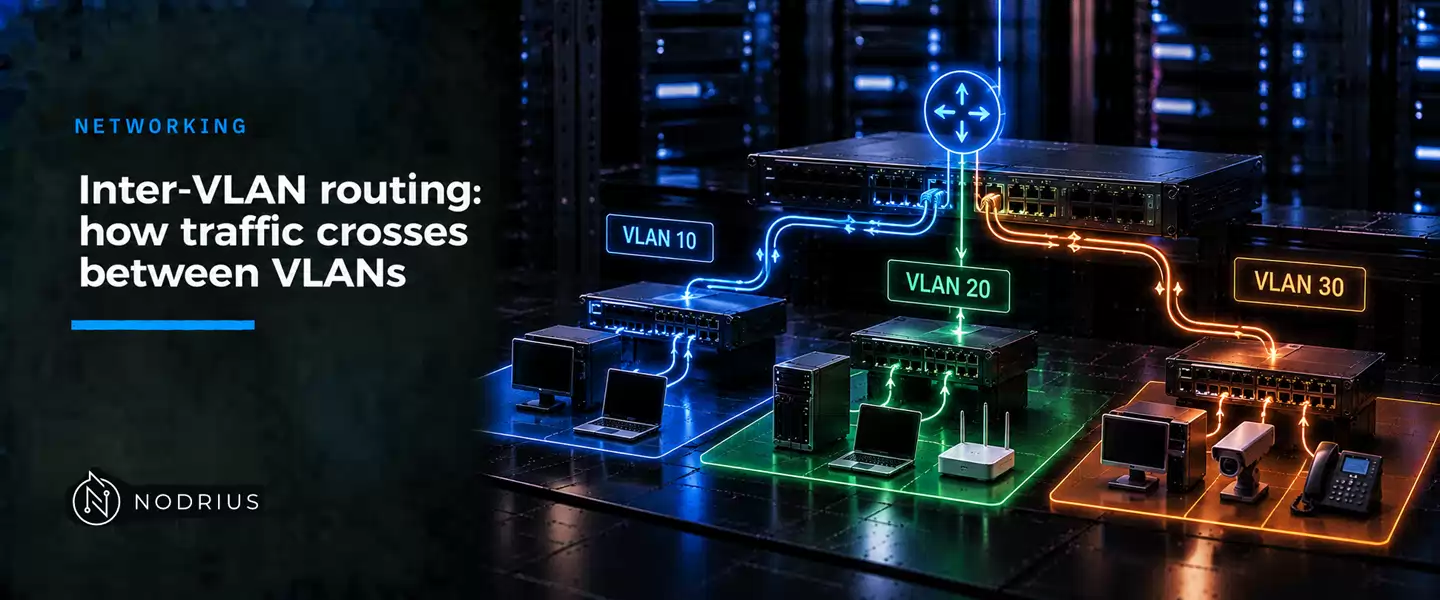
Why two VLANs cannot reach each other at Layer 2, and how one Layer-3 interface per VLAN — a router subinterface or a switch SVI — routes traffic between them.
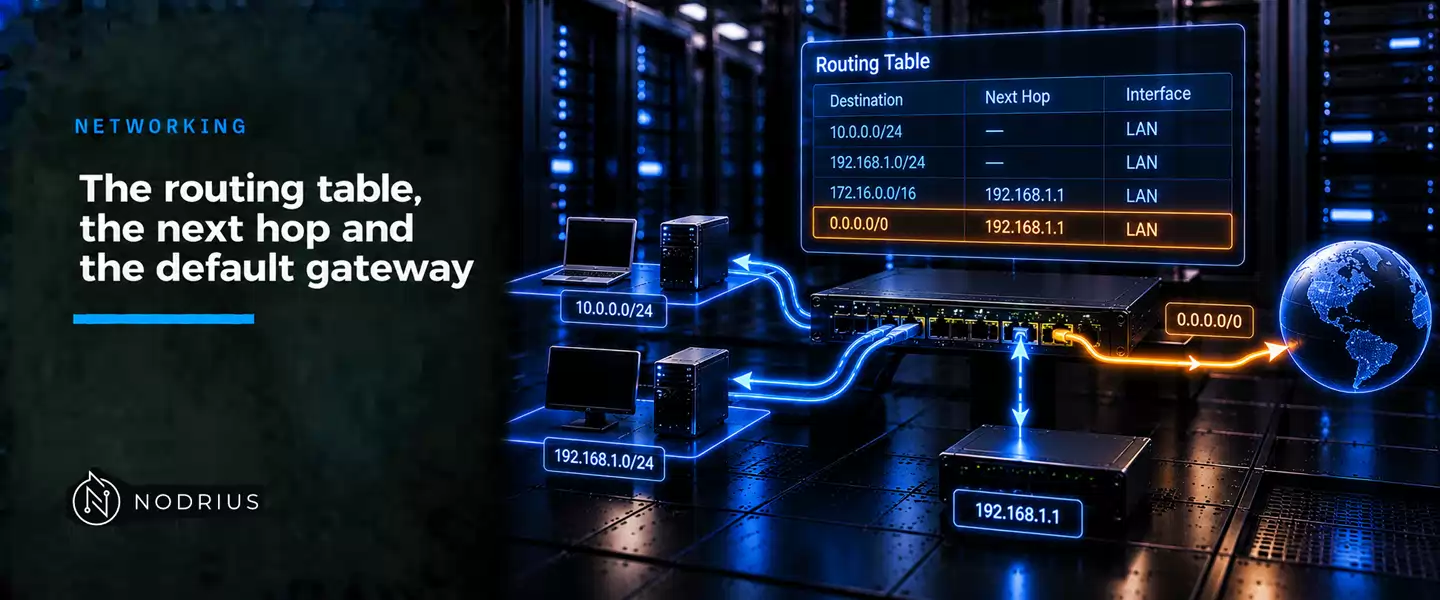
What a routing table entry contains, how a device picks the longest matching prefix and its next hop, and what the default gateway and the default route actually are.
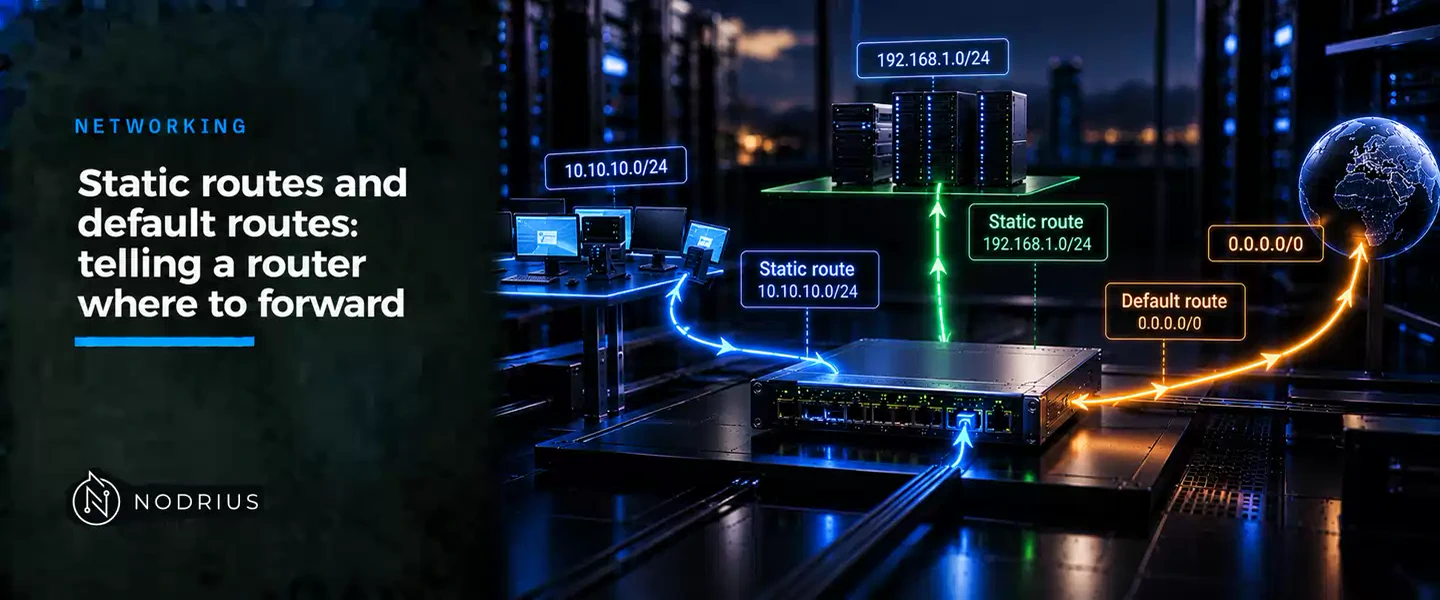
How a static route and a default route are written on Cisco IOS-XE, how the router chooses between routes, and when a manually configured route fails silently.