
Articles
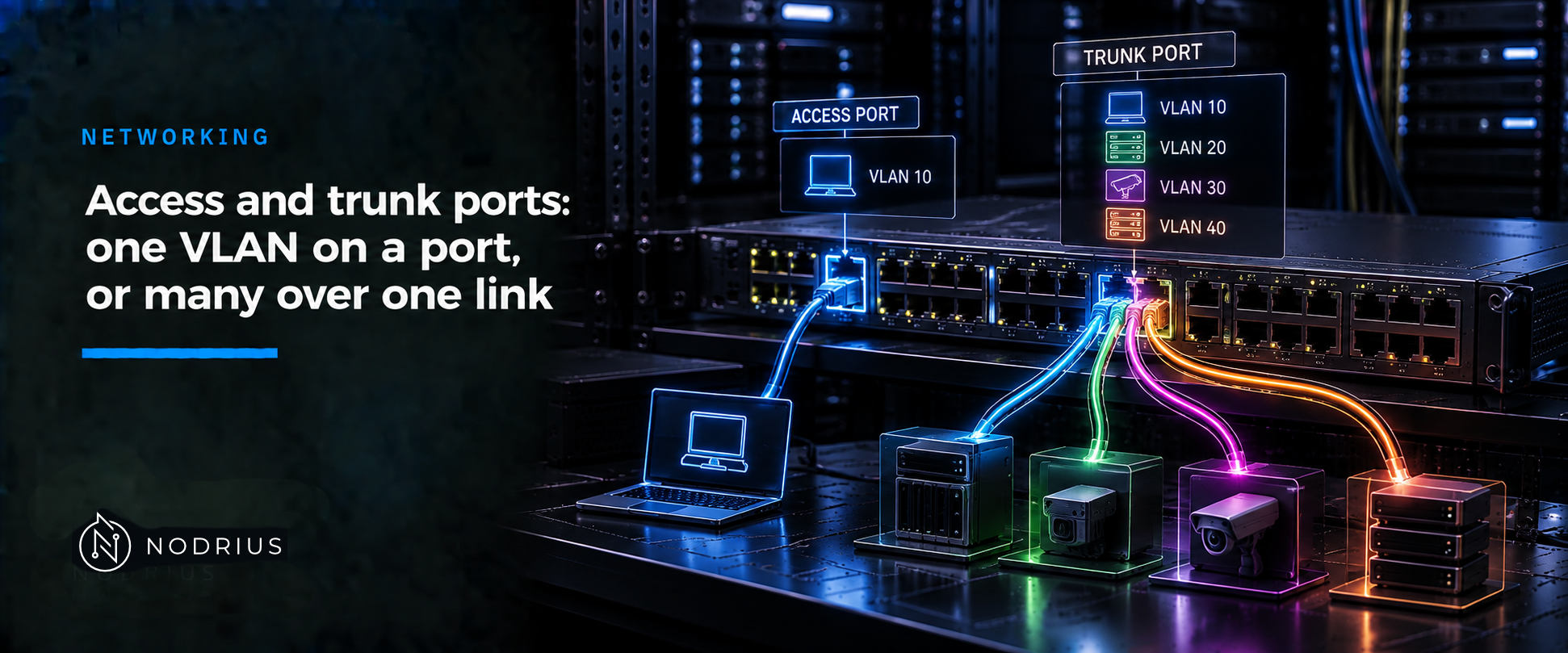
Access and trunk ports: one VLAN on a port, or many over one link
What an access port and a trunk port each carry, how untagged and IEEE 802.1Q-tagged traffic differ on a trunk, and how to configure and verify both on Cisco IOS XE.
What an access port and a trunk port each carry, how untagged and IEEE 802.1Q-tagged traffic differ on a trunk, and how to configure and verify both on Cisco IOS XE.
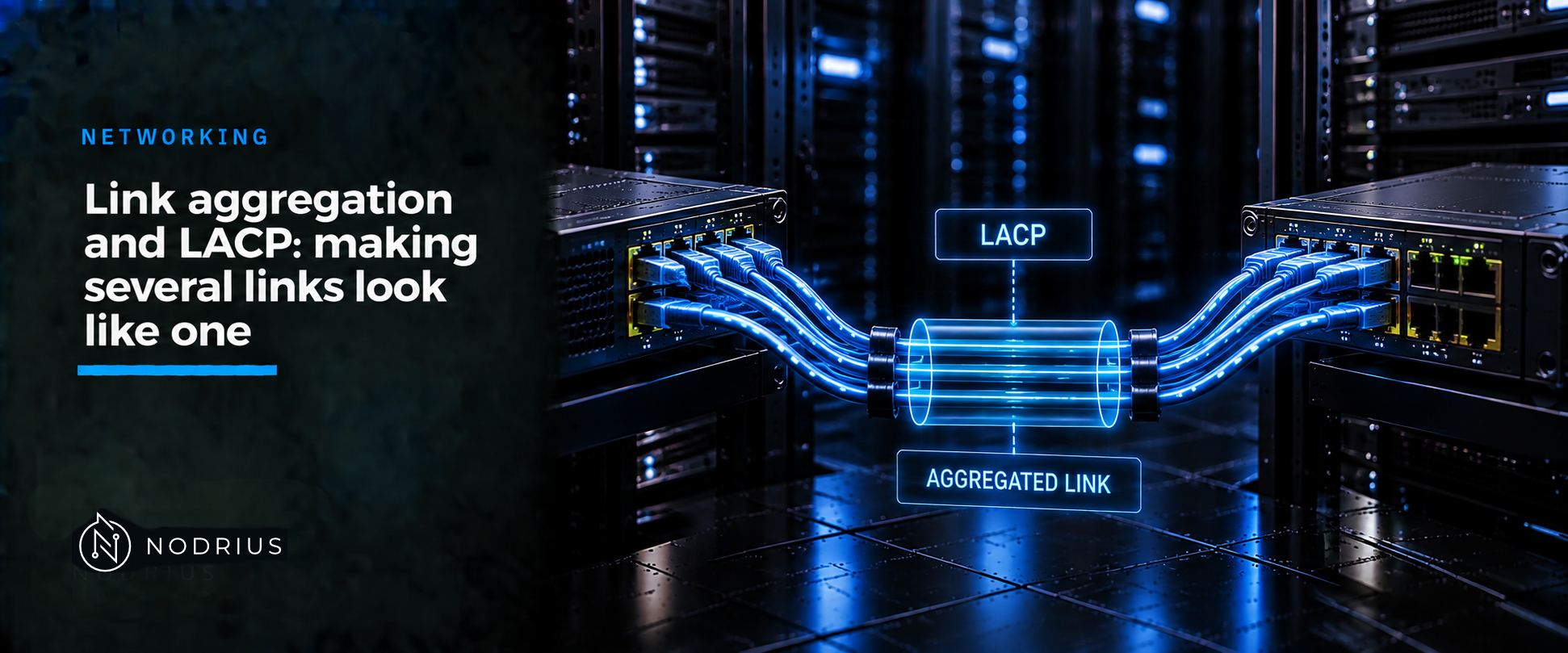
How link aggregation bundles parallel links into one logical interface, what LACP negotiates before the bundle is used, and why one flow still moves at one link speed.
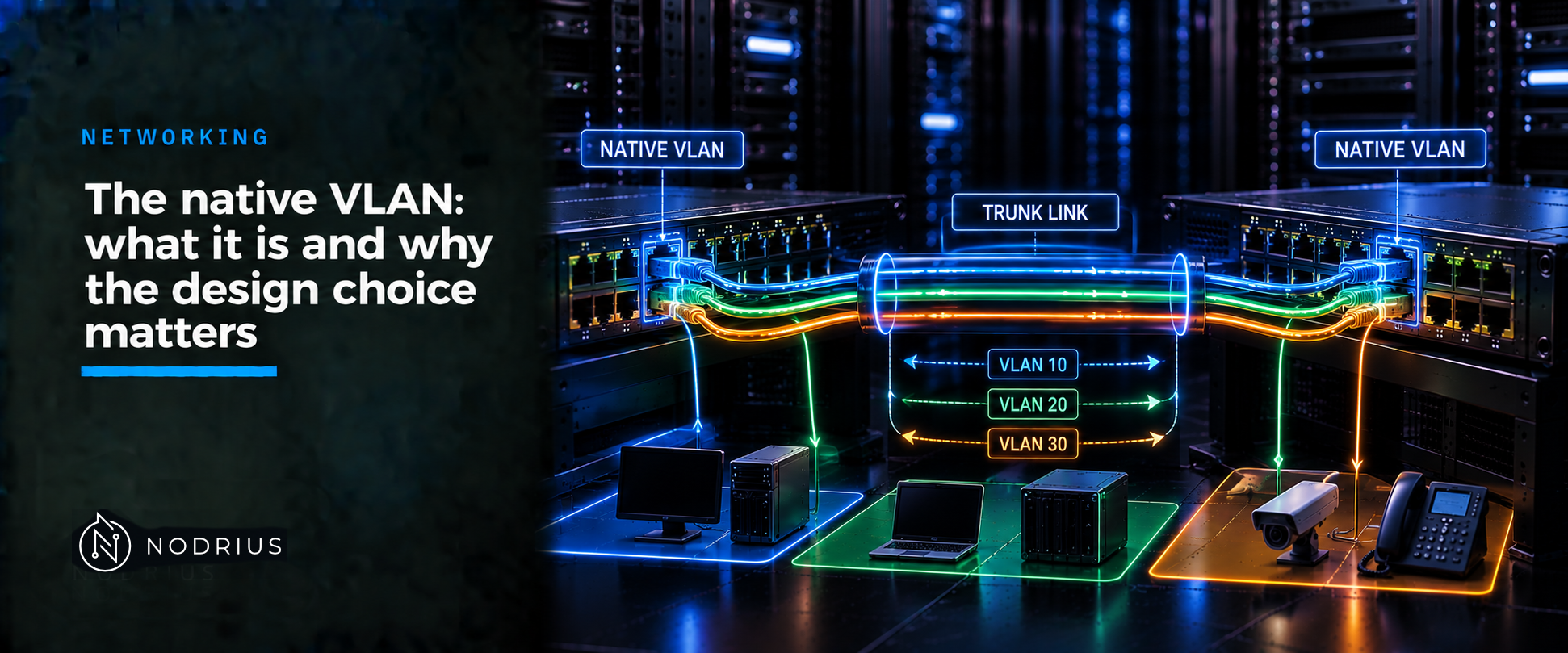
What the native VLAN means on an 802.1Q trunk, how untagged traffic is classified, and why the choice affects spanning tree and segmentation.
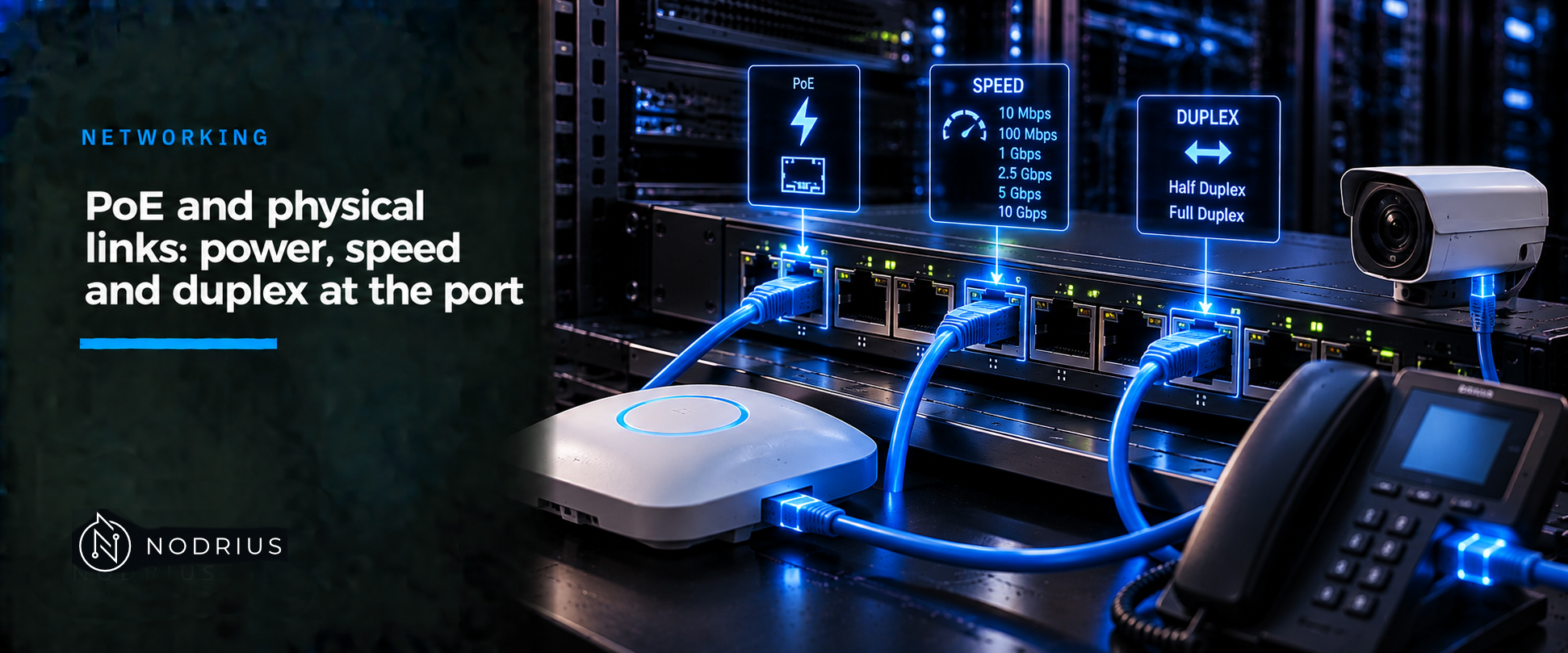
How a switch port powers a device over the cable (PoE) and how both ends agree on speed and duplex — and the Cisco IOS-XE commands used to inspect and control them.
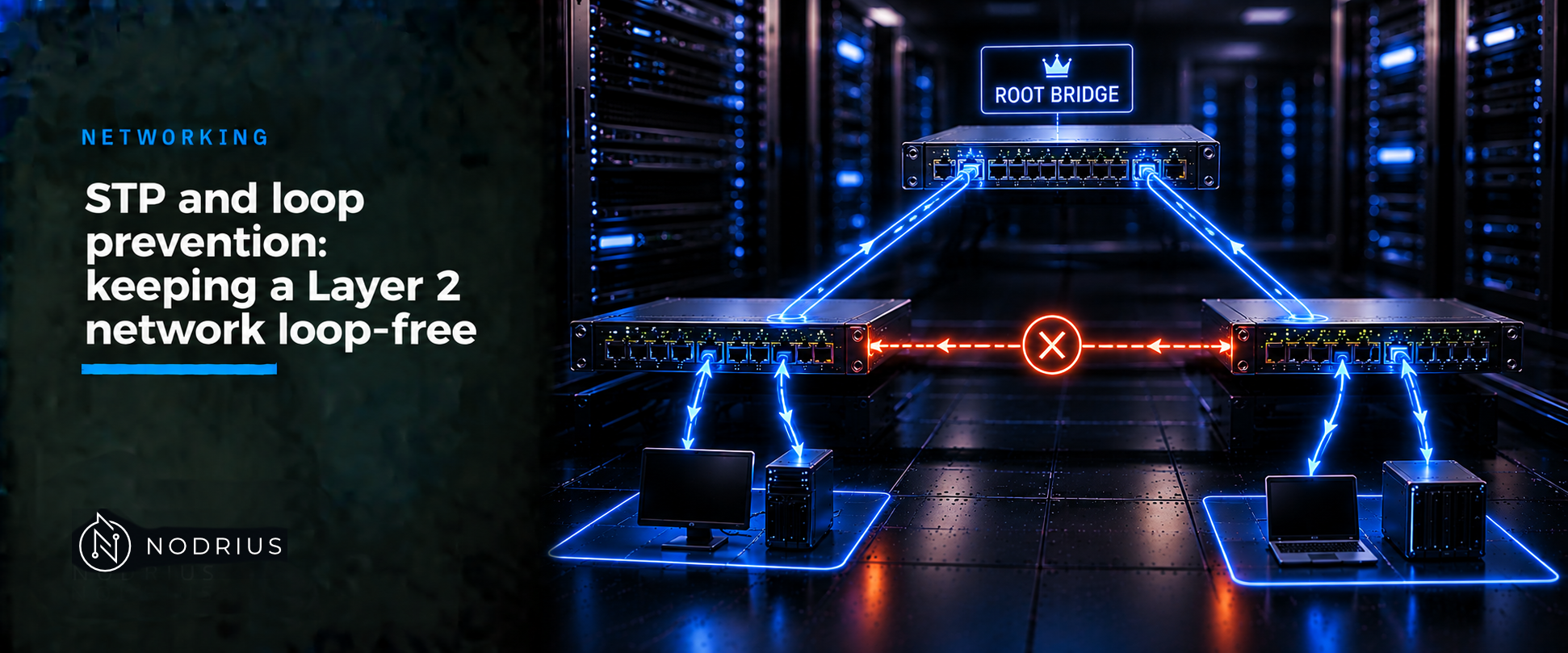
Why a Layer 2 loop becomes a broadcast storm, how STP elects a root and blocks the ports that would close a loop, and how to configure and verify it on Cisco IOS-XE.
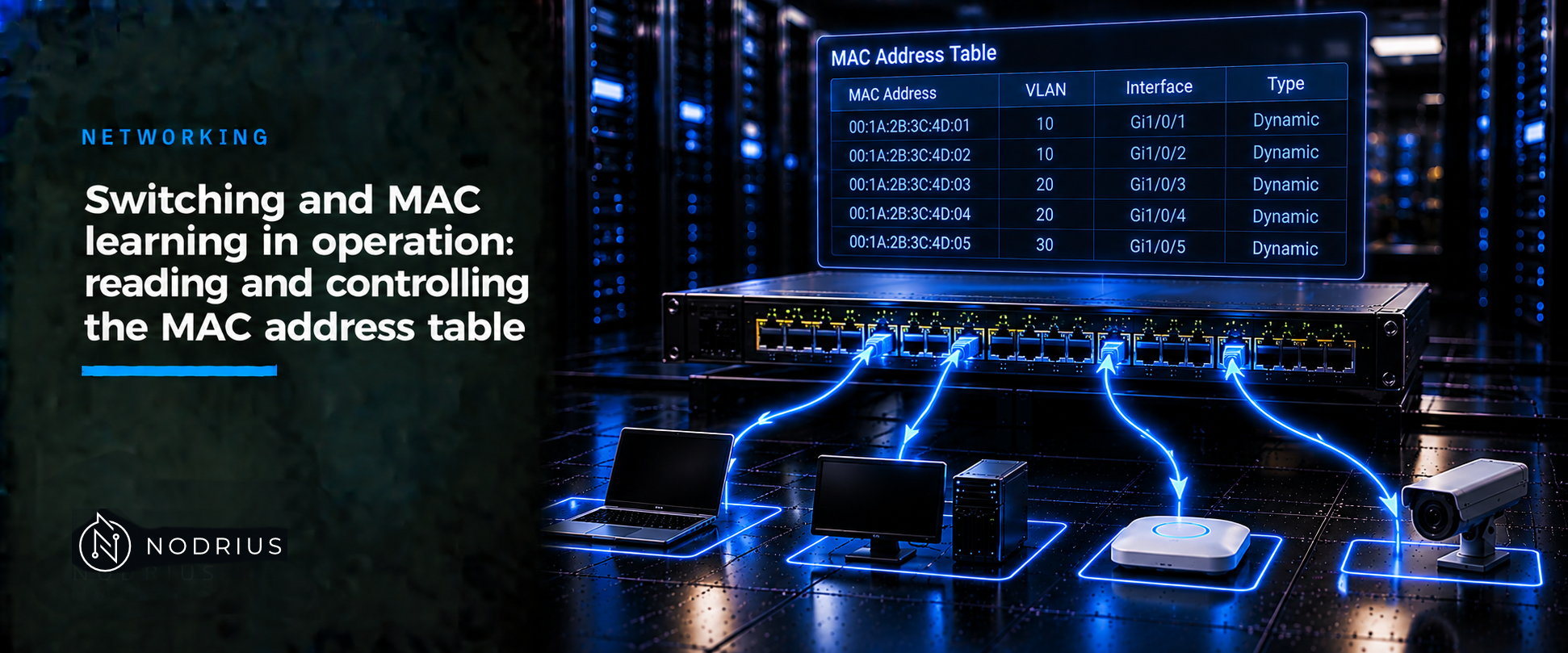
How a Cisco IOS-XE switch stores what it has learned, how to read, populate, age and clear the MAC address table, and what its entries actually tell you about a Layer 2 network.
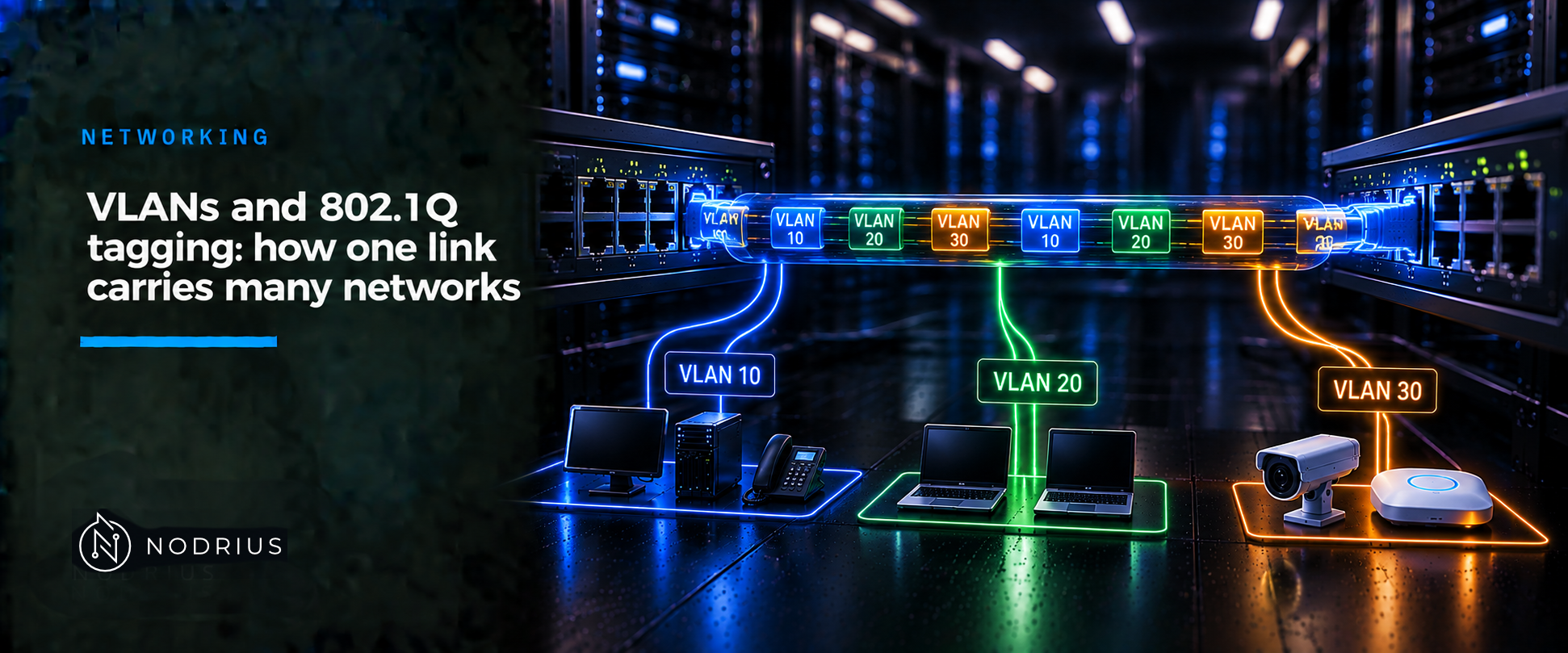
How IEEE 802.1Q lets a single link carry many VLANs — the 4-byte tag, access and trunk ports, and the native VLAN.