
Articles
Assurance programmes and independent verification: the arrangement behind the checks
How separate checks become one assurance programme, and why independence carries it.
Proving that controls work: organisational, technical and physical control families, designed versus verified, and the evidence that makes a claim checkable.
How separate checks become one assurance programme, and why independence carries it.

An approval nobody can point at never happened: what a change record has to prove.

A baseline is a governance object: approved, changed under control, watched for drift.

A monitoring programme owes two answers about its own reach and its own lag.

A policy proves a control was specified; only an observed effect shows it works.

Evidence is a claim that can be checked, not a document filed the week before an audit.

Sufficiency, provenance and currency decide when one piece of evidence can carry a claim.
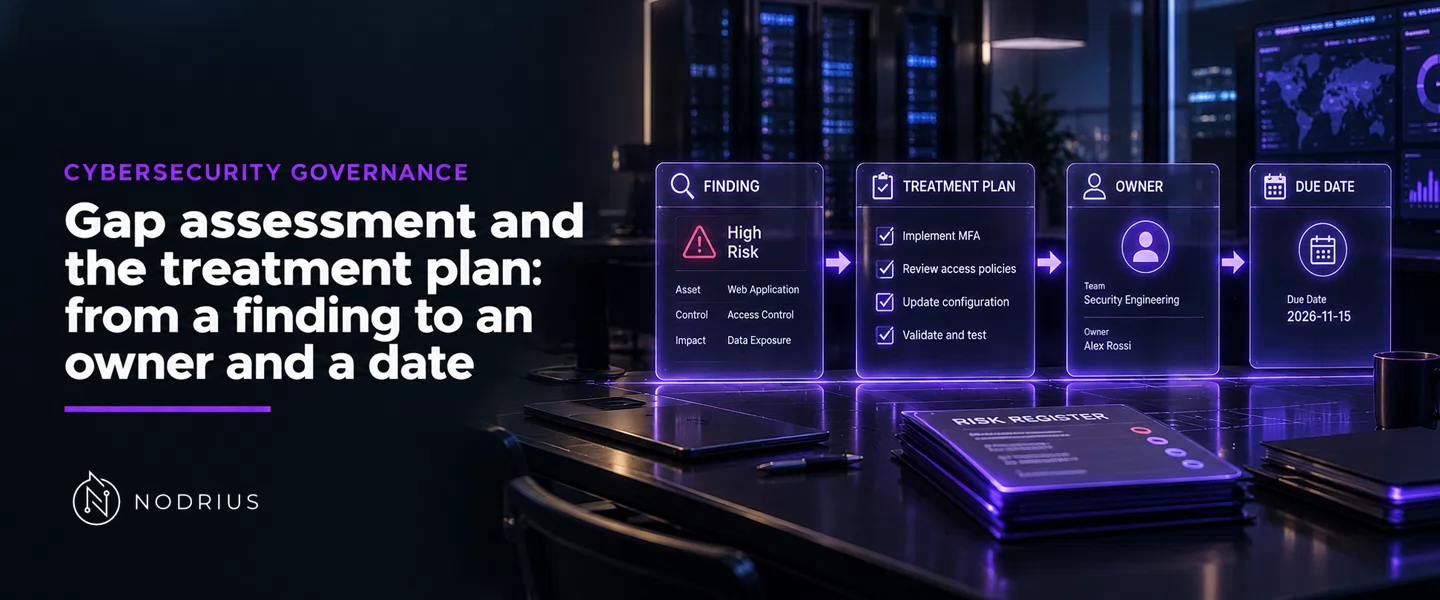
A gap becomes a plan only when a finding gets an owner, a date and a decision.
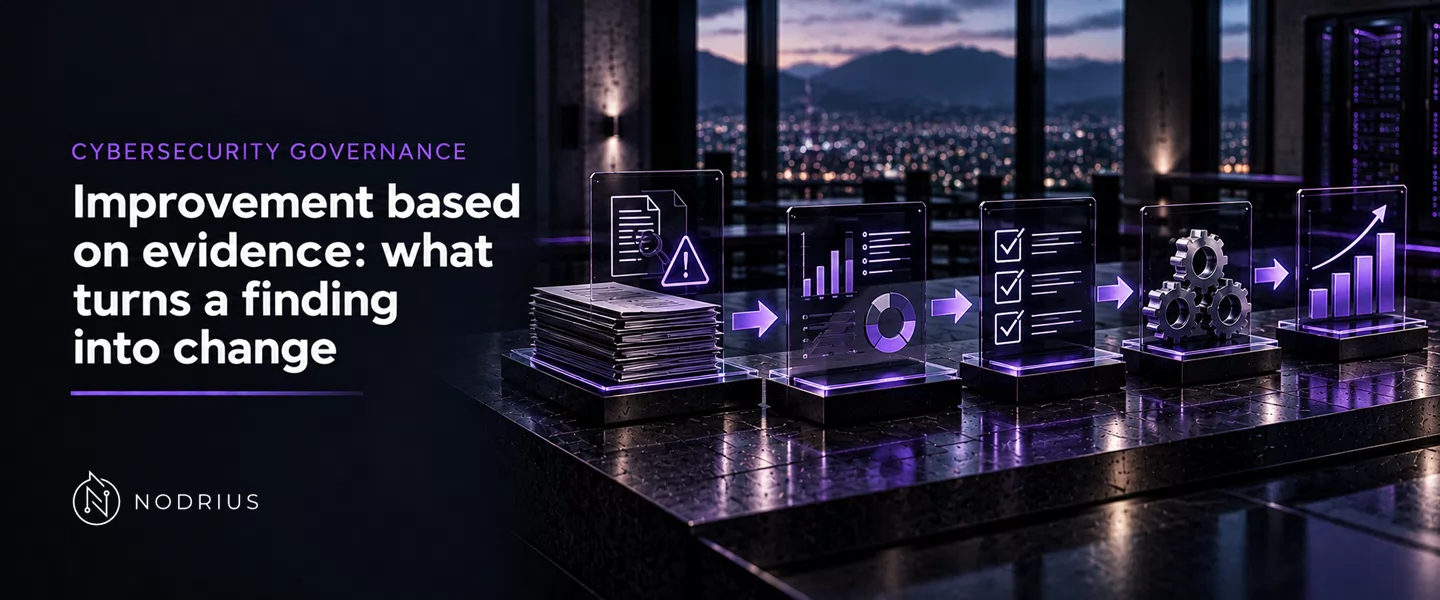
What turns findings, measures and lessons into a change, and how to tell it happened.

Who answers for an incident, what triggers escalation, and who is told what.
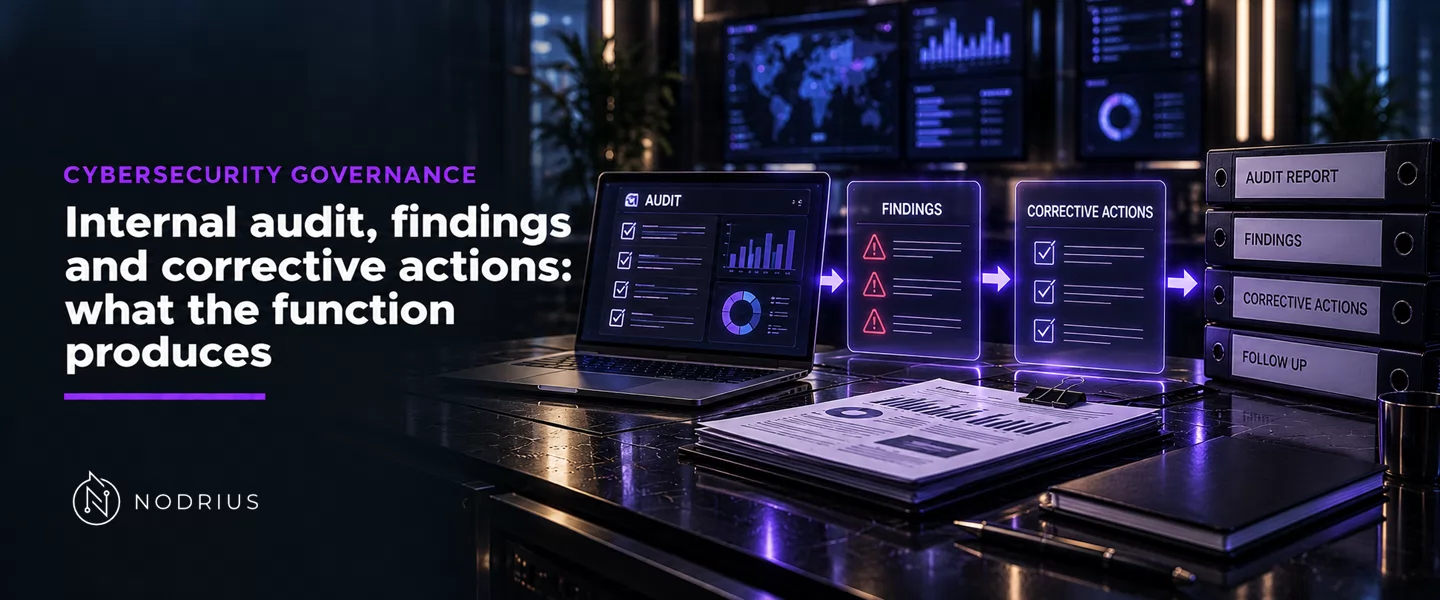
How internal audit produces findings, corrective actions and their confirmation.
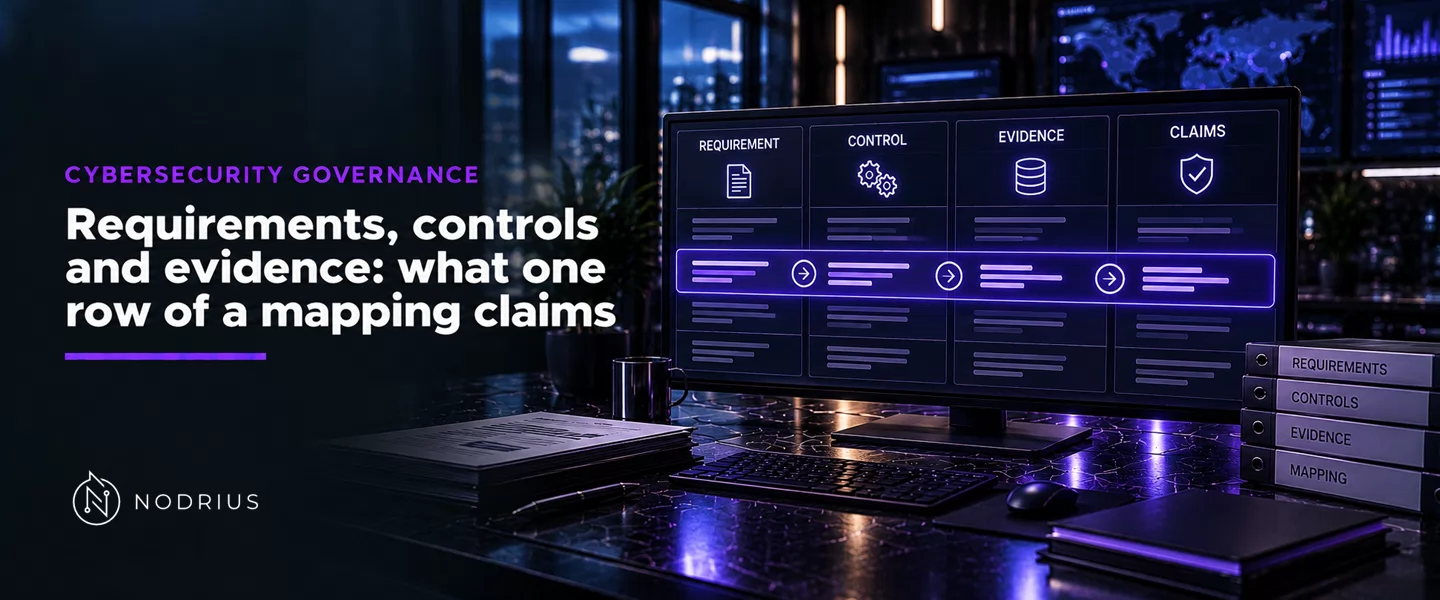
A mapping row claims a control covers a requirement; only evidence shows it works.

How resilience becomes a governed capability, and what a crisis scenario adds.

What a maturity model measures, and why its single composite score is its weakest part.
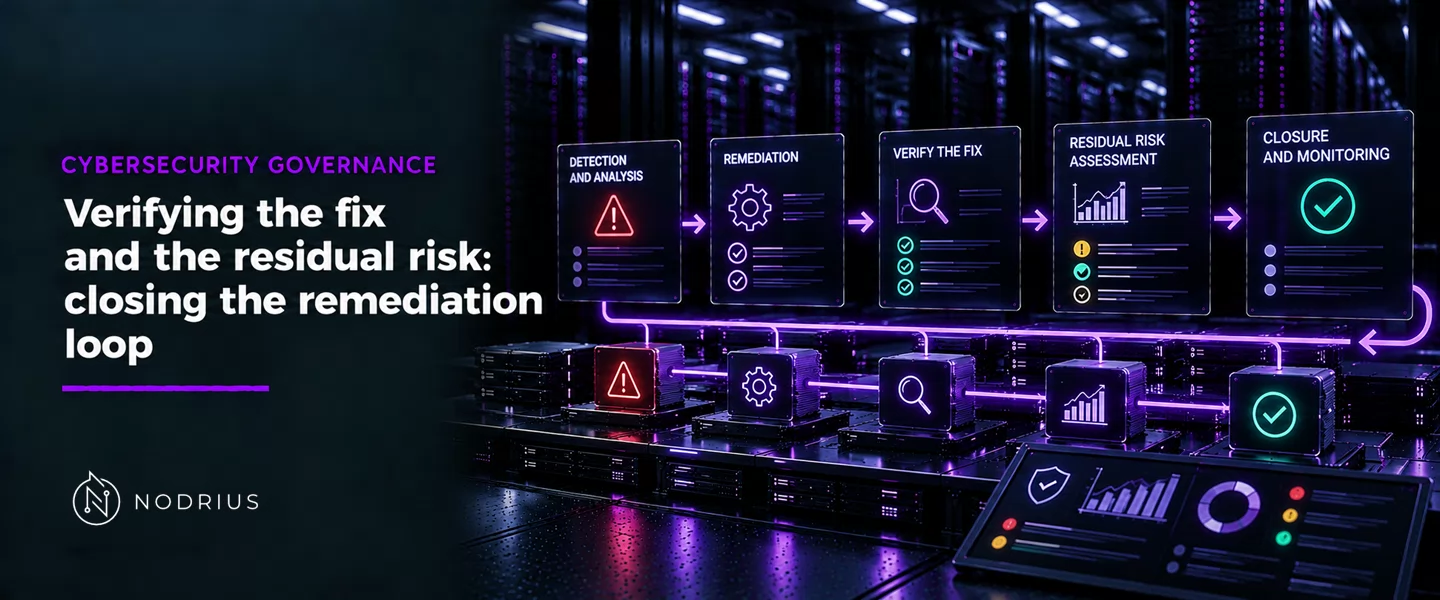
Closing a finding takes a new observation and a residual figure, not a status change.

One chain from a treated risk to the owner and the evidence that it works.
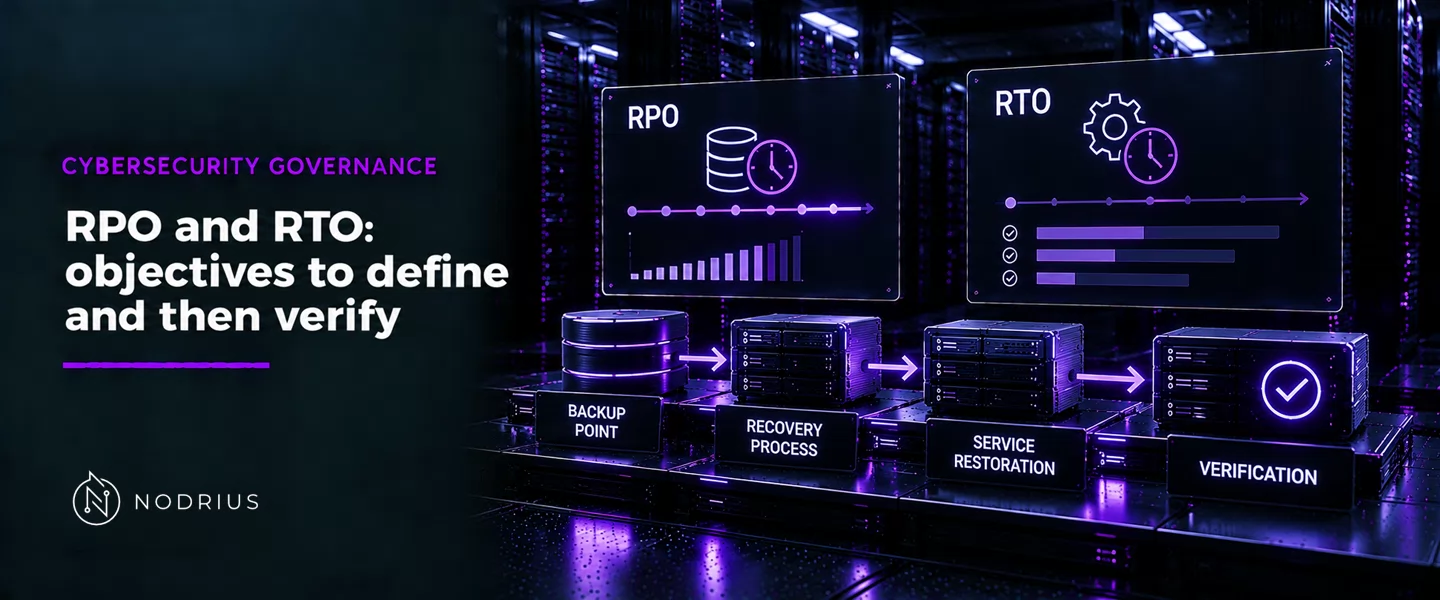
How to state RPO and RTO as owned objectives, and prove them with test evidence.

How NIST sorts controls by who executes them, and where physical controls sit.

Designed, implemented and effective: three different claims, each with its own evidence.

An audit trail records what happened; evidence is the proof a control works.