
Articles
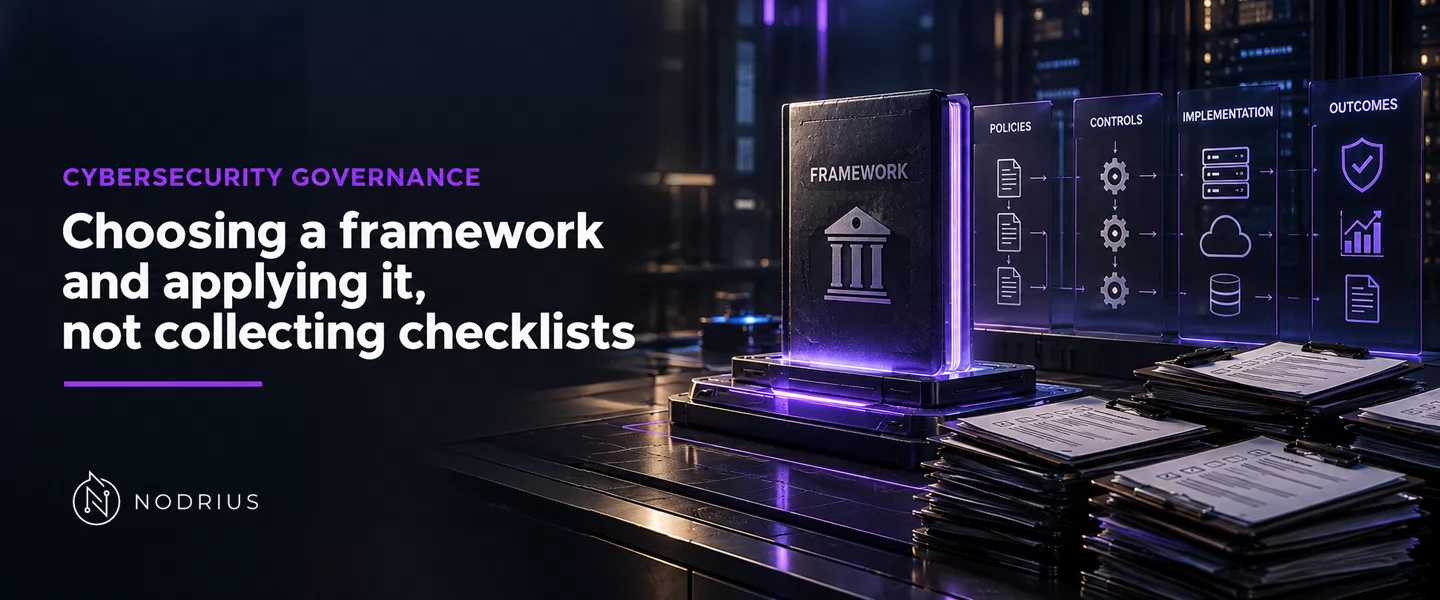
Choosing a framework and applying it, not collecting checklists
Pick a framework for what it obliges you to demonstrate, then adapt it to your scope.
The vocabulary and documents under a security programme: assets and ownership, classification, scope and boundaries, policy levels, and core principles.
Pick a framework for what it obliges you to demonstrate, then adapt it to your scope.

The devices that stop risk, controls, architecture and continuity drifting apart.

Governing a programme across many suppliers means owning each dependency, not listing it.

What changes in governance when part of the architecture is somebody else's service.

How security enters organisational decisions: context, mandate and accountability.
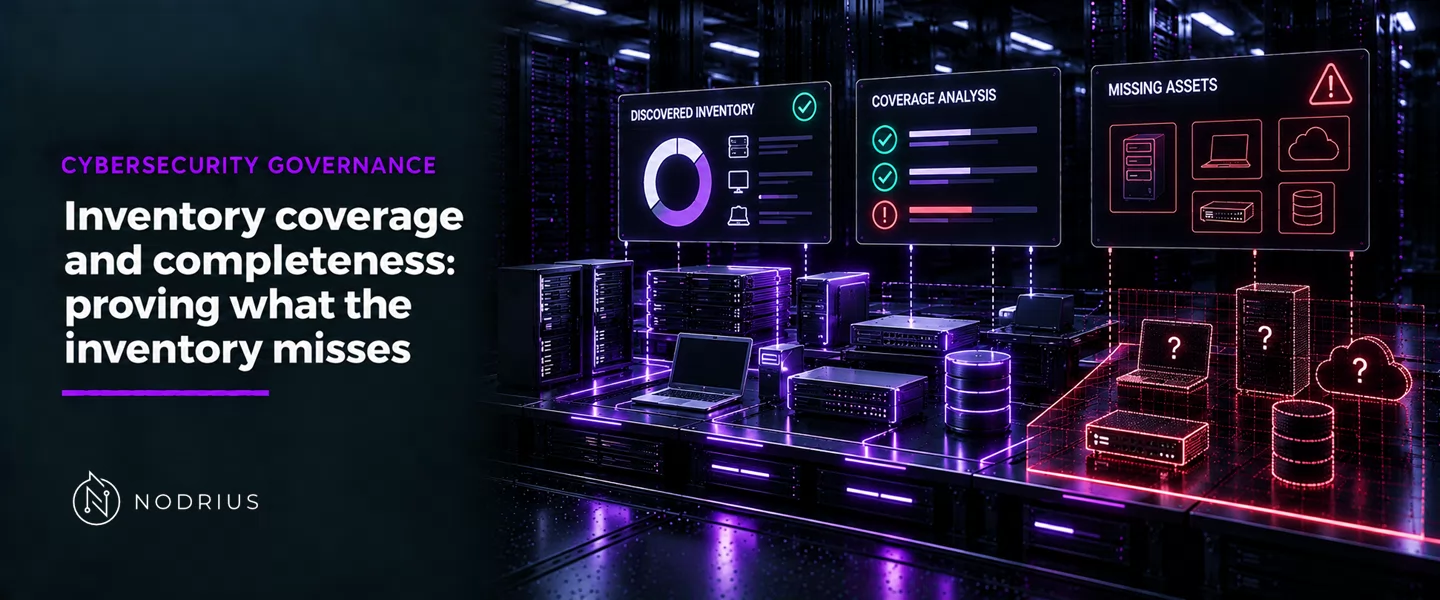
Coverage is a claim about a population: arguing what the inventory reaches and misses.
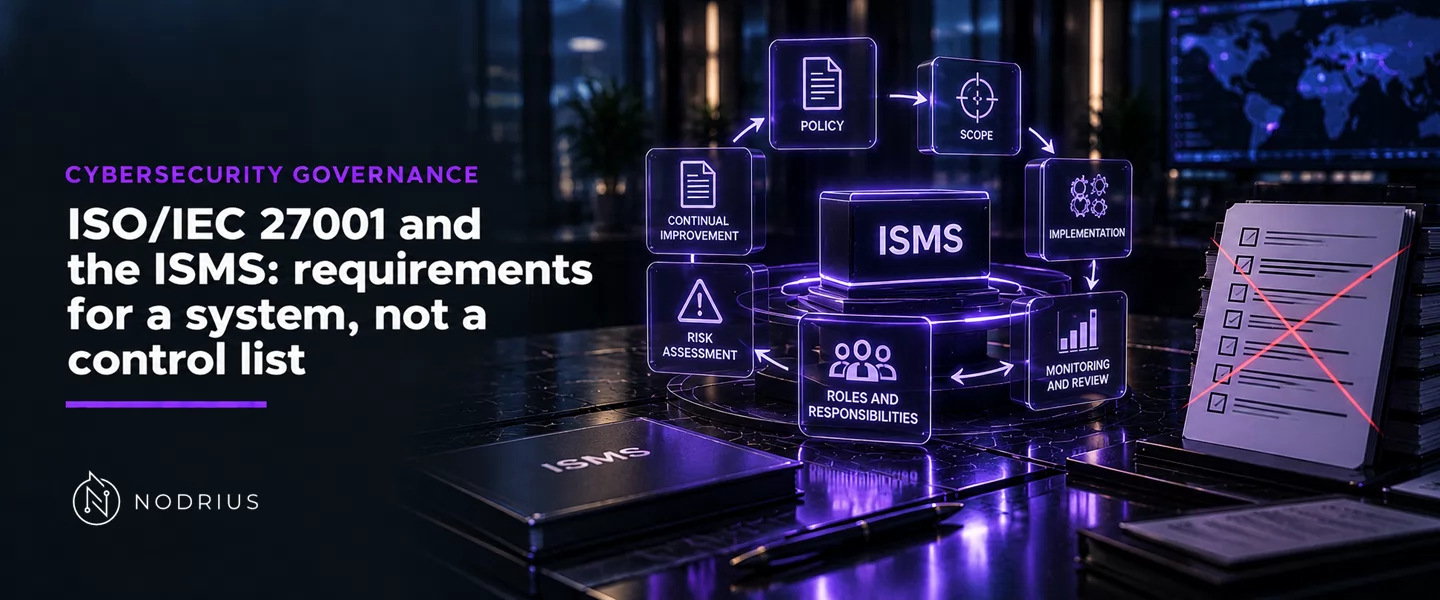
What ISO/IEC 27001 requires, and what an ISMS is as an object of governance.

The decision meeting that closes the governance loop, and the reporting line feeding it.
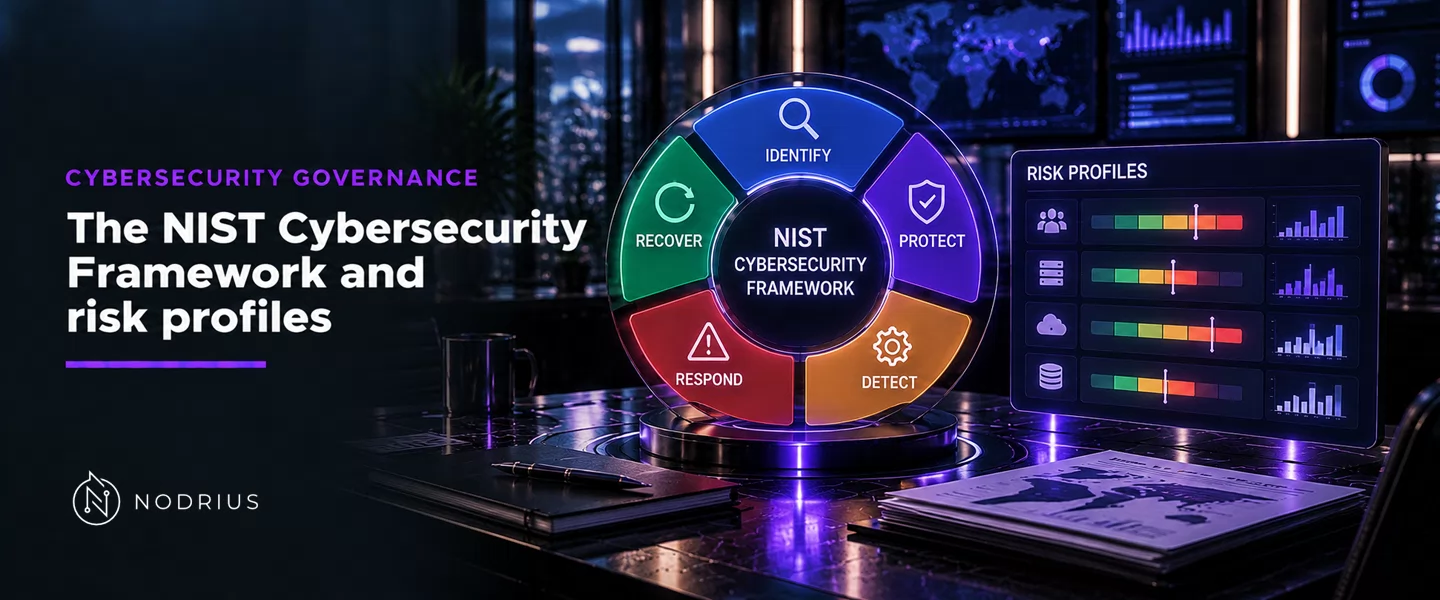
The CSF Core, Profiles and Tiers as a device that turns outcomes into risk talk.
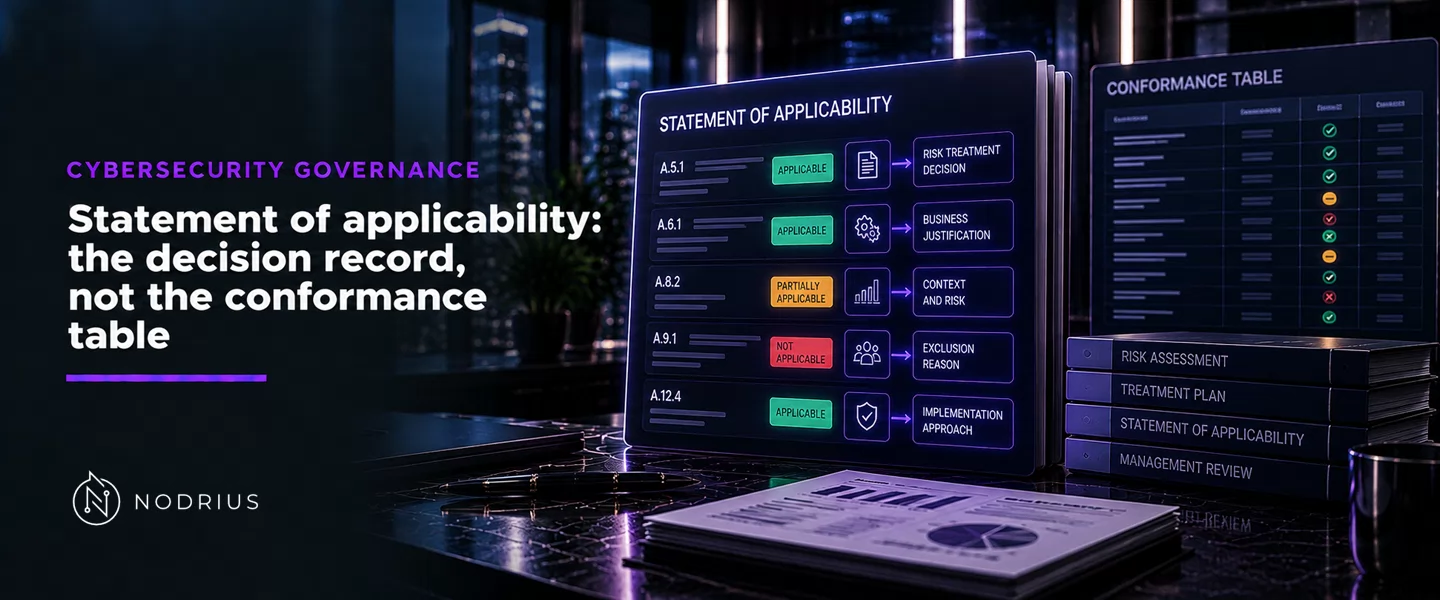
What the SOA records, why a control is excluded, and who owns the decision.

An inventory is a record with checkable properties, not a database: what CM-8 requires.

The inventory is a snapshot; the lifecycle is the process that ends an asset.

The impact level is the decision; the label only carries it to the object it governs.

Three hats on one asset: who sets the rules, who runs it, and what the register names.
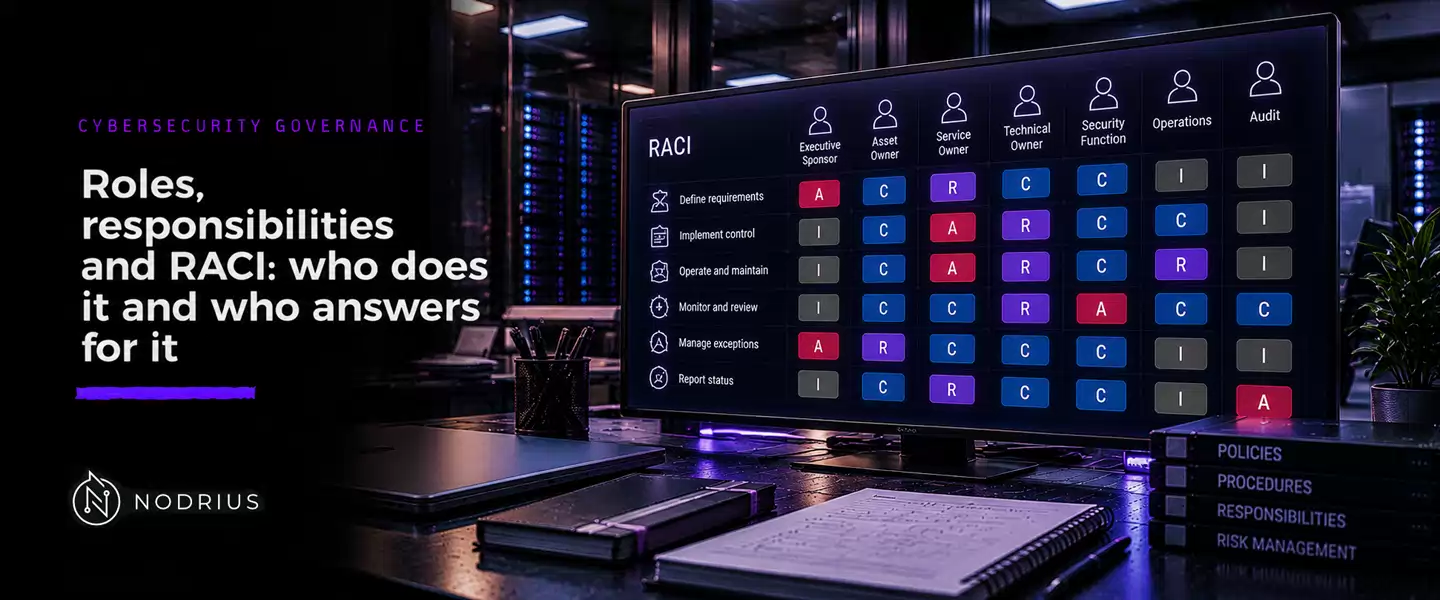
A RACI chart maps activities to roles; done badly it hides who answers for what.
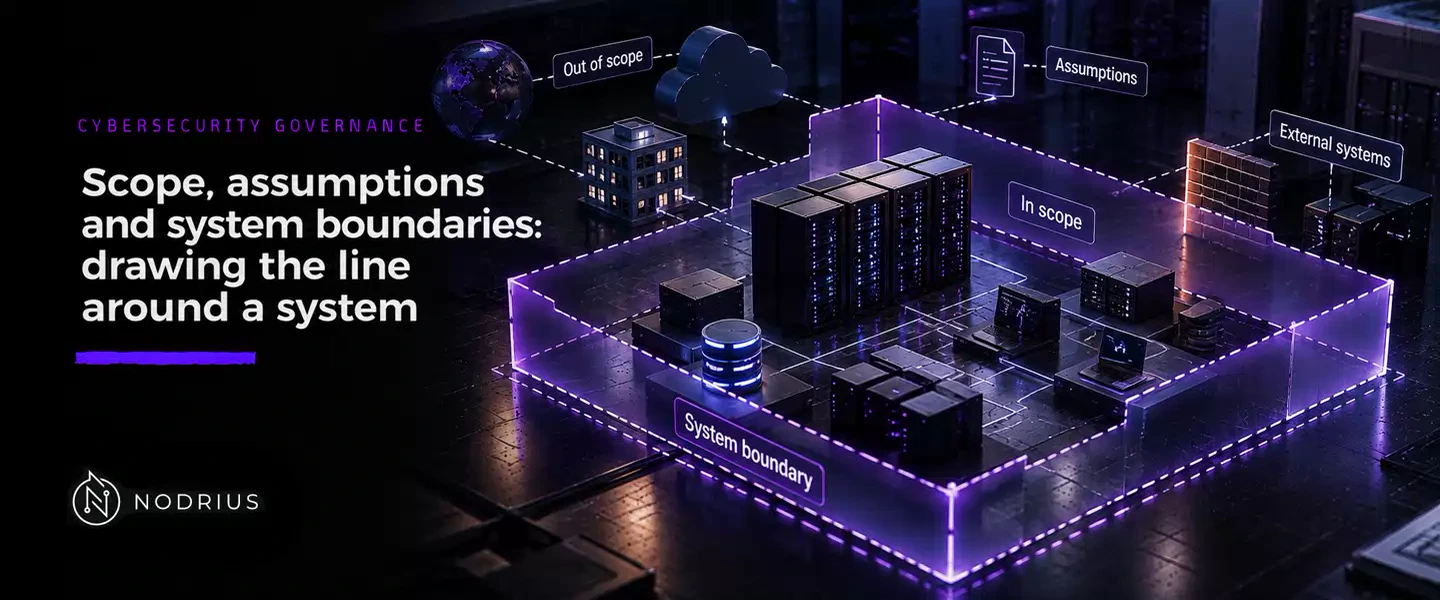
Drawing a system boundary: the decision it encodes and the assumptions it rests on.
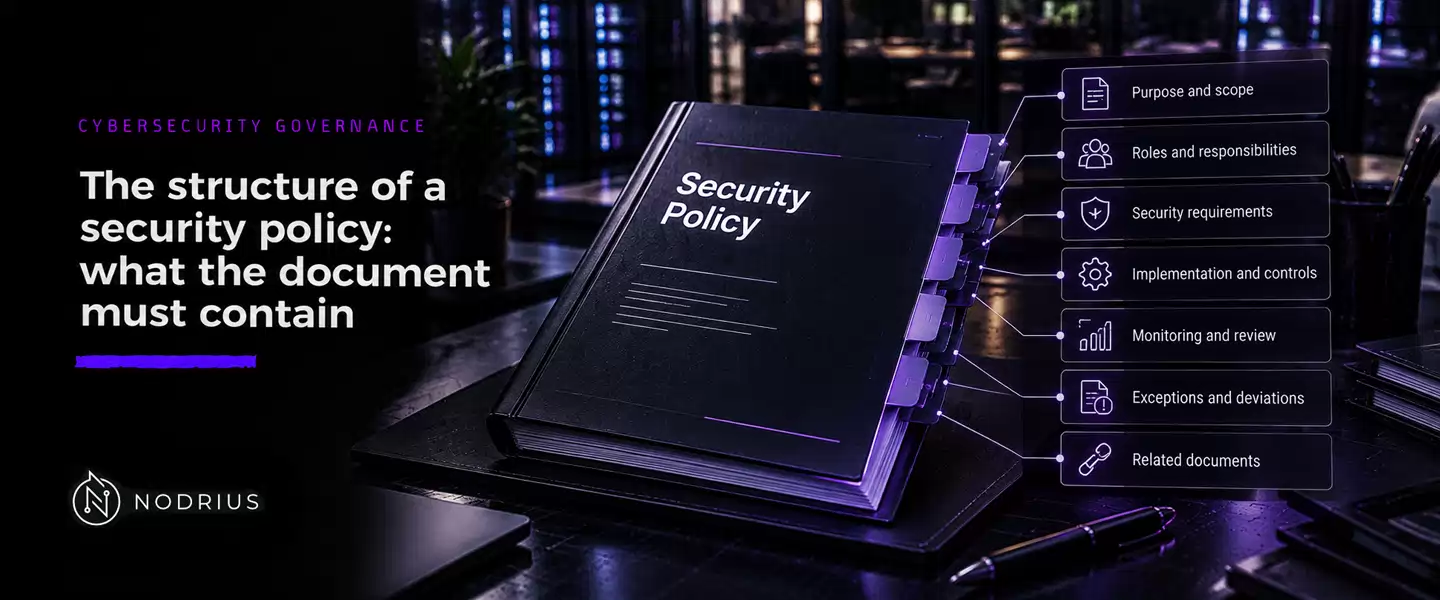
The parts a security policy must contain, and what their presence does not prove.

Asset, process and risk are owned differently; NIST names who is accountable for each.

An asset matters for its process and data; scope is a chain, not a perimeter.

Security protects three separate properties, not one attribute: each has its own impact.

Least privilege bounds one identity; defense in depth bounds one failure.
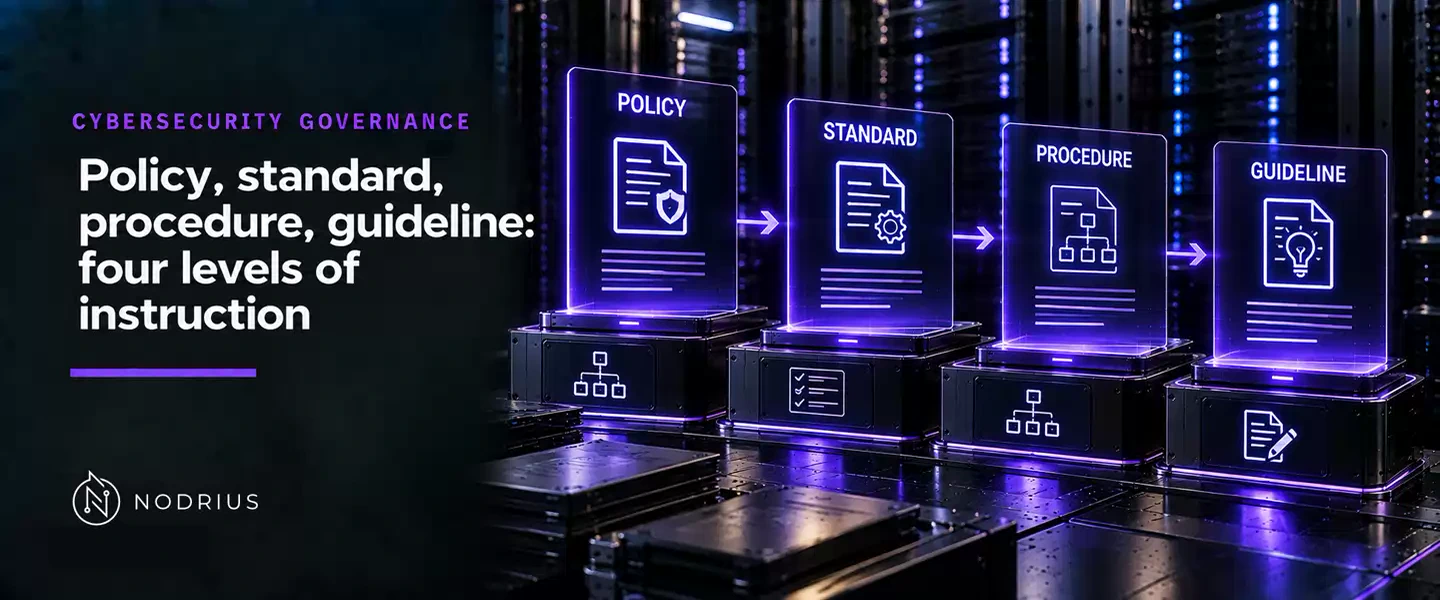
Policy states intent, standards bind, procedures give the steps, guidelines advise.