
Articles
Assurance programmes and independent verification: the arrangement behind the checks
How separate checks become one assurance programme, and why independence carries it.
Hardening, monitoring, tooling and good practice.
How separate checks become one assurance programme, and why independence carries it.
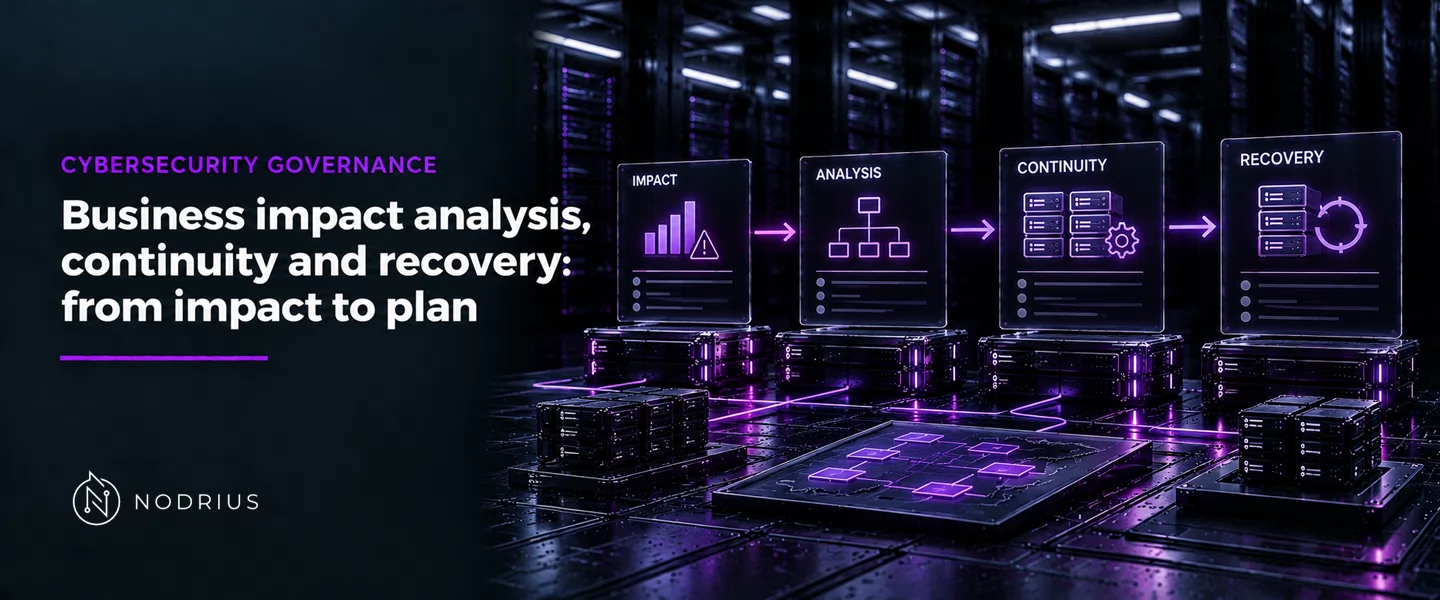
Impact first: the BIA turns tolerable downtime into priorities and a plan you can test.
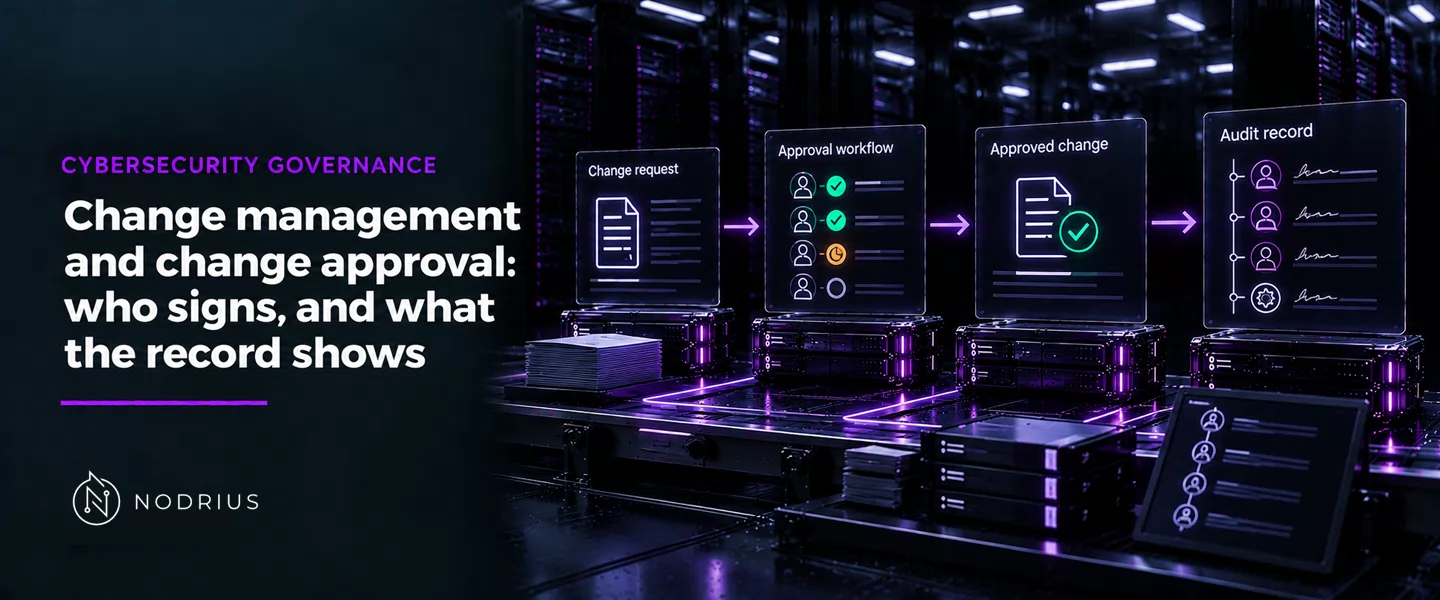
An approval nobody can point at never happened: what a change record has to prove.
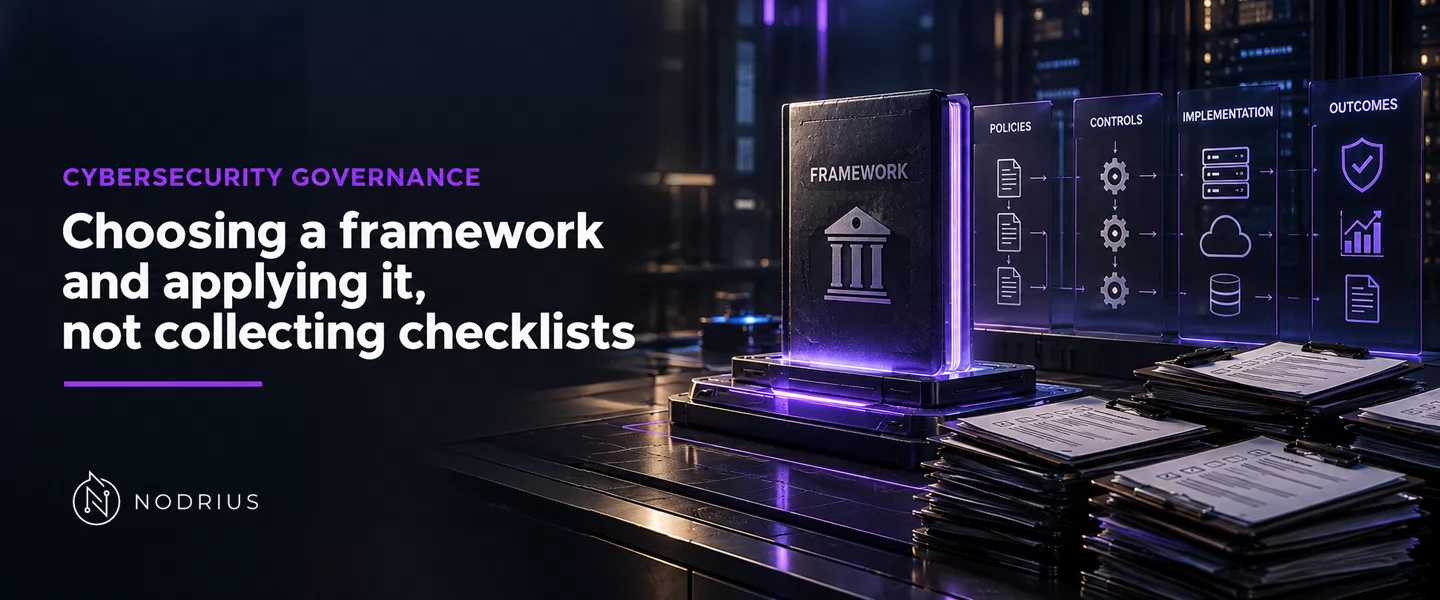
Pick a framework for what it obliges you to demonstrate, then adapt it to your scope.
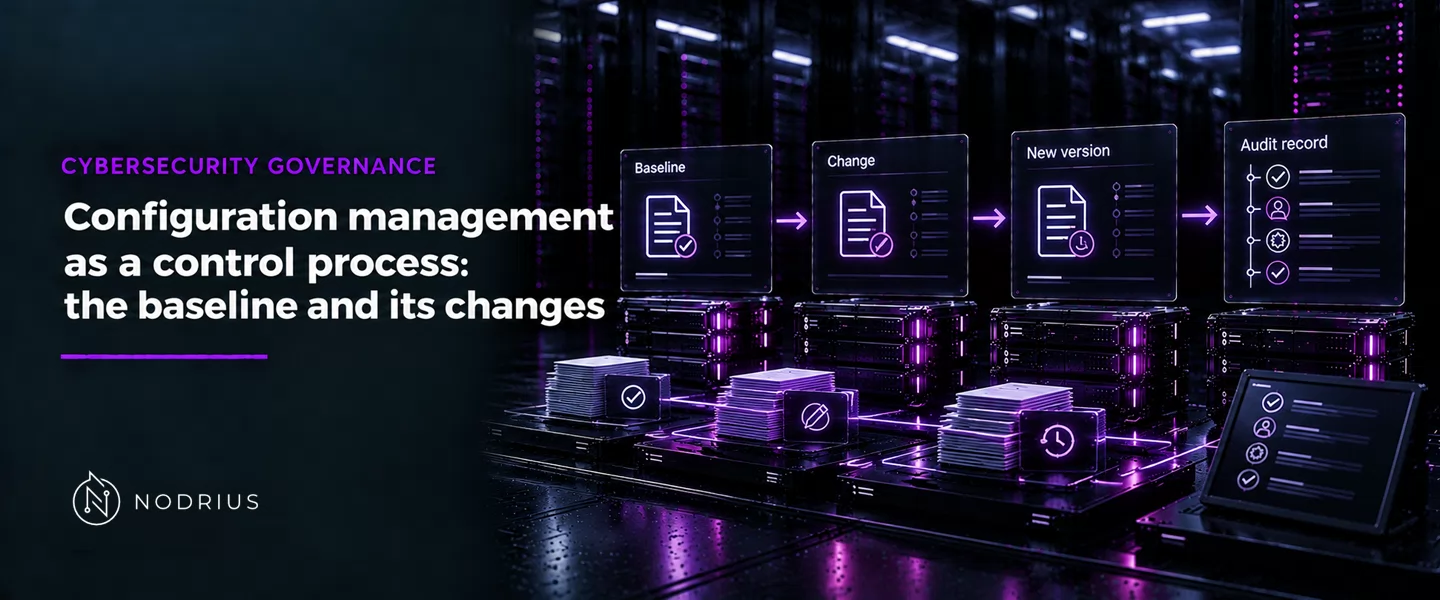
A baseline is a governance object: approved, changed under control, watched for drift.
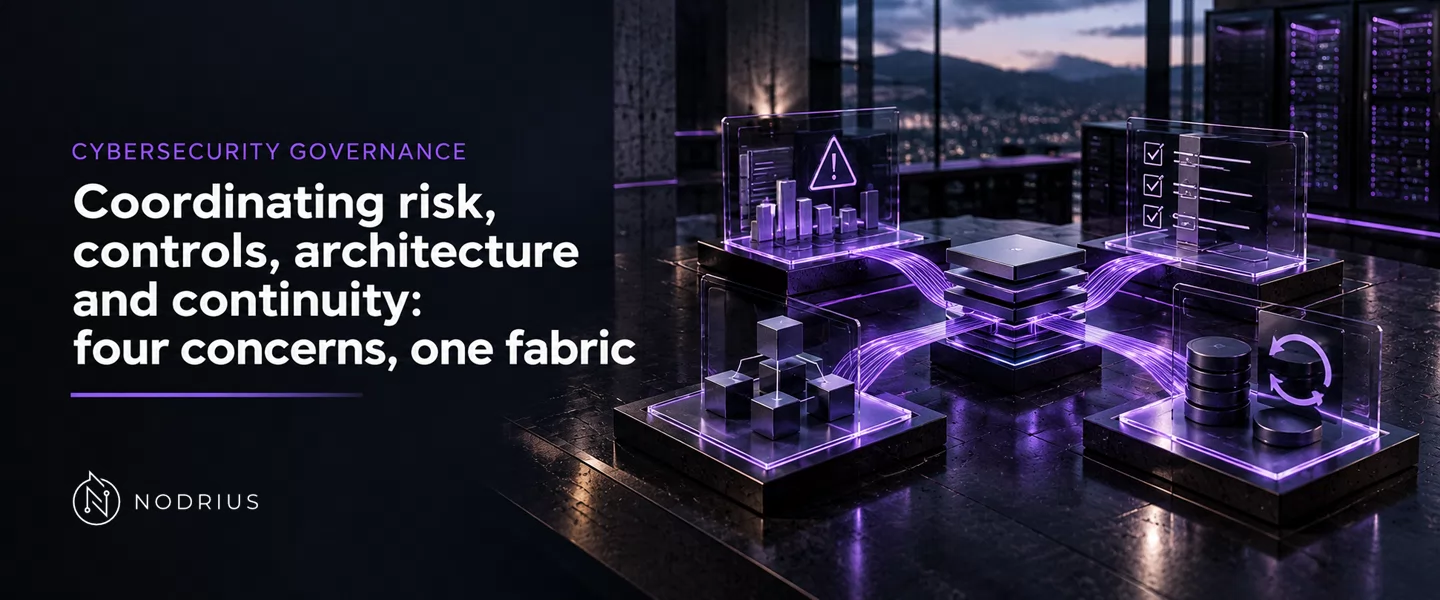
The devices that stop risk, controls, architecture and continuity drifting apart.
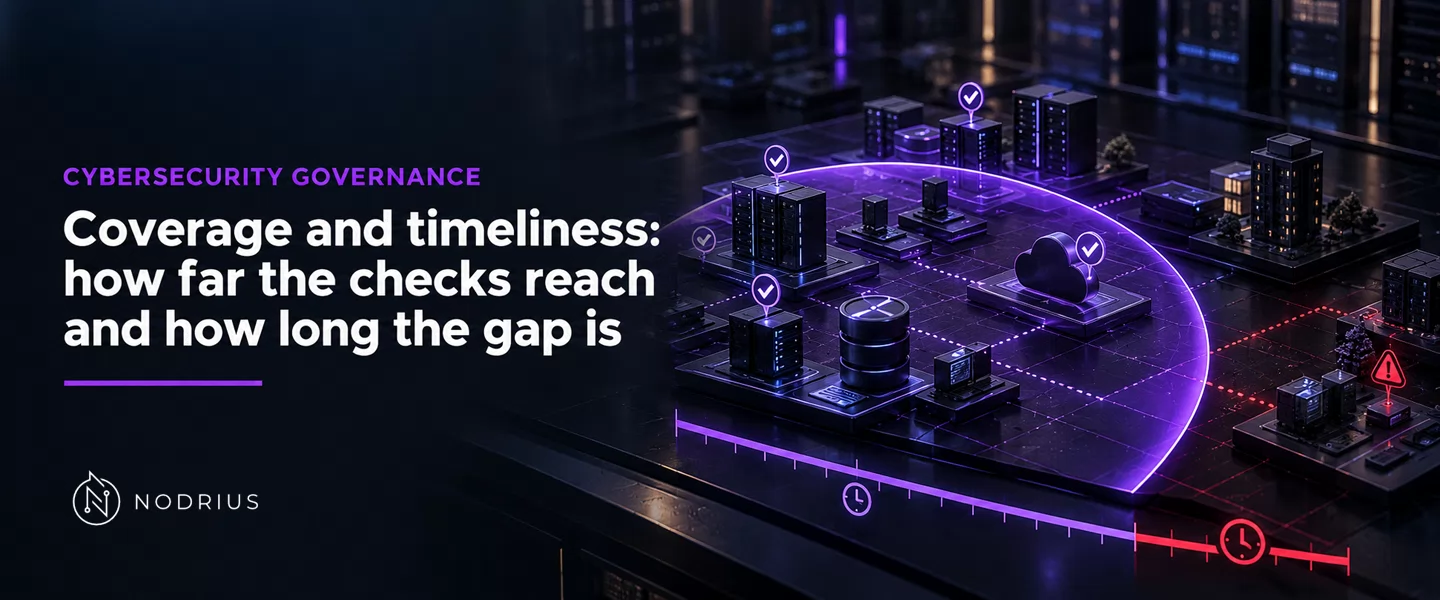
A monitoring programme owes two answers about its own reach and its own lag.

A policy proves a control was specified; only an observed effect shows it works.
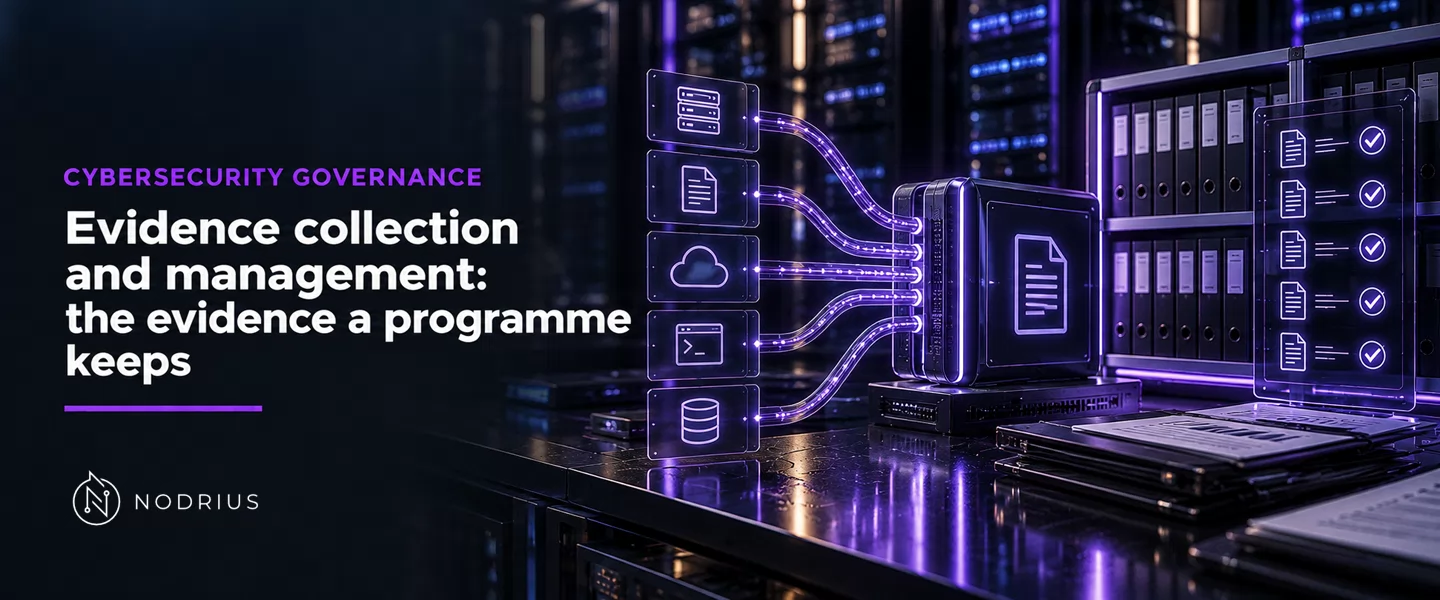
Evidence is a claim that can be checked, not a document filed the week before an audit.
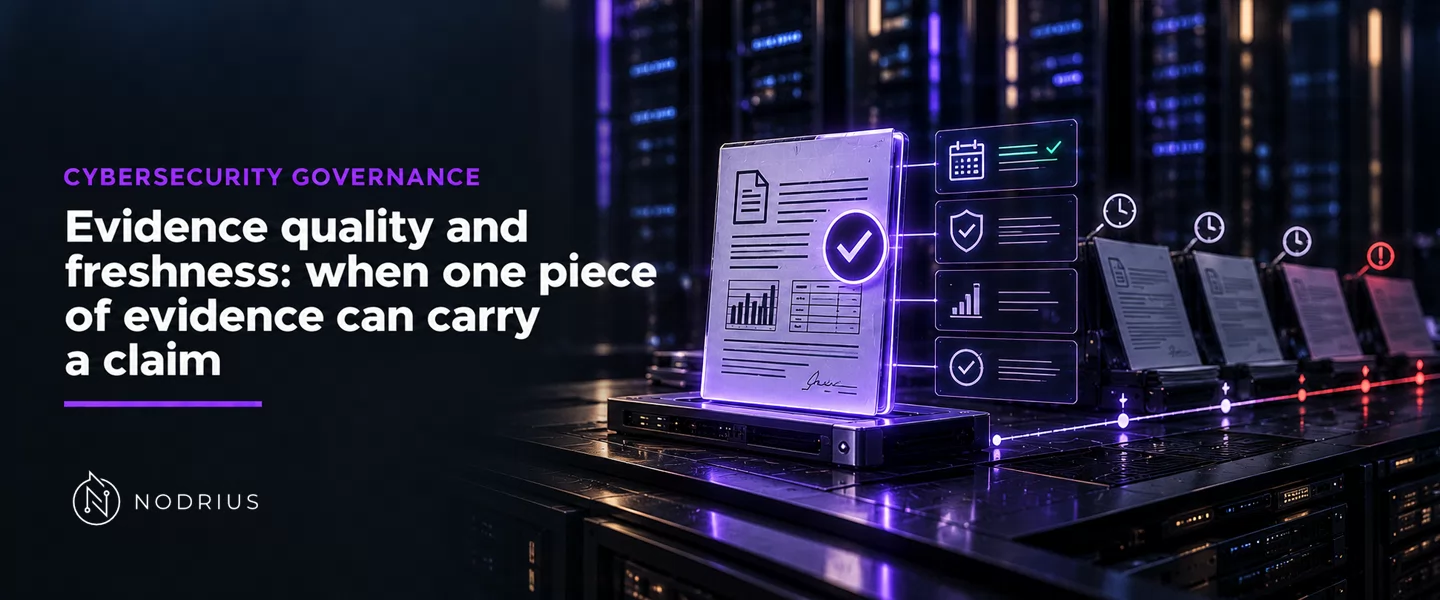
Sufficiency, provenance and currency decide when one piece of evidence can carry a claim.
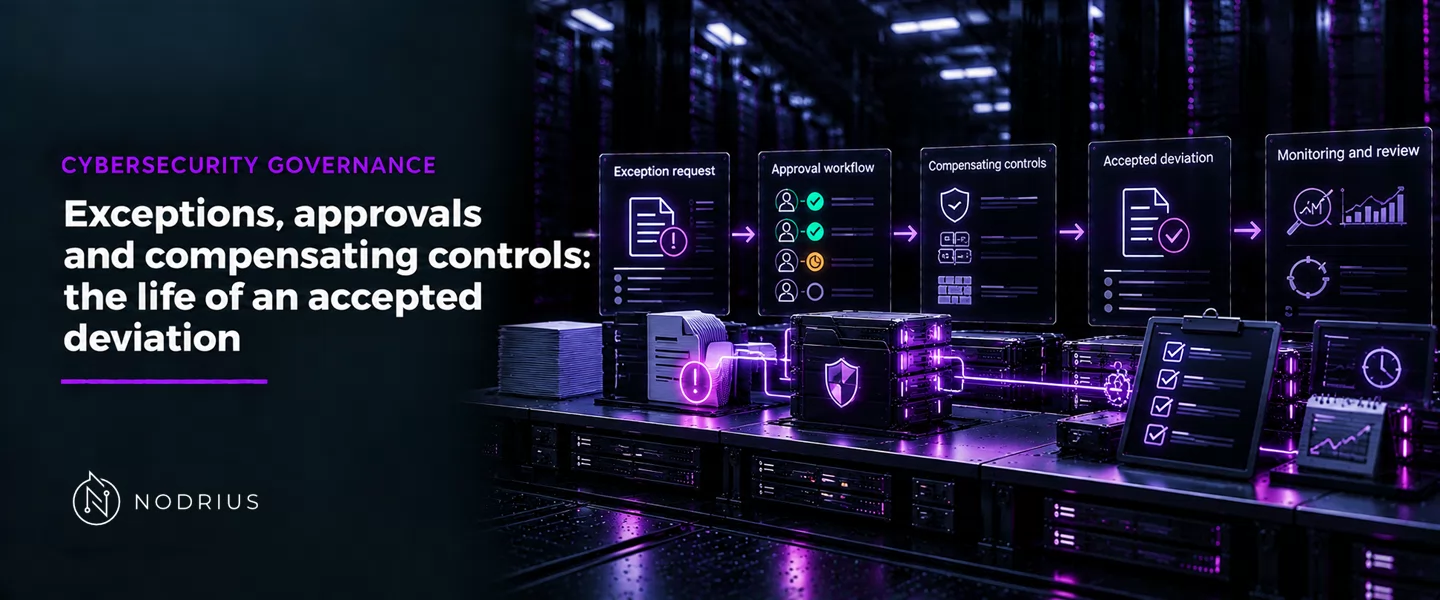
Who may approve a deviation, what compensates for it, and what ends it at expiry.
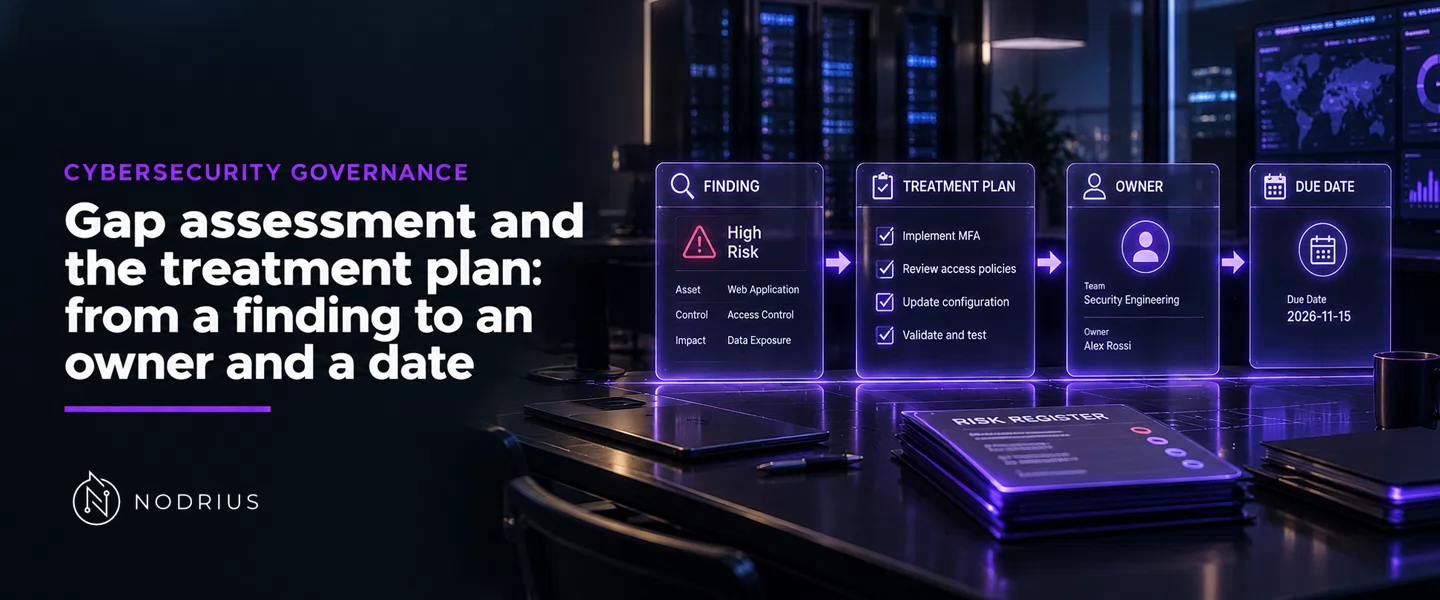
A gap becomes a plan only when a finding gets an owner, a date and a decision.
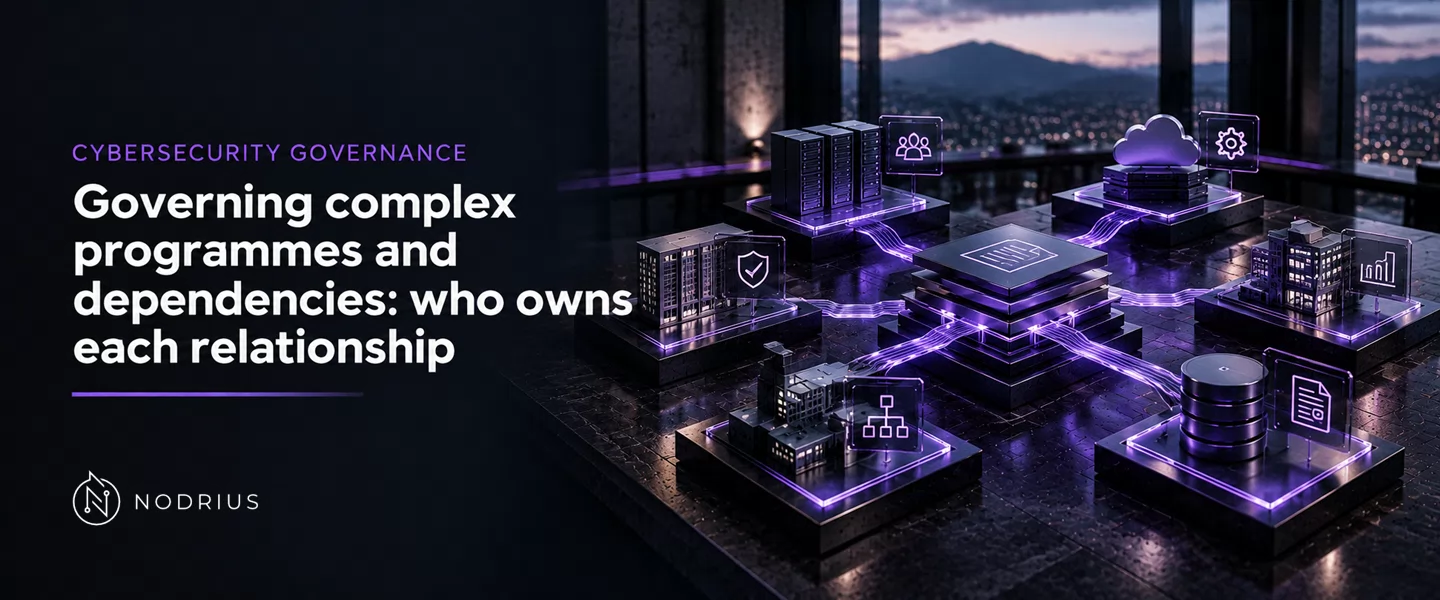
Governing a programme across many suppliers means owning each dependency, not listing it.

What changes in governance when part of the architecture is somebody else's service.
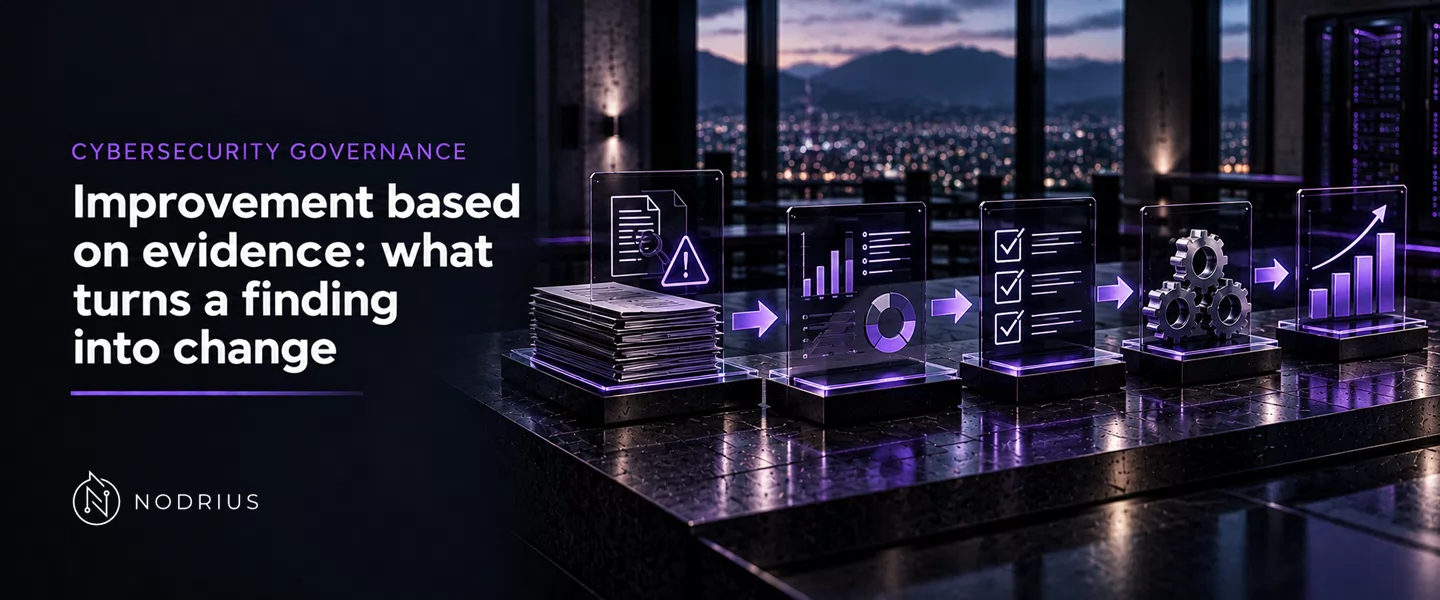
What turns findings, measures and lessons into a change, and how to tell it happened.
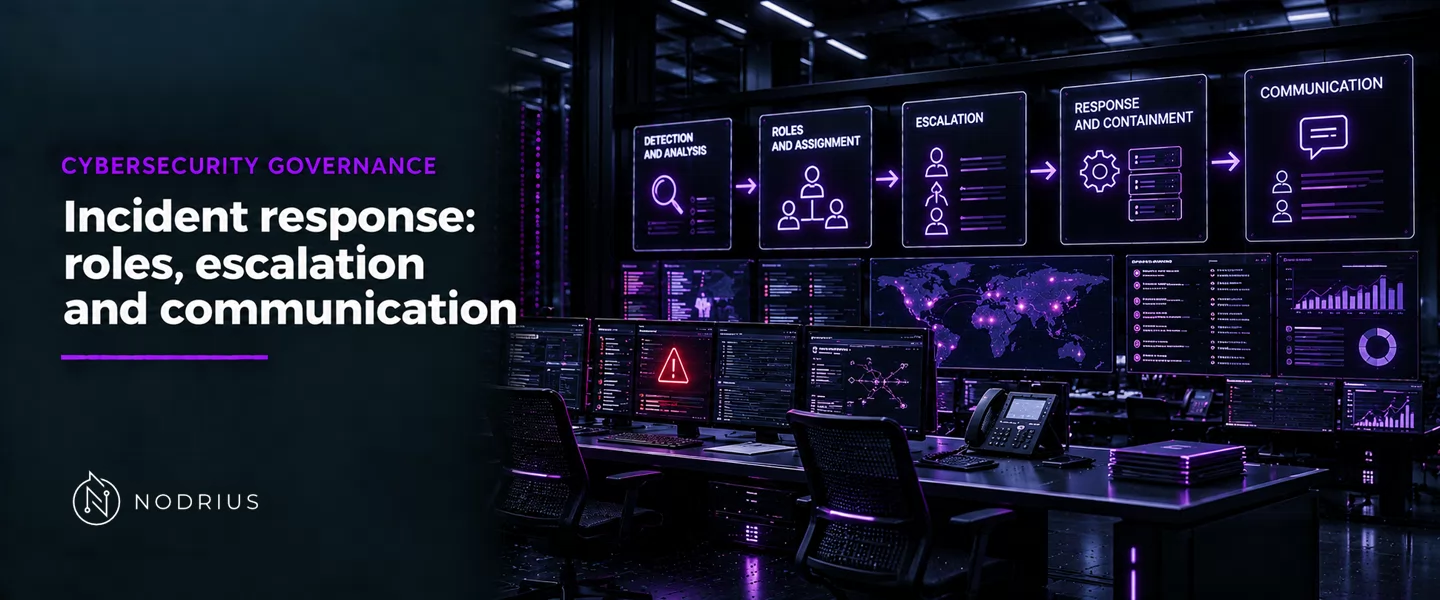
Who answers for an incident, what triggers escalation, and who is told what.
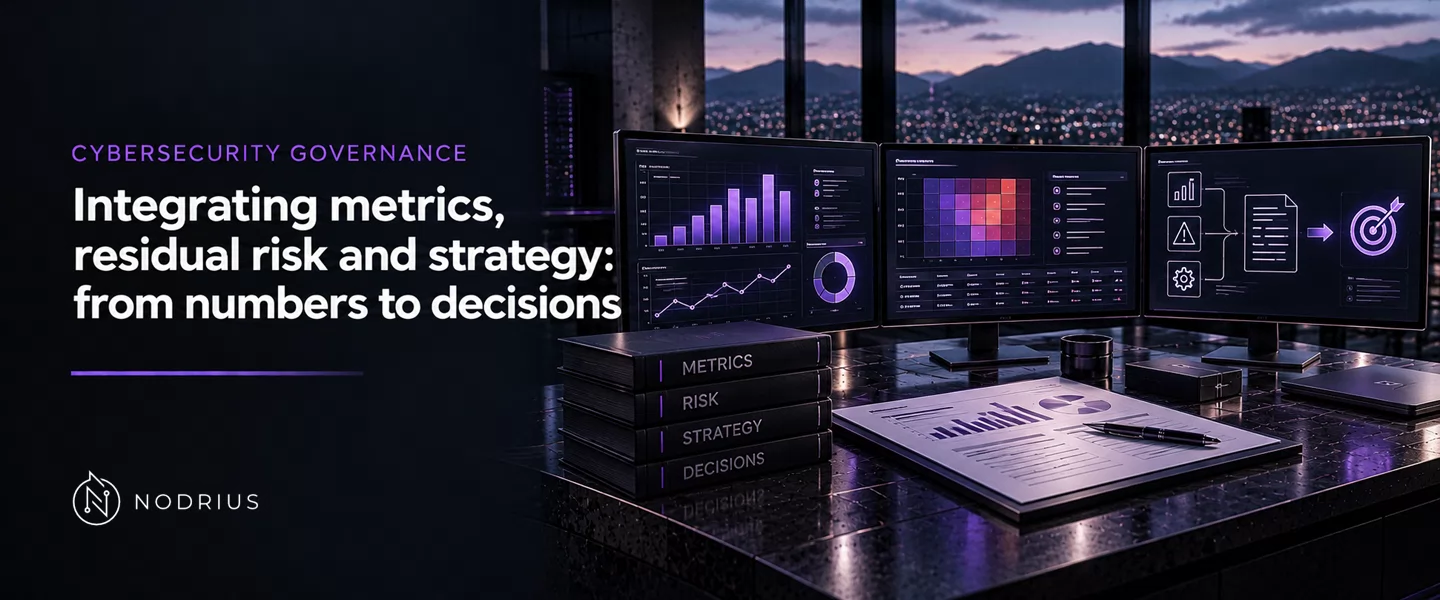
How measures and residual risk are compared against tolerance to change strategy.
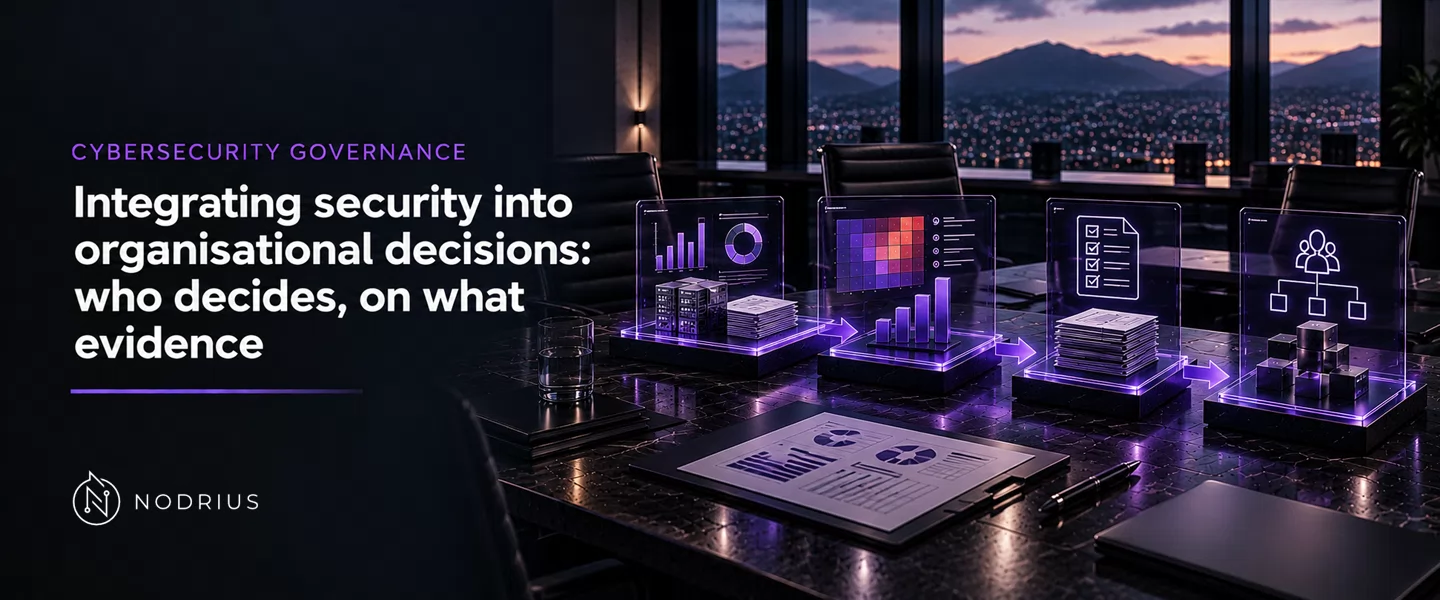
How security enters organisational decisions: context, mandate and accountability.
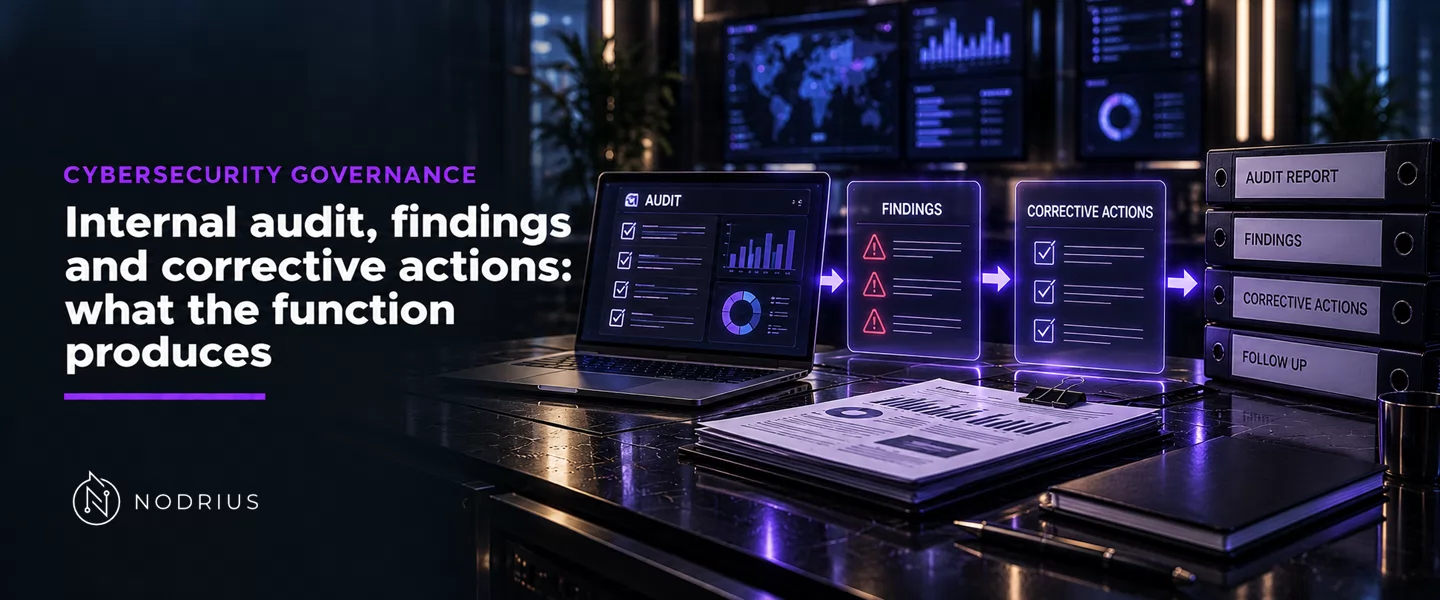
How internal audit produces findings, corrective actions and their confirmation.
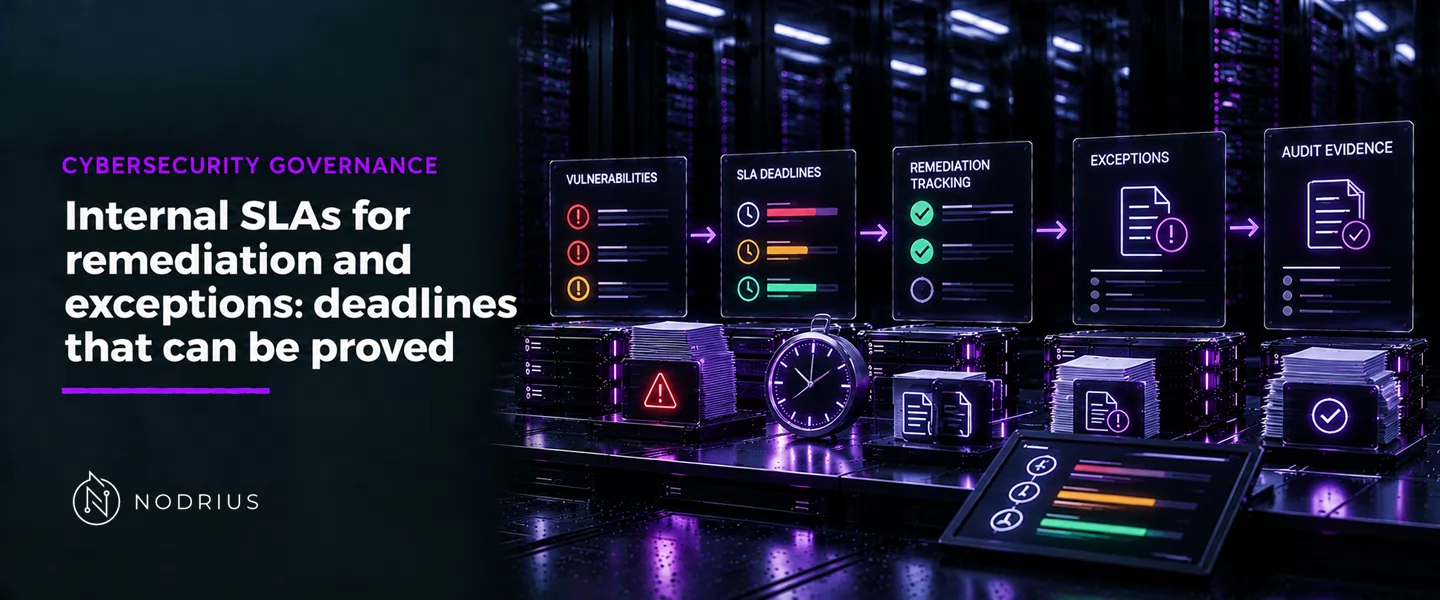
A remediation deadline needs a clock start, a breach rule and a route to an exception.
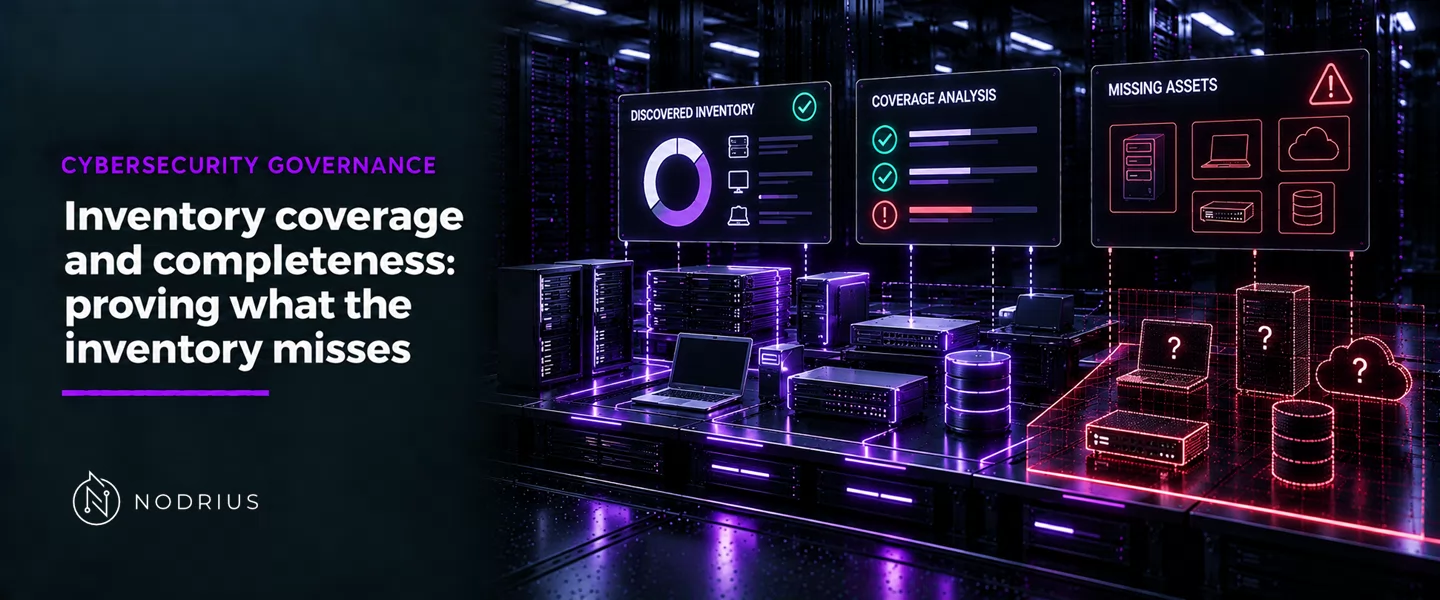
Coverage is a claim about a population: arguing what the inventory reaches and misses.
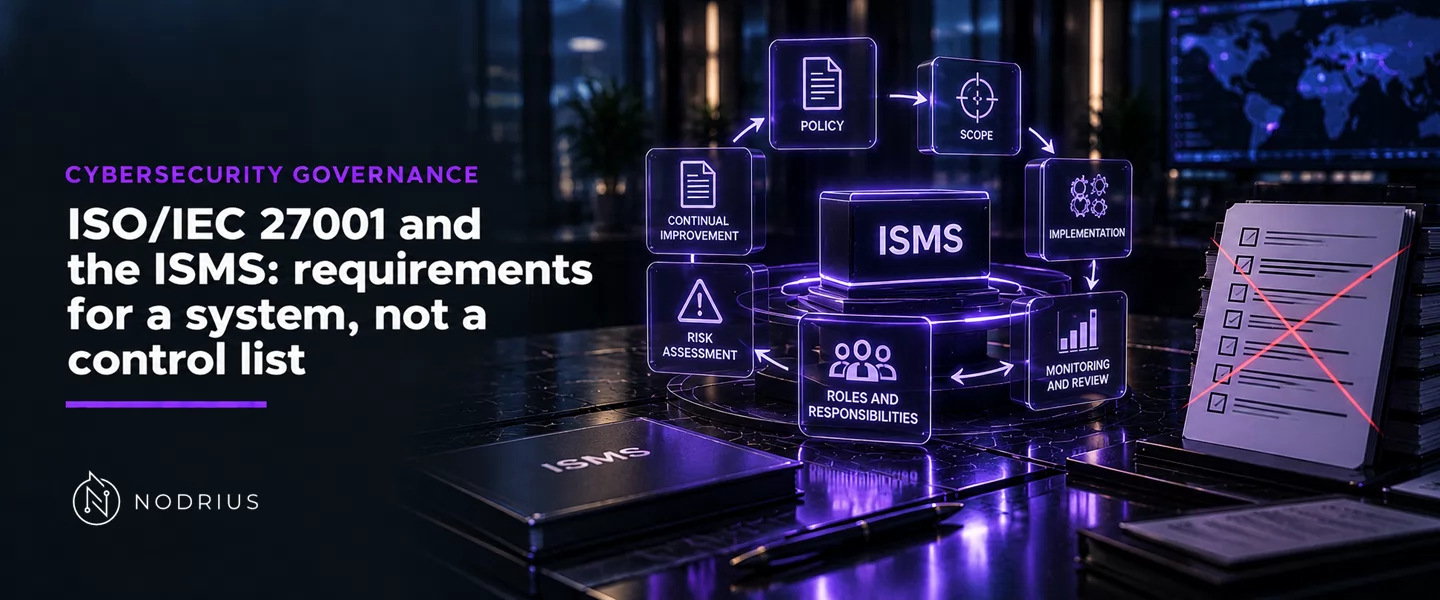
What ISO/IEC 27001 requires, and what an ISMS is as an object of governance.
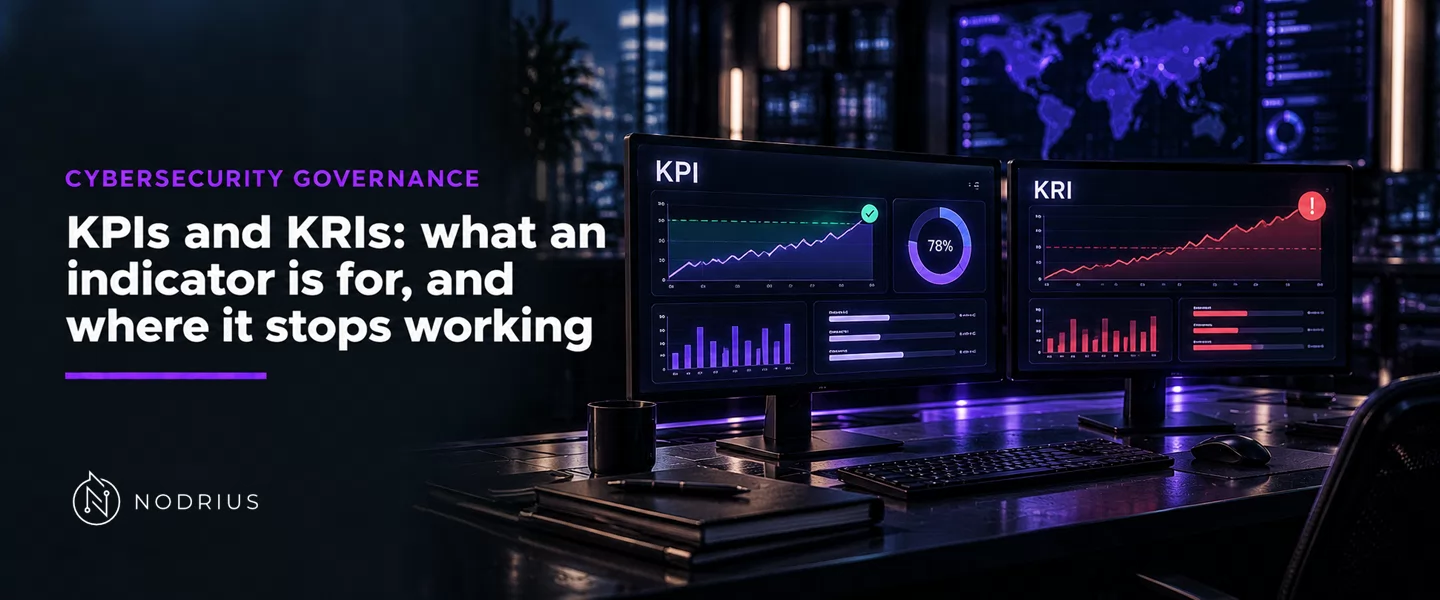
A KPI tracks progress, a KRI warns of risk; both fail without a purpose and a limit.
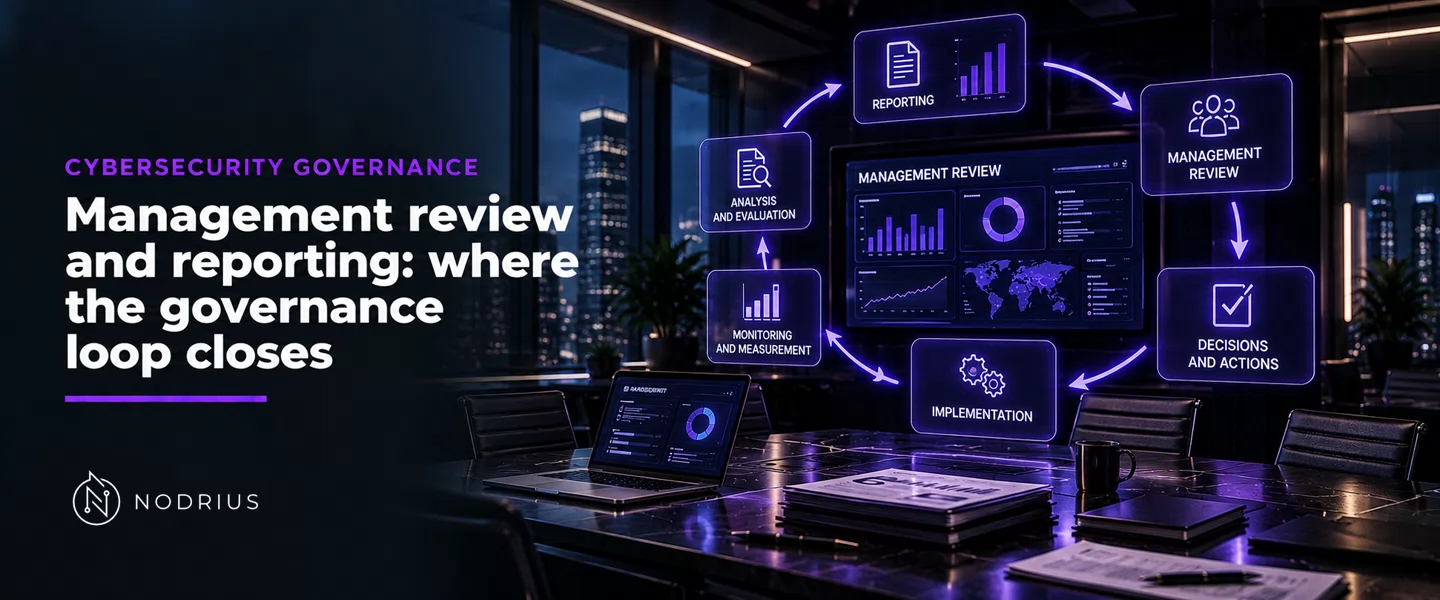
The decision meeting that closes the governance loop, and the reporting line feeding it.
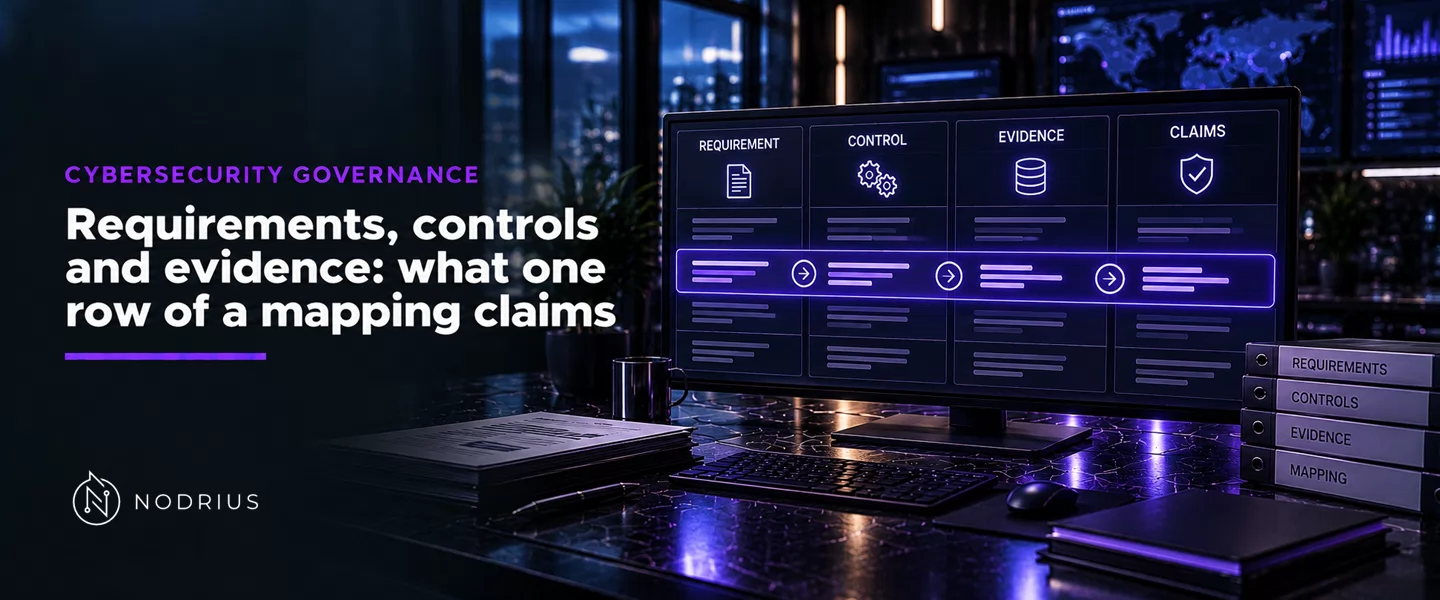
A mapping row claims a control covers a requirement; only evidence shows it works.
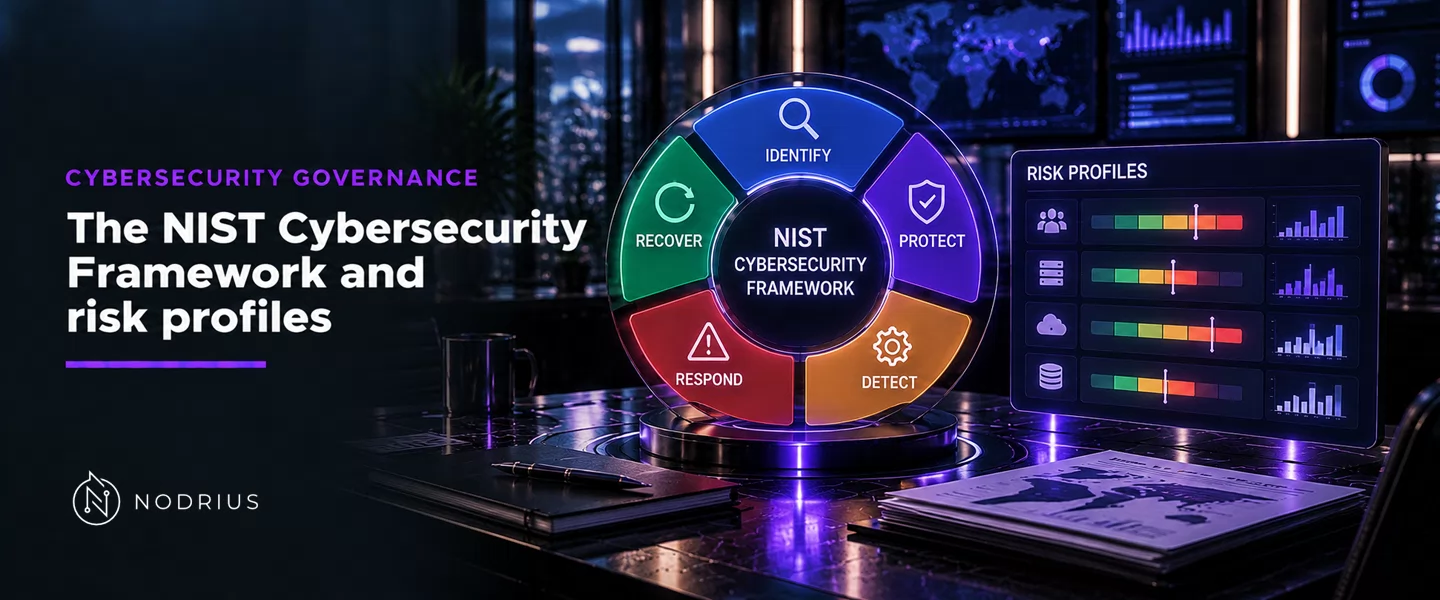
The CSF Core, Profiles and Tiers as a device that turns outcomes into risk talk.
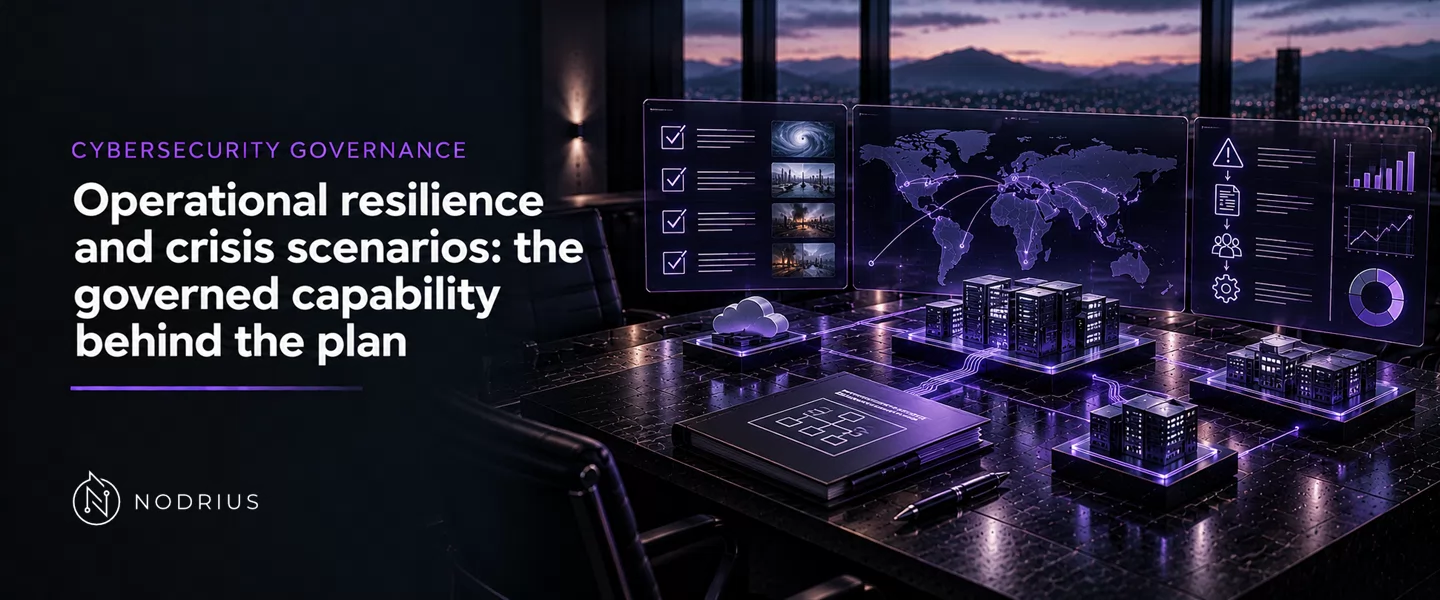
How resilience becomes a governed capability, and what a crisis scenario adds.
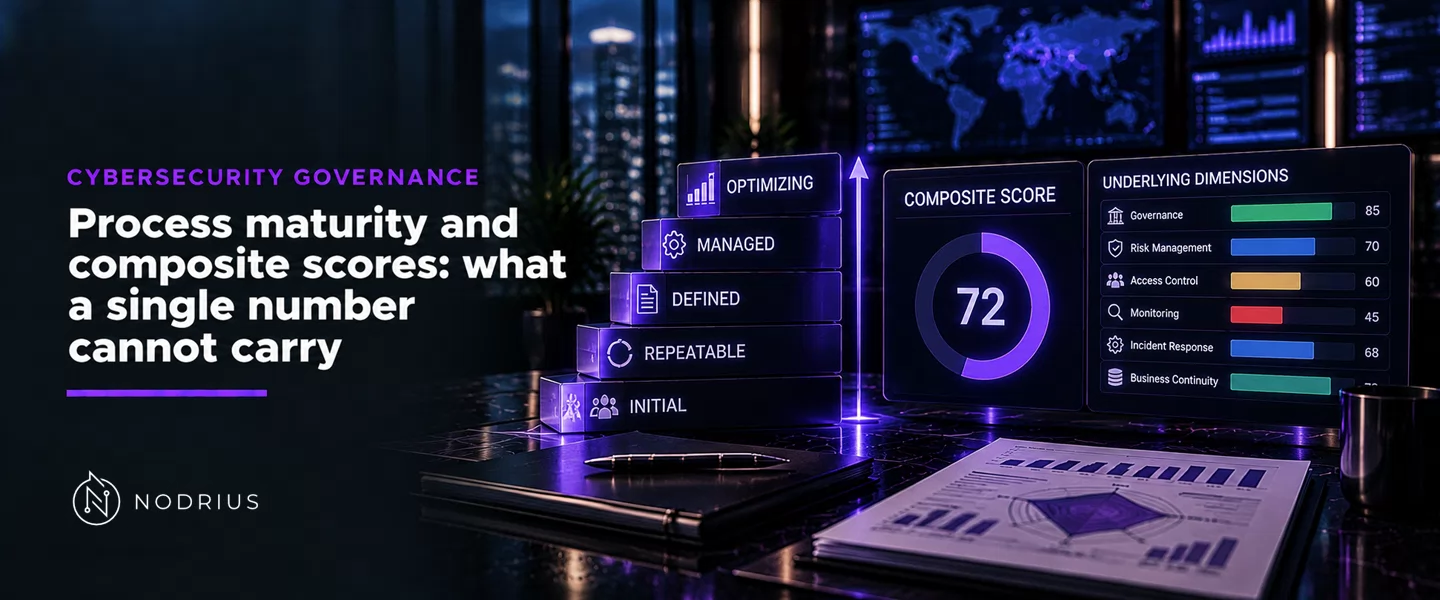
What a maturity model measures, and why its single composite score is its weakest part.
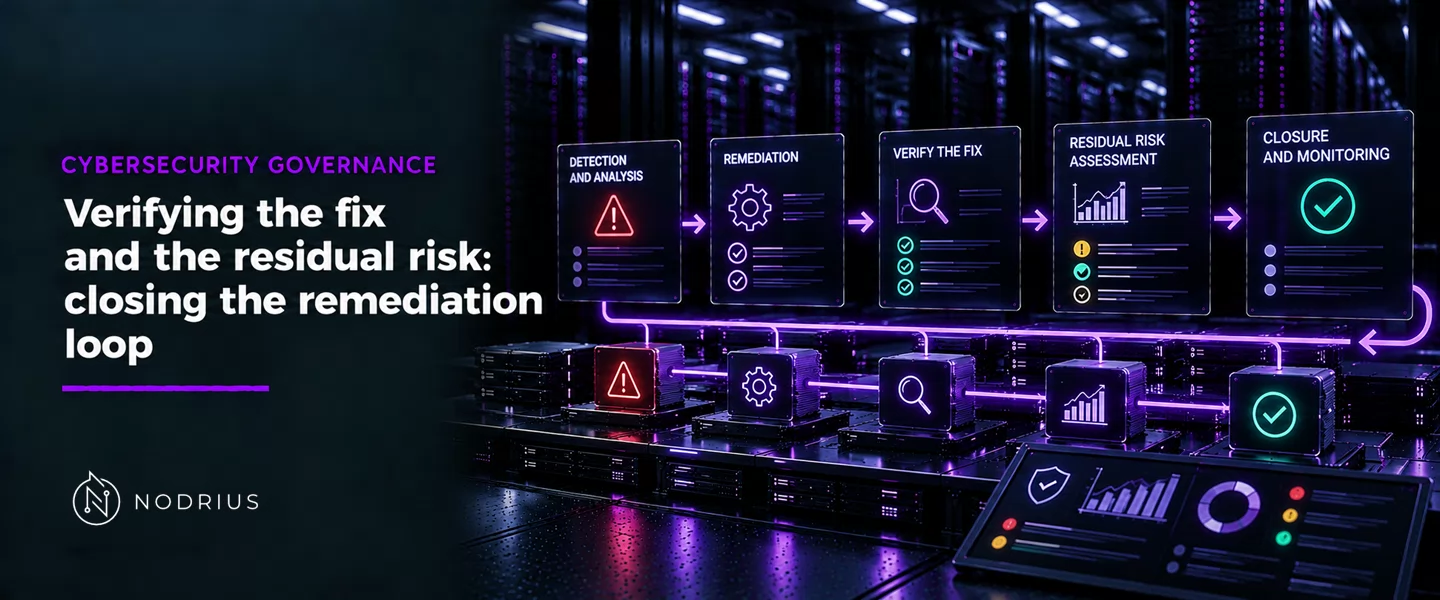
Closing a finding takes a new observation and a residual figure, not a status change.
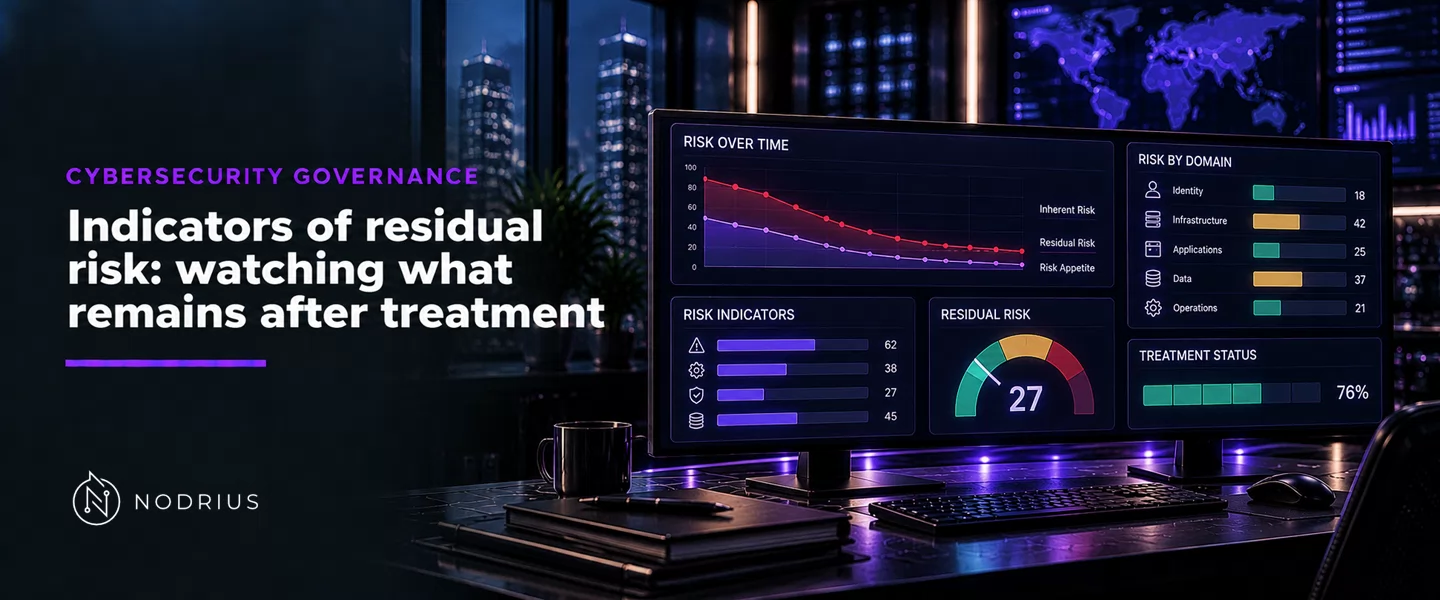
Recorded is not the same as watched: what moves a residual figure, and what it hides.
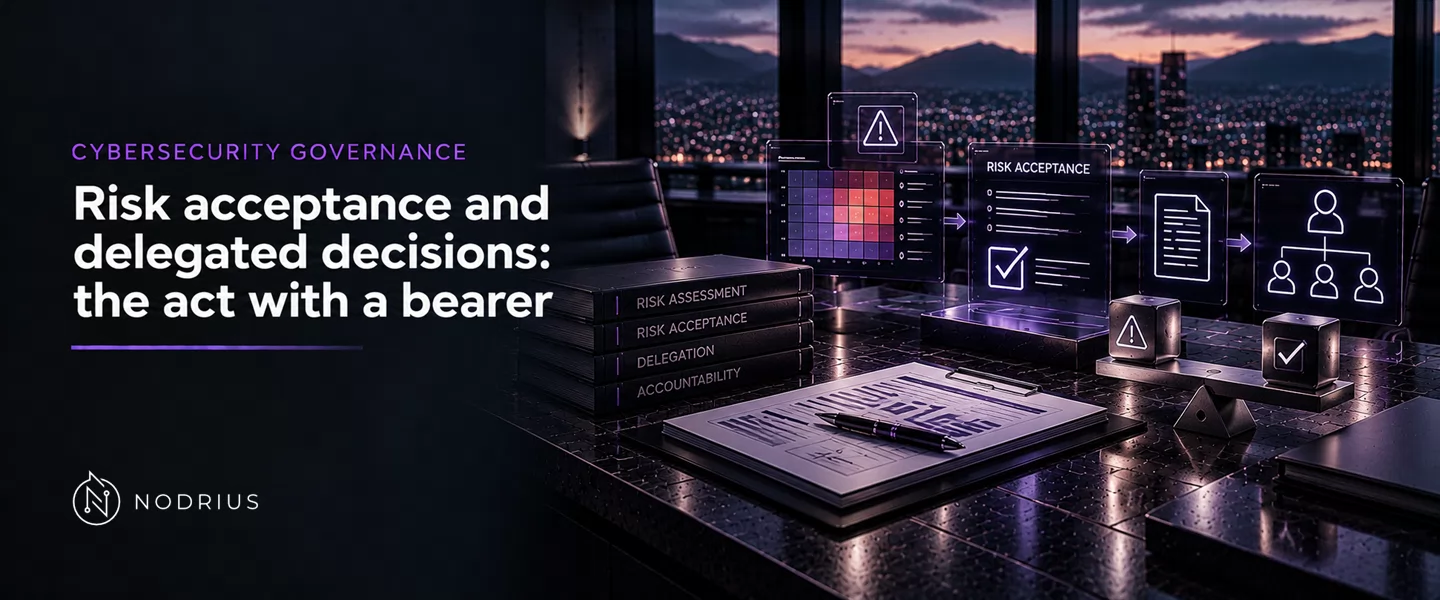
Accepting risk is a decision with a bearer, not the absence of a decision.
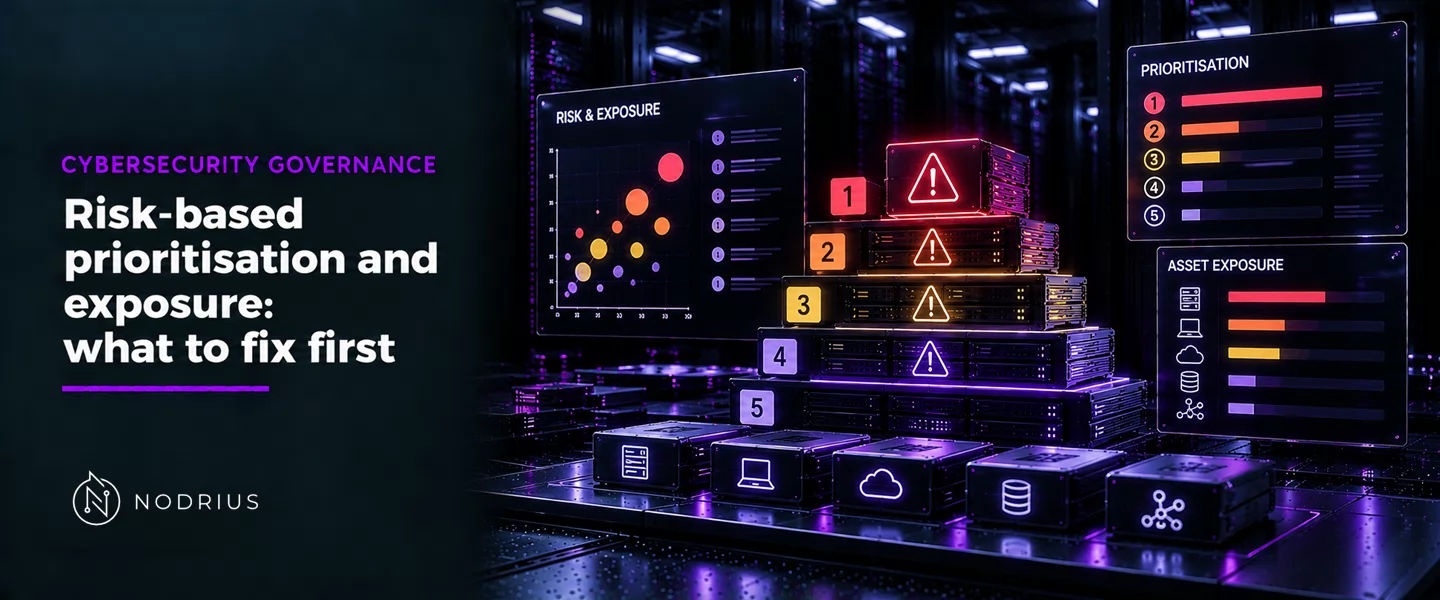
Prioritisation is a decision, not a score: name the facts a priority rests on.
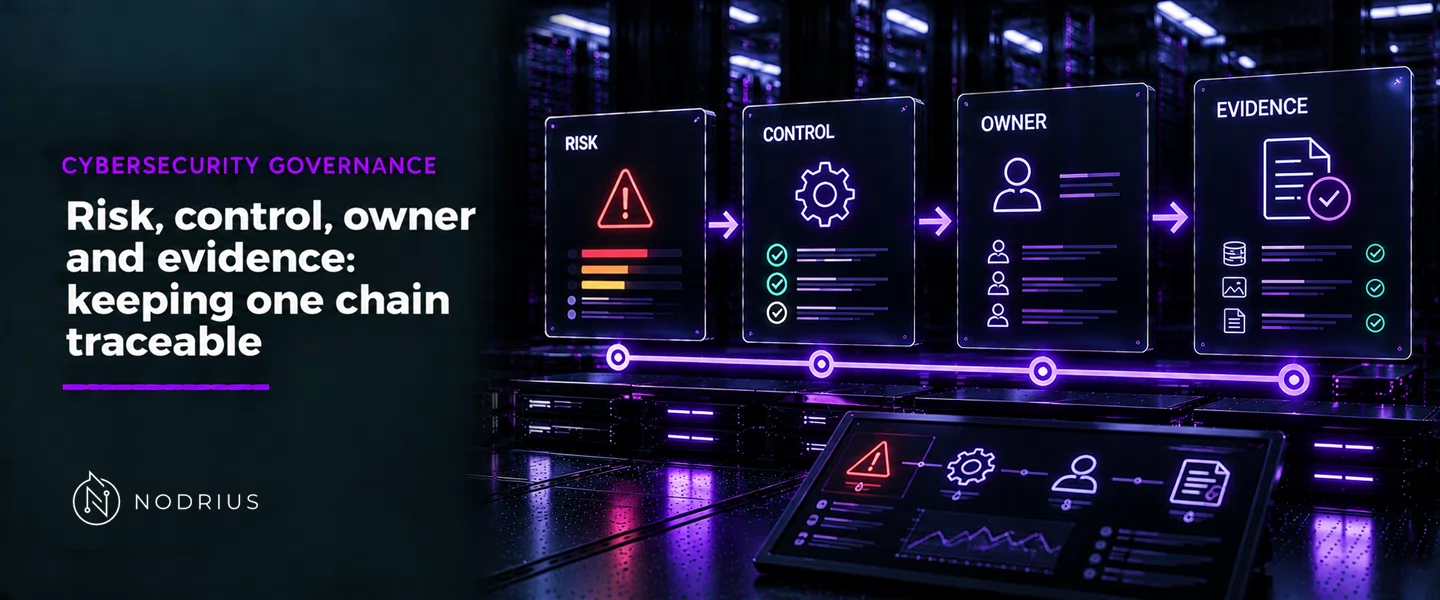
One chain from a treated risk to the owner and the evidence that it works.
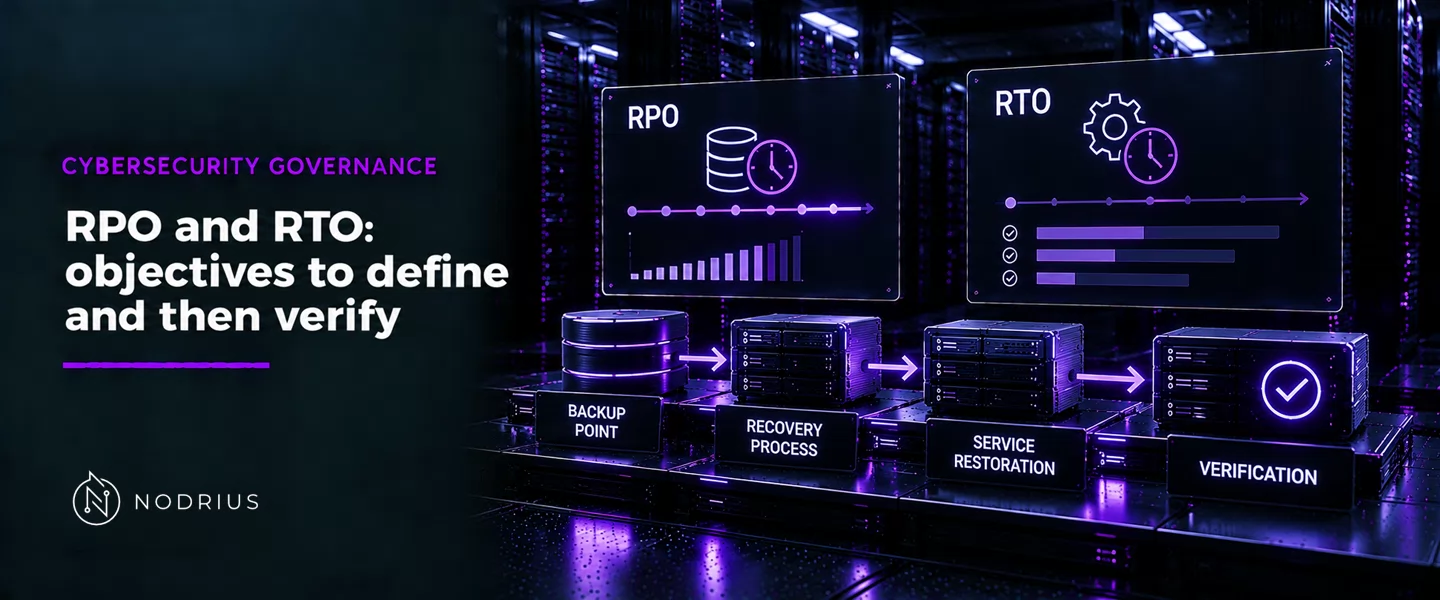
How to state RPO and RTO as owned objectives, and prove them with test evidence.
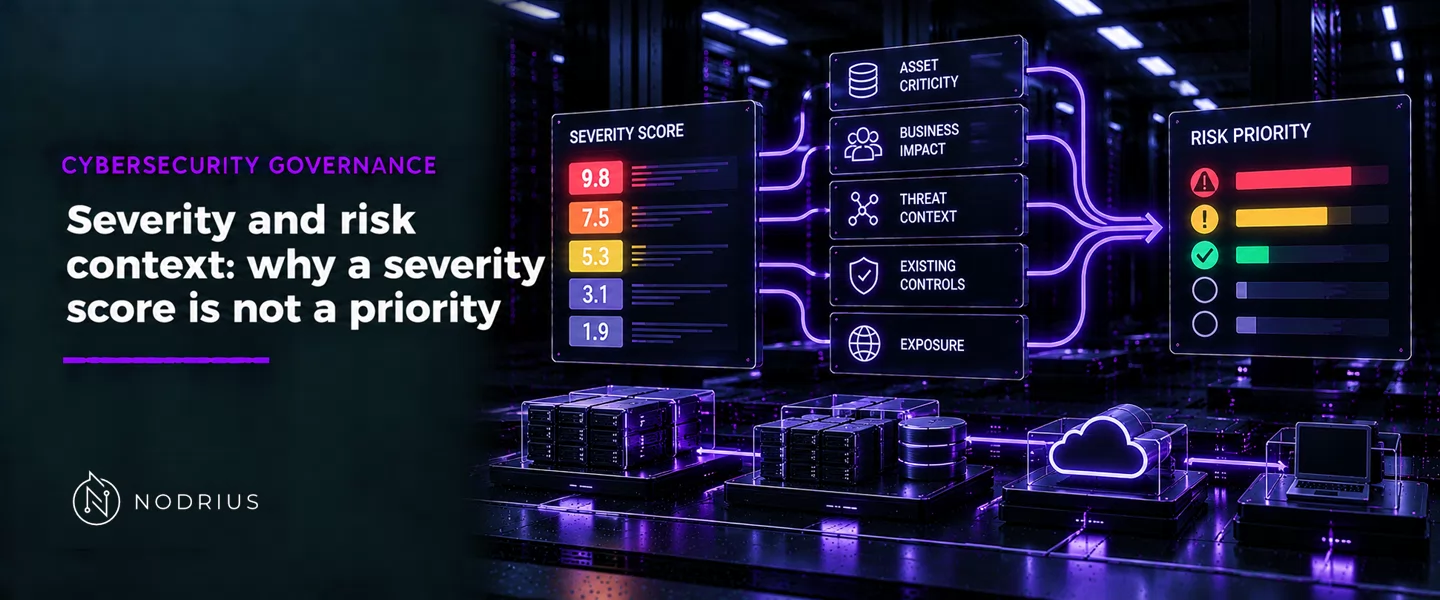
A severity score describes the vulnerability, not your exposure. Read it in context.
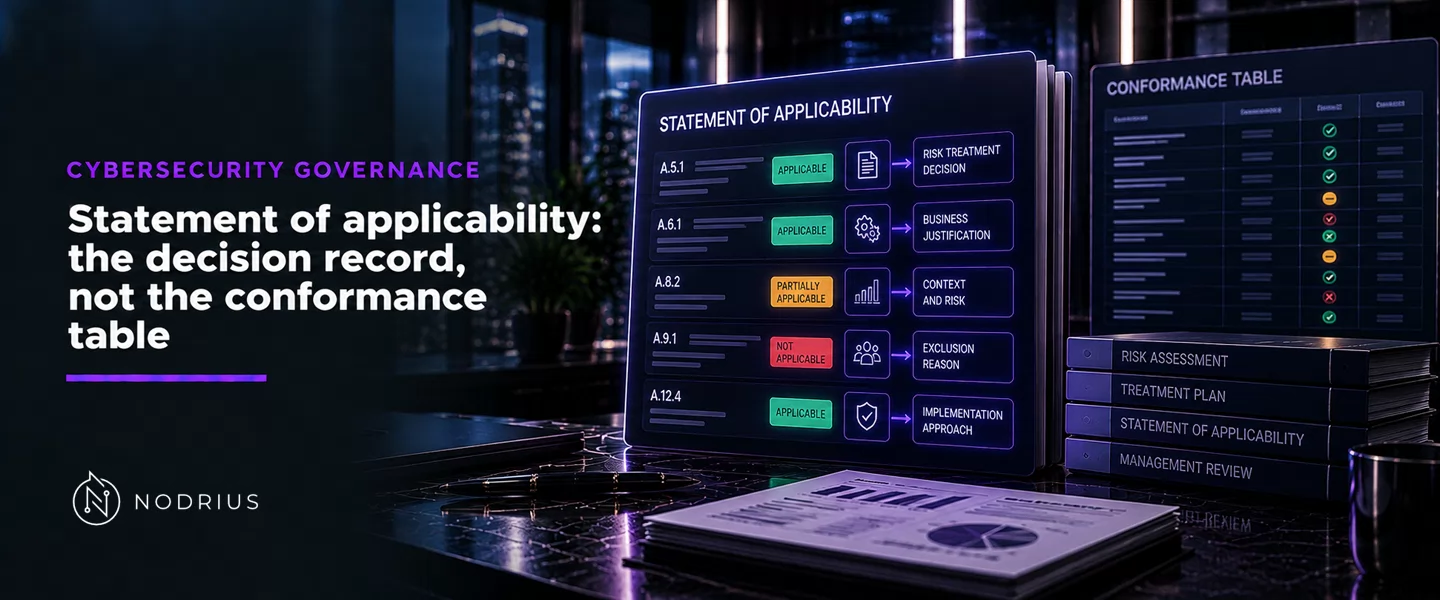
What the SOA records, why a control is excluded, and who owns the decision.

Who owns AI and automation risk, against what written tolerance, and with what oversight.
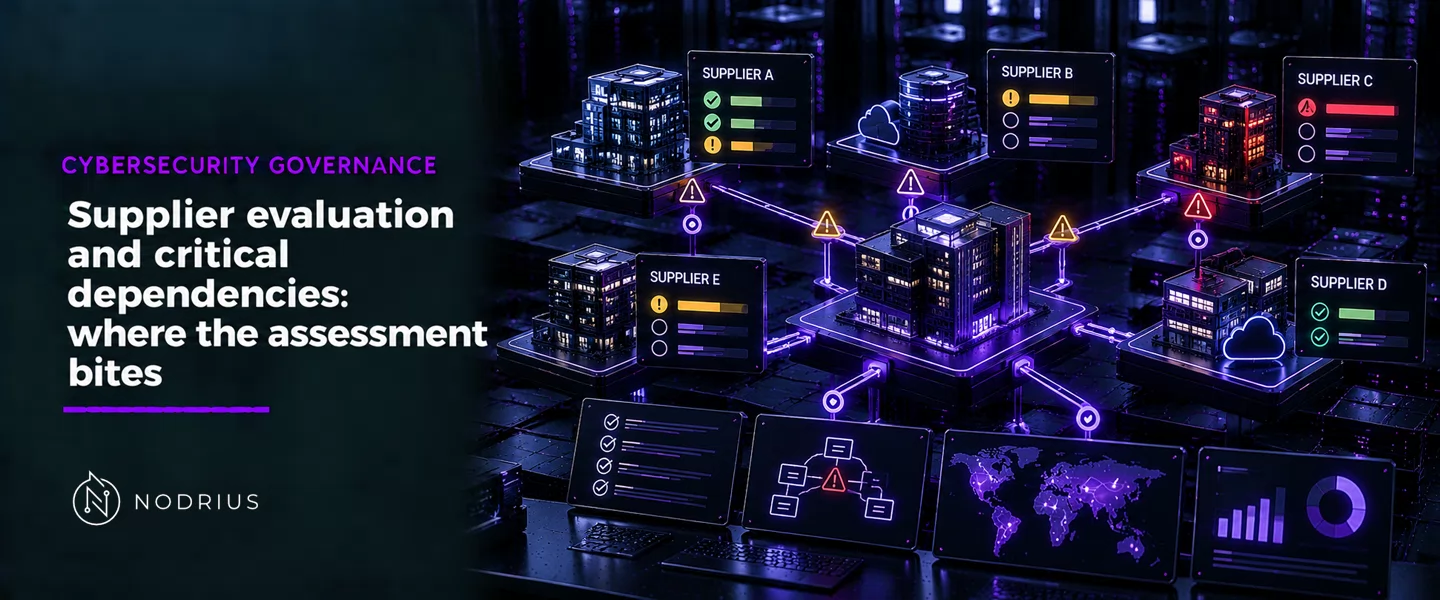
Assessment depth, evidence and frequency, set by the criticality of the dependency.
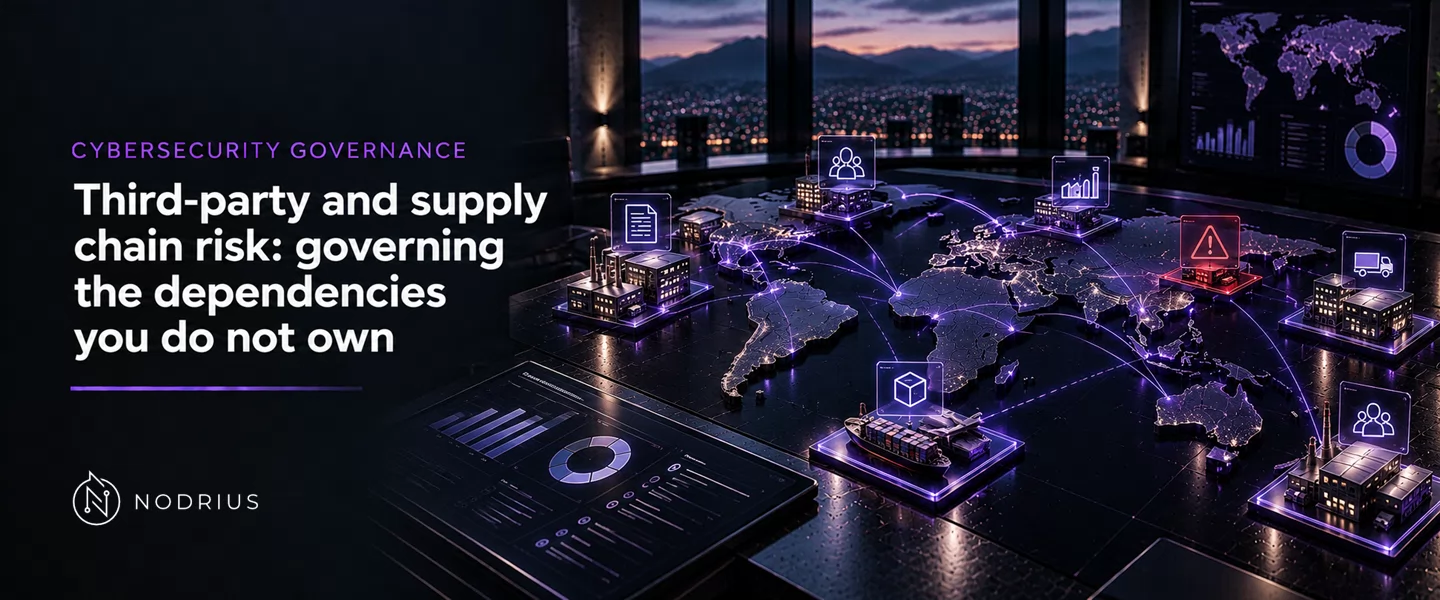
Supply-chain risk as a governed domain: priority, resilience and the recorded reason.
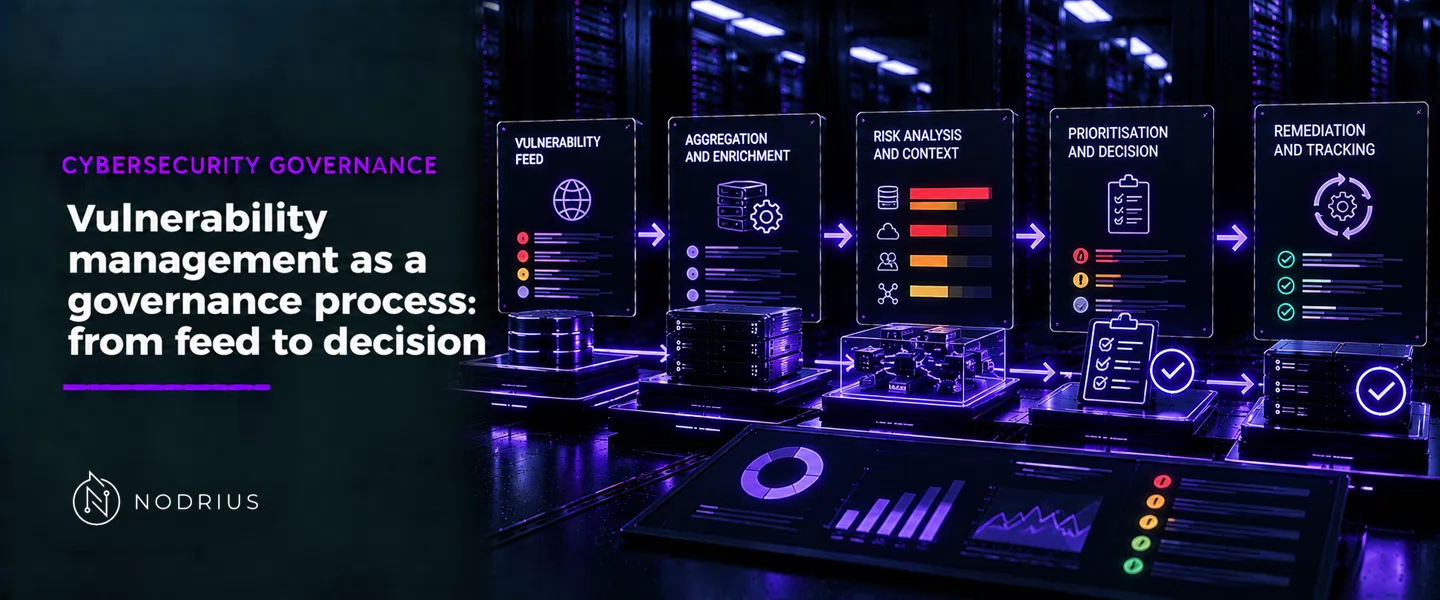
The scanner is an input: the governance steps from feed to decision, each with an owner.

An inventory is a record with checkable properties, not a database: what CM-8 requires.

The inventory is a snapshot; the lifecycle is the process that ends an asset.
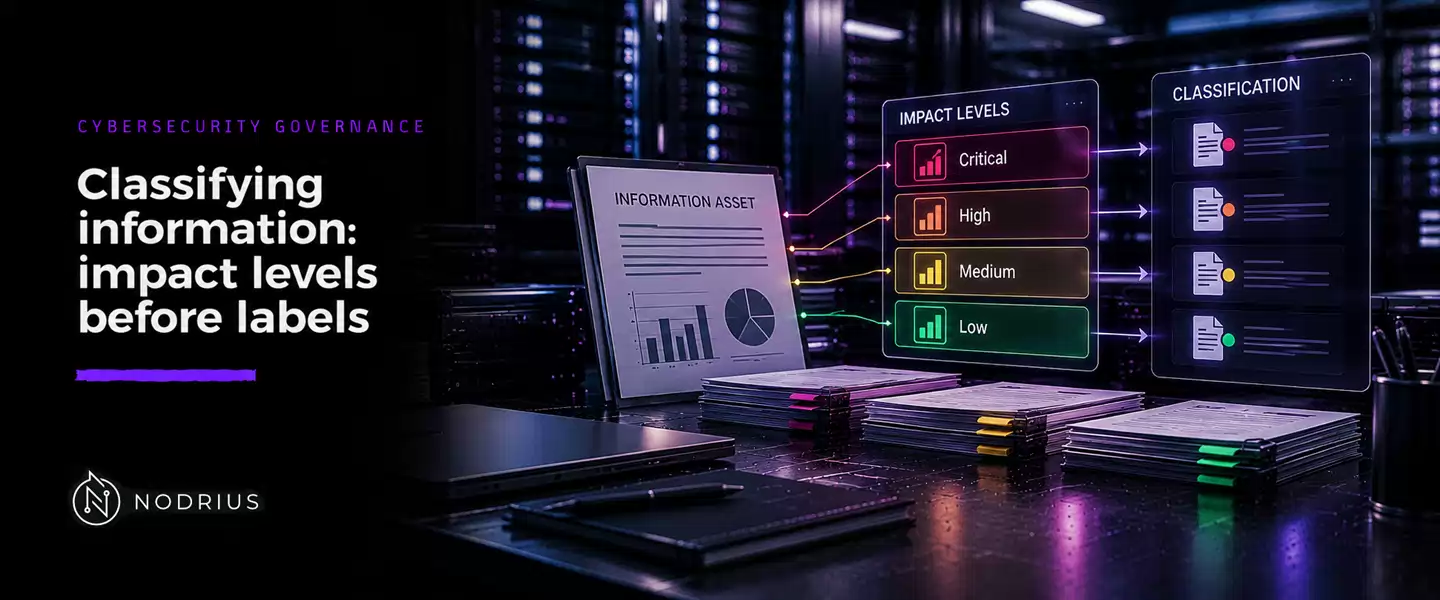
The impact level is the decision; the label only carries it to the object it governs.
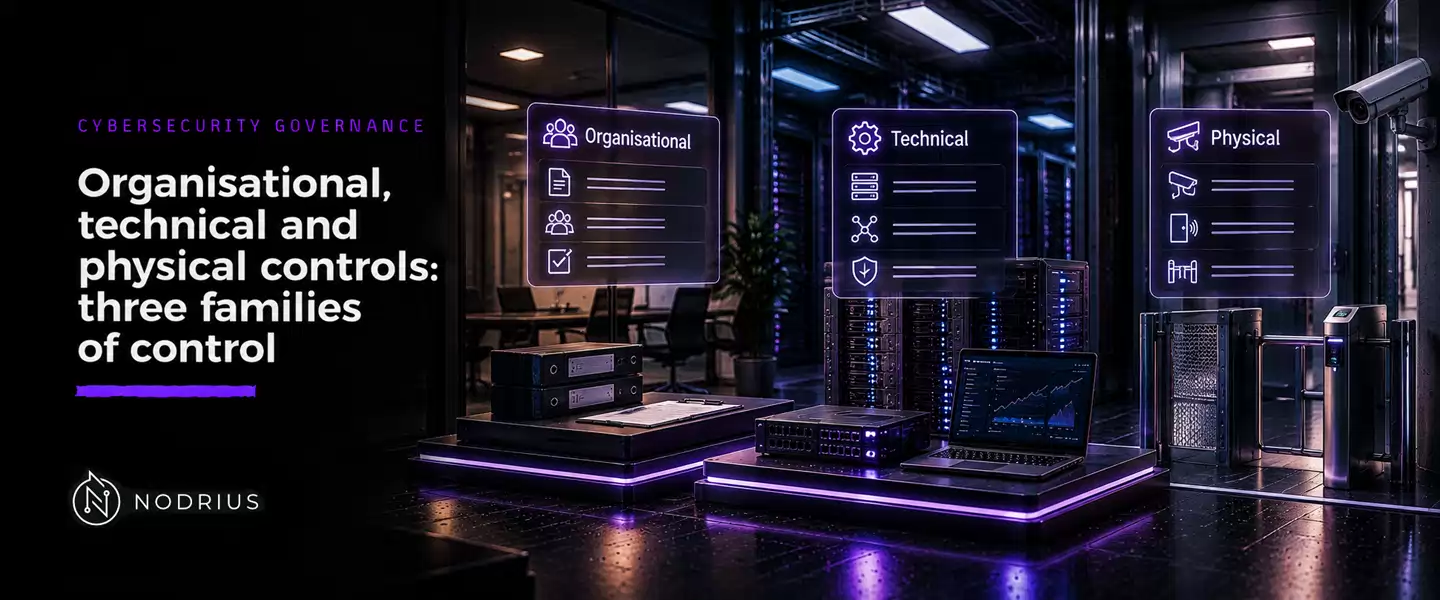
How NIST sorts controls by who executes them, and where physical controls sit.

Three hats on one asset: who sets the rules, who runs it, and what the register names.
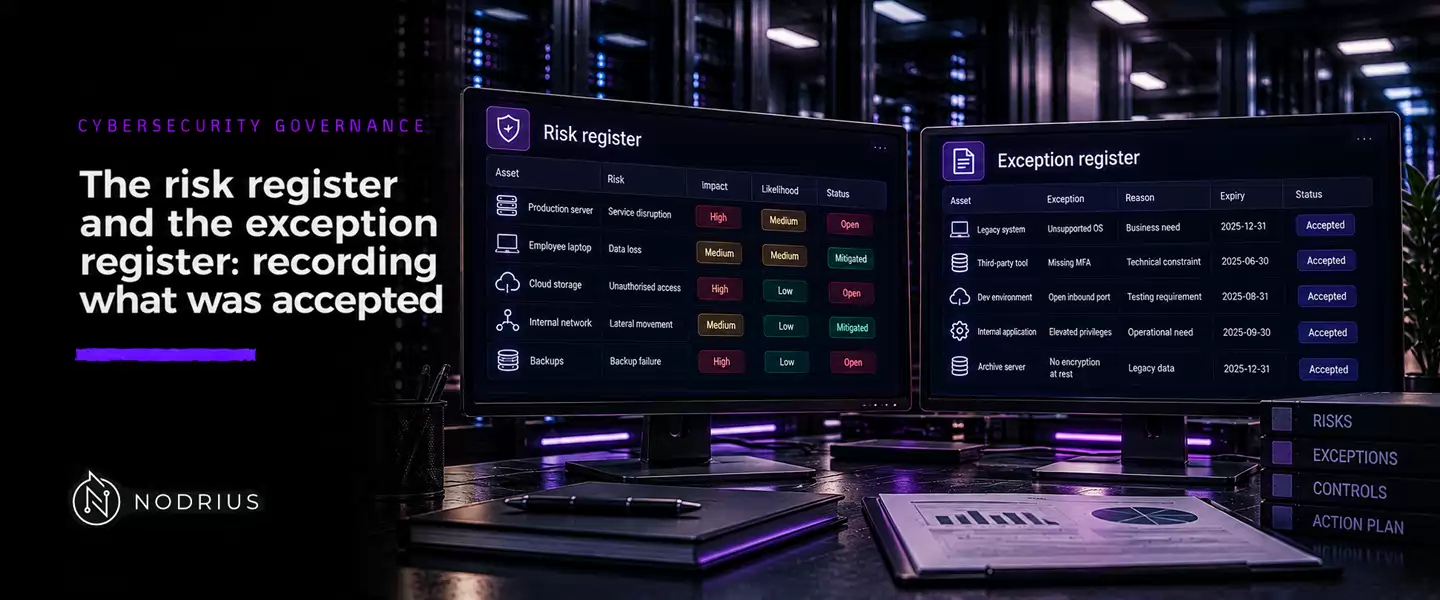
One register keeps the risk decision; the other keeps the deviation and its expiry.
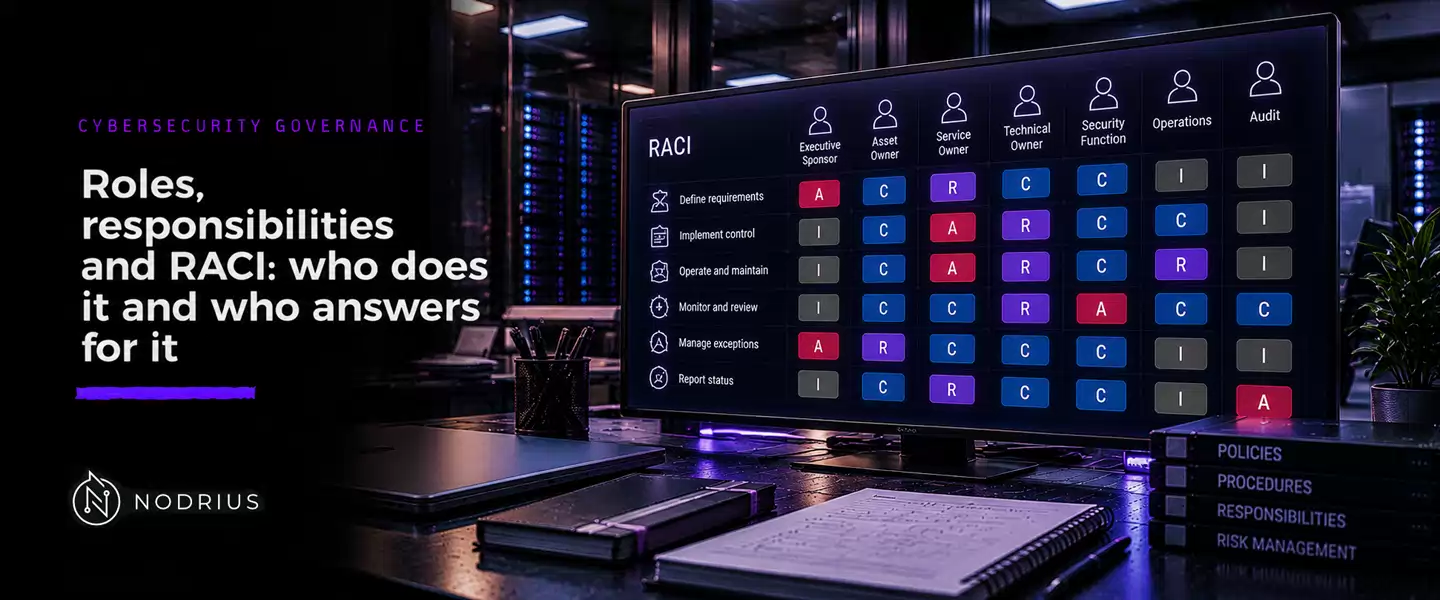
A RACI chart maps activities to roles; done badly it hides who answers for what.
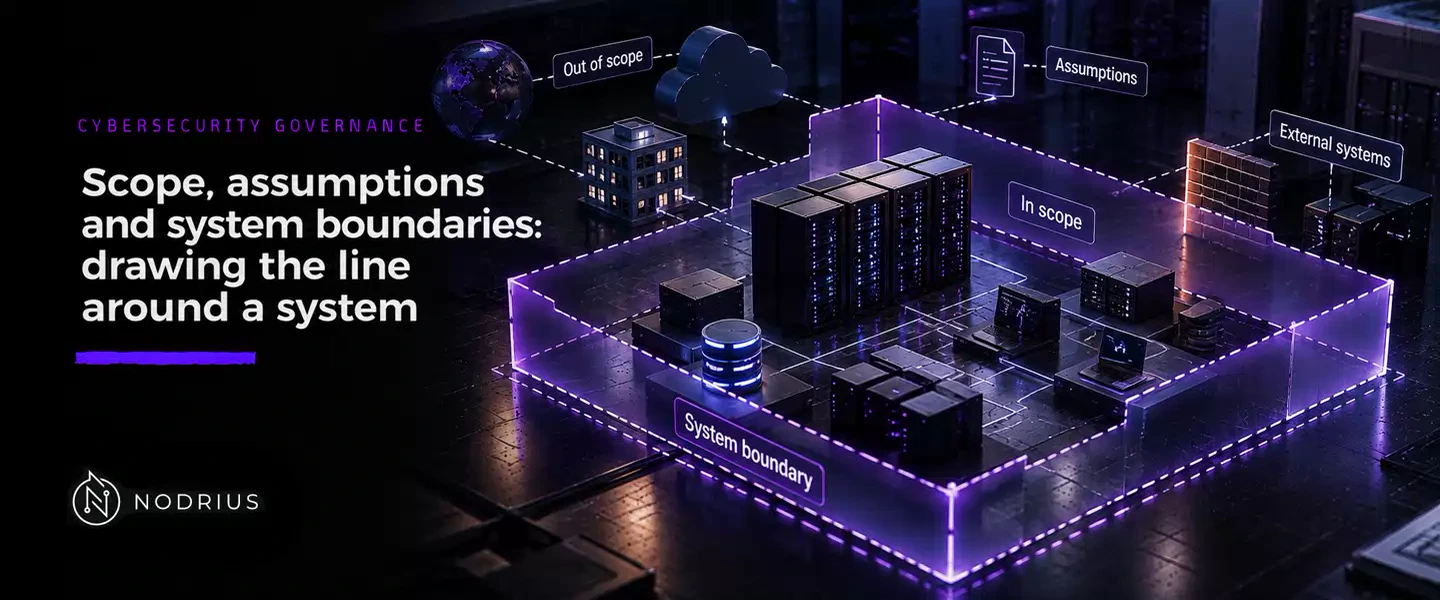
Drawing a system boundary: the decision it encodes and the assumptions it rests on.
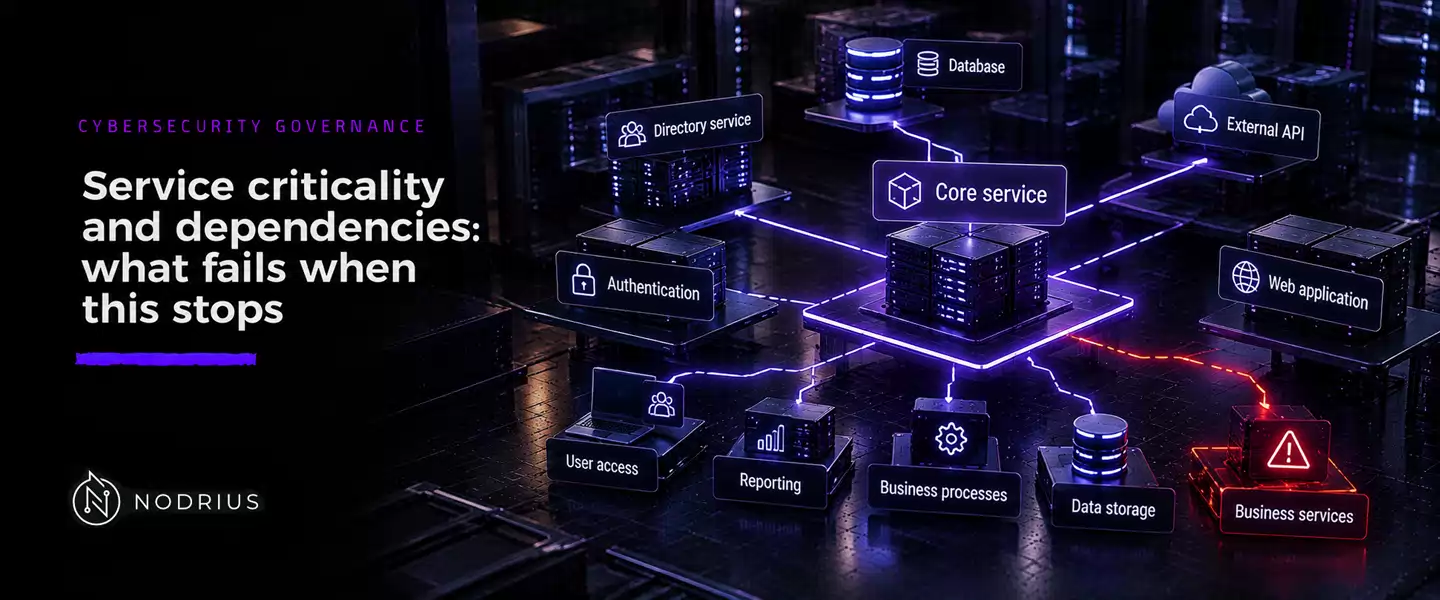
Criticality is a property of the service, not the box: name what it depends on.
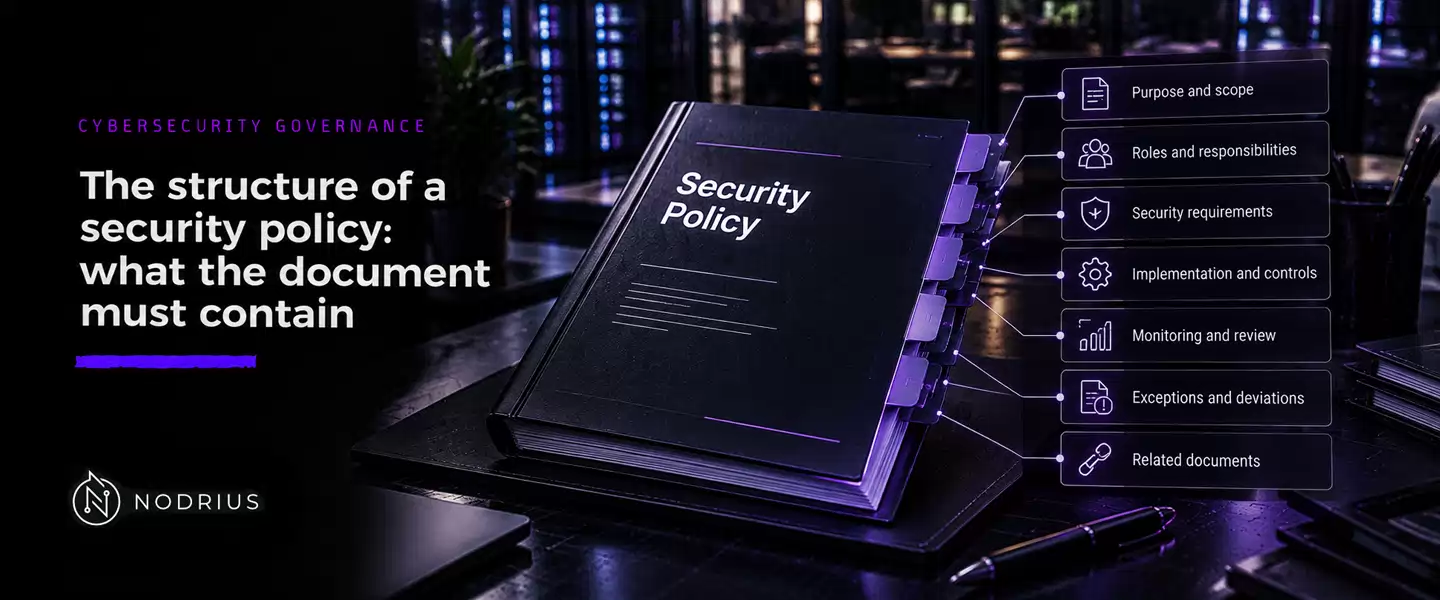
The parts a security policy must contain, and what their presence does not prove.

Supplier risk that arrives with the contract: what stays yours and how it is managed.
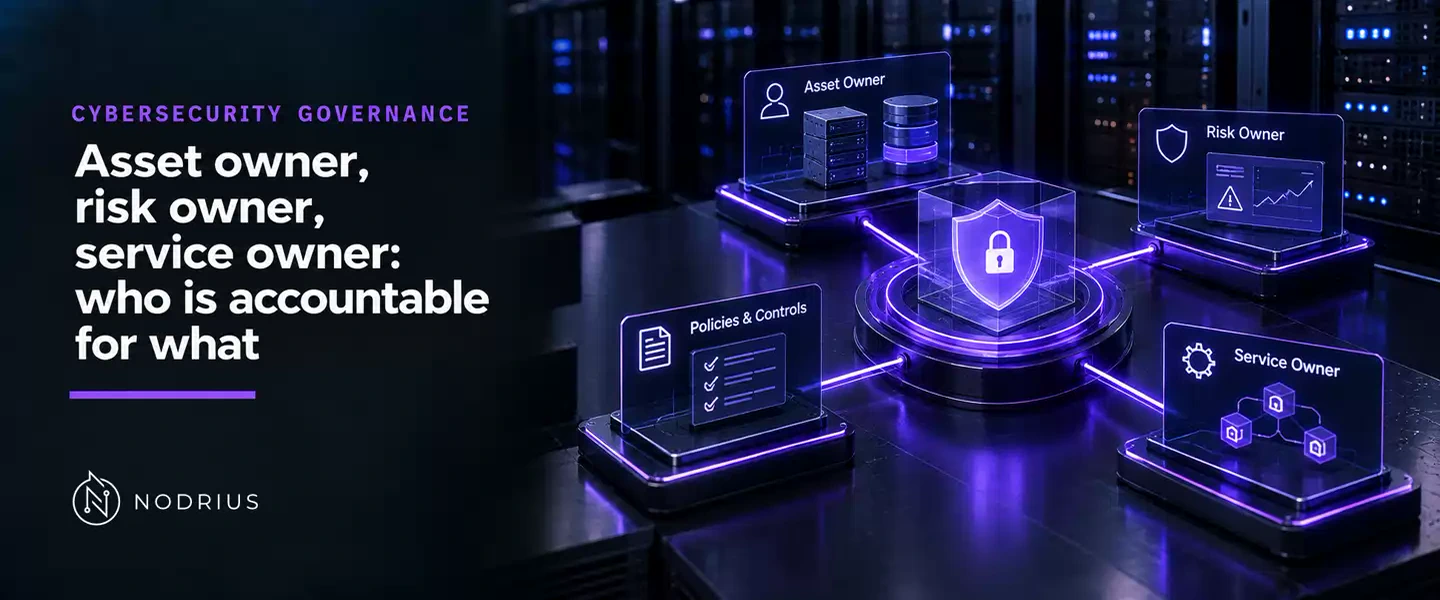
Asset, process and risk are owned differently; NIST names who is accountable for each.
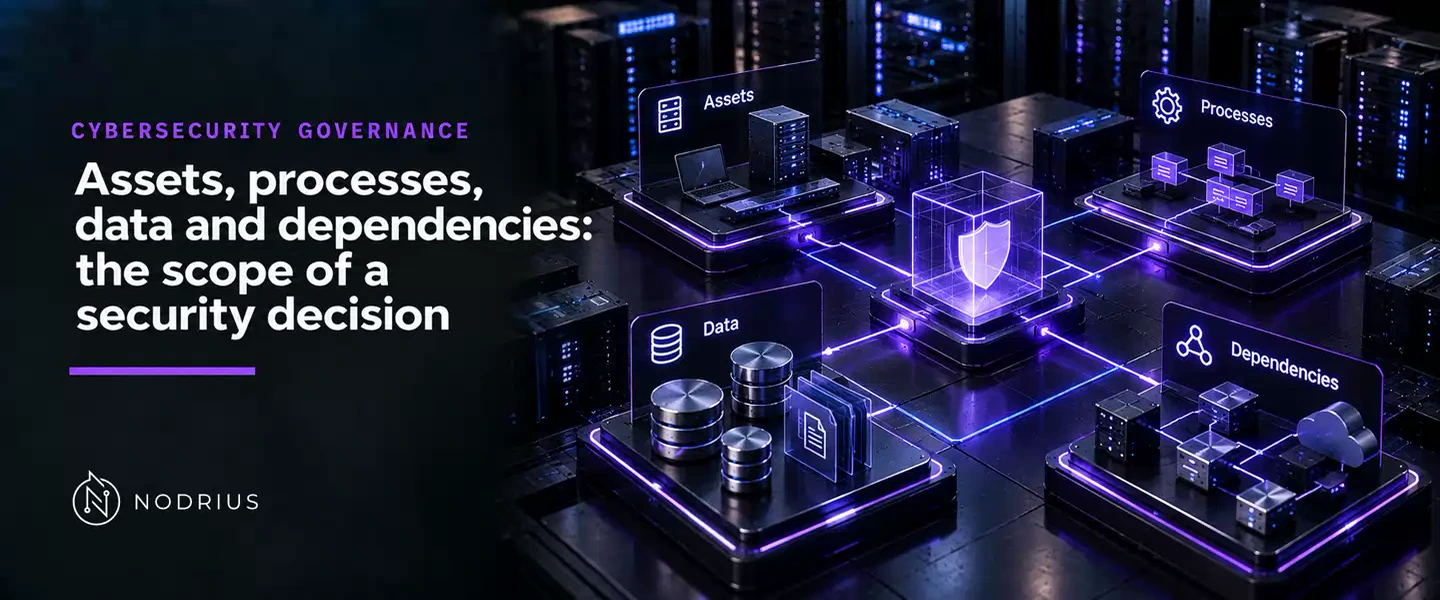
An asset matters for its process and data; scope is a chain, not a perimeter.
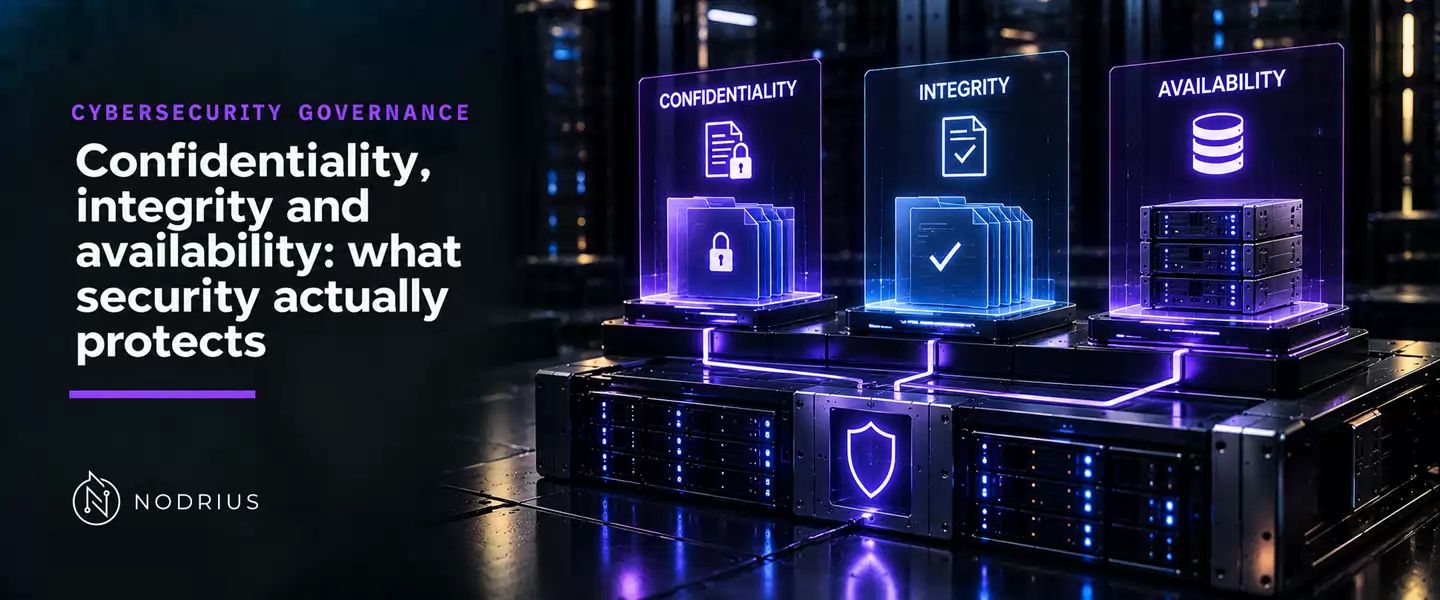
Security protects three separate properties, not one attribute: each has its own impact.
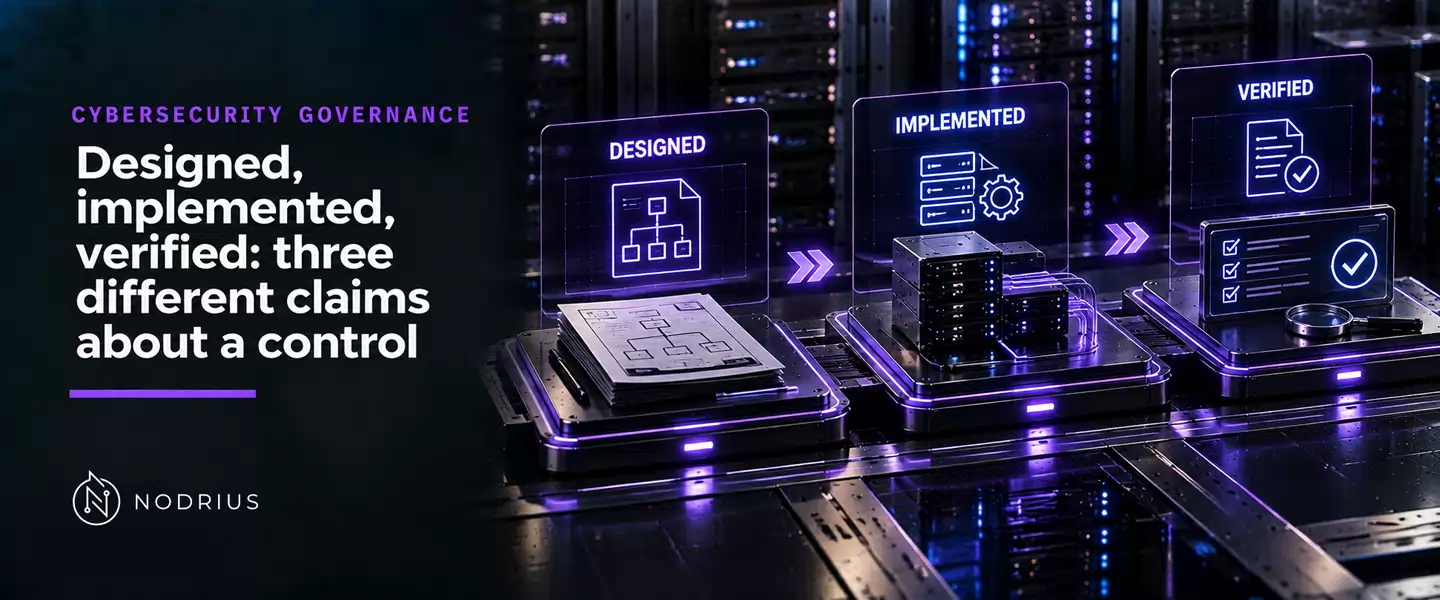
Designed, implemented and effective: three different claims, each with its own evidence.
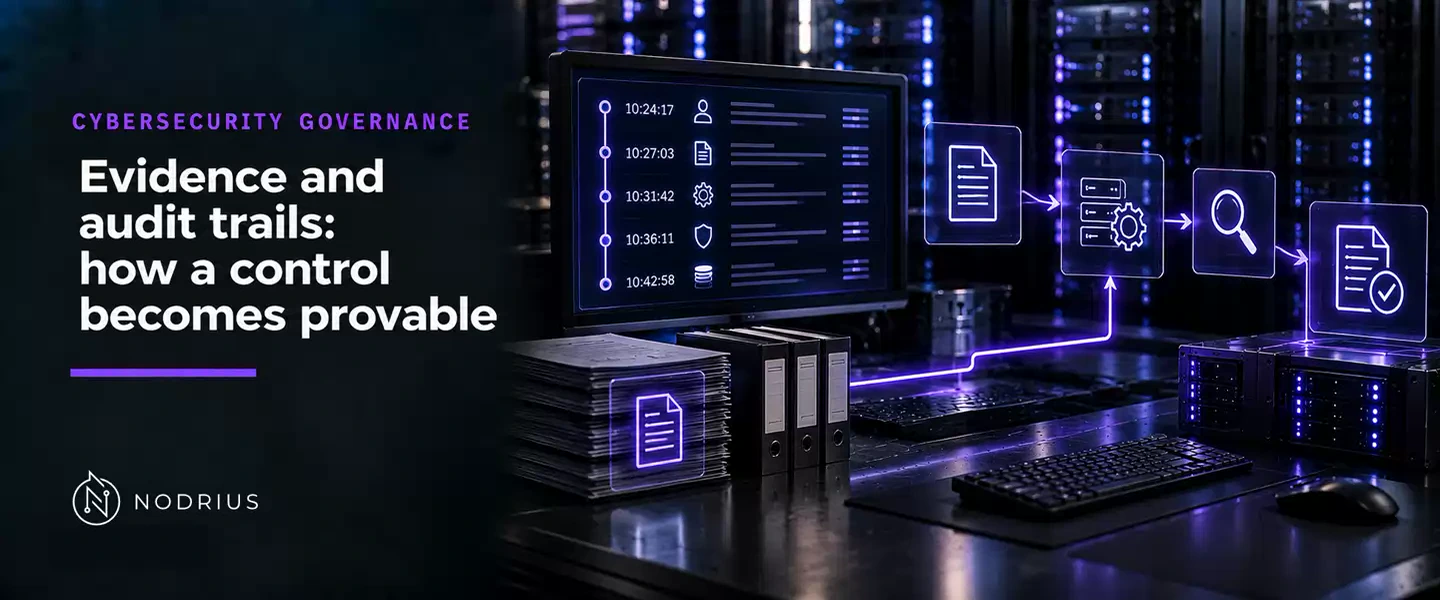
An audit trail records what happened; evidence is the proof a control works.

Least privilege bounds one identity; defense in depth bounds one failure.
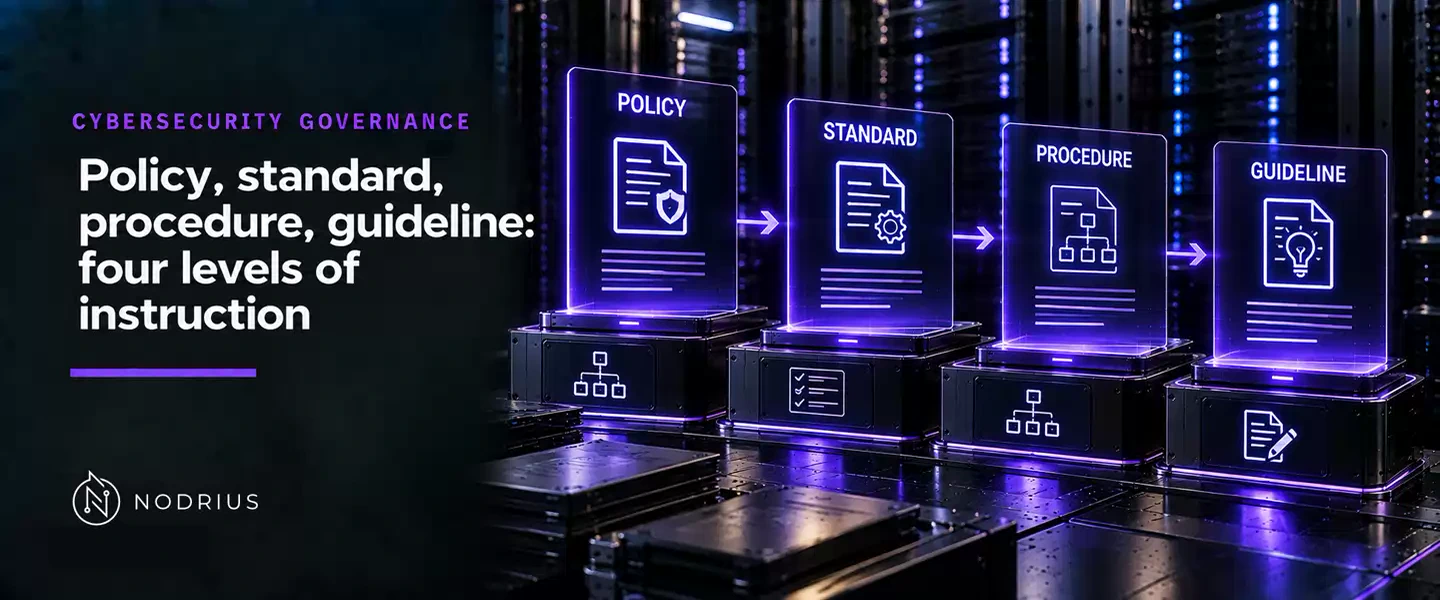
Policy states intent, standards bind, procedures give the steps, guidelines advise.
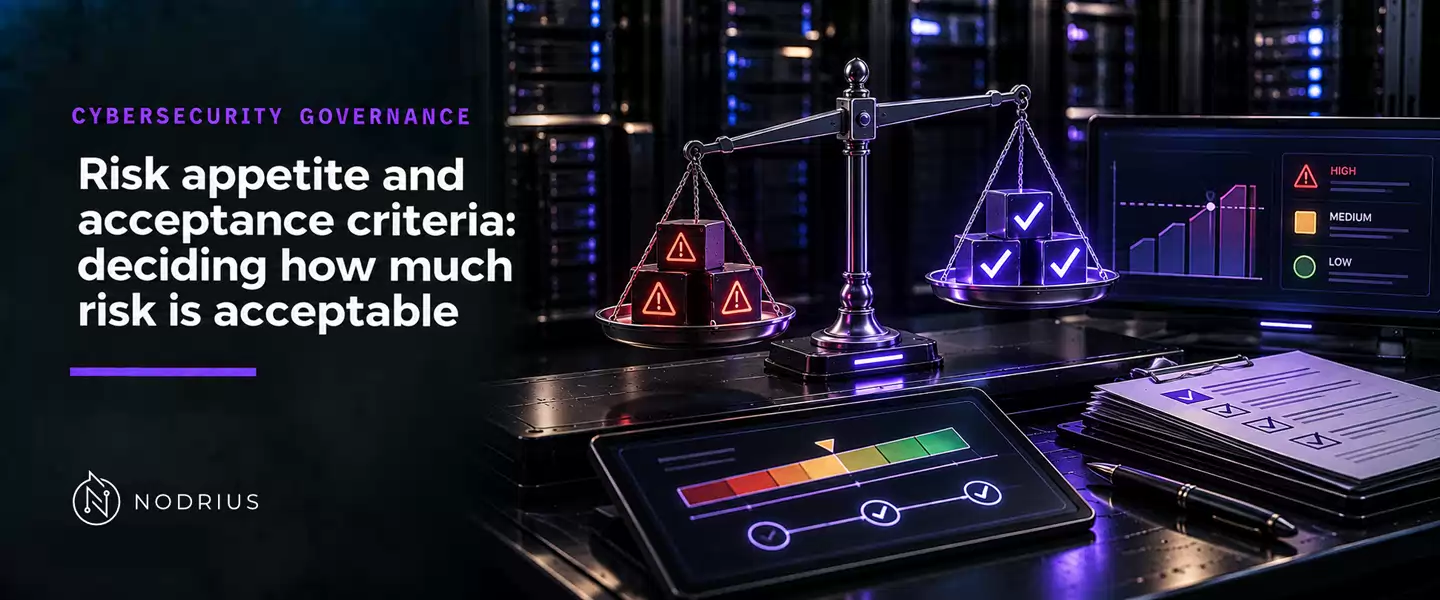
Risk appetite is a leadership call; acceptance is real once written, owned and dated.
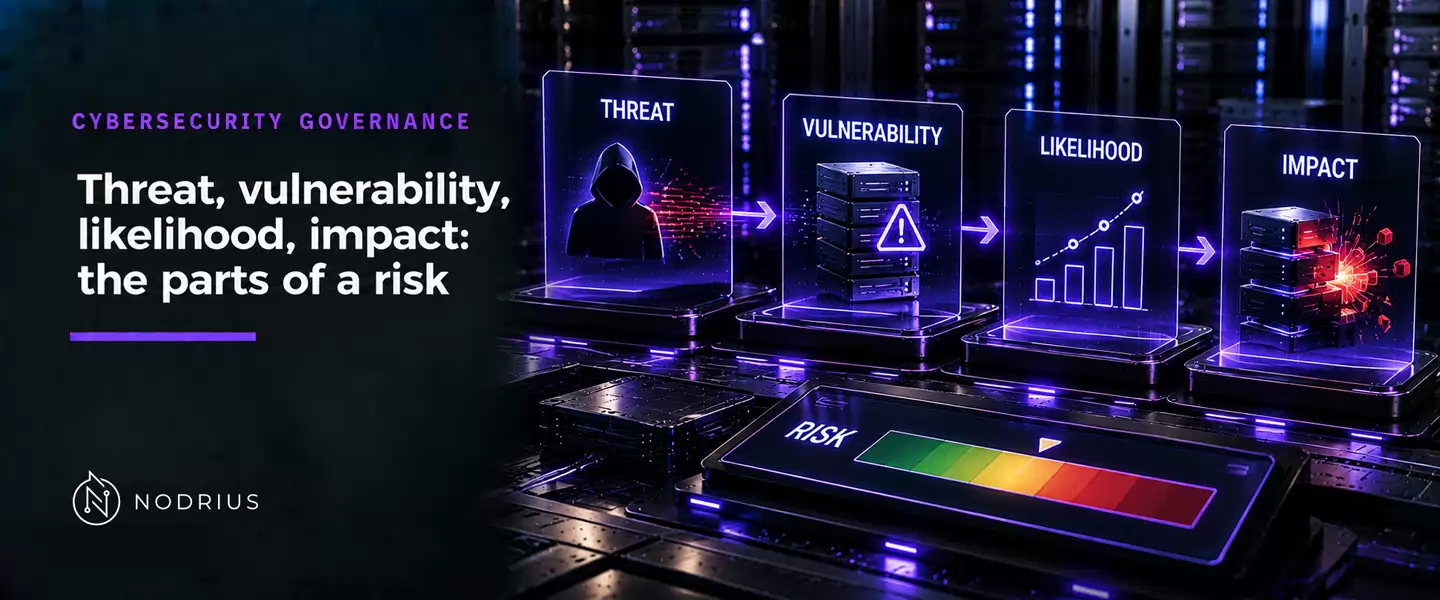
Risk is not one number: threat source, vulnerability, likelihood and impact are separate.
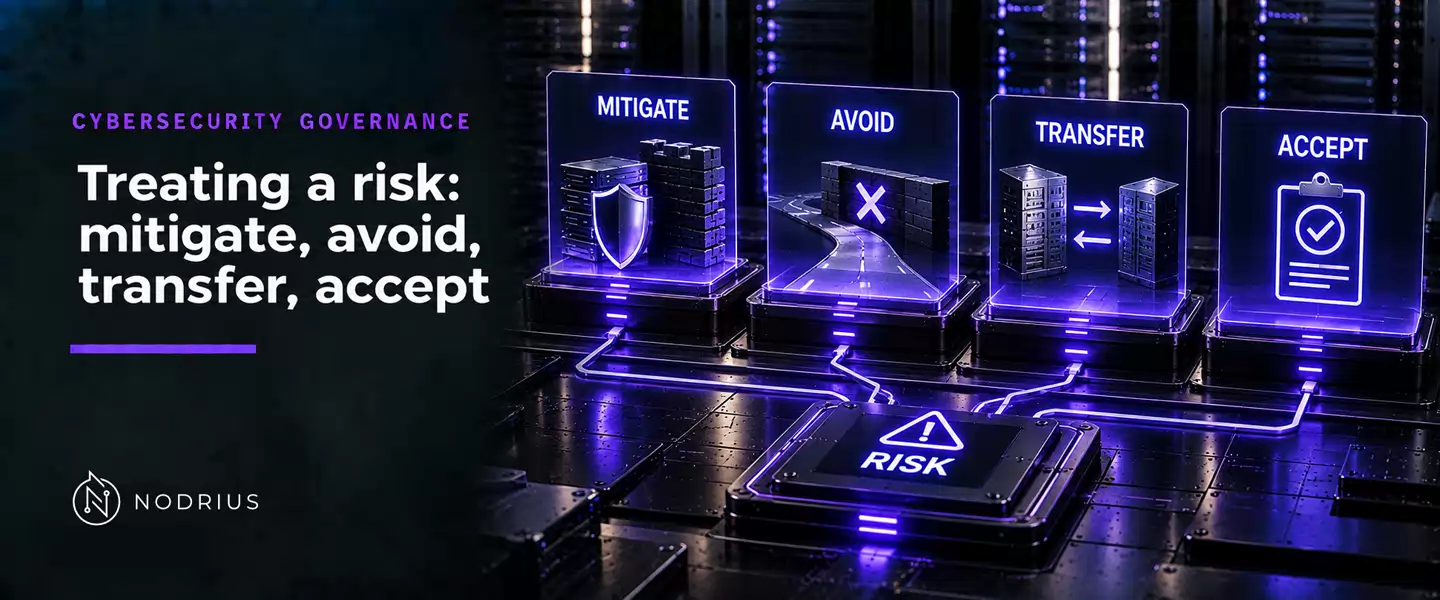
Five ways to respond to a risk: what each one changes, what is left, and who answers.