
Articles
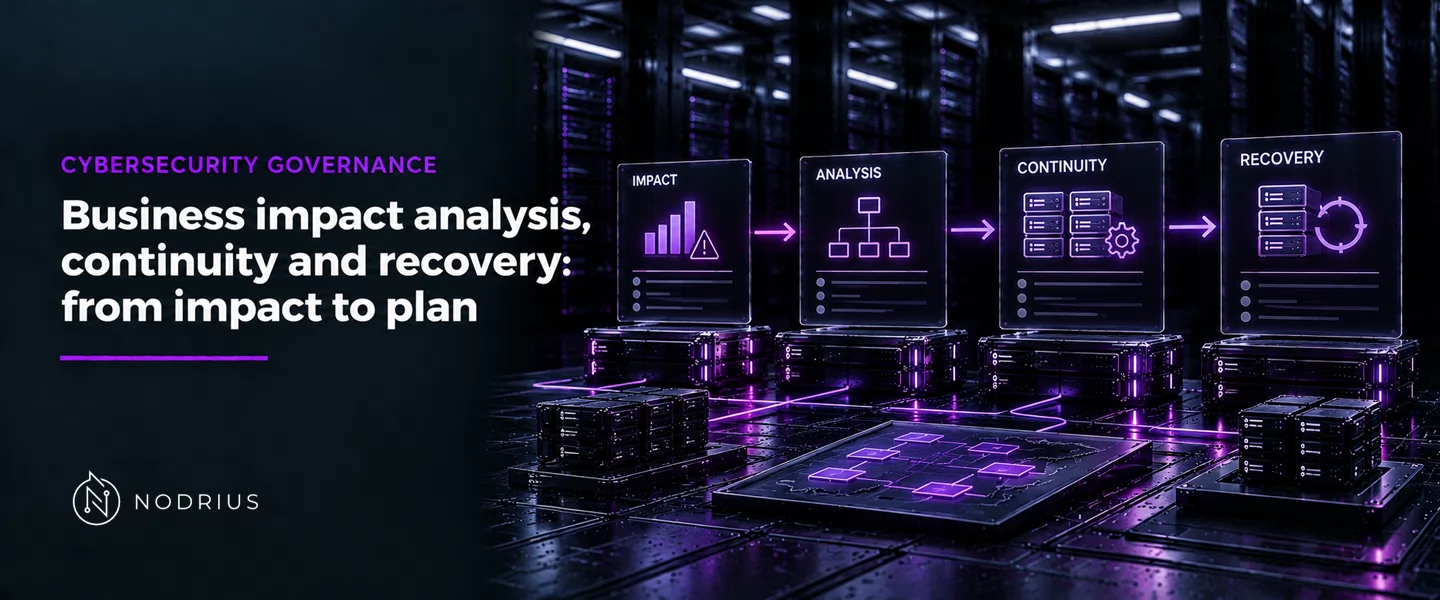
Business impact analysis, continuity and recovery: from impact to plan
Impact first: the BIA turns tolerable downtime into priorities and a plan you can test.
Naming and deciding about risk: threat, vulnerability, likelihood and impact, the risk and exception registers, appetite, criticality and suppliers.
Impact first: the BIA turns tolerable downtime into priorities and a plan you can test.
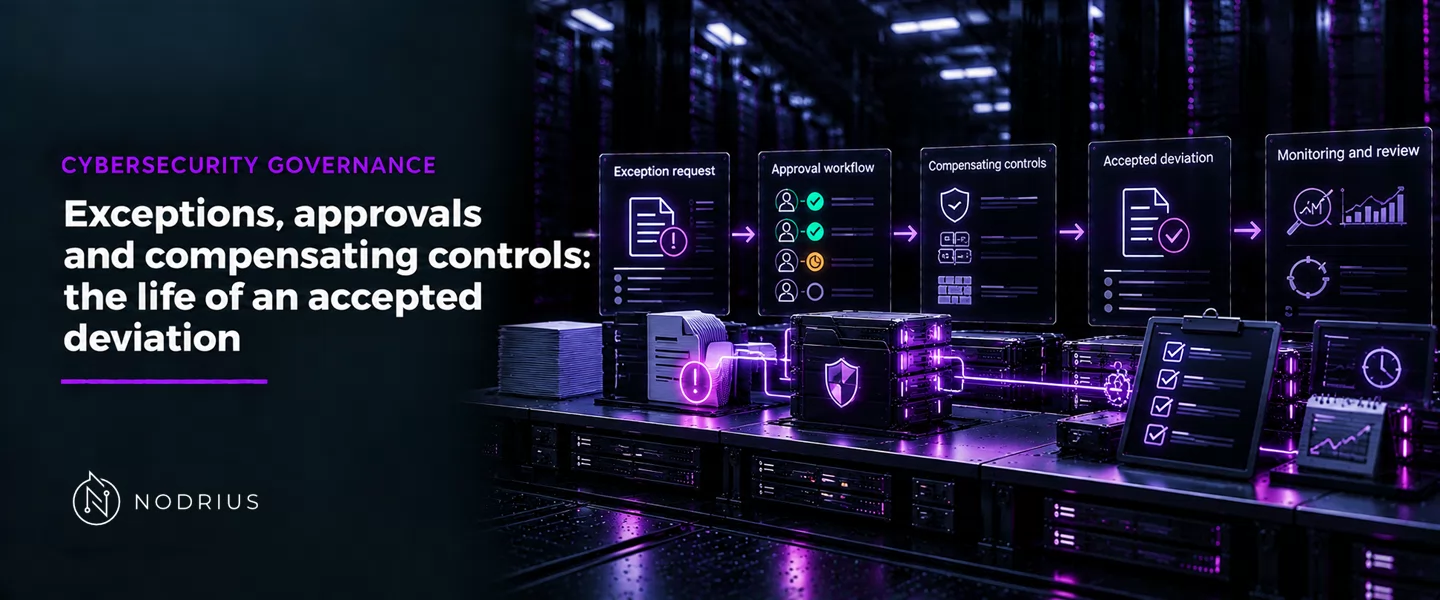
Who may approve a deviation, what compensates for it, and what ends it at expiry.
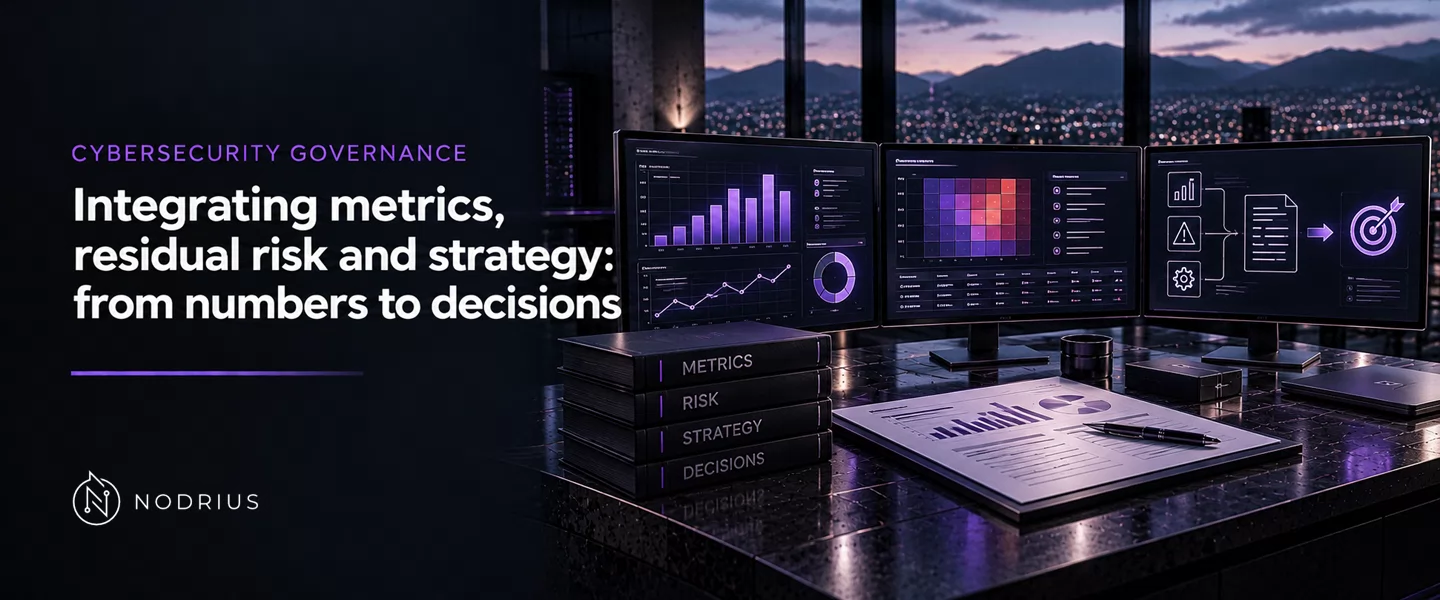
How measures and residual risk are compared against tolerance to change strategy.
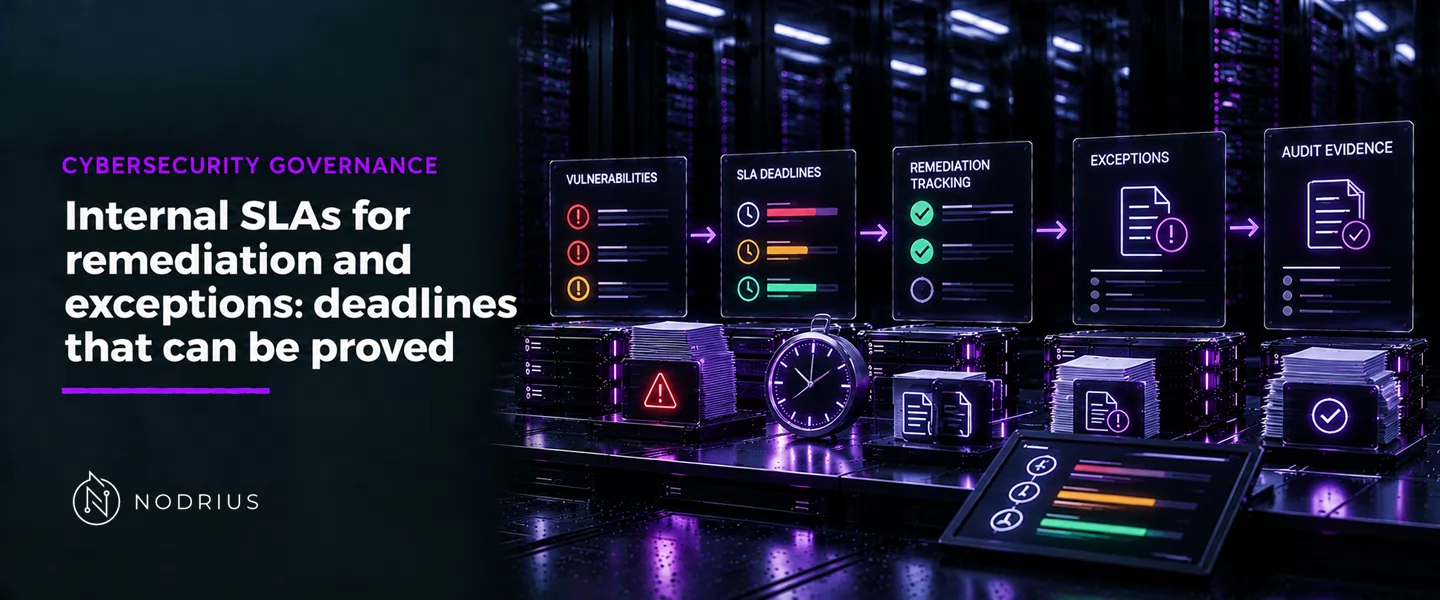
A remediation deadline needs a clock start, a breach rule and a route to an exception.
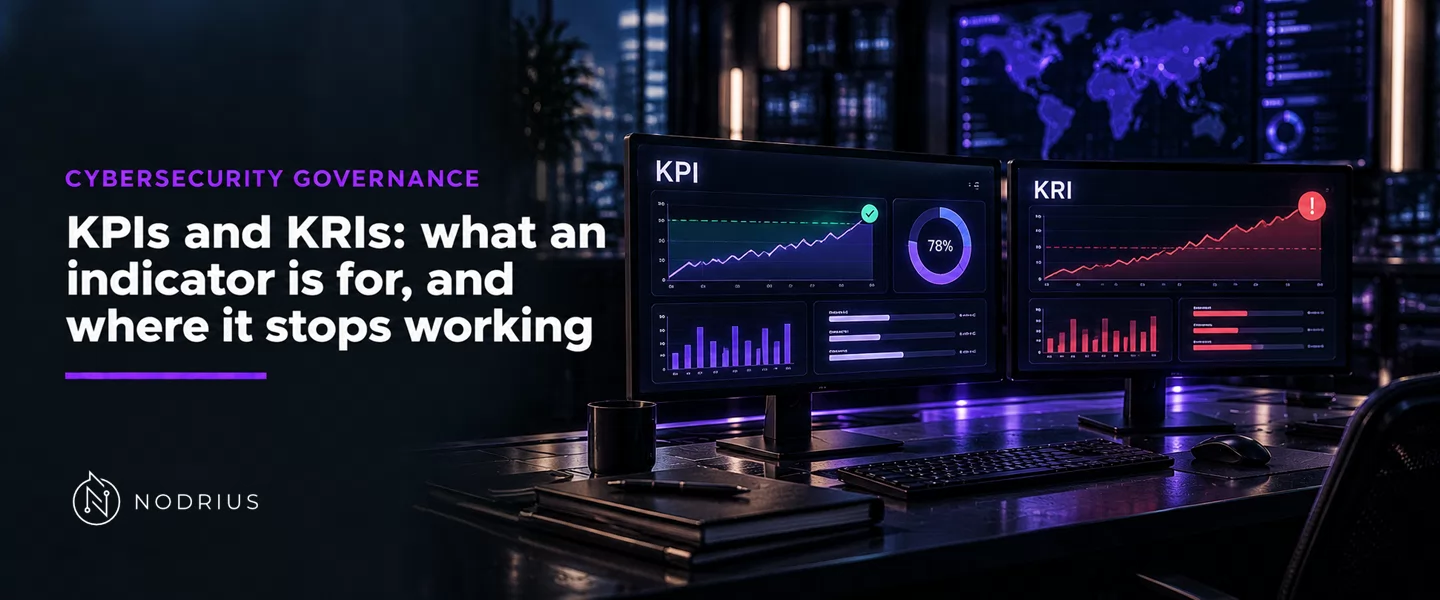
A KPI tracks progress, a KRI warns of risk; both fail without a purpose and a limit.
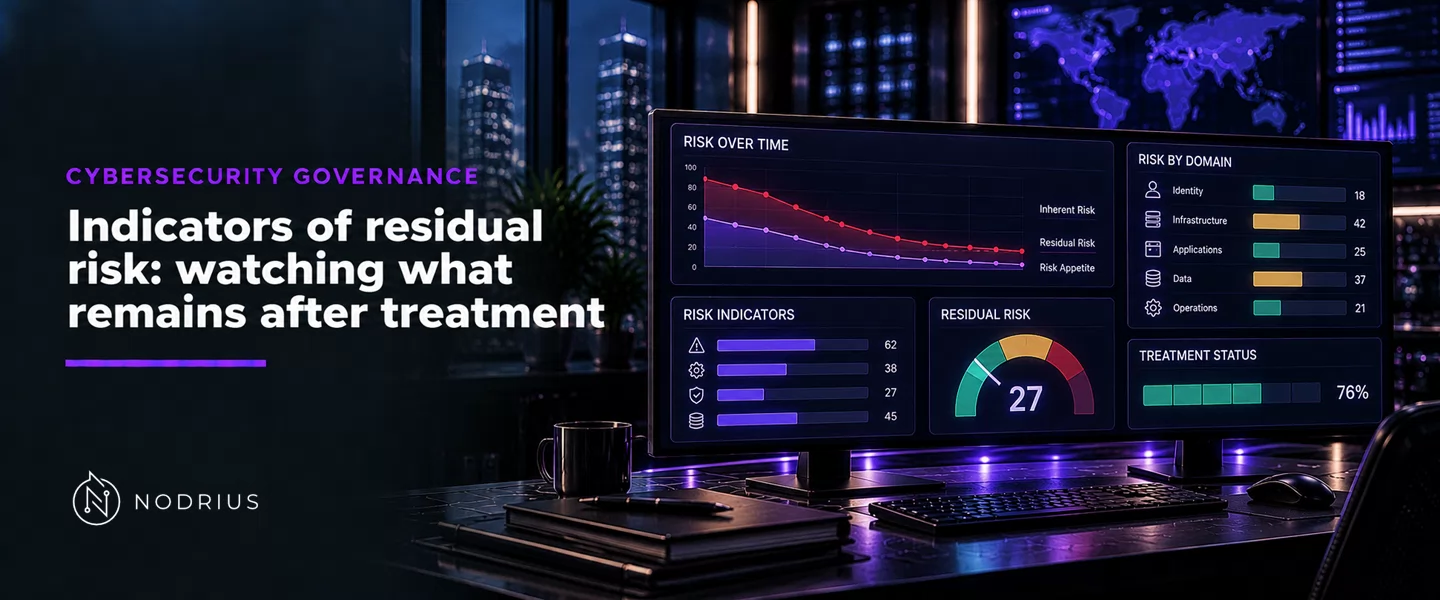
Recorded is not the same as watched: what moves a residual figure, and what it hides.
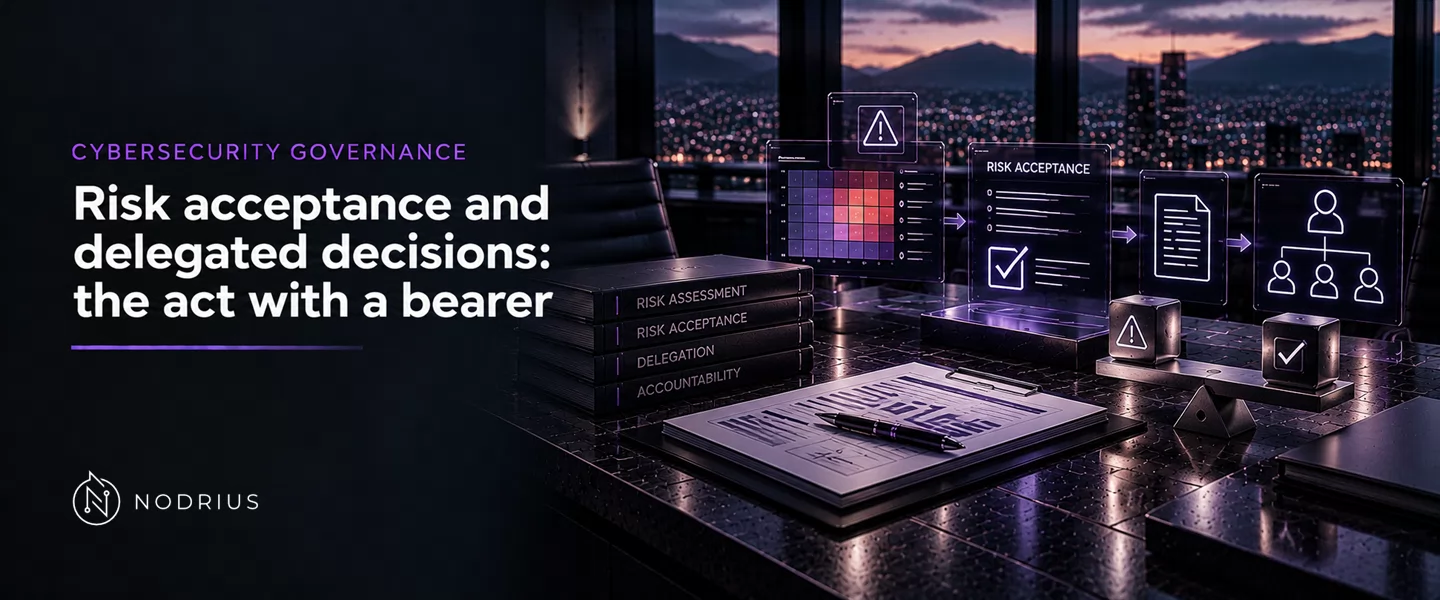
Accepting risk is a decision with a bearer, not the absence of a decision.
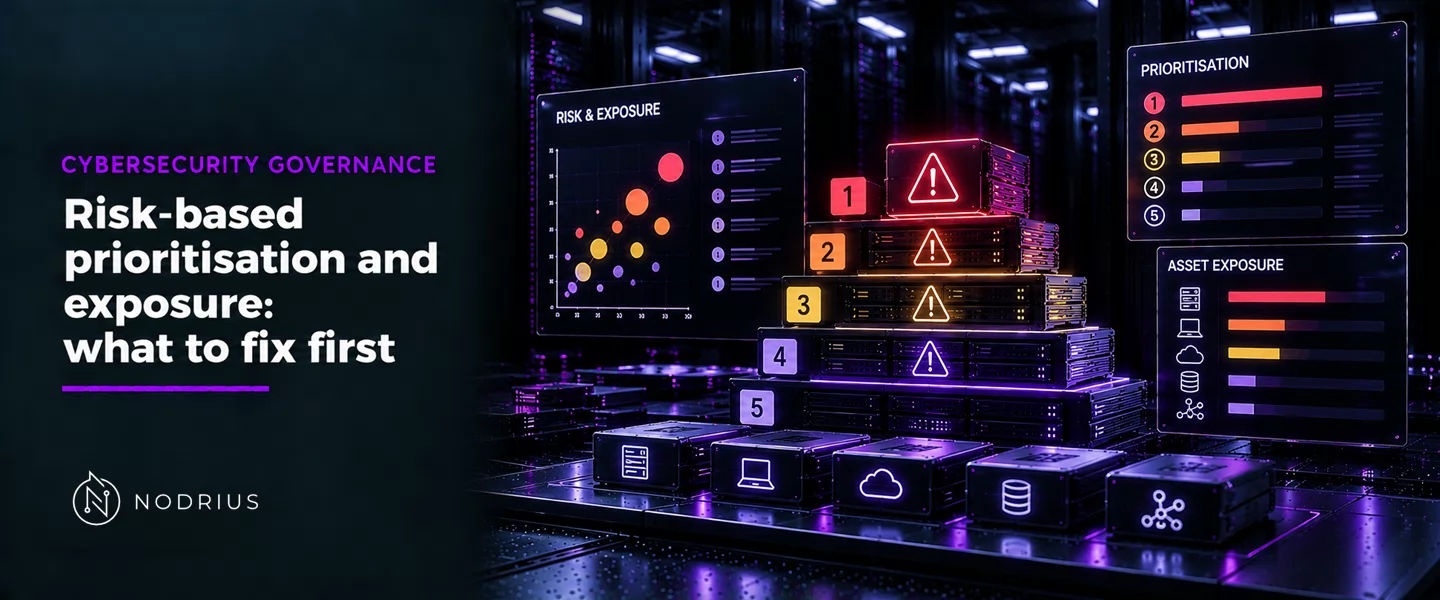
Prioritisation is a decision, not a score: name the facts a priority rests on.
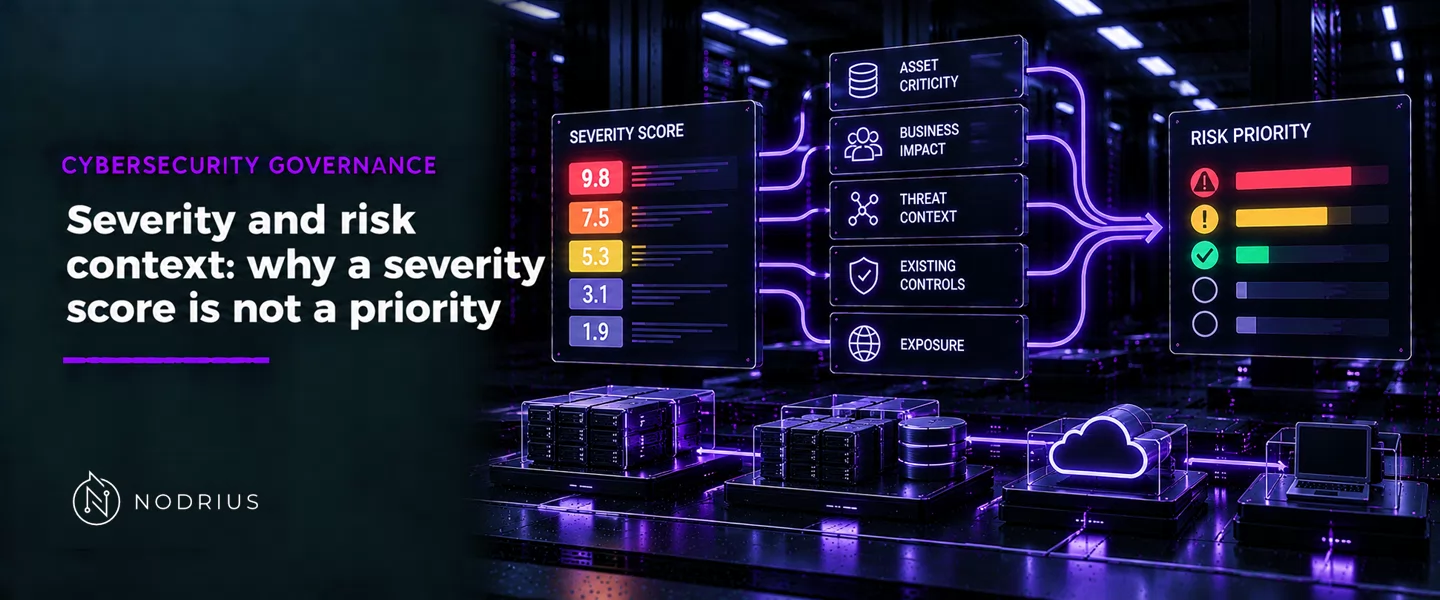
A severity score describes the vulnerability, not your exposure. Read it in context.

Who owns AI and automation risk, against what written tolerance, and with what oversight.
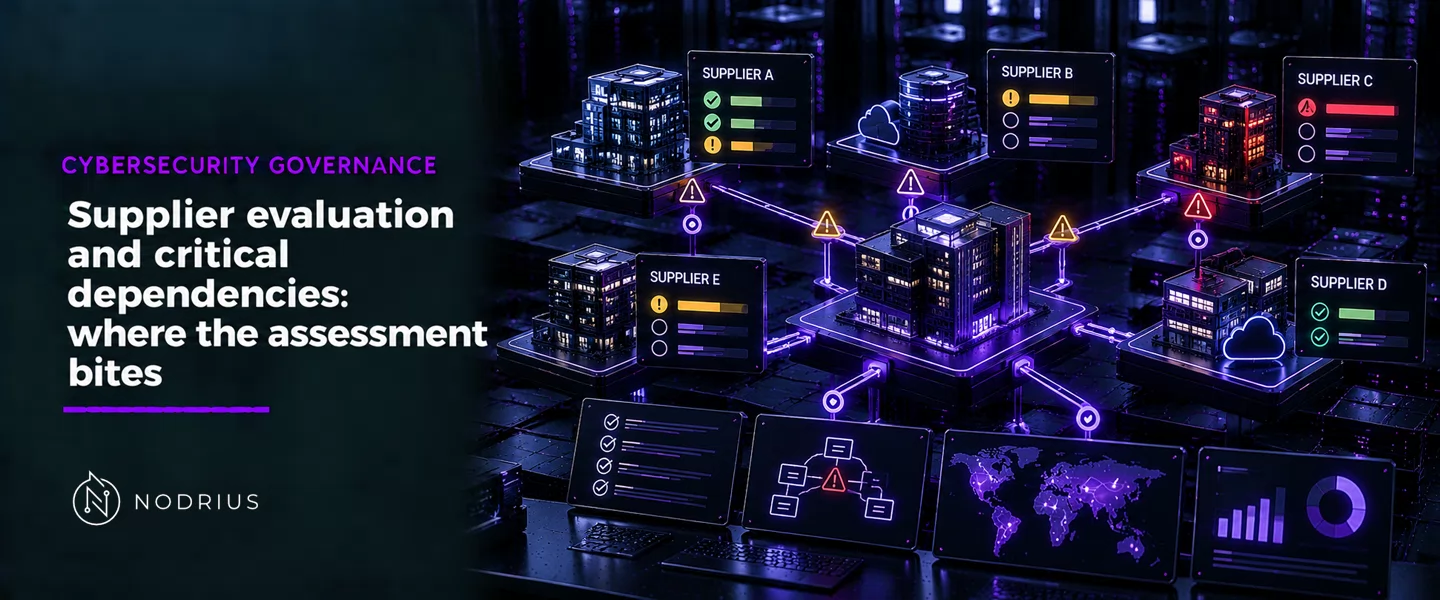
Assessment depth, evidence and frequency, set by the criticality of the dependency.

Supply-chain risk as a governed domain: priority, resilience and the recorded reason.
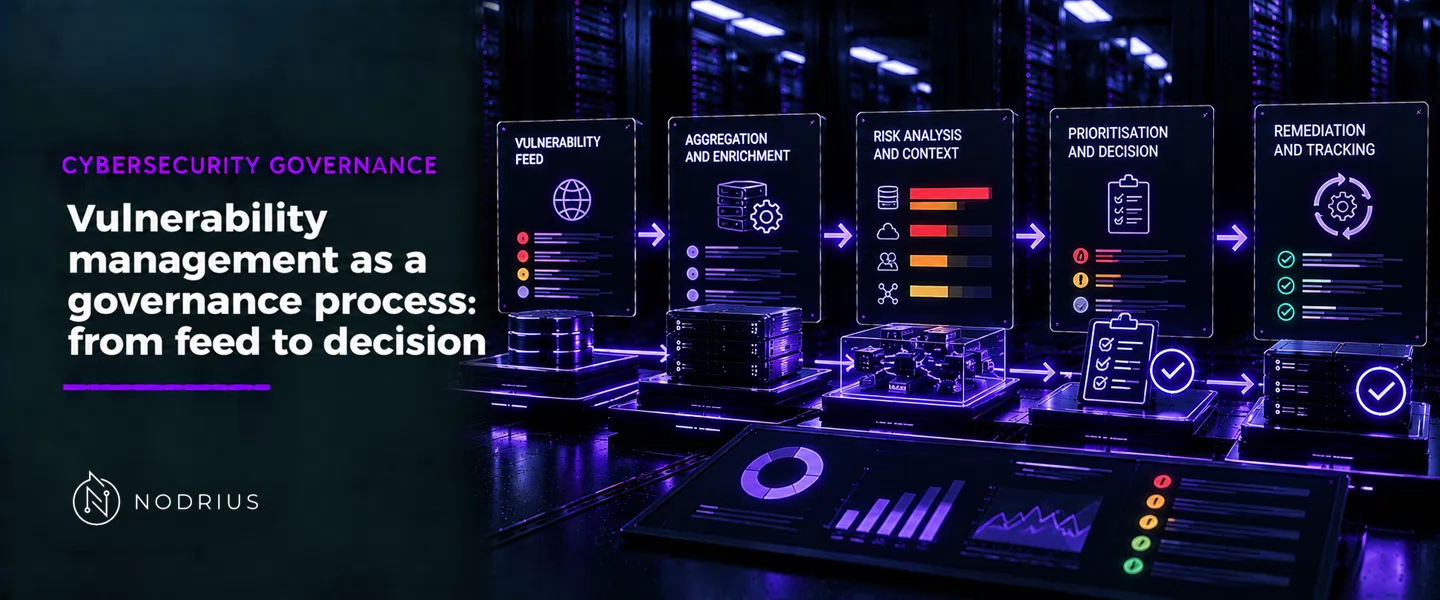
The scanner is an input: the governance steps from feed to decision, each with an owner.
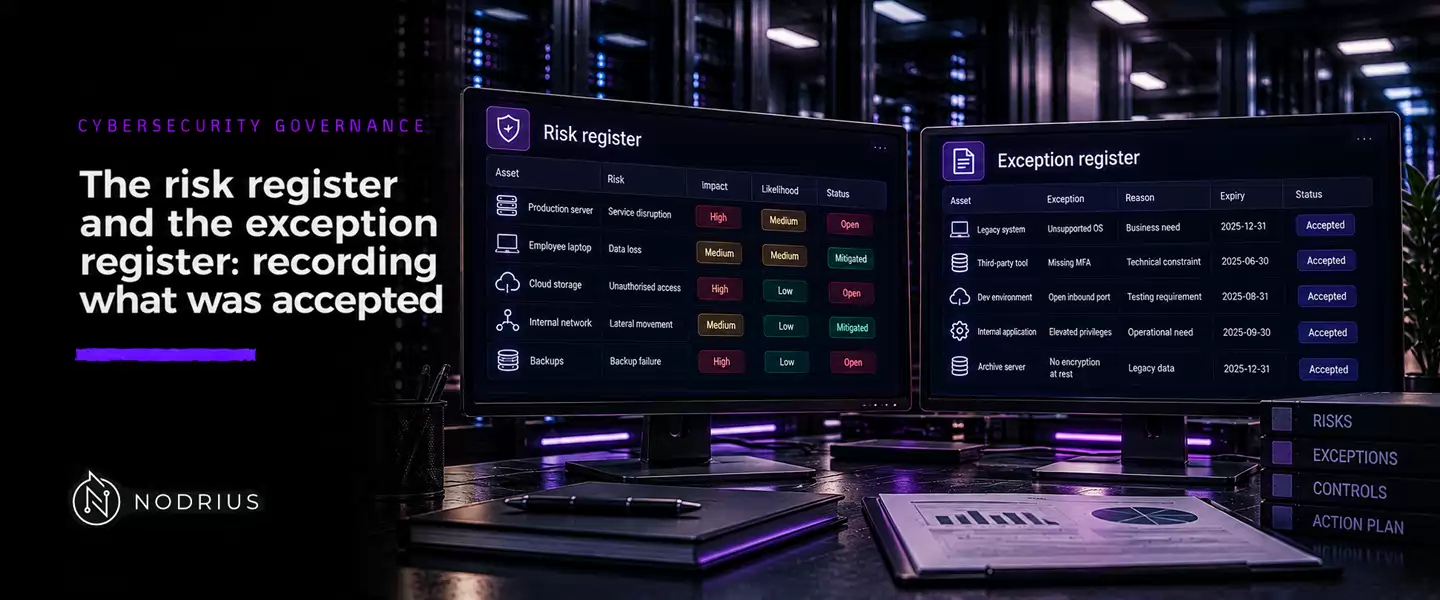
One register keeps the risk decision; the other keeps the deviation and its expiry.
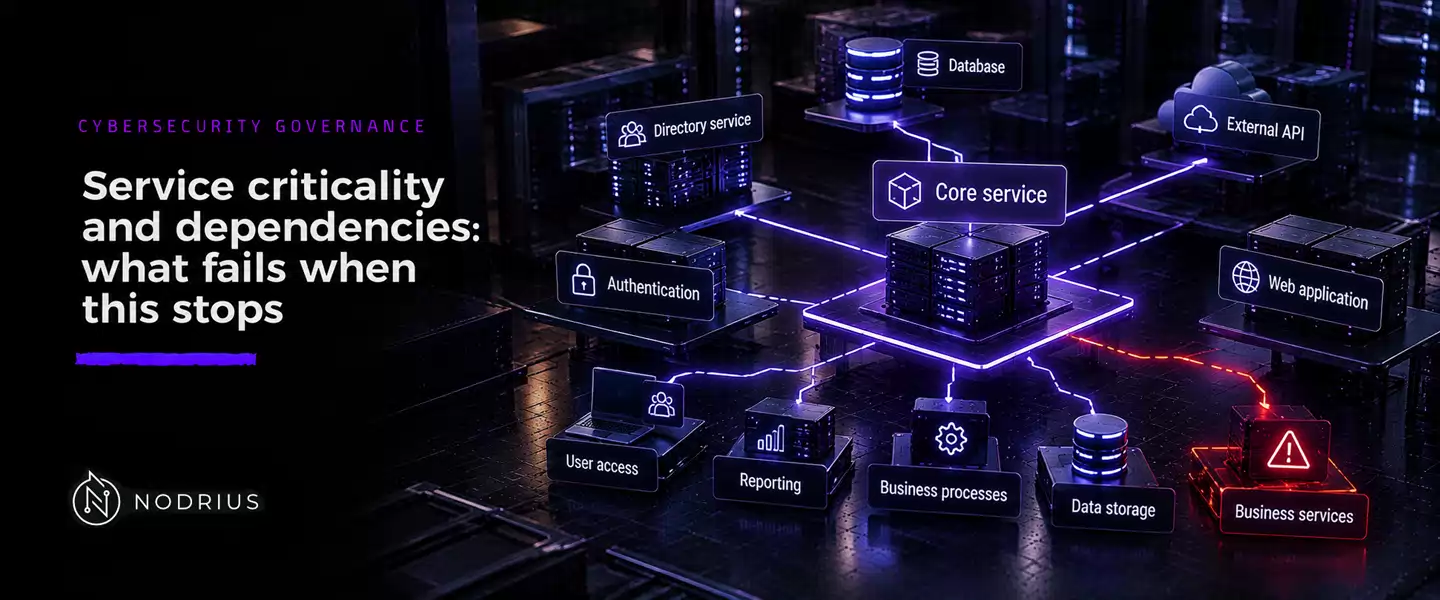
Criticality is a property of the service, not the box: name what it depends on.

Supplier risk that arrives with the contract: what stays yours and how it is managed.
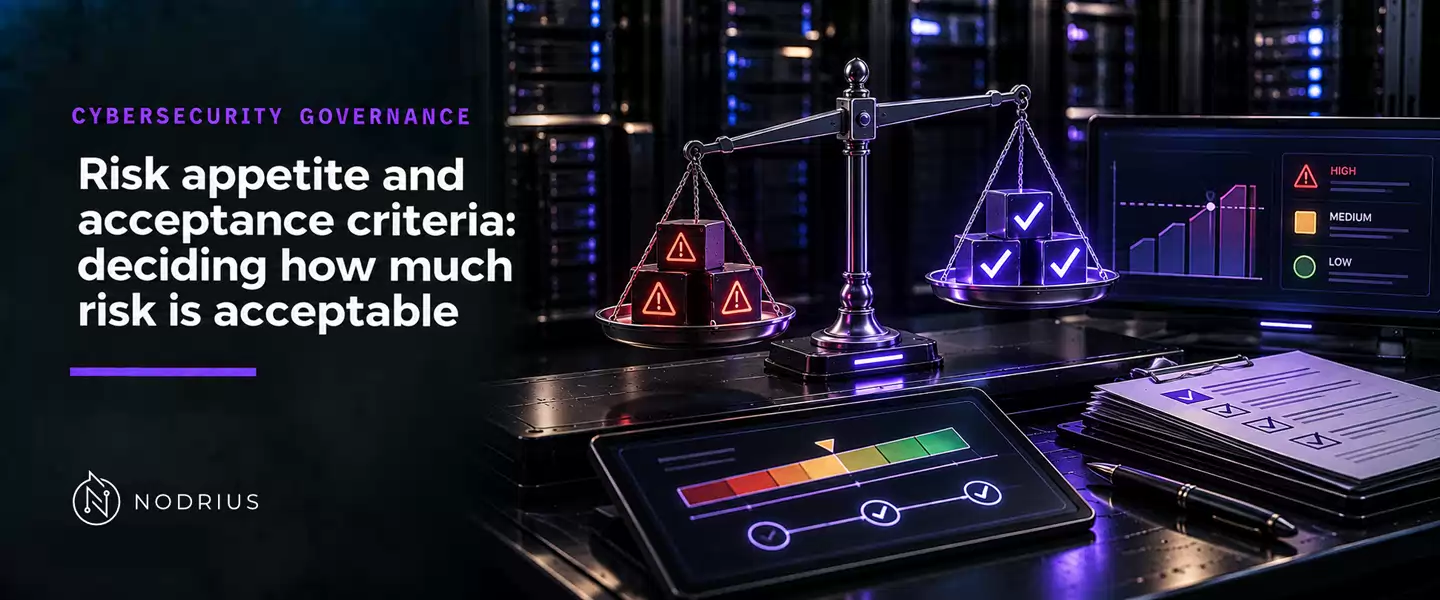
Risk appetite is a leadership call; acceptance is real once written, owned and dated.
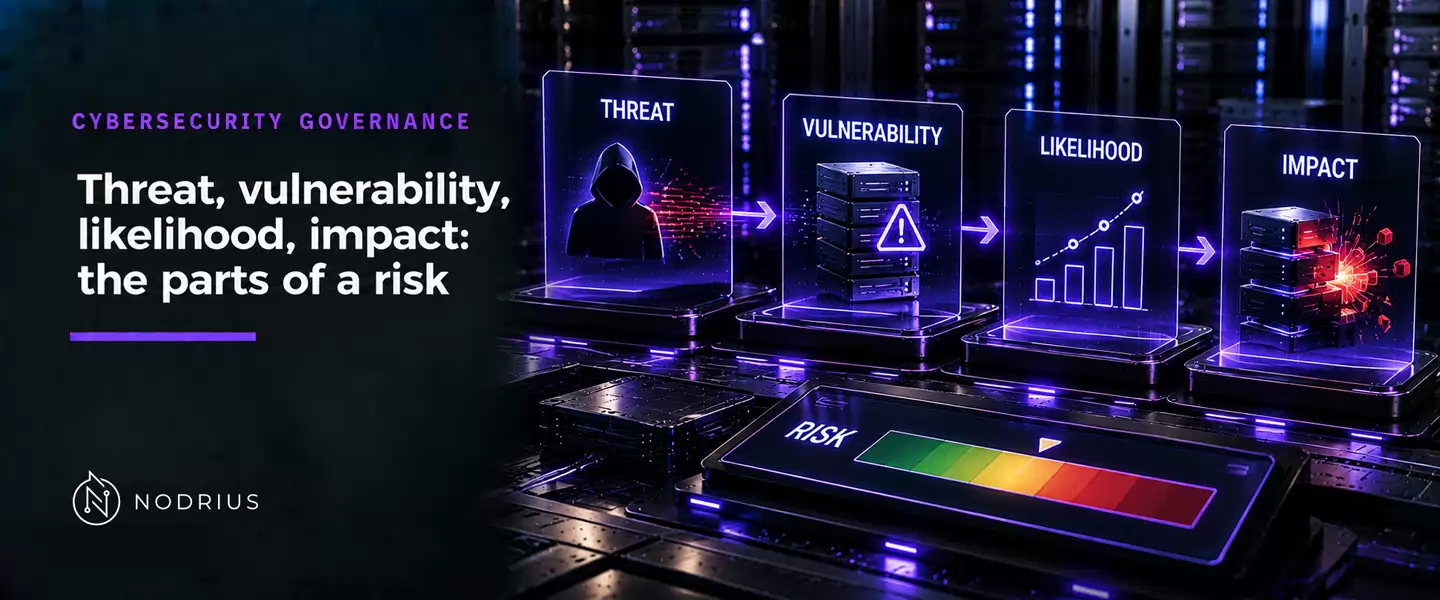
Risk is not one number: threat source, vulnerability, likelihood and impact are separate.
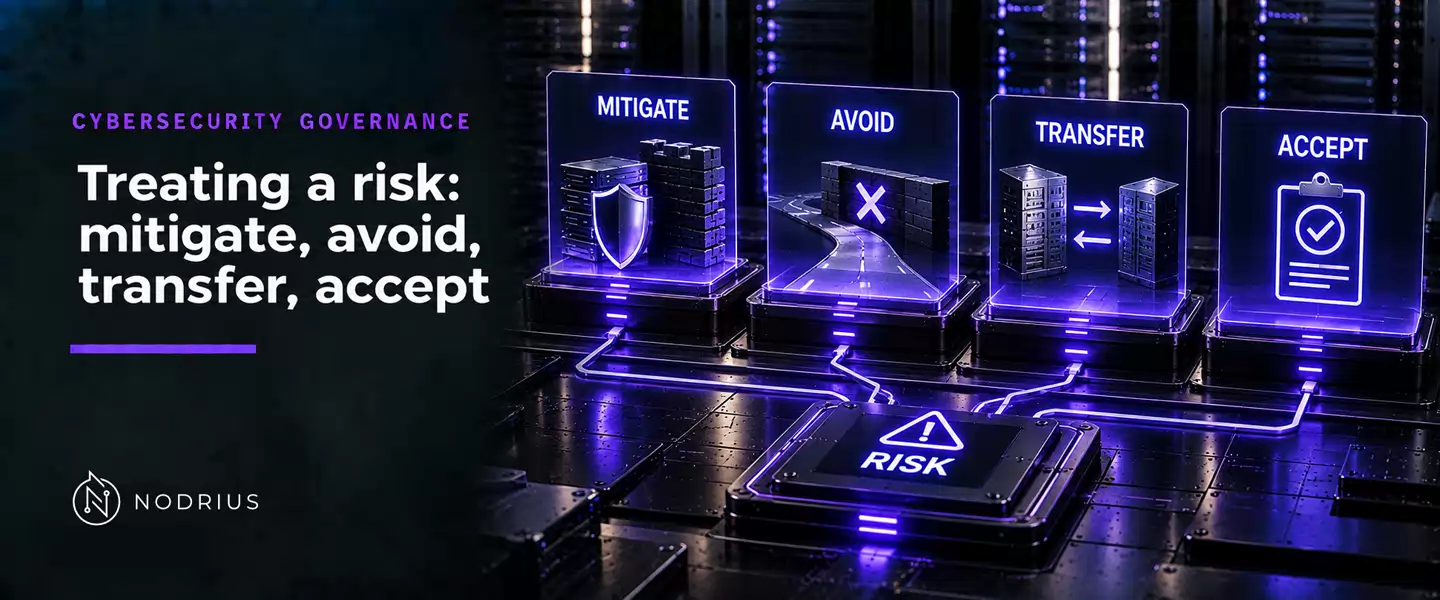
Five ways to respond to a risk: what each one changes, what is left, and who answers.